Economic Insider

Art Toys: A Cultural Shift and Emerging Economic Trend

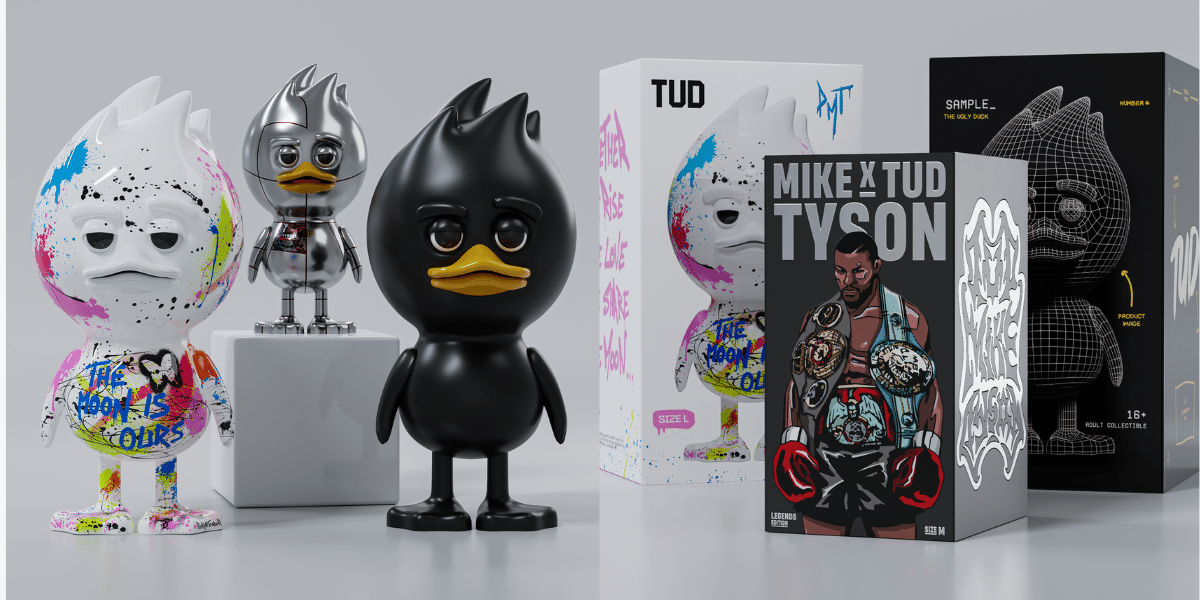
The fascination with art toys is on the rise, captivating both creators and collectors across various labels like urban vinyl, designer toys, and more. Crafted from materials such as vinyl, wood, plastic, resin, latex, and metal, the art toy creation process is undeniably artistic. Many creators, largely self-taught or with backgrounds in graphic design and fine art, contribute to this dynamic landscape.

Unconventional Investments: The Financial Powerhouse of Art Toys

This movement isn’t just about artistic expression; it’s evolving into an economic trend. The art toy market, valued at USD 25,143.0 million in 2022, is anticipated to expand at an 18.72% CAGR, reaching USD 70,410.76 million by 2028. TUD Toy’s influence on this trend goes beyond surface-level aesthetics; it plays a role in shaping the economic dynamics of collectibles. 

The Art Toy Market has witnessed significant growth in recent years, driven by increasing consumer interest in collectible art pieces and a surge in the popularity of designer toys. This phenomenon challenges traditional perspectives on collecting culture, breaking away from the notion that toys are solely for children. Now, toys are finding a dedicated adult audience, and with a growing market willing to invest in pieces that evoke sentimentality, this trend is poised for continued growth.

While critics engage in debates over defining the boundaries between art and toys, audiences and artists remain unfazed by the need for strict definitions. Art, inherently subjective, resides in the eye of the beholder. Behind the increasing popularity of art toys lies a thriving culture propelling continual growth.

Social Media Influence: Art Toys Shine in the Digital Spotlight

Masuda, a prominent figure in the art toy movement, expressed his desire to open a shop in the Harajuku district as “a means of expression where complete strangers can directly evaluate my work (products) on a buy-sell basis.” This intention aligns with that of any emerging artist seeking an audience and acknowledgment that their expression is indeed art.

But as social media takes center stage for showcasing these unique treasures, the economic potential of art toys is not just a notion but a staggering reality, driven by limited editions, captivating narratives, and some impressive market statistics.

Social media influencers are at the forefront of reshaping the narrative around luxury collectibles, thrusting art toys into the limelight. While traditional luxury brands have enjoyed a longstanding reign, art toys are claiming their place with an authentic narrative. Bloggers and influencers, known for their trendsetting capabilities, are transforming art toys from mere novelties to Instagram sensations. The data-backed market surge only solidifies their accelerated adoption and growing market recognition.

Art Toys: A Cultural Shift and Emerging Economic Trend

Photo Credit: TUD Toy

Narrative Value and Scarcity

Beyond their financial clout, art toys offer a unique narrative, whether it’s ‘The Ugly Duck’ symbolizing resilience or TUD Toy’s collaboration with Mike Tyson and innovative projects like collaboration with Pantone. 

As the economic landscape undergoes transformations, so do the preferences of discerning collectors. Art toys are making a robust case for themselves as alternative investments, competing head-on with conventional choices. Instances such as a Karl Lagerfeld-designed BEARBRICK fetching high prices at auctions and KAWS Companion figures becoming highly prized possessions underscore the tangible economic power that art toys wield in the contemporary collectibles market.

In a landscape where every purchase is a statement, art toys are not just making waves; they are orchestrating a billion-dollar symphony in the luxury collectibles arena. Their ability to combine storytelling, limited editions, and social media appeal positions them not just as a genuine alternative but as a powerhouse in the realm of high-end items. With their billion-dollar market value and growth trajectory, art toys are not merely a passing trend; they are actively reshaping the economic landscape of luxury collectibles, one limited edition at a time.

Published by: Martin De Juan

Simplify Business Compliance: Navigate Regulations with Peter Bronstein and Legal Stepz

Image Commercially Licensed from: Unsplash

In today’s dynamic business environment, adherence to regulatory compliance has become more critical than ever. Peter Bronstein emerges as a key facilitator in simplifying compliance with the 2019 Corporate Transparency Act (CTA) through his innovative platform, Legal Stepz. With over three decades of experience in law and accounting, Bronstein’s mission is to empower entrepreneurs and business owners to efficiently navigate the intricate landscape of regulatory requirements.

The Corporate Transparency Act mandates certain entities to disclose beneficial ownership information, aiming to bolster transparency in corporate ownership structures. As the 2025 compliance deadline approaches, the demand for accessible solutions is skyrocketing. This is where Peter Bronstein and Legal Stepz step in, offering resources designed to demystify compliance processes and facilitate smooth navigation of regulatory complexities.

Legal Stepz provides a comprehensive platform tailored to meet specific legal needs, ranging from business incorporation to trademark registration. Bronstein’s platform seamlessly blends legal expertise with modern technology, ensuring that individuals can navigate complex procedures affordably and efficiently.

A standout feature of Legal Stepz is its incorporation course, meticulously guiding users through the process of establishing businesses in California. Testimonials from satisfied users commend the platform’s clarity, affordability, and user-friendly interface, showcasing Bronstein’s commitment to democratizing legal knowledge and empowering entrepreneurs.

Beyond the platform itself, Bronstein’s contributions extend to his book, which is enriched with Practice Tips, offering invaluable insights into compliance with the CTA. Additionally, his incorporation and trademark courses provide step-by-step guidance, making legal processes accessible to all aspiring entrepreneurs.

At the core of Legal Stepz lies Bronstein’s unwavering dedication to accessibility. The platform offers a free Beneficial Owner Information Report (BOIR) filing methods guide and comprehensive resources, ensuring that compliance with the CTA is attainable for everyone, regardless of their background or expertise level.

Entrepreneurs are invited to explore Peter Bronstein’s courses and resources on Legal Stepz, spanning from the Incorporation Course for business setup to the LLC Course for Limited Liability Company formation, and the Trademark Course for trademark registration. Visit LegalStepz.com now to discover more and embark on your journey to legal compliance and business success.

As the compliance deadline looms closer, Peter Bronstein’s leadership in corporate law shines through. Through Legal Stepz, he revolutionizes the accessibility of legal services, shaping the future of compliance for businesses nationwide. In an era characterized by rapid technological advancements and evolving regulatory landscapes, Bronstein’s vision continues to pave the way for legal empowerment in the digital age

About Peter Bronstein and Legal Stepz:

Leveraging over three decades of legal and accounting experience, Peter Bronstein is dedicated to democratizing legal knowledge through his platform, Legal Stepz. As the founder, Bronstein aims to empower entrepreneurs and business owners to navigate complex regulatory landscapes with ease and efficiency. Legal Stepz offers comprehensive resources, including courses on incorporation, Limited Liability Company formation, and trademark registration, all designed to simplify compliance and foster business growth. With a commitment to accessibility and affordability, Legal Stepz is reshaping the accessibility of legal services in the digital age, ensuring that compliance with regulations like the Corporate Transparency Act is within reach for all.

Contact:

Heather Holmes

heather@publicityforgood.com

1+(828)332-5307

Published by: Nelly Chavez

The Sustainability Trend: A Giant Leap for E-commerce through Latin Fashion Week

Image Commercially Licensed From DepositPhotos 

Latin Fashion Week, the highly-celebrated one-stop platform that targets Latina minorities and women inclusivity is at the forefront of embracing the sustainability trend within the e-commerce industry. This revolutionary platform has made it its mission to not only champion inclusivity in the fashion industry but also sustainability, shedding light on the powerful synergy between e-commerce and sustainable practices. This article dives into this disruptive trend, its benefits, and how Latin Fashion Week has successfully integrated it within its operations to yield remarkable results. 

The world is undoubtedly shifting towards sustainable living as a counteractive measure against increasing environmental degradation. Queuing behind the fashion industry, the e-commerce sector has not been left behind in embracing sustainable practices, a shift that is largely driven by the consciousness of contemporary consumers. Today, consumers exhibit a heightened sense of environmental responsibility, opting for brands that display a strong commitment to sustainable practices. E-commerce platforms are rapidly adjusting their operations to meet these changing consumer preferences, and Latin Fashion Week is at the helm of it.

Latin Fashion Week has set itself apart by firmly dedicating its mission to the Latino minority and inclusive fashion. Driven by its goal to offer a one-stop platform, this unique e-commerce platform empathizes with the rising consciousness of its shoppers. As such, its commitment to sustainability is integrated within all its operations, both in terms of the materials it promotes and the operations of the online shop itself. 

The e-commerce industry holds a vast potential for driving sustainability. First, this sector drastically cuts down the need for physical shopping infrastructure, which, in turn, significantly reduces carbon footprints. Noteworthy, this reduction in physical travel to stores makes e-commerce a more environmentally friendly choice.

Additionally, embracing sustainable packaging mechanisms has also been one of the crucial facets of sustainability within the e-commerce industry. An increasing number of e-commerce platforms, like Latin Fashion Week, have restructured their packaging methods to reduce waste. They have replaced plastic and other non-biodegradable materials with more eco-friendly options.

Furthermore, e-commerce harbors an energy-efficient model of operations. Unlike brick-and-mortar stores, e-commerce stores take up no physical space and consume less energy due to negligible lighting, heating, and cooling demands. They thus generate less greenhouse gasses that contribute to global warming.

As they transition into sustainable models, e-commerce platforms are also keen on promoting and selling environmentally friendly options. For instance, Latin Fashion Week is intentional about showcasing designers who incorporate sustainability into their designs, materials, and manufacturing processes. This not only cultivates a culture of sustainability among the designers but also encourages consumers to participate actively in these practices by purchasing these items.

Notably, e-commerce and sustainability function symbiotically. E-commerce provides a platform for sustainability and sustainability, in turn, helps e-commerce thrive. This epitomizes the operations at Latin Fashion Week. With its commitments to inclusivity and sustainability, the platform not only meets contemporary consumers’ needs but also nurtures a generation of responsible consumers, designers, and fashion enthusiasts.

In line with their quote, Latin Fashion Week aims to be a one-stop platform that is inclusive of the Latino minority and women. Notably, minorities and women are the most impacted by environmental degradation. By integrating sustainability into its operations, Latin Fashion Week directly contributes to a safer environment, subsequently improving the quality of life for these marginalized communities.

Ultimately, the integration of sustainability within the e-commerce industry is promising for the future of our planet. E-commerce platforms like Latin Fashion Week offer inspirational models of integrating environmentally friendly practices into their business models. Such a move will not only boost the growth of these e-commerce outlets but also contribute to a sustainable environment. 

To stay updated with Latin Fashion Week and its excellent work, check out their website at www.latinfashionweek.com or follow their Instagram at @latinfashionweek. Through this platform, you get to participate in a future where fashion meets sustainability, a future where commerce cares for the earth. 

Through their efforts, they are not only promoting fashion but also championing a cause – the cause for a greener – and more inclusive – future. It is through such pioneering initiatives that the world can be made a better place for everyone, regardless of race, gender, or creed. The work is still far from over, but we’re off to an inspiring start.

Published by: Aly Cinco