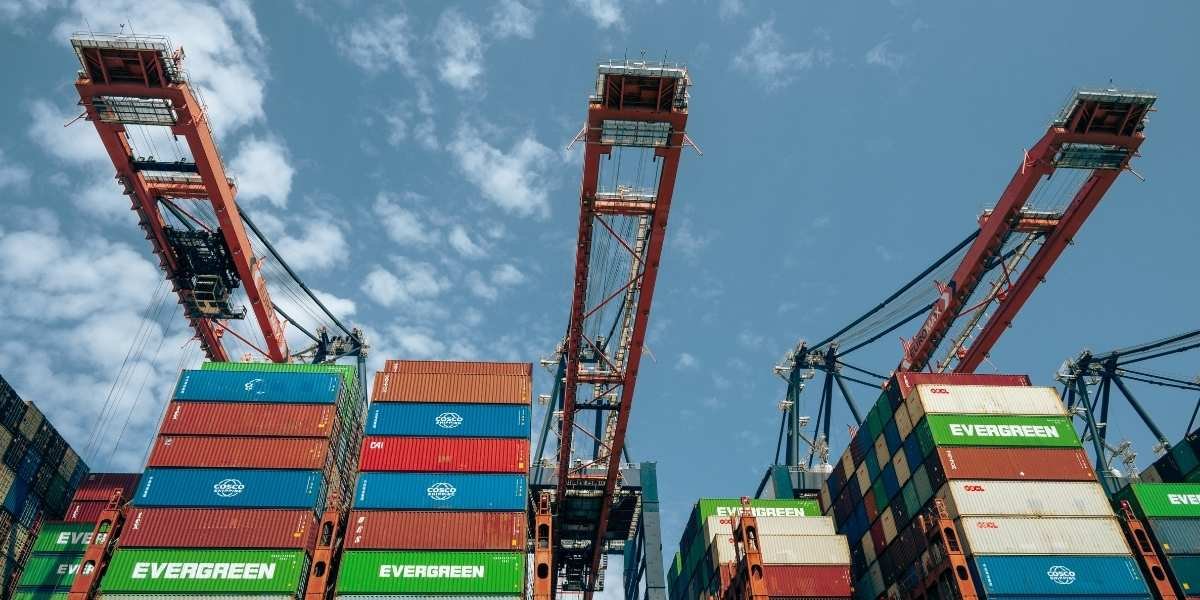
US Canada Tariffs 2026 drew renewed attention after Canada and Ontario announced C$8.7 billion in industrial support on October 21. The package covers steel, automotive manufacturing, and critical-mineral infrastructure. Although it does not change existing U.S. tariff rates, the announcement highlights potential implications for American automakers, suppliers, and vehicle buyers. Key Takeaways Canada and Ontario announced C$8.7 billion, approximately US$6.2 billion, in industrial support commitments on October 21, 2026 The package includes C$5.22 billion for steel-related initiatives and C$2.5 billion for automotive manufacturing projects Vehicles and automotive components face different tariff treatment depending on their origin and applicable trade rules Canada’s Parliamentary Budget Officer estimates that recent trade measures raised the average effective U.S. tariff rate on Canadian imports from 5.3% to 7.7% Potential effects on U.S. manufacturing costs and vehicle prices remain uncertain Canada’s industrial support package comes as manufacturers on both sides of the border continue adjusting to changes in trade rules and production costs. The announcement outlines additional support for Canadian industries, particularly steel and automotive manufacturing. It does not establish immediate changes to U.S. vehicle prices, supplier contracts, or factory operations. However, the measures may become relevant to American businesses that source materials or components from




AI Data Center Expansion Prompts New Utility Cost Safeguards
AI data center expansion is prompting utilities and regulators to adopt new cost protections, according to an industry analysis. Independent research associates earlier facility growth with higher electricity rates, while federal forecasts show further price increases. Decisions in Michigan, Ohio and Virginia illustrate how household bills could be affected. Key Takeaways A report highlighted more than 20 data center proceedings decided in 16 states during 2025 and 2026 Lawrence Berkeley National Laboratory estimates data centers could use 11.8% of U.S. electricity by 2030 in its reference scenario Federal forecasters expect residential electricity prices of 18.2 cents per kilowatt-hour in 2026, up from 17.3 cents in 2025 A June study associated earlier data center openings with a 2.1% increase in residential electricity prices Michigan approved a 20-year Google electricity agreement with an 80% minimum billing commitment New contracts are turning estimates of electricity demand into enforceable payment obligations. When Michigan approved power agreements for a Google facility on October 1, Michigan Public Service Commission Chair Dan Scripps said the safeguards would ensure that “other customers aren’t subsidizing this large addition to the state’s energy grid.” AI Data Center Expansion Brings New Cost Safeguards Charles River Associates reviewed more than 20 regulatory








U.S. Wind Turbine Trade Review Targets Import Supply Chains
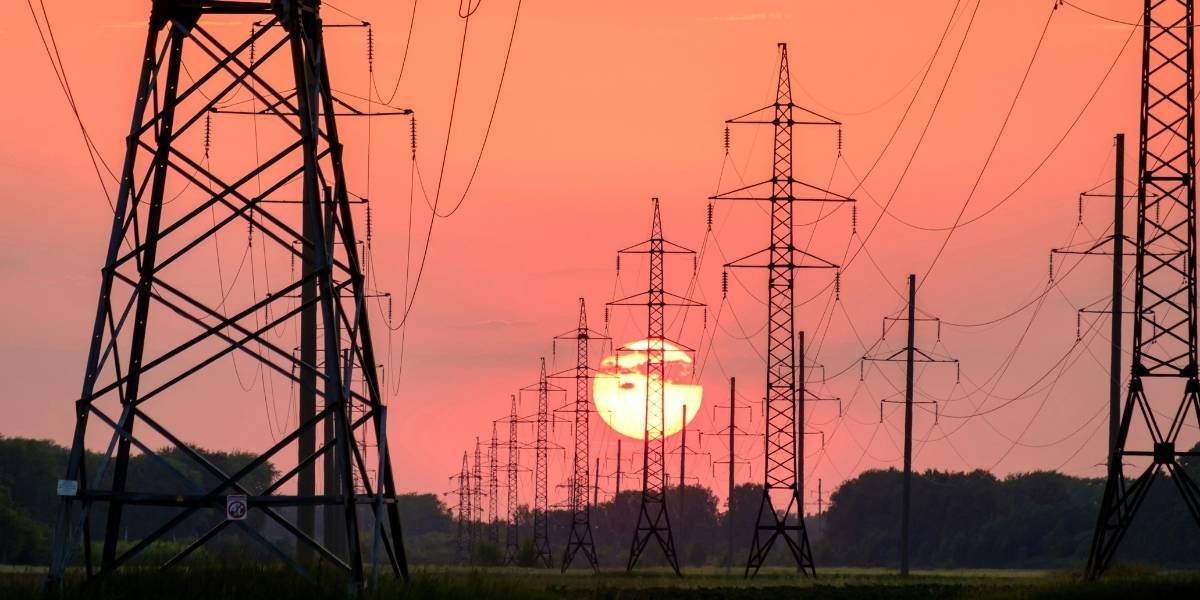
U.S. trade officials have been directed to negotiate with foreign trading partners over wind turbine imports following a national security review. The directive establishes a 180-day reporting deadline for the negotiations but does not immediately impose tariffs or other import restrictions, leaving the scope of any subsequent trade measures undetermined. Key Takeaways U.S. trade officials have been directed to negotiate with foreign partners over wind turbine imports. The directive follows a national security review of imported wind turbines and related equipment. Officials must report on the negotiations within 180 days. The directive does not immediately impose new tariffs or import restrictions. Any subsequent trade measures will depend on the negotiations and further policy decisions. U.S. Wind Turbine Trade Policy Enters a New Negotiation Phase U.S. trade officials have been instructed to engage foreign trading partners over wind turbine imports following a national security review of the equipment. The directive establishes negotiations as the next step in the review process and requires officials to report on their progress within 180 days. The action concerns imported wind turbines and related equipment used in the U.S. wind energy supply chain. The immediate policy change is the start of trade negotiations, rather than the

IMF Identifies Financial Stability Risks Across Global Markets
The International Monetary Fund (IMF) identified vulnerabilities in sovereign debt markets, nonbank financial institutions and AI-related asset valuations

U.S. Services Growth Slows as Price Pressures Increase
U.S. services activity continued to expand in September, although the pace of growth moderated as businesses reported stronger

Neel Kashkari Sees More Fed Rate Hikes Ahead Into 2027
Minneapolis Federal Reserve President Neel Kashkari said he expects additional interest-rate increases may be needed into 2027, while remaining undecided about whether the central bank should raise rates at its October 27–28 meeting. Kashkari’s September projections included another quarter-percentage-point increase before the end of 2026 and an additional increase in

Bank of America Adds AI Analytics to Corporate Treasury
Bank of America has introduced Payments Insights, an AI-powered feature for corporate treasury teams using its CashPro platform. The tool analyzes payment activity, cross-border transactions and working-capital performance, giving businesses data-based insights into financial operations and payment efficiency through the bank’s corporate banking technology. Key Takeaways Bank of America launched

U.S. Jobless Claims Fall to 197,000 in Latest Report
U.S. jobless claims fell to 197,000 for the week ending September 19, according to the Labor Department, marking the lowest level since mid-July. The decline came as layoffs remained limited, providing a fresh reading on labor-market conditions ahead of the next monthly employment report. Key Takeaways Initial unemployment claims fell

U.S. Critical Minerals Strategy Faces Refining Gaps
U.S. efforts to strengthen critical-mineral supply chains have reduced China’s share of rare-earth refining, but China’s broader position in mineral processing remains strong. International Energy Agency data cited in a September 15 report showed China’s average share of non-rare-earth critical-mineral refining increased from 70% in 2023 to 72% in 2025.

U.S. Producer Prices Rise 5.4%, Raising Fed Rate Hike Bets
U.S. producer inflation accelerated in August, with prices for final demand rising 0.4% from July and 5.4% over the previous 12 months, according to the Bureau of Labor Statistics. The report increased market expectations for a Federal Reserve rate hike at the central bank’s September 15–16 meeting, placing greater attention

Anthropic AI Economy Model Maps GDP and Job Risk by 2030
Anthropic AI Economy Model puts a sharp 2030 trade-off into view: U.S. output rises in every scenario the company modeled, while knowledge-worker pay and employment outcomes vary much more widely. The scenario explorer shows how GDP growth, job switching and wages can move in different directions as AI capability and

U.S. Services Input Costs Reach Highest Level Since 2022
U.S. services businesses reported a sharp increase in the prices they paid for inputs in August, with the Institute for Supply Management’s Services Prices Index reaching 72.6, its highest reading since August 2022. Services activity and new orders also strengthened, providing fresh data on business costs and inflation pressures. Key

Higher Rates Increase Pressure on U.S. Federal Debt Costs
U.S. Treasury borrowing costs are rising as federal debt and deficits remain elevated, with interest payments reaching about 3% of GDP. The development has increased attention on the relationship between higher interest rates, the annual budget deficit and the cost of servicing publicly held U.S. government debt. Key Takeaways The

U.S. Household Debt Falls to $18.8 Trillion in Q2
U.S. household debt stood at $18.8 trillion in the second quarter, according to the Federal Reserve Bank of New York. Mortgage balances declined, while auto loans, credit card balances and home-equity lines increased, providing a detailed snapshot of borrowing across major categories of consumer credit. Key Takeaways U.S. household debt

U.S. Job and Housing Markets Face Persistent Economic Pressure
U.S. labor data strengthened in August while housing demand remained constrained by elevated borrowing costs. Payrolls rose by 162,000 and unemployment held at 4.1%, but