Economic Insider

The Emergence of a New Knowledge-Based Economy Demands an Evolved Perspective on Immigration


The global economic landscape has undergone a profound transformation in recent years, pivoting towards a knowledge-based economy. This new economic paradigm, fueled by advancements in technology and a heightened emphasis on intellectual capabilities, starkly contrasts traditional economies that relied heavily on physical labor and natural resources. At the heart of this shift is the burgeoning importance of human capital — a resource becoming increasingly vital for nations aiming to maintain competitive edges in innovation and technology.

The emergence of the knowledge-based economy brings with it a compelling argument for reevaluating and reshaping immigration policies worldwide. Traditional views on immigration, often grounded in the needs of a bygone industrial era, are proving inadequate for addressing the complexities and demands of this new economic environment. 

In a world where the exchange of ideas and specialized skills sets the foundation for progress and growth, “the ability to attract and retain skilled immigrants is no longer just a policy option, but a necessity,” urges Carlos Colombo, attorney and founder of Colombo & Hurd, PL

Understanding the knowledge-based economy

The knowledge-based economy — a term popularized by business management consultant Peter Drucker — emphasizes the essential role of human capital in the 21st-century economy. This economy is characterized by its reliance on computerization, big data analytics, automation, and intellectual capital over traditional production processes. 

A knowledge-based economy marks a significant shift from those dependent on unskilled labor and physical goods production to those dominated by service industries requiring higher levels of thinking and data analysis. This shift is also reflected in the increasing value of intangible assets, such as patents, copyrights, and proprietary software, over physical assets like land or manufacturing equipment​​.

The knowledge economy supports and is fueled by innovation, research, and rapid technological advancement, with a workforce that is highly computer-literate and skilled in creating business and financial models. This necessity for constant innovation also leads to a significant portion of company resources allocated to research and development projects. The interaction between research centers, universities, think tanks, and businesses plays a critical role in this dynamic environment​​.

One of the critical features of the knowledge economy is the increased importance of intellectual capital, comprising human capital, customer capital, and structural capital. Intellectual capital is the intangible value of an organization, encompassing aspects like employee skills, customer relationships, and intellectual property. 

Overall, the knowledge economy represents a paradigm shift in the global economic landscape, highlighting the growing importance of knowledge, skills, and innovation. This shift necessitates a reevaluation of traditional economic models and policies, particularly in the realm of immigration, to attract and retain the intellectual talent essential for maintaining competitiveness in this new economic environment.

The current state of global immigration

In 2023, global immigration policies are experiencing significant shifts and challenges. Top migrant-destination countries have expanded enforcement-minded policies to limit access to asylum and stop unauthorized migration. 

For example, the United States implemented a new strategy to raise the bar for asylum at the US-Mexico border, and Italy is working on a deal to house asylum seekers in Albania. The EU has also engaged North African countries as gatekeepers to block irregular migration despite concerns about discrimination against sub-Saharan African migrants.

Additionally, migration patterns are evolving, with migrants often seeking second or third destinations, a trend influenced by COVID-19-related barriers lifting and ongoing economic ripple effects from the pandemic. This has highlighted mismatches between legal systems and actual migrant behaviors, as seen in the movements of Haitians across the Americas and Venezuelans setting their sights on North America.

“These changing dynamics in global migration highlight the need for updated and more responsive immigration policies that can accommodate the evolving nature of global movement and address the challenges of integration and legal frameworks​,” notes Colombo.  

The economic imperative of skilled immigration

Skilled immigration plays a vital role in fostering economic growth and innovation in the knowledge-based economy. Immigrants bring diverse skills and perspectives crucial for creativity and problem-solving, driving technological advancements and business growth. Economies benefit from the influx of talent in several ways, including filling skill gaps in the labor market, increasing productivity, and contributing to a dynamic and competitive business environment.

Moreover, skilled immigrants often establish businesses, creating jobs and stimulating economic activity. They also contribute to the development of new products and services, enhancing the global competitiveness of their host countries. Their participation in the workforce can lead to higher wages and improved living standards for all.

Given these contributions, countries with proactive, skilled immigration policies can harness these benefits to bolster their economic strength and adaptability in the rapidly changing global market. “Skilled immigration is not just beneficial but essential for economic sustainability and growth in today’s knowledge-driven global economy,” Colombo explains.

Countries proactive in adapting their immigration policies to the demands of the knowledge-based economy will be better positioned to harness the benefits of skilled immigration. This adaptation is not just advantageous but essential for sustained economic growth and global competitiveness in today’s knowledge-driven world. 

“It’s clear that immigration policies must evolve in tandem with the economic landscape, ensuring that nations can effectively tap into the vast potential of skilled immigrants,” Colombo says.’

Published by: Nelly Chavez
Heartbeat of Resilience: The Inspiring Journey of a Bangladeshi Author and Cardiologist

In the vast tapestry of medical miracles and human endurance, few threads are as vibrant and compelling as the life story of a Bangladeshi invasive cardiologist who set foot on American soil with nothing but dreams at the age of eighteen. Today, he stands as a testament to resilience, a beacon (though not in the clichéd sense) for those facing insurmountable odds. His journey from an ambitious young man working odd jobs by night and attending school by day, to an accomplished cardiologist revered in both his homeland and his adopted country, is not just inspiring—it’s transformative.

Arriving in the United States with no financial support could have been a deterrent for many, but for this doctor, it was merely another challenge to overcome. Fueled by an unwavering faith— “God is constantly with me,” he often says—he embarked on a journey that would take him through the realms of emergency medicine and internal medicine before finally realizing his true calling in cardiology. Alongside his professional aspirations, he carried a profound desire to make a statement against discrimination.

His academic journey was fraught with hurdles. Despite excelling in graduate and medical school in New York, familial responsibilities led him away from a neurosurgery residency program towards emergency medicine and internal medicine combined residency programs. Yet, this redirection did not deter his spirit; instead, it paved the way for his greatest interest—cardiology.

But what truly sets this cardiologist apart is not just his clinical expertise or academic achievements; it’s his deep connection to his roots and community. A regular face on NBC TV as well as various Bengali shows in New York and Bangladesh, he uses these platforms not only to share medical knowledge but also to inspire others with his story. His contributions have been recognized widely; honors from the White House, US Senators, Congressmen, New York Highway police, leading physicians, and esteemed publications adorn his mantlepiece.

“Awards give me inspiration to do more hard work but most inspiration I get from the love of my patients,” he remarks humbly. This sentiment echoes the essence of healthcare—compassion—and reflects why patients flock to him not just for treatment but for hope.

Beyond medicine, he finds solace and inspiration within his family—his wife Farjana, daughters Laiba and Kaysan—who are pillars of support through thick and thin. Laiba’s presence is especially motivating; her belief in her father fuels his determination further.

His literary contribution—”The Road to Love and Redemption”—co-authored with insights from his son Kaysan alongside their shared experiences around social injustice intertwined with gripping crime narratives has touched many lives beyond just medical circles.

One might wonder why people should choose him as their cardiologist? It goes beyond mere medical proficiency. It’s about choosing someone whose life embodies resilience; someone who understands pain not just clinically but personally; someone who has fought every day to be where they are—a survivor crafting miracles through medicine while advocating for equality.

Moreover, embracing “one heart one life” philosophy underlines everything he does—from treating patients with unparalleled dedication to engaging deeply with societal issues impacting health outcomes beyond hospital walls.

For those looking forward or seeking exceptional cardiological care imbued with compassion borne out of lived experiences battling adversities head-on should look no further than www.kaysanmorshed.com. Here lies not just a portal to top-tier healthcare but an invitation into the world seen through eyes that envision healing beyond physical confines—a world where each heartbeat echoes resilience against all odds.

Choosing this cardiologist means entrusting your heart to someone who knows its value far beyond its physiological functions—a custodian of dreams resiliently pursued amidst trials by fire; indeed, a true heartbeat of resilience offering hope amidst despair.

Published by: Martin De Juan

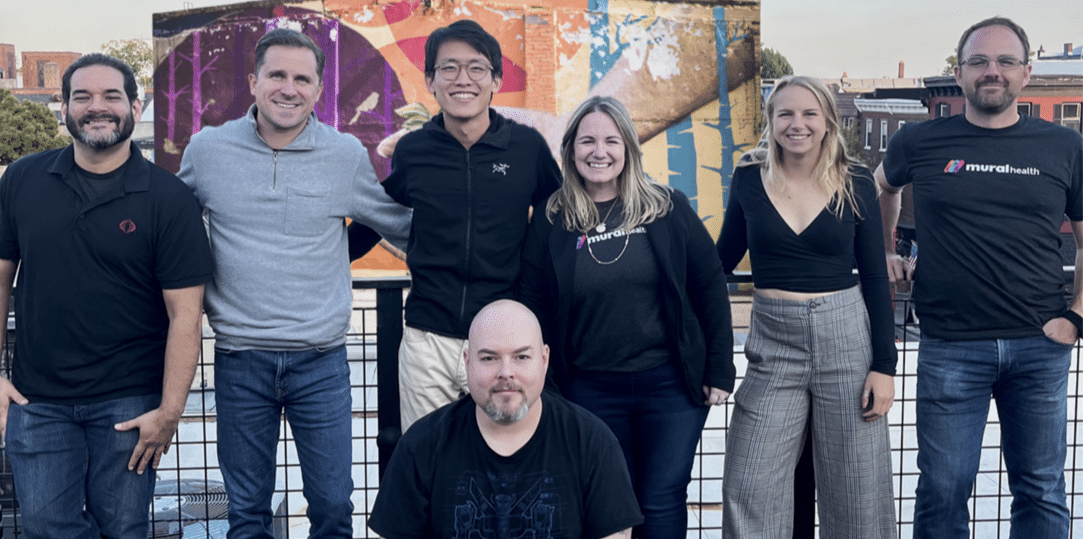
Crafting a Better Future for Clinical Trials: Sam Whitaker’s Visionary Leap from Greenphire to Mural Health

In the bustling suburbs of Philadelphia, a visionary named Sam Whitaker embarked on a quest to redefine how clinical trials interact with their most crucial component – participants. Sam’s roots trace back to the storied corridors of the University of Pennsylvania, an institution known for its blend of innovation and community service. This powerful combination fueled his aptitude to create something revolutionary in clinical trials.

Founding Greenphire in 2008, Whitaker pioneered the first participant payment technologies integrated into clinical trials. Yet, his most significant endeavor lay ahead with the inception of Mural Health. The launch of the Mural Link product marked a significant milestone; it harbored the potential to introduce next-generation participant payment technology, promising to add value for participant’s study sites and sponsors alike.

Portrait Project: Re-envisioning the Clinical Trial Landscape

Amidst the vast sea of scientific progress lies an untold story of humanity – one that Mural Health’s Portrait Project seeks to illuminate. We often celebrate technological breakthroughs without recognizing the faces and stories behind them. This heartfelt initiative sets out to narrate the experiences of patients, families, doctors, and researchers involved in clinical trials. Their voices – filled with hope, determination, and tenacity – constitute the heartbeat of medical advancement.

Mural Health addresses a critical oversight in the industry by focusing on diversity and inclusion. With Sam Whitaker at the helm, the company seeks to dismantle barriers hindering over 90 million Americans from participating in clinical trials. The obstacle? Tax regulations inadvertently prevent low-income individuals from participating in research that could save or transform their lives.

Mural Health’s Innovative Solution

Mural Health’s crusade doesn’t end with raising awareness. The company proposes a bold solution – make payments to clinical trial participants tax-free and do away with the reporting requirements. Such a change stands to:

  1. Empower a vast yet underrepresented U.S. population to join clinical trials.
  2. Enhance the drug development process, ensuring that the medicine serves everyone effectively post-approval.

Sam’s expertise, drawn from his time at Greenphire, positions Mural Health uniquely to steer this transformation. The company’s vision extends beyond the present, aiming to leave an indelible mark on the fabric of healthcare and research, manifested through improved experiences for all clinical trial stakeholders.

A Canvas of Hope and Innovation

The Portrait Project doesn’t just document stories; it illustrates success vividly and viscerally. Each narrative is a testament to the profound impact of Mural Health’s technology, weaving an emotional connection that resonates with every participant, clinician, and reader.

The Artistry Behind Mural Link

At the heart of Mural Health’s innovation is the Mural Link, a payment platform designed with a deep understanding of the clinical trial participant’s needs:

  • Next-generation technology provides secure, hassle-free payments.
  • Reduces administrative workload for clinical sites.
  • Delivers valuable data insights for sponsors, leading to more informed decisions.

Painting a New Picture in Clinical Trial Participation

Mural Health’s technology has rippled through the clinical trials industry, reimagining participant engagement and retention. Mural Link’s sophisticated yet straightforward payment system fosters a focus on patient care and trial efficacy. The platform sets new benchmarks, leading the way for others in the sector.

Human Faces of a Digital Revolution

Every stroke of Sam Whitaker’s ambition brings forth change laden with humanity. To tell Mural Health’s story is to narrate a saga where technology meets compassion:

  • Anecdotes of individuals whose lives took a turn for the better are available, thanks to Mural Link.
  • Real-world impacts are illustrated through heartfelt participant testimonials.
  • Stories of medical triumphs are made possible by the seamless integration of Mural Health technology, fostering a sense of community and collective progress.

Sam’s story—his leap from Greenphire to Mural Health—is the relentless pursuit of innovation while keeping the human experience at the core. Mural Health isn’t merely painting a more inclusive and compelling picture of clinical trials; it’s crafting a future where every participant, narrative, and discovery finds its rightful place in a more equitable healthcare narrative.

Published by: Martin De Juan