Economic Insider

Nepali-Australian Businessman Benji Kushwaha’s Inspirational Success Story

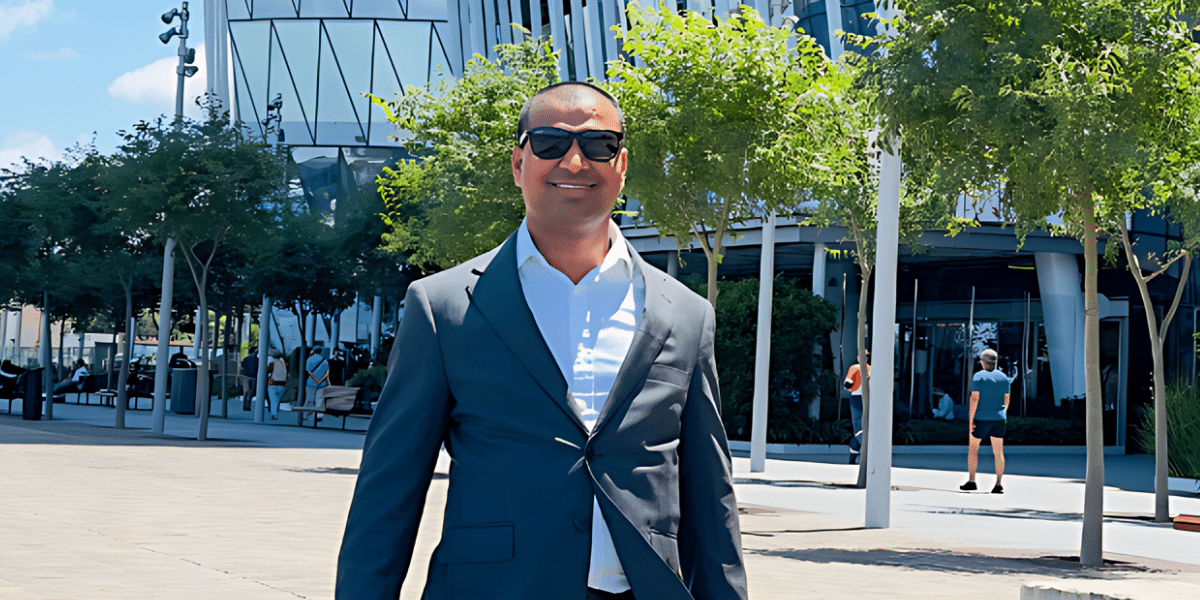
By: Joshua Finley

Growing up in Nepal, Benji Kushwaha had dreams like any other kid—but he never thought his dreams would take him to Australia. “My parents wanted me to have the best education I could,” he shares. Sixteen years ago, he moved to Australia for college, seeking to immerse himself in diverse fields of study. Little did he know that this move would lay the groundwork for his future ventures—founding commercial cleaning enterprise White Spot Group and nonprofit The Wisdom Tree International Foundation. 

From Dreams to Reality

Over a decade ago, Benji founded White Spot Group, a company that has since become synonymous with excellence in commercial cleaning and facility management in Australia. With a growing client base and strategic partnerships, White Spot Group offers a variety of services tailored to meet the evolving needs of industries such as commercial, industrial, strata and educational institutions.

As the founder of White Spot Group and investor of several other businesses, real estate and business growth, Benji’s leadership philosophy revolves around prioritizing people, both his employees and customers. “It’s not just about the financial aspect of a business,” he shares. “You have to prioritize your people and invest in their growth. Set them up to thrive!” This ethos is carried out by providing his employees with opportunities for self-development through training programs. This philosophy has led him to find success investing in real estate as well as his other business ventures.

Through these training programs, Benji also instills strong customer service skills in his employees. His goal is to provide clients with excellent services, trust, and reliability. “Clients want to work with you when they feel like they are in the right hands,” he says. By embracing transparency, Benji ensures his clients feel secure and confident in their partnership with White Spot Group. Whether openly discussing pricing structures, detailing project timelines, or addressing any concerns head-on, Benji fosters an environment where honesty is valued and transparency is the norm.

Nurturing Communities and Empowering Those in Need

Driven by a strong sense of social responsibility, Benji established The Wisdom Tree International Foundation. This nonprofit organization aims to empower disadvantaged individuals across Australia and beyond. Through diverse initiatives, from essential item distributions to educational support, the foundation works to uplift communities and foster inclusivity. 

“Our goal is to reach those in need,” he shares, highlighting the foundation’s focus on education, mental health awareness, and holistic well-being. Recognizing the challenges disadvantaged or marginalized groups face, The Wisdom Tree International Foundation empowers and uplifts by providing access to education and skill development programs and offering assistance with basic needs such as food and shelter. 

A Glimpse into the Future

Looking ahead, Benji’s aspirations extend beyond business success. With a focus on benevolent relief and advancing the public and community support, he seeks to make a tangible difference in the lives of those in need. Through strategic partnerships and targeted initiatives, he aims to foster well-being and resilience in Australia.

Benji Kushwaha’s journey exemplifies the power of perseverance, compassion, and visionary leadership. As he continues to bridge communities and nurture innovation, his legacy of impact will endure for generations to come.

Learn more about White Spot Group by visiting their website at WhiteSpotGroup.com.au and The Wisdom Tree International Foundation by visiting twtintlFoundation.org.

Published by: Martin De Juan

Mastering Competitive Real Estate Markets

In a competitive real estate market, maximizing your investment requires strategic planning, careful consideration, and a proactive approach. Whether you’re buying, selling, or investing in properties, navigating a competitive market can be challenging but also rewarding. In this article, we’ll explore some key strategies for real estate success in a competitive market, from identifying lucrative opportunities to negotiating effectively.

Understanding Market Trends: Knowledge is Power

One of the first steps to success in a competitive real estate market is understanding the current trends and dynamics at play. This involves researching market data, analyzing property values, and staying informed about local economic factors that may impact the real estate market. By understanding market trends, you can identify emerging opportunities and make informed decisions that maximize your investment potential.

For real estate investors like Denis Rusov, staying abreast of market trends is essential for success. By monitoring market conditions and identifying areas of growth and opportunity, Denis can strategically allocate his resources and capitalize on lucrative investment opportunities in a competitive market.

Identifying Undervalued Properties: The Art of Finding Hidden Gems

In a competitive market, finding undervalued properties can be the key to maximizing your investment. These properties may require some renovations or upgrades but have the potential to yield significant returns in the long run. By conducting thorough research and networking with local real estate professionals, you can uncover hidden gems that others may overlook.

For Denis Rusov, identifying undervalued properties is a cornerstone of his investment strategy. By leveraging his knowledge of the market and his network of contacts, Denis can identify properties with untapped potential and negotiate favorable deals that maximize his investment returns.

Building Relationships with Industry Professionals: Networking for Success

Networking with industry professionals is another valuable strategy for real estate success in a competitive market. By building relationships with realtors, lenders, contractors, and other professionals, you can gain access to insider knowledge, off-market listings, and valuable resources that can give you a competitive edge.

For real estate investors like Denis Rusov, networking is an integral part of his success. By cultivating strong relationships with local real estate professionals, Denis can tap into a wealth of expertise and opportunities that help him achieve his investment goals in a competitive market.

Offering Competitive Terms: Standing Out in a Crowded Market

In a competitive real estate market, offering competitive terms can help you stand out from the competition and secure desirable properties. This may involve making a strong initial offer, offering flexible closing dates, or being willing to waive certain contingencies to make your offer more attractive to sellers.

For Denis Rusov, offering competitive terms is a key strategy for success in a competitive market. By positioning himself as a serious and reliable buyer, Denis can increase his chances of securing properties in a competitive market and maximize his investment potential.

In summary, success in a competitive real estate market requires strategic planning, diligence, and a proactive approach. By understanding market trends, identifying undervalued properties, building relationships with industry professionals, and offering competitive terms, you can maximize your investment potential and achieve your real estate goals. Whether you’re buying, selling, or investing in properties, these strategies can help you navigate the challenges of a competitive market and emerge victorious in your real estate endeavors. With the right approach and determination, you can turn the competitive real estate market into a lucrative opportunity for success.


Published by: Khy Talara

Sebastien Lagree and the Rise of Lagree Fitness

By: Samantha Green

In the competitive and ever-evolving world of fitness, innovation is the key to success and sustainability. Sebastien Lagree, the French fitness instructor turned revolutionary entrepreneur, exemplifies this through his creation of the Lagree Fitness Method, a regimen that has not only gained worldwide acclaim but also reshaped the landscape of modern fitness routines. As the CEO of Lagree Fitness, Sebastien’s journey from aspiring actor to fitness mogul is a tale of creativity, adaptability, and strategic vision.

Sebastien Lagree’s story begins in the late 1990s when he moved from France to Los Angeles to pursue an acting career. However, life had different plans, and his striking physique often led people to assume he was a fitness trainer—a role he eventually embraced out of necessity and burgeoning passion. This pivotal decision led him to the creation of the Lagree Fitness Method, a high-intensity, low-impact workout that significantly diverges from traditional Pilates, a method developed by Joseph Pilates during World War I.

Joseph Pilates introduced Contrology, which emphasized mind-over-body exercises derived from yoga but stripped of its spiritual elements. This method was meant to rehabilitate injured soldiers through low-intensity movements that engaged small muscle groups. Pilates eventually moved to America and established his own studio, but it was not until after his death that his techniques became widely popularized as Pilates.

In contrast, Sebastien Lagree’s method evolved from a unique blend of circumstances. Initially agreeing to teach Pilates in exchange for gym space, Sebastien quickly identified a gap in the market. His clients were seeking more rigorous workouts that Pilates could not provide. This led to the inception of the Lagree Fitness Method, which combines the principles of muscle endurance and time under tension with high-intensity, low-impact exercises, distinctly setting it apart from Pilates.

While Pilates focuses on slow, controlled movements aimed at strengthening and stabilizing core muscle groups, Lagree Fitness pushes the boundaries by incorporating strength, cardio, and flexibility training into a cohesive, intense workout that maintains a continuous heart rate elevation. Sebastien Lagree’s innovative approach includes the design of specialized machines like the Megaformer and Microformer. These are advanced versions of the traditional Pilates reformer and are equipped with features that facilitate quick transitions and varied, intense exercises that are not possible with conventional Pilates equipment.

The Microformer, for example, reflects Sebastien’s vision of making high-intensity workouts accessible at home, resonating well with the contemporary shift towards in-home fitness solutions, especially post-pandemic. Unlike a traditional Pilates reformer, which includes headrests and a set of cables, Lagree’s machines feature spring-based resistance systems with multiple anchoring points, supporting a diverse range of movements that challenge the entire body in a fluid sequence.

Today, Lagree Fitness is a global phenomenon, with the method being practiced in over 600 studios worldwide. This growth is supported by more than 180 patents, emphasizing Sebastien Lagree’s commitment to innovation and intellectual property. Moreover, the Lagree method’s popularity underscores a significant shift in fitness culture, from traditional, slower-paced workouts to dynamic, results-oriented routines that cater to the modern exerciser’s needs.

Sebastien Lagree and the Rise of Lagree Fitness

Photo Courtesy: Lagree Fitness

Despite the confusion sometimes arising from the similarities between Lagree equipment and the Pilates reformer, the methods are inherently different. Lagree’s focus on high-intensity, muscle-quaking exercises that keep the heart rate up and the transition time minimal offers a clear alternative to the more methodical and restorative nature of Pilates.

Sebastien Lagree’s transformation from a hopeful actor to a fitness innovator is not just a story of personal success but also an inspiring example of how perceptive entrepreneurship, coupled with a genuine desire to fill a market gap, can lead to substantial industry advancements. As fitness trends continue to evolve, the legacy of Sebastien Lagree’s contributions will undoubtedly endure, reshaping how we think about strength, endurance, and the very nature of exercise.

Published by: Holy Minoza