Economic Insider

Why You Should Reduce Your Power Consumption before Getting Solar

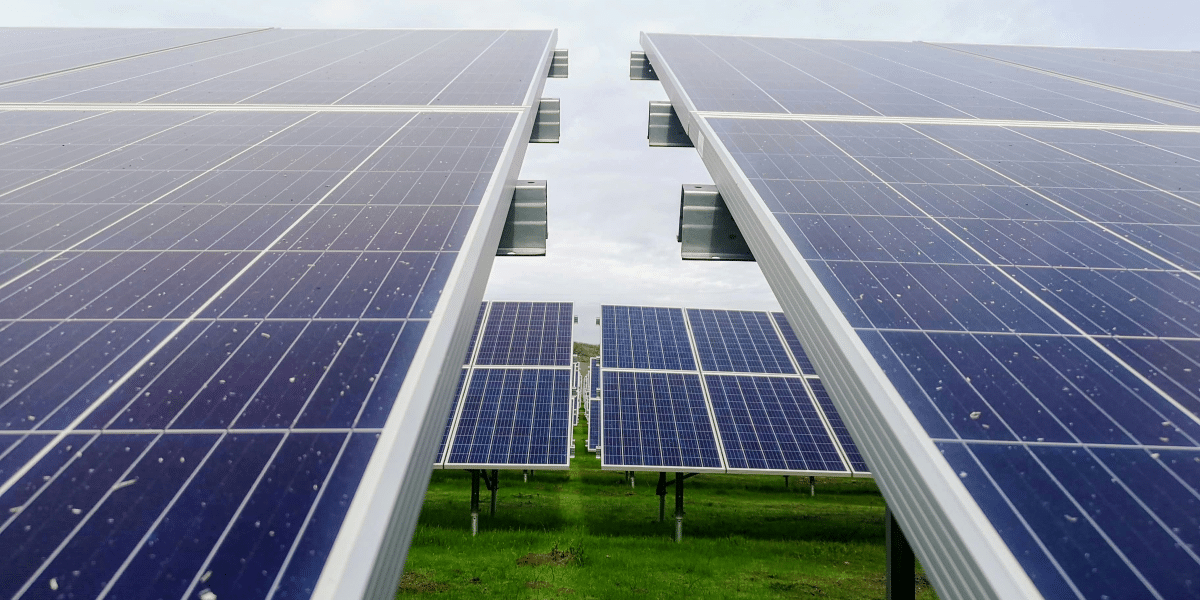
By: PowerStore

Installing a solar power system is a great way to switch to renewable energy and cut down or even eliminate your power bill. With that in mind, many people don’t see much purpose in worrying about just how much energy you’re using—after all, why worry when you don’t have to pay the utility company for it? However, it’s a good idea to cut down on your power consumption even before you install that solar power system. Why? Keep reading to find out.

Reduced Equipment Costs

The more power you use on a daily basis, the larger your solar power system needs to be. You’ll need more panels, a higher-capacity inverter, and if you’re installing solar batteries, a larger battery bank. By taking the time to change your habits and reduce your power consumption, you can reduce the size of the system you need to install, making it much more affordable for you. Of course, you’ll need to maintain those good habits once your system is installed to ensure that you’re not using more power than your system can provide. So, make sure you take the time to really cement those habits before buying the equipment for your system.

More Reliable System Performance

Once you get those habits firmly established and your solar power system installed, you’ll reap the benefits of more reliable system performance. By keeping your energy needs relatively low on a daily basis, you’ll worry less about running out of power, draining your batteries, and all the other potential concerns that arise when switching power supplies. With steady and reliable power and low power consumption, you can switch to solar without worry.

How to Reduce Your Energy Consumption

So now that you understand why you should reduce your power consumption, you might be wondering exactly how to do that. Here are a few tips that can help:

1. Conduct an Energy Audit: The best way to start is to work your way through the home and identify areas where you might be losing energy. This can include windows and doors that don’t seal well, appliances that aren’t energy efficient, and systems that need a tune-up.

2. Upgrade Insulation and Windows: If your audit reveals that your insulation and windows aren’t energy efficient, upgrade them to cut down on the amount of energy needed to heat and cool your home.

3. Use Energy-Efficient Appliances: If your appliances are old and outdated, replace them with Energy Star-rated models. This can significantly reduce the amount of power that your appliances use on a daily basis.

4. Seal Leaks and Drafts: After your audit, if you find drafty windows, doors, and other entry points, make sure to seal them up with caulking and weatherstripping.

5. Change Your Daily Habits: There are many daily habits you can alter that will help you cut down on your energy usage. Simple things like shutting off the lights when you leave a room, adjusting your thermostat a few degrees, and not turning on the TV as simple “background noise” can make a big difference.

Once you’ve adjusted your habits, you can purchase fewer solar panels and a smaller SMA Sunny Boy inverter, saving money in the long run.

Published by: Martin De Juan

Are You Working with the Right Wholesale Distributor?

By: indoff.com 

Finding a reliable wholesale business products distributor is priority number one for any business that relies on purchasing products in bulk to resell. The right distributor offers a steady supply of goods, competitive prices, and a strong partnership. However, the wrong distributor can lead to inventory issues, financial losses, and operational headaches. Here are 7 red flags to watch out for when selecting a wholesale distributor:

Lack of Transparency

Transparency is key when dealing with a wholesale distributor. If a distributor is unwilling to provide clear information about their pricing, inventory, or terms of service, it’s a significant red flag. A trustworthy distributor should be open about all aspects of their operations, including how they source their products and what their pricing structures are. Hidden fees or unclear terms lead to unexpected costs and complications down the line.

Poor Communication

Effective communication is essential in any business relationship. If a distributor is slow to respond to inquiries, fails to provide necessary information promptly, or is difficult to reach, major issues will likely ensue. Timely and clear communication is vital for ensuring orders are processed correctly and any problems are resolved quickly. Poor communication can lead to delays, misunderstandings, and lost sales.

Inconsistent Product Quality

Consistency in product quality is non-negotiable. If you notice the quality of products varies significantly from one shipment to the next, it’s a red flag. This inconsistency can harm your reputation and lead to customer dissatisfaction. Always request samples before committing to large orders and monitor the quality of products regularly.

Unverified or Dubious Reputation

A distributor’s reputation is a strong indicator of their reliability. Research any potential distributor thoroughly. Look for reviews, testimonials, and ratings from other businesses. If a distributor has a history of complaints, negative reviews, or unresolved issues, it’s best to steer clear. Additionally, be wary of distributors with little to no online presence or verifiable track record.

Unreliable Delivery Times

You’ve got to have timely deliveries to maintain adequate inventory levels and meet customer demand. If a distributor has a track record of late deliveries, missing shipments, or frequent delays, it can severely impact your business operations. Make sure your distributor can consistently meet your delivery requirements before establishing a long-term relationship.

No Return or Exchange Policy

A reputable distributor should have a clear and fair return or exchange policy. If a distributor does not offer any recourse for damaged or incorrect products, it puts your business at risk. Review the distributor’s return policy carefully to ensure you are protected.

Inflexible Payment Terms

Payment terms should be clear and reasonable. If a distributor demands upfront payment for all orders or has inflexible terms that do not align with your cash flow, it can strain your finances. Look for distributors who offer flexible payment options and terms that accommodate your business needs.

The Bottom Line

Choosing the right wholesale distributor is a decision that can impact your business’s success. By being vigilant and watching out for these red flags, you can avoid potential pitfalls and establish a strong, reliable partnership with a distributor.

Published by: Martin De Juan