Economic Insider

American Frat: Redefining Patriotism and Style for the Youth


In an era where fashion often intersects with cultural identity, a groundbreaking apparel brand emerges, crafting a novel narrative of patriotism and community. “The American Frat,” as it’s aptly named, is not just another clothing line but a vibrant movement celebrating the spirit of youth and patriotism within the United States. This initiative transcends mere aesthetics to embody a lifestyle and a clarion call for unity among the next generation.

Celebrating Patriotism and Brotherhood

At its core, The American Frat champions the celebration of young men who harbor a profound love for their country. It stands as a testament to camaraderie, style, and patriotism, carving out an exclusive niche where young men can boldly express their national pride in style. Beyond offering fashionable attire, The American Frat cultivates a shared identity deeply rooted in American values, aiming to knit a tight-knit brotherhood amongst its patrons.

Behind this visionary brand is Corey Gibson, an entrepreneur known for his patriotic endeavors. Gibson’s earlier project, the America First P.A.C.T., laid the groundwork focusing on “America First” policies. However, The American Frat pivots towards a non-partisan stance; it aims to bridge political divides by emphasizing style and brotherhood and celebrating the American ethos.

Building a Community

The essence of The American Frat lies in its unique approach to community building. Far from being merely about clothing, it represents a broader movement that encourages young men to embrace their heritage with pride. Beyond garments, it fosters an active network of patriotic youths bonded by their love for America.

This burgeoning sense of belonging is further enhanced through strategic marketing that emphasizes lifestyle choices conducive to health and fitness. By advocating for physical well-being and mental acuity, The American Frat inspires young men towards holistic self-improvement, thereby nurturing well-rounded citizens prepared to contribute actively to society.

Encouraging Civic Engagement

The ambition of The American Frat extends into promoting social good. It leverages its growing platform to underscore the significance of democratic participation among youths. Through educational endeavors such as the American Frat-Youth Constitution initiative, it seeks to illuminate young minds about their civic rights and duties, highlighting this brand’s role in fashion and as a catalyst for positive societal change.

A New Standard in Fashion

Setting itself apart with sleek designs infused with patriotic motifs, The American Frat introduces an innovative paradigm in how young men can articulate their nationalism through fashion. Its offerings are not merely trendy but emblematic of deeper ideological convictions, marking a confluence of style and substance appealing to discerning individuals across broad demographics who yearn for apparel that resonates with their personal beliefs and aspirations.

Navigating Forward

As it charts its course forward, The American Frat stands at the cusp of making indelible marks on both the apparel industry and the societal fabric at large. By extolling youthful patriotism coupled with community-centric values and civic responsibility, this brand reshapes narratives around what it means to be stylishly proud Americans.

Corey Gibson’s envisioning of The American Frat as an inclusive banner rallying non-partisan patriotism while fostering education and unity amongst young men comes at an opportune moment—it answers today’s calls for cohesion amid diversity.

As momentum gathers behind this pioneering venture, it aims to evolve beyond branding. It heralds a dynamic movement poised to inspire future generations to embrace their national heritage with renewed vigor and pride.

In these times when division seems rife yet calls for unity echo louder than ever before, The American Frat is a beacon illuminating paths towards style-driven brotherhoods enshrined in unwavering pride for one’s country.

For those eager to join this avant-garde journey or simply explore what sets The American Frat apart, their digital doorstep welcomes you at www.TheAmericanFrat.com

Here lies an invitation not just to dress but to live out one’s patriotism draped in modernity yet bound by timeless values, a narrative redefining what it truly means to wear one’s heart on one’s sleeve or proudly emblazoned across one’s chest.

Published by: Martin De Juan

Why Some Americans Hesitate to Use Smart Home Systems

By: Zhang Shiyue

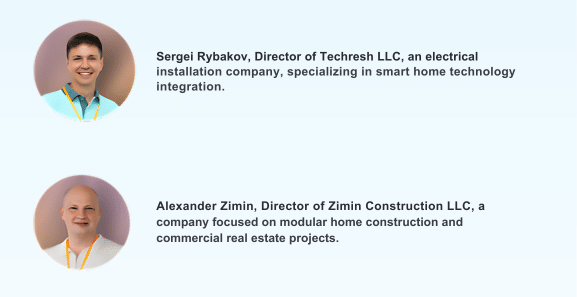
Smart home systems are becoming increasingly popular worldwide, offering numerous benefits, from automating household processes to enhancing security and energy efficiency. However, despite these advantages, many Americans are hesitant to adopt these technologies in their homes. To understand why this is happening and what can be done to change the situation, we spoke with two experts: Sergei Rybakov, Director of Techresh LLC, and Alexander Zimin, Director of Zimin Construction LLC.

High Cost of Installation and Maintenance

One of the main reasons why Americans are reluctant to install smart systems in their homes is the high cost of these technologies. Installing smart devices requires significant financial investments, including purchasing the devices themselves and paying for the services of qualified specialists.

“In the U.S., the pay for such specialists is among the highest in the world,” comments Sergei Rybakov. “The average hourly rate for an electrician in the U.S. is around $50-100, depending on the region and level of expertise. This significantly increases the overall costs of installing smart systems, especially considering the work can take several hours or even days.”

Alexander Zimin adds, “Many people are simply unwilling to figure out and assemble a smart home on their own. Of course, you can buy components on Amazon or eBay and build a system yourself based on Alexa, Google Home, or Apple HomePod. This would be much cheaper but requires certain knowledge, skills, time, and desire. Some Americans lack the motivation to delve into this.”

Solutions

There are several potential solutions to reduce these costs. Government support through subsidies and grants for installing smart systems can significantly reduce the financial burden on consumers. Continued development and production of more affordable devices and creating a competitive environment among manufacturers will also help lower prices. “Conducting educational programs and courses for specialists can also help reduce service costs by increasing the supply of qualified professionals,” adds Sergei.

Issues with Rental Housing

Many Americans live in rented apartments and houses. Renters are generally reluctant to invest in improving properties they don’t own, and landlords may not approve significant changes to the infrastructure.

“This makes installing smart home systems in rental properties challenging,” explains Sergei Rybakov. “The solution to this problem lies in developing mobile smart devices that do not require significant changes to the infrastructure, as well as implementing programs and tax incentives for landlords who install smart systems in their properties.”

Alexander adds, “There are remote devices that don’t require installation into the electrical system, such as access control systems, security systems, and lighting control systems. This can be a convenient solution for rental housing.”

Housing as an Investment

For many Americans, housing is an investment. They spend money on improvements that increase the property’s value. Smart systems don’t always increase a home’s market value, especially if buyers aren’t familiar with these technologies.

“Information campaigns aimed at raising buyers’ awareness of the benefits of smart homes can change this situation,” says Sergei. “Additionally, introducing standards and certifications for smart homes can make them more attractive in the real estate market.”

Need for Permits

Any significant modification to a home in the U.S. requires obtaining special permits. This includes installing smartsystems, especially replacing electrical wiring or altering the building structure. The permitting process can be lengthy and costly, which increases expenses and deters many people.

“Simplifying and speeding up the permitting process for installing smart systems can help reduce time and costs,” believes Sergei. “Lowering requirements for installing certain types of smart devices that don’t require significant changes to the infrastructure can also simplify their adoption.”

Habits and Prejudices

Many people are simply accustomed to traditional ways of managing their homes and don’t see the need for new technologies. Additionally, there are concerns about the security of smart systems – fears of hacking and data breaches.

“Educational programs and training can show users how to use smart technologies and how beneficial they can be,” explains Sergei. “Moreover, developing and implementing more reliable security systems for smart devices can minimize risks and alleviate concerns.”

Alexander agrees: “Very few people are willing to delve into and assemble a smart home themselves. For most, hiring a team of specialists is easier, but this significantly increases the cost. We are currently implementing a project where just the setup and adjustment of a smart home costs $300,000. That’s more than the cost of a small home in some states.”

Expert Opinions and Insights

Alexander Zimin shares his perspective on why smart homes are not more widespread:

“Most people aren’t willing to figure out and assemble a smart home themselves. If you want a smart home, you have two options: buy components on Amazon or eBay and build it yourself, or hire a team to do it for you. While DIY solutions can be cost-effective, they require knowledge, skills, and time that most people don’t have.”

“For example, in one of our current projects, the total cost of equipment is less than $10,000. High-quality switches with smart home functions might only be $10 more expensive than regular ones. However, the setup, adjustment, and maintenance can add up to $50,000, and we are currently working on a project where the setup alone costs $300,000. In many states, you could buy a house for that amount.”

“Smart devices also need to be certified in the U.S., which adds complexity and cost. And while smart devices can save energy and enhance convenience, they require a significant investment to install and maintain.”

Sergei Rybakov also notes the challenges:

“Smart home systems are more justified in premium segments where the cost can be offset by significant savings on heating and cooling. For smaller homes or rental properties, the cost savings on electricity might not justify the investment.”

Sergei continues, “There is also a lack of motivation among many Americans to understand and manage these systems. For most, hiring a team of specialists is easier, which again drives up costs. Simplifying user interfaces and providing better education on the benefits of smart homes could help bridge this gap.”

Final Thoughts

Smart home systems have enormous potential, but they remain out of reach for many Americans. High costs, issues with rental housing, using real estate as an investment, the need for permits, and user habits – all these factors hinder the widespread adoption of smart technologies.

However, according to recent data, the smart home market continues to grow. In 2023, the market valuation of global smart homes was $100.42 billion, and by 2025, the number of homes using smart devices is expected to reach 478.2 million. Despite slower growth rates in some segments, such as smart speakers and networked video entertainment devices, the overall number of devices like Alexa, Google Assistant, Siri, and Google Home is projected to exceed 5.5 million by 2030.

“To ensure more Americans appreciate the benefits of smart homes and decide to implement these systems in their residences, we need to continue working on reducing costs, simplifying procedures, and raising user awareness,” concludes Sergei Rybakov.

Why Some Americans Hesitate to Use Smart Home Systems

Photo Courtesy: Sergei Rybakov / Alexander Zimin


Published by: Khy Talara