Why Shopping Local at Three Rivers Market Feels Good and Does Good


Grocery shopping is like a weekly ritual for most of us, a necessary task to keep our pantries and fridges stocked. But have you ever stopped to think about the impact of your purchases? Where does your money go? Who benefits from your weekly grocery haul? Many of us yearn for a different kind of shopping experience, one that connects us to our food, our neighbors, and the place we call home. We want to know that our dollars are supporting local farmers and businesses, not just lining the pockets of big corporations and shareholders. We crave a sense of community and shared purpose, a reminder that our choices matter.
This is where co-op grocery stores like Three Rivers Market come in. These community-owned businesses offer a refreshing alternative to the impersonal world of corporate retail, proving that a different economic model is not only possible but also beneficial. Three Rivers Market embodies this spirit, demonstrating how a grocery store can be more than just a place to buy food. It can be a catalyst for positive change, enriching the lives of its members and the community at large.
The Co-op Difference: More Than Just Groceries
While the shelves of a co-op may look similar to those of a conventional supermarket, the underlying structure is vastly different. Co-ops are owned and operated by their members, who have a say in how the business is run. This democratic model fosters a sense of community and shared responsibility, creating a unique shopping experience.
- Ownership: Unlike traditional grocery stores owned by corporations or individuals, co-ops are owned and operated by their members — the very people who shop there. This democratic model fosters a sense of shared responsibility and ensures that the store’s priorities align with the needs and values of the community.
- Decision-Making: Members have a say in how the co-op is run. They elect a board of directors who oversee the store’s operations and make key decisions, ensuring transparency and accountability.
- Local Focus: Co-ops like Three Rivers Market emphasize partnerships with local farmers and producers, creating a vibrant local food system. This not only supports the local economy but also provides customers with access to fresh, seasonal produce and unique products often unavailable in larger chain stores.
- Community Commitment: A community-focused cooperative is committed to being a good neighbor. It actively contributes to the well-being of its community through education, financial support, facility use, and business practices that reflect local values.
- Equity, Diversity, and Inclusion: Co-ops strive to reflect the diversity of their community in their membership, leadership, and workforce. They ensure that historically excluded communities and individuals have a voice and opportunities to participate and lead.
- Financial Security and Advancement for Workers: Co-ops prioritize providing living-wage jobs with benefits and opportunities for career advancement, training, and leadership development. This focus on employee well-being often results in lower turnover and higher job satisfaction, contributing to a more stable and thriving workforce.
- Growth: Cooperatives can be local and regional anchors, stimulating economic growth through stable jobs, high industry standards, consistent services, and economic multiplier effects. Their commitment to local procurement and investment further strengthens the community’s financial health.
- Social and Environmental Responsibility: Co-ops are often at the forefront of sustainable and ethical business practices. They prioritize fair trade products, environmentally friendly packaging, and initiatives that promote social justice and equity.
But do co-ops really help the community? Well, the numbers speak for themselves. A recent study revealed that nearly 30,000 co-ops were thriving across the U.S., generating $79 billion in economic benefits for their members through patronage refunds and dividends (Source: University of Wisconsin Center for Cooperatives, 2009). Think about that—it’s not just about groceries; it’s about putting money back into the pockets of the people who shop there. And the impact doesn’t stop there. These co-ops have also created over 2.1 million jobs and contributed $154 billion to the state’s total income.
Three Rivers Market, with over 11,000 members, stands as a testament to the power of co-op grocery stores. Their commitment to fresh, local produce, sustainable practices, and community engagement has made them a cornerstone of the Knoxville community.
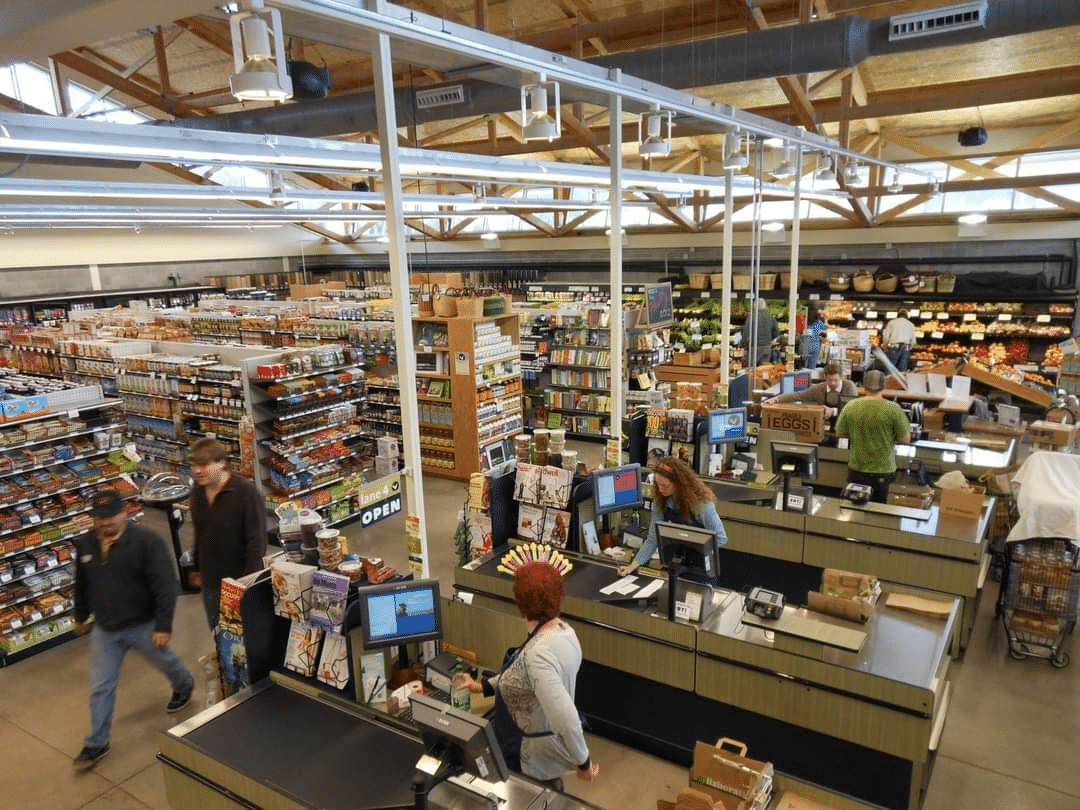
Photo Courtesy: Three Rivers Market
Beyond Price: The Community Benefits of Co-op Markets
It’s easy to focus on price when we’re grocery shopping, but co-op grocery stores like Three Rivers Market offer benefits that reach far beyond just what’s on the shelves.
- Supporting Local Farmers & Producers: Co-ops like Three Rivers Market prioritize partnerships with local farmers and vendors. This not only ensures a supply of fresh, seasonal produce but also injects money directly into the local economy.
- Creating Jobs & Boosting Wages: Co-ops are significant employers, often offering competitive wages and benefits. This helps to create a more stable and prosperous local workforce.
- Fostering a Sense of Belonging: Co-ops are more than just stores; they’re gathering places where members can connect, share ideas, and build a stronger community.
- Nourishing Community Initiatives: Co-ops often donate to local charities and support community projects. Three Rivers Market’s “Nourishing Change” program is a prime example, providing financial assistance to organizations that promote food access and sustainability.
Now, you might be wondering, “If co-ops are so great, why doesn’t everyone shop there?” It’s true, sometimes their prices might be slightly higher than the big chain stores. But consider this: every dollar you spend at a co-op is an investment in your community’s future. You’re supporting local farmers, creating jobs, and contributing to initiatives that make your town a better place to live. Plus, you’ll enjoy the added bonus of fresh, locally sourced products and a personalized shopping experience.
The Choice is Yours: Invest in Your Community
The next time you’re strolling down the grocery aisle, remember that your choices matter. By shopping at a co-op like Three Rivers Market, you’re not just buying groceries — you’re casting a vote for a more sustainable, equitable, and community-focused food system.
Ready to make a difference? Visit Three Rivers Market today and experience the co-op difference for yourself!
Choose to shop local, shop sustainably, and shop at Three Rivers Market.
Published by: Holy Minoza