Economic Insider

Mind Over Financial Matters: Melissa Wittenborn Empowers Clients Through Accountability and Positivity

By: Rachel Anderson

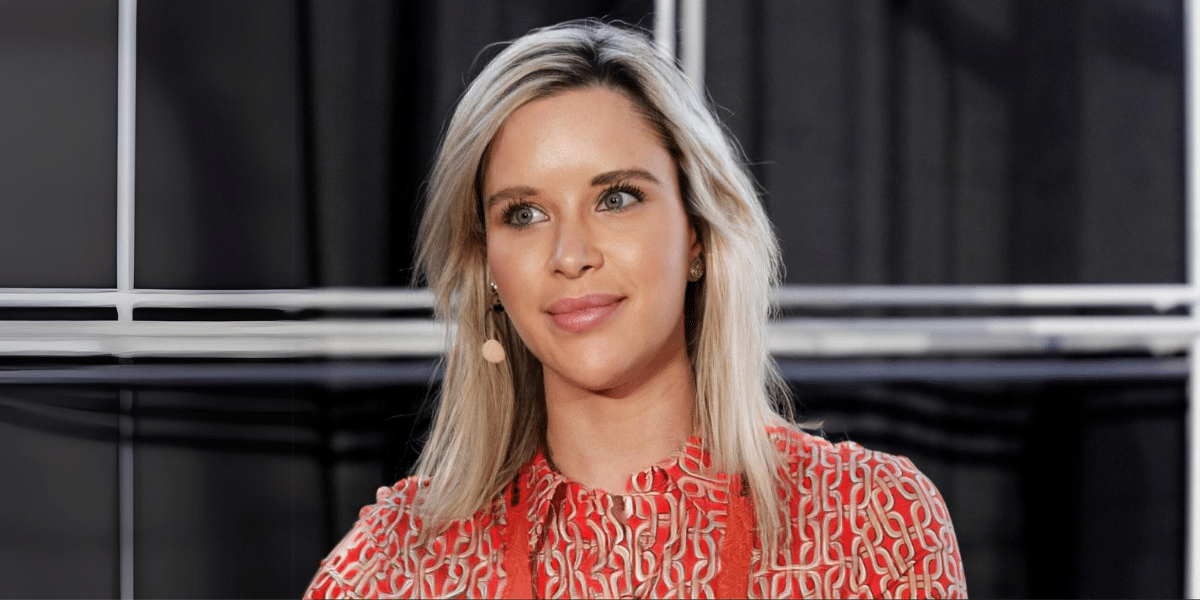
For many, navigating the complexities of widowhood, divorce, or separation can be overwhelming—especially when it comes to finances. This is where Melissa Wittenborn, CEO of Momotivation, LLC, steps in. 

A Certified Divorce Specialist, professional speaker, and financial accountability coach, Melissa has dedicated her career to helping people in these difficult transitions save money, reduce stress, and regain control of their financial lives.

Having lived through her own personal trials—including a traumatic brain injury (TBI) and a financially challenging divorce—Melissa understands the importance of financial clarity. 

“I’ve been there. I know what it’s like to feel stuck,” says Melissa. “But I also know that with the right mindset and a clear, actionable plan, you can come out stronger and more financially secure on the other side.”

Melissa’s personal and professional experiences were the driving forces behind the creation of Momotivation, LLC. After surviving a traumatic brain injury and navigating the complexities of her own divorce, she recognized a gap in financial coaching for those experiencing life transitions. 

Determined to provide others with the guidance she wished she had, she developed SAVE THE GREENS—a comprehensive financial accountability system designed to save clients time, money, and stress during their most difficult moments.

“I started my company, Momotivation, because I wanted to help people regain control of their finances and lives, especially when they’re facing tough times,” Melissa explains. “It’s easy to feel overwhelmed, but my SAVE THE GREENS system gives clients the tools they need to take charge.”

SAVE THE GREENS: A System Built from Personal Experience

The SAVE THE GREENS system is Melissa’s signature offering, designed to bring clarity to individuals dealing with financial uncertainty during divorce, separation, or widowhood. 

The approach focuses on financial accountability, providing clients with a detailed understanding of their financial situation and teaching them how to communicate effectively with attorneys and other professionals. This streamlined method helps reduce costly legal fees and ensures that clients feel empowered rather than overwhelmed.

“Every time you spout negativity about your financial situation to someone—whether it’s an attorney or CPA—they are charging you for their time,” says Melissa. “I teach people to take a less emotional approach and focus on the data. Once you understand the numbers, you can make smarter decisions and save a significant amount of money.”

One of her divorcing male clients experienced this firsthand. “After fighting for over 15 months during my divorce, Melissa helped me implement her SAVE THE GREENS system, and we settled in less than three months. The data she laid out helped stop the back-and-forth between attorneys, saving me both time and money. I am forever grateful for her coaching,” he says.

From Financial Rock Bottom to Empowerment

What sets Melissa apart from others in her field is her deep personal connection to her work. She has experienced financial highs and lows, and this gives her a unique perspective when coaching clients. 

“I’ve been wealthy, and I’ve hit financial rock bottom. These experiences allow me to relate to my clients on a deeper level,” she shares.

Her background in working with CEOs, CFOs, and other business leaders has further honed her ability to simplify complex financial information, making it accessible to individuals going through transitions. 

As a Certified Divorce Specialist and Toastmasters Competent Communicator, Melissa has not only developed her financial expertise but also her communication skills, helping her guide clients with empathy and precision.

A Respected Voice in the Financial Coaching Space

Melissa’s work has been recognized in various arenas. She has spoken at live events, with audiences ranging from small groups to over 14,000 people. 

She has also been featured in Reader’s Digest for overcoming the loss of her senses of smell and taste after her TBI, and has appeared as a guest on several TV shows and podcasts, including hosting her own show, the “Momotivation Through Tough Transitions” podcast.

Her achievements in public speaking, particularly as a finalist in Toastmasters competitions, have only enhanced her ability to connect with clients and audiences alike. 

“Communication is key, whether you’re coaching clients or speaking to a large audience,” says Melissa. 

“It’s about delivering information in a way that resonates with people and empowers them to take action.”

Looking ahead, Melissa plans to expand her business to include estate planning services, further helping clients with financial clarity as they plan for their futures. 

“Whether you’re going through a divorce or just want a better understanding of your net worth, my system can help anyone who needs a clear, concise picture of their financial situation,” she says.

Melissa also aims to get back on the speaking circuit, sharing her insights with other professionals and organizations to demonstrate the value of financial accountability. 

“I’m passionate about teaching people how to streamline their finances and reduce stress, whether it’s in the courtroom or the boardroom.”

Melissa’s clients are quick to sing her praises. Another client shared: “I had the opportunity to get some financial advice from Melissa. I appreciate her professionalism and accountability. She is friendly, well organized, and willing to walk the extra mile for her clients.”

Melissa’s results-driven approach has allowed her to increase business profits for several clients by as much as 300% over the course of three to five years. 

Her practical, no-nonsense coaching helps individuals and businesses alike achieve financial stability and peace of mind.

Save Time, Money, and Stress

Melissa Wittenborn’s SAVE THE GREENS system is more than just a financial coaching program—it’s a lifeline for those going through difficult transitions. 

Her personal experiences, professional expertise, and passion for helping others make her a powerful force in the financial accountability space.

If you’re ready to take control of your financial situation and move forward with confidence, visit Momotivation, LLC at Momotivation.com or connect with Melissa on social media:

With Melissa’s guidance, you can reclaim control of your financial life—and SAVE THE GREENS in the process.

Published by: Nelly Chavez
The Dark Side of Debt

By: AK Infinite

In Shakespeare’s Hamlet, Polonius advises, “Neither a borrower nor a lender be.” 

Debt is often viewed as a strategic tool for growth and expansion. However, the intricacies and potential pitfalls of borrowing can sometimes lead companies down a precarious path. 

In this podcast, Eric Neumann, a Fractional Chief Financial Officer at New Life CFO, shared his insights about the complexities of debt and the peril it can bring within the business environment.

In 2008, Eric was hired as the CFO of a company facing significant billboard and radio industry challenges due to declining revenues and an over-leveraged position (too much debt relative to profit). With a debt load of $325 million, they needed to renegotiate with their 63 lenders. Initial attempts at restructuring provided temporary relief, but by 2009, it was clear that further action was necessary as the company was on the brink of violating its loan covenants.

Loan covenants, designed to ensure the company’s ability to meet debt service payments, became a significant hurdle. Despite efforts to restructure debt and create financial cushions, the company’s forecast for 2009 showed they would miss their covenants, triggering a default by Spring. This situation forced difficult conversations with the board, which consisted mainly of equity investors unwilling to accept the grim reality of further investing capital to pay down the debt or risk losing their equity.

The company in question has 63 different financial institutions as its creditors, a mix of banks, hedge funds, mutual funds, and debt funds. This diversity of stakeholders, each with varying interests and expectations, created a complicated debt structure that included a 1) revolving credit line, 2) “first-lien debt” primarily held by banks, and 3) “second-lien debt” held mainly by hedge funds. Each group had its perspective on the company’s value and potential strategies for recovery, making consensus challenging.

High Debt

Since the 1992 publication of George Anders’ “Merchants of Debt – KKR and the Mortgaging of American Business,” which portrayed KKR’s equity team as villains for leveraging high levels of debt to boost equity returns, the narrative around leveraged buyouts (LBOs) and high-debt levels of any company has evolved. Despite initial criticism, many of the deals executed by KKR and other private equity firms, including those Eric was directly involved in, have proven successful. Examples include Safeway (equity backed by KKR), Hilton Hotels (equity backed by Blackstone Group), and Chancellor Broadcasting (equity backed by Hicks, Muse, Tate & Furst) of which Eric served as CFO. According to him, the key to this success is achieving consistent mid-to-high-single-digit revenue growth over several years while keeping expense growth much lower than revenue growth. The strategy of leveraging higher levels of debt has been adopted by many successful businesses over the past 30 years, contributing to key areas of economic growth and enabling impressive company turnarounds when managed effectively. The challenges or perils of high debt often stem more from the inherent risks of market cycles and competition than from the tactics employed by equity holders to secure returns.

The Role of Distressed Debt Funds

Many businesses turned to debt to fuel growth, especially in the recent era of low interest rates. However, the end of the zero-interest rate period brought new challenges. Distressed debt investment funds, specializing in acquiring troubled assets, were poised to capitalize on companies facing financial difficulties. These funds, adept at navigating complex financial situations, often buy debt at a discount to take control and restructure companies for eventual profit.

The Chapter 11 Process

As the company struggled to meet its financial targets, it became evident that it needed to undergo a Chapter 11 reorganization—a process to restructure debt and equity. This process, involving intricate negotiations and legal maneuvers, lasted several months. The goal was to reduce total debt to $135M and convert second-lien debt holders to equity holders. The original equity holders would lose their investment. Yet, a new equity investment was made by a distressed debt fund quietly watching the company for months, setting the stage for a potential turnaround.

“I’ve seen debt ruin companies or at least put them through a distracting reorganization (i.e., Chapter 11 Bankruptcy). The vast majority of bankruptcies, known as Chapter 11 or Chapter 7 (complete liquidation and closure of the company), are due to banks forcing the issue on the entrepreneur who has run afoul of agreed-upon performance targets.” shares Eric.

These reorganizations and liquidations are usually not initiated by the equity holders, who, by definition, must be patient through down cycles. When companies are faced with non-compliance on their debt covenants, it is due to two factors: 

  1. Imperfect executive decisions. Hindsight is perfect; foresight and insight often aren’t. 
  2. Markets/industries/companies go through cycles out of their control, 

When those two factors combine, you can have a non-performing loan. 

The Distressed Debt Funds’ Strategy

Distressed debt funds quietly bought up the company’s debt at a discount to gain control. These funds typically look for companies with significant distress but potential for recovery. Their strategy involved detailed due diligence, leveraging their expertise to restructure the debt and equity to the detriment of existing equity holders and eventually profit from the business’s turnaround. 

The Road to Recovery

Post-bankruptcy, the company embarked on a strategic transformation. They invested in digital billboards, significantly increasing revenue from these assets. Additionally, they pivoted their radio business to include digital marketing services, helping local advertisers with online strategies alongside traditional radio advertising. This dual approach stabilized revenues and positioned the company for growth.

So, if you’re a business owner in a tight spot, you may ask, “What’s the better option then?” According to Eric, “Banks have a short-term perspective.” They are mandated by their own rules, standards, and traditions to get a “bad loan” off the books soon and take the write-off. The banks and their ecosystem don’t prevent distressed debt situations; they tend to fix their problem of a bad loan even at the risk of a company’s survival – a massive problem for the entrepreneur going through a down cycle.

On the other hand, equity investors often seek long-term success for businesses, and in many cases, they are willing to stay invested for extended periods to support recovery and growth during challenging times. In rare situations when equity forces a company’s bankruptcy, it’s primarily due to failed management or business models and market conditions that won’t improve. 

Eric Neumann succinctly said, “The general belief is debt is far cheaper than equity – true. But when times are tough, debt will punch your lights out (figuratively), equity will still work with a transparent, transparent management team that operates a viable business.” 

When debt is unavoidable, companies must enforce a carefully structured plan to manage the level and maintain transparency. While debt can be a powerful tool for business growth, it comes with significant risks. Despite the best of intentions, sometimes entrepreneurs need to catch up on their tips in debt. Still, a skilled CFO, brought on at the right stage in a company’s growth, can create detailed forecasts and strategies to help manage debt levels responsibly while mitigating risks.

For more information, you may visit New Life CFO’s website here: https://newlifecfo.com

Disclaimer: This content is for informational purposes only and is not intended as financial advice, nor does it replace professional financial advice, investment advice, or any other type of advice. You should seek the advice of a qualified financial advisor or other professional before making any financial decisions.


Published By: Aize Perez

Paul Kacir’s Vision Behind RVnGO’s Success in RV Rentals

By: Joshua Finley

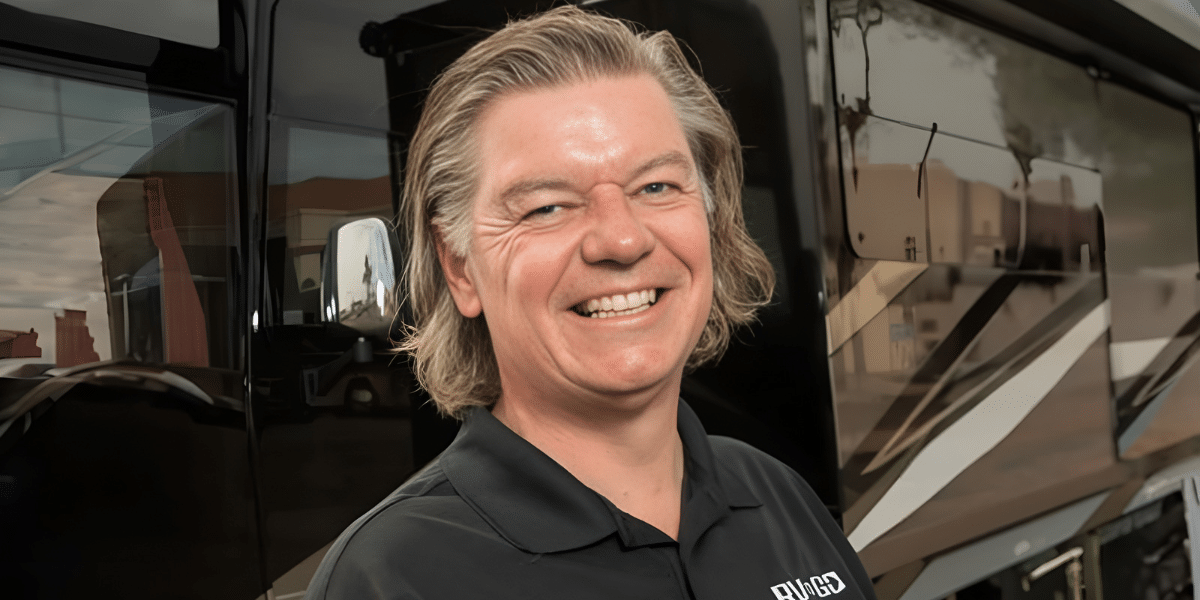
RV vacations offer the perfect blend of adventure and affordability. RVnGO harnesses the latest technology to connect RV owners and renters in a seamless person-to-person marketplace. Recently, Paul Kacir, founder of RVnGO, one of America’s largest person-to-person RV rental marketplaces, shared his tips for navigating the world of RV rentals.

From Idea to Business Success

The seed of inspiration first struck Paul during a charity bike trip up the coast. Watching RV after RV cruise past, he marveled at the potential in these underutilized vehicles.

“I came up with the idea of RVnGO,” he recalled. Paul noticed that RV rentals operated similarly to the Airbnb model, allowing owners to monetize their unused assets. Given the large number of idle RVs in America, he saw a significant opportunity. His background includes experience with taking companies public, having served as General Counsel for a major tech firm in British Columbia and managing legal affairs for the IPO of First Solar.

“I don’t think I need to. And now I’d say it’s the opposite,” Paul stated, acknowledging the learning curve. He eagerly dived into the operational side – technology, software, organic marketing. This real-world experience proved invaluable.

Assembling a Strong Team

Rather than seeking outside capital, RVnGO grew organically. Paul built a lean team equipped with specialized skills. With his corporate background, he focused on business operations, processes, accounting and fundraising.

Developing the digital platform posed a challenge. “Our technical challenges have been more than we thought,” Paul admitted. Still, they created an industry-leading site on a conservative budget.

Paul makes a point to understand their development process. “I’m not a coder, but you need enough knowledge so you at least know what’s going on,” he explained.

Creating a Seamless Person-to-Person Experience

RVnGO’s platform enables direct owner-renter transactions without any middleman fees. “We wanted to take out middlemen in the value chain and bring people closer together,” Paul said.

Owners list RVs for free while keeping up to 88% of rental revenue. Renters access listings nationwide, often 50% below competitors. RVnGO earns through affordable insurance plans tailored for person-to-person RV rentals.

RV owners manage pricing, rental parameters and screening renters. User privacy remains protected until choosing to rent.

Powering Growth Through Organic Traffic

With ample inventory, RVnGO now focuses on increasing site traffic to match growing demand. “Our goal is to really grow our organic traffic,” Paul stated.

Data indicates that many people search for “RV rentals” each month. RVnGO has seen an increase in visitor numbers since 2020, with a consistent upward trend.

SEO, social media, email marketing, and partnerships drive conversions. RVnGO also caters site content to diverse audiences – travelers seeking a cost-effective vacation, outdoor enthusiasts looking for adventure, families bonding over RV getaways.

Eyes on the Road Ahead

By next summer, RVnGO aims to reach profitability, a game-changer according to Paul. “We could just keep growing internally. I think this space, if we’re successful, has room for a billion dollar company,” he projected.

Paul wants to retain RVnGO’s service-focused culture even at scale. “As companies grow, the emphasis often shifts from entrepreneurial to corporate policeman mentality. I don’t want to be a policeman, I want to be a commando,” he stated.

RVnGO already prepared for a potential IPO by completing necessary regulatory approvals. Paul sees public company life in their future if optimal for shareholders.

Imparting Hard-Won Lessons to Fellow Entrepreneurs

“You need basic business acumen,” Paul advised aspiring business owners lacking experience. Mentors can provide guidance to fill gaps in your expertise.

He warns against black box departments where problems can silently brew. “I think you’re only as good as your weakest link,” Paul revealed.

Mastering every niche of your business is unrealistic, but strive to comprehend each area’s capabilities and limitations.

“If it’s something technical like dev or legal, that has to be very specific,” Paul noted. Identify specialists who can elaborate on the intricacies.

The Journey Continues

By constantly enhancing RVnGO’s platform and user experience, Paul steers the company steadily toward its goal of uniting 10 million happy RV renters. He takes pride in creating value, not chasing money.

Paul draws motivation from RVnGO’s core belief – bringing people together. “If we do it right and create a nice brand, the money and the shareholders take care of themselves,” he said.

After nearly a decade building the foundations, RVnGO’s person-to-person marketplace is just getting started proving its value to RV owners and renters nationwide. Exciting roadways lie ahead.

To learn more about Paul Kacir and RVnGO, visit his LinkedIn profile.


Published By: Aize Perez

On The Rise – From Underdog to Global Leadership: Harmony Murphy’s Mountainous Journey

Modern business and technology have numerous examples of people coming from complex and challenging backgrounds and origins to succeed despite adversity through hard work and effort. They show how persistence, drive, and intelligence can overcome the worst conditions, making their journeys inspiring for others. Harmony Murphy’s journey portrays one such example of resolve, commitment, and hard work. Despite growing up in underprivileged London and a challenging environment, she has had a successful career in computing, retail, and fashion. Her success as the creator of Member23 and a top advertising executive at Google shows the value of leadership, empathy, and innovation in today’s fast-paced corporate climate.

Harmony Murphy, born in London in the 1990s, faced the trials of growing up in a single-parent family. Her hardworking mother raised Murphy in a low-income household but she grew up to become a prominent leader due to her hard work and resilience. Though difficult, this environment gave her courage and tenacity. Rising through more harsh conditions sharpened her ambition and cultivated empathy for others, molding her into a leader.

Murphy had a difficult childhood, and growing up in a single-parent family with limited means taught her the value of endurance. Her early challenges fueled her ambition to excel. She believed schooling would help her overcome the economic situation. Murphy’s early desire to defy society and the obstacles set her apart and established the stage for her future achievements.

Harmony Murphy found her love for studying and effort at St. Gildas and St. Marylebone schools. She sought new experiences while her friends were happy with traditional schooling. This curiosity led her to obtaining a scholarship over nearly a decade to Trinity Conservatoire, where she studied music theory and composition, which would teach her discipline and concentration for her future. 

Her adventure continued beyond the Conservatoire. Harmony Murphy self-studied neurology, AI, and programmatic advertising, which would shape her profession and career growth. She later attended Harvardx  and currently studies Law at Griffith College Dublin to continue her education, portraying her commitment to continuing learning. Her diverse education prepared her to heavily negotiate in tech and business sectors, combining creativity and analytical thinking.

Harmony Murphy entered the business sector, focusing on digital strategy and innovation. She became an international multiplatform sales manager at International Graphic Press in 2012. She learnt a lot about global markets and digital media in this role. Her abilities were noticed by bigger organizations, and she joined The Telegraph as a digital specialist in 2016.

Murphy’s career grew at The Telegraph and by 2018, she led the international digital division thanks to her digital and advertising skills. She successfully led the division and expanded digital revenue streams using cutting-edge technology and methods. The executive was in demand in the advertising sector for her growth-driven approach and digital marketing expertise.

Harmony Murphy became eBay’s UK Managing Director of Advertising in 2020. She oversaw eBay’s advertising strategy and revenue creation for retail customers. Her time at eBay reinforced her digital advertising expertise. She managed in-house media specialists and worked with major companies to offer data-driven media solutions. Murphy’s work at eBay showed her ability to combine creativity and economic success, making her a prominent player in UK advertising. At eBay, Harmony was noted for her leadership approach, which included upskilling people and driving digital transformation. Murphy also used the eBay platform to set up a successful luxury watch business whilst in the UK dealing with certified Rolex’s, Cartier and such like pieces. She also sat on the advisory board of Generation Success; a charity that helps diverse young professionals find jobs. Murphy today incorporates all of the amazing talent and exposure to the business world against success and enjoys a senior revenue generating and leadership role at Google.

Throughout transforming fortune-500 companies Murphy has also pursued her own business to combine her love of fashion and community development. She started the Dublin-based British fashion and leisure business Member23 in 2021 as a loose project. Now Member23 combines fashion, quality, and social conscience. She wanted the brand to inspire the global community through fashion. Harmony’s work continues in entrepreneurship and social impact with Member23. The brand’s fashion-forward designs and commitment to empowering people made it popular. 

Women Above Clouds, Member23’s upcoming documentary on Murphy’s off-season climb to Mount Everest’s base camp, is another highlight. She empowers women globally and recounts her strength and drive in the documentary. Harmony Murphy walked with just two teammates for two weeks and was one of the only female guides on Everest, proving that personal hardships can spark communal transformation. Harmony Murphy has also hinted at intriguing future initiatives to strengthen Member23’s empowering purpose as it grows. She has teased global Member23 launches and is committed to leveraging her platform to empower others, especially women.

Harmony Murphy rose from modest London roots to a worldwide Tech and fashion powerhouse through perseverance, brilliance, and empathy. Her professional and entrepreneurial success shows her ability to manage challenging circumstances while remaining loyal to her ideals. She has pushed boundaries and questioned cultural expectations from her low-income upbringing to directing global digital strategy at eBay and Google.

Member23 creator Harmony Murphy has built a successful company and a community that values empowerment and connection. Her upcoming documentary and subsequent ventures will continue this objective, reinforcing her status as a corporate and social pioneer. Murphy’s commitment to invention, leadership, and mentoring will propel her forward in Tech, fashion, and other fields. Harmony Murphy’s story inspires and teaches young professionals that success is about effort, empathy, and the courage to choose new pathways, not simply intelligence or opportunity. Murphy is certainly on our radar and one to watch as top business talent rising up that mountain!


Published by: Khy Talara