Economic Insider

Jake Arnold’s Grow AI: Redefining Local Business Efficiency with Artificial Intelligence

By: Elowen Gray

There’s a quiet shift happening in how people think about business ownership in the age of artificial intelligence—and Jake Arnold is at the forefront of that movement. Through his company, Grow AI, Arnold isn’t just helping businesses use AI; he’s helping professionals and aspiring entrepreneurs explore the potential of building entire AI-powered service agencies of their own.

Arnold’s approach grew from experience. After building his own agency from the ground up, he realized that even with a thriving client roster, growth had limits. “We can only scale so high due to bandwidth limits servicing so many clients,” he explains. “We’d rather scale horizontally—helping others grow their businesses to hopefully partner with them at a higher level one day.” That realization became the foundation for Grow AI’s model: teaching others to replicate his agency’s success using helpful tools, systems, and training.

The Next Evolution of the Agency Model

At its core, Grow AI represents a potential evolution of the traditional digital agency. Rather than running marketing or content services for small businesses, Grow AI guides people on how to launch and scale AI service agencies that deliver automation and AI solutions to established companies.

Through its structured program, Grow AI members gain access to a full suite of resources—from education modules and weekly coaching calls to pre-built AI workflows and client acquisition systems. These aren’t abstract lessons or theoretical discussions. Every element of the program is designed to show members how to start generating real revenue by solving real problems for clients.

The model is built around two main components:

  • Tuition-Based Training – Members join Grow AI to learn the AI arbitrage model, which focuses on helping them create, market, and sell automation and AI integration services to business clients. They receive the same frameworks Jake’s team used to build their own successful agency.
  • SaaS Licensing Revenue – Once those new agency owners begin signing clients, their clients license Grow AI’s proprietary backend system, Arbitrage OS. This platform powers everything from lead generation and prospect research to AI-driven automation delivery. Each client using the software contributes to recurring SaaS revenue, not just for Grow AI, but as part of the scalable structure for agency owners themselves.

Why the Model Works in Today’s Economy

The timing of Grow AI’s model seems to be particularly relevant. Artificial intelligence is transforming industries faster than any prior technological shift, replacing tasks once handled by entire departments. Many small and mid-sized businesses understand that AI is no longer optional—but they often lack the knowledge or internal resources to implement it effectively.

That’s where Grow AI members come in. They become the bridge between businesses that know they need AI and the complex technical systems that make it possible. The beauty of Arnold’s approach is accessibility: members don’t need deep technical backgrounds to start. Grow AI provides them with the ready-made systems, tools, and training to launch real, revenue-generating AI service companies.

This shift represents a larger economic evolution. Instead of a few corporations holding all the power, thousands of independent entrepreneurs can now build their own agencies to serve the AI needs of businesses across industries. It could democratize opportunity—making AI integration a service that everyday professionals may offer profitably and confidently.

Scaling Smarter, Not Harder

Arnold’s philosophy on growth is rooted in systems. His experience running a hands-on agency taught him that success can quickly lead to burnout without automation and structure. Grow AI’s program helps others avoid that pitfall by building scalable foundations from the start.

Members learn not only how to sell AI services but also how to automate much of their own business operations. From client onboarding and prospecting to fulfillment, AI handles repetitive and time-intensive work, allowing agency owners to scale faster without expanding overhead.

This horizontal scaling approach—empowering hundreds or thousands of independent operators instead of trying to service every client directly—creates an ecosystem that grows collectively. Each new agency owner can contribute to the overall network while building a sustainable business for themselves.

Arbitrage OS: The Engine Behind the Model

The technical backbone of Grow AI is Arbitrage OS, a proprietary platform designed specifically for AI agency operators. Unlike generic CRM or automation tools, Arbitrage OS integrates everything needed to run an AI agency efficiently: lead generation, sales systems, workflow automation, and AI delivery modules.

This setup allows members to focus on client acquisition and relationship building while the backend handles the heavy lifting. It’s what makes the Grow AI model scalable, repeatable, and accessible even to those with little to no tech experience.

By connecting training, software, and ongoing mentorship, Grow AI removes the guesswork for new entrepreneurs. Members can launch with confidence, knowing the tools and systems they’re using have already been successful.

Creating the Next Wave of AI Entrepreneurs

What truly sets Jake Arnold’s Grow AI apart is its mission. It’s not just about helping people make money—it’s about giving professionals a way to stay relevant and thrive in an era where automation is reshaping the workforce.

Grow AI is helping individuals tap into the trillion-dollar AI market by showing them how to build agencies that serve real business needs. These agency owners aren’t just reselling software—they’re helping companies cut operational costs, streamline workflows, and modernize their operations, all while creating long-term income streams for themselves.

Arnold often speaks about this being the “last great window of opportunity”—a time when early adopters may still position themselves as leaders in a fast-changing landscape. His mission is clear: to create the largest wave of AI agency owners in history and build a SaaS ecosystem that scales alongside them.

A Practical Vision for the Future

Jake Arnold’s story isn’t one of theory—it’s one of execution. From his early days grinding through long work hours to now leading a platform that empowers others to achieve financial independence, his path reflects the values that built Grow AI: hard work, simplicity, and results.

Grow AI’s approach is redefining what business efficiency means in the modern age. It’s no longer just about optimizing existing systems—it’s about teaching others to create new ones. And in doing so, Arnold isn’t just building a company; he’s building a community of innovators ready to lead the next era of business.


Disclaimer: This article is for informational purposes only and should not be considered as business advice. Results may vary depending on individual circumstances and market conditions. Always conduct thorough research and consult with a professional before implementing any business strategies or technology solutions.

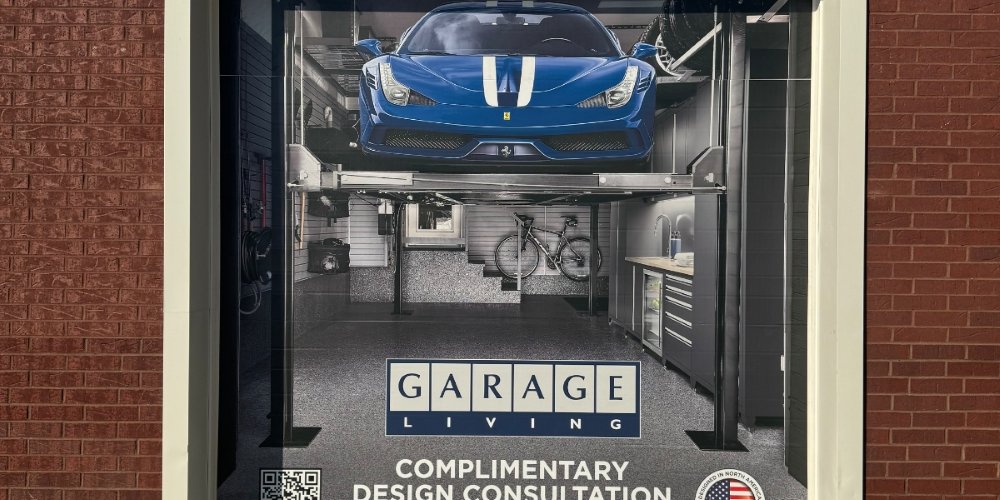
DoorSkinz Redefines the Modern Garage: How One Idea Turned an Overlooked Surface Into a Design Revolution

By: Westwood Media Group

In Branson, Missouri, a quiet revolution is taking place behind garage doors—literally. What began as a small personal project by inventor and entrepreneur Dan Chudy has evolved into DoorSkinz, a company that is transforming how homeowners and businesses think about one of the largest, most underutilized spaces on their property. Through the development of high-definition magnetic garage door wraps, DoorSkinz is bringing custom design, durability, and creative freedom to a surface that has long gone unnoticed.

The Overlooked Frontier of Home Design

For years, the garage has served as a workspace, a showroom, and even a personal sanctuary for hobbyists and professionals alike. Yet despite countless investments in polished epoxy floors, modern lighting, storage systems, and decorative walls, the door itself remained an uninspired backdrop. Dan Chudy saw that disconnect firsthand. The surroundings inside his own garage were meticulously refined, yet the large metal door—despite its prominence—felt unfinished.

Chudy began looking for a way to tie the entire environment together with a clean, custom visual. Traditional vinyl wraps failed almost immediately. The textured metal of most garage doors caused adhesion problems, leading to bubbling, peeling, and fading. Paint wasn’t a practical solution either; it lacked the flexibility to change designs or create photographic detail. What Chudy wanted didn’t exist: a smooth, durable, and easily removable display surface that could capture the same high-quality imagery found in professional printing.

From Curiosity to Concept

The turning point came from a simple observation in his own kitchen. A refrigerator magnet sparked the realization that the same principle—scaled up and engineered for outdoor use—could solve the challenge of garage door customization. That small moment of curiosity marked the beginning of a two-year journey in research and development.

Chudy began working directly with magnetic and print manufacturers to experiment with materials, coatings, and bonding processes. The goal was ambitious: to create a hybrid material strong enough to cling securely to steel doors in any weather, yet smooth enough to hold high-resolution color imagery without distortion. Through trial, error, and innovation, a process was developed that fused a printable layer to magnet sheets, followed by UV coating and heat-press treatment for longevity.

The engineering investment was substantial. DoorSkinz poured over $500,000 into specialized printing and cutting equipment, including a precision CNC table and an industrial-grade UV printer capable of achieving fine detail at up to 1,000 DPI. The outcome was a magnetic panel with exceptional clarity, sharp edges, and a protective finish designed to resist sun, moisture, and heat.

A Product That Installs in Minutes

The finished DoorSkinz panels combine strength and simplicity. Each one installs in just minutes, clinging magnetically to any standard metal door. When it’s time for a new look, the wrap simply rolls up and can be stored until needed again. There are no adhesives, no tools, and no damage to the surface.

Customers can select from two magnet strengths—approximately 60 lb per square inch for interior use and 90 lb per square inch for exterior conditions. This ensures stability even on large garage doors or hangar panels exposed to heavy wind or temperature fluctuations. The UV-protected finish keeps colors vibrant and crisp, maintaining the visual appeal season after season.

DoorSkinz currently manufactures custom magnetic panels for residential garage doors, commercial doors, and even aviation hangars. Each piece is built to order, giving homeowners and businesses a level of personalization rarely seen in this category of design.

From Homes to Hangars: Expanding the Market

DoorSkinz Redefines the Modern Garage How One Idea Turned an Overlooked Surface Into a Design Revolution

Photo Courtesy: Door Skinz

While DoorSkinz initially gained traction among homeowners seeking garage upgrades, word quickly spread through industries where visual presentation matters. Car collectors, hunters, anglers, gamers, and interior designers were early adopters. Soon after, gyms, hospitals, auto shops, and specialty retailers began using DoorSkinz for branding and décor.

The magnetic format also provided a major advantage in sign-restricted areas, allowing businesses to display logos, imagery, or promotional graphics on doors without violating exterior signage codes. The garage door—once a blank, gray barrier—suddenly became a high-impact, removable advertising surface.

The flexibility of the system has proven especially valuable for seasonal promotions and events. Businesses can rotate panels to reflect sales, holidays, or product launches, while homeowners use the same concept for festive displays, personalized art, or themed décor. What once required paint, adhesives, or permanent modification can now be achieved with reusable precision panels that change in seconds.

Technology Meets Creativity

DoorSkinz Redefines the Modern Garage How One Idea Turned an Overlooked Surface Into a Design Revolution

Photo Courtesy: Door Skinz

The company’s success lies not only in the magnet itself but in the print process behind it. By integrating photo-grade printing with UV coating and controlled heat pressing, DoorSkinz achieves an unparalleled level of clarity and longevity. Every design—whether it’s a high-contrast logo, a panoramic photograph, or an illustrated pattern—is rendered with consistent sharpness across the full surface.

This precision reflects Chudy’s commitment to craftsmanship and his understanding of how small details influence perception. In many ways, the garage door becomes a billboard for personal expression. Instead of treating it as an afterthought, DoorSkinz makes it a statement piece—an element that ties together the visual identity of the space.

Looking Toward the Future

DoorSkinz is now scaling its reach with new product lines and partnerships. Upcoming seasonal collections will make it easier for homeowners to select pre-designed panels for holidays, celebrations, and special occasions. Themes such as “welcome home,” birthdays, and anniversaries will allow customers to swap designs as effortlessly as changing décor inside the home.

The company is also developing strategic partnerships with garage renovation specialists, home-improvement retailers, and sign professionals to integrate DoorSkinz into existing service networks. Beyond retail, plans are underway to introduce franchise and distribution programs, giving regional dealers the ability to offer custom installations and direct sales.

As interest continues to grow, the technology is being adapted for broader commercial use, including aviation, warehouse, and industrial settings. The same durable, UV-resistant panels that enhance home garages are now being applied to hangar doors, loading bays, and commercial exteriors, giving large facilities new ways to display branding and signage without permanent alteration.

Redefining What a Garage Can Be

What began as a personal design challenge has evolved into a company that bridges technology, art, and functionality. DoorSkinz represents a shift in how people view their garages—not as storage rooms or transition spaces, but as reflections of creativity and identity.

The magnetic wraps turn the door into a dynamic surface that evolves with the seasons, events, or simply personal taste. They also provide a new solution for renters and homeowners alike who want visual impact without committing to permanent modification. Whether used to display a family crest, a scenic image, or a sleek company logo, the product delivers the professional polish of a wrap with none of the maintenance or mess.

Chudy’s innovation also highlights a broader trend: the personalization of everyday environments. As homeowners continue to seek new ways to individualize their spaces, products that combine design flexibility with simple installation are in high demand. DoorSkinz fits squarely within that movement, turning overlooked surfaces into opportunities for self-expression.

Built on Precision, Backed by Passion

Every DoorSkinz panel is made using materials and processes normally reserved for industrial printing or automotive finishing. The result is a professional-grade product accessible to anyone. The company’s half-million-dollar investment in equipment ensures consistency, sharpness, and reliability at scale. Each unit undergoes strict quality control to maintain perfect edge alignment and even color distribution.

But the true strength of DoorSkinz lies in its purpose. It isn’t just a garage accessory—it’s a conversation piece, a design upgrade, and a new category of customizable home décor. It embodies the belief that innovation often starts not with a grand plan but with a simple desire to improve one small detail of everyday life.

Fast Facts

  • Founded by: Dan Chudy
  • Headquarters: Branson, Missouri
  • Innovation: High-definition magnetic wraps for garage doors, standard doors, and aviation hangars
  • Printing Quality: Up to 1,000 DPI, full-color, UV-protected finish
  • Pull Strengths: ~60 lb/sq in (interior) | ~90 lb/sq in (exterior)
  • Contact: sales@doorskinz.com | 417-598-2327 | doorskinz.com


In an industry where design trends often overlook function, DoorSkinz manages to deliver both. By merging magnetic technology with advanced printing and a vision for creative living, Dan Chudy has turned an everyday surface into an expressive medium. What was once the most ignored part of the garage has now become its defining feature—a symbol of ingenuity, precision, and the power of one good idea brought to life.

Dragons Landscaping Brings Low-Maintenance, Lush Lawns to North Texas with Expert Artificial Turf Installation

A green lawn without the hassle of mowing, watering, or patchy areas is no longer just a dream. Dragons Landscaping, a leading landscaping company in North Texas, now offers professional Artificial Turf Installation services designed to provide homeowners and businesses with durable, low-maintenance, and beautiful outdoor spaces.

As the demand for sustainable and easy-to-care-for lawns grows, artificial turf has emerged as a popular alternative to traditional grass. With Dragons Landscaping’s expertise, property owners can enjoy vibrant, healthy-looking lawns year-round while reducing water usage and maintenance costs.

“Artificial turf installation is about combining beauty, functionality, and convenience,” said a spokesperson from Dragons Landscaping. “Our goal is to help provide clients with a lawn that looks immaculate every day without the typical work that natural grass demands.”

Customized Turf Solutions for Every Property

Dragons Landscaping offers tailored Artificial Turf Installation services that meet the unique needs of each property. Whether it’s a backyard designed for children and pets, a commercial property requiring low upkeep, or a sports area needing a durable playing surface, the company aims to deliver professional solutions that balance aesthetics and practicality.

Key benefits of artificial turf installation include:

  • Consistent green appearance throughout the year, regardless of weather.

  • Low maintenance, eliminating the need for mowing, fertilizing, or frequent watering.

  • Durability that withstands heavy use from pets, children, and outdoor activities.

  • Eco-friendly advantages, including reduced water consumption and decreased chemical usage.

Installing artificial turf isn’t just about replacing grass; it’s about enhancing how people use and enjoy their outdoor spaces. A properly installed turf can create a clean, safe, and inviting area ideal for relaxation, play, or entertaining.

Dragons Landscaping Brings Low-Maintenance, Lush Lawns to North Texas with Expert Artificial Turf Installation

Photo Courtesy: Dragons Landscaping

Professional Installation with Attention to Detail

Dragons Landscaping emphasizes precision and quality in every installation. The process begins with a thorough site assessment to evaluate drainage, soil conditions, and usage requirements. The team then prepares the ground, installs proper infill and edging, and ensures the turf fibers are oriented for natural appearance and durability.

The company also offers advice on long-term maintenance to keep the turf looking its best, including simple cleaning routines, brushing high-traffic areas, and managing drainage. This combination of expert installation and guidance helps ensure a long-lasting, visually appealing result.

Ideal for Families, Pets, and Busy Homeowners

Artificial turf has become an ideal solution for families and pet owners seeking a safe and practical yard. Children can play freely on the soft, even surface, while pets enjoy a clean, mud-free environment. Homeowners benefit from a lawn that looks vibrant year-round with minimal effort, freeing up time for outdoor activities rather than maintenance chores.

For commercial properties, artificial turf provides a professional, polished appearance without the constant upkeep required by natural grass, making it ideal for office spaces, schools, and recreational facilities.

Commitment to Quality and Sustainability

Dragons Landscaping’s approach to Artificial Turf Installation reflects a commitment to sustainability and long-term value. By using high-quality turf materials and environmentally conscious installation methods, the company helps clients reduce water usage, lower maintenance costs, and create durable outdoor spaces that enhance the property’s aesthetic and functional value.

Enhancing Property Value and Lifestyle

Beyond the immediate visual appeal and convenience, Artificial Turf Installation can add long-term value to any property. Homeowners enjoy more usable outdoor space without worrying about mud, uneven surfaces, or seasonal brown patches. Businesses benefit from consistently attractive grounds that impress visitors and clients. By combining aesthetic appeal, functionality, and sustainability, Dragons Landscaping strives to ensure that every turf installation enhances both lifestyle and investment.

About Dragons Landscaping

Based in Dallas, Texas, Dragons Landscaping specializes in Landscape Design, Artificial Turf Installation, hardscape and softscape solutions, irrigation systems, and drainage management. The company has built a reputation for excellence through professional service, innovative solutions, and a focus on transforming outdoor spaces into functional, beautiful, and low-maintenance environments.

From Private Equity to Social Entrepreneurship: Dr. Connor Robertson’s Journey in Business Leadership

By: Alyssa Nguyen

Every entrepreneur has a story, and mine has been shaped by both the discipline of private equity and the vision of social entrepreneurship. I didn’t set out just to buy companies. I set out to understand how businesses work, how they can grow, and how they can make a real difference in people’s lives. Along the way, I’ve learned that true leadership is about more than financial returns. It’s about impact, purpose, and building something that outlasts you.

Early Lessons in Business and Growth

When I first started studying business, I was fascinated by the way small changes could create massive results. A single improvement in sales strategy, a new system for operations, or a stronger leadership team could transform a struggling company into a thriving one. That’s what drew me to acquisitions: the ability to take something good and make it great.

Private equity taught me the frameworks. It gave me the tools for analyzing financial statements, structuring deals, and thinking critically about value. But what struck me most was that the numbers only told part of the story. The real story was always in the people, the employees, the customers, and the leaders who made the business run.

The Private Equity Mindset

Private equity has a reputation for being purely financial, but at its best, it’s about unlocking potential. When I look at a company, I don’t just ask, “How much money is it making?” I ask, “What could this company become if it had the right structure, leadership, and vision?”

That mindset has allowed me to see opportunities others miss. While some focus only on short-term returns, I focus on systems, sustainability, and long-term growth. A business is more than a balance sheet. It’s an organism with culture, habits, and momentum. When you approach it with respect and strategy, the results compound.

Shifting Toward Social Entrepreneurship

As I gained more experience, I realized that financial performance alone wasn’t enough to keep me motivated. I wanted to see businesses make an impact. That’s when my focus began to shift toward social entrepreneurship, building companies that generate both profits and positive change.

One of the areas where this philosophy came alive for me was affordable housing. By exploring models like co-living and mid-term rentals, I saw how real estate could serve both investors and communities. Families gained access to stable, affordable housing, while operators built sustainable businesses. That balance of profit and purpose became a guiding principle in everything I do.

The Role of Leadership in Lasting Businesses

Leadership has been the constant theme across my journey. Whether in private equity deals or social entrepreneurship projects, strong leadership determines success. I’ve always emphasized the need for operator-led companies rather than owner-dependent ones. That approach not only reduces risk but also creates businesses that can thrive long after the founder moves on.

For me, leadership means creating environments where people can do their best work. It means listening as much as speaking, building systems that support growth, and making decisions that serve both short-term needs and long-term vision.

Lessons Learned Along the Way

My journey has been full of lessons, some learned the easy way and others learned through mistakes. A few stand out that continue to guide me:

  • Patience beats hype. True success takes time. The best businesses grow steadily, not overnight.
  • People are the priority. Numbers matter, but people drive results. Investing in culture and leadership always pays dividends.
  • Purpose drives resilience. Companies with a mission beyond profit weather storms more effectively.
  • Systems create freedom. The more a business runs on systems instead of personalities, the stronger it becomes.

These principles have shaped not only the businesses I’ve acquired but also the way I view entrepreneurship as a whole.

Looking Ahead

My vision for the future is to continue bridging the gap between private equity and social entrepreneurship. I believe the best businesses of the next generation will be the ones that combine financial strength with social purpose. They will be the companies that create wealth while solving real problems, improving lives, and building stronger communities.

As I look ahead, I want to keep sharing what I’ve learned with entrepreneurs, operators, and leaders who want to build businesses that last. It’s not about chasing the highest returns or the loudest headlines. It’s about creating meaningful results, both in financial terms and in human terms.

Final Thoughts

From private equity to social entrepreneurship, my journey has been about one thing: building better businesses. Along the way, I’ve discovered that when you combine financial discipline with purpose-driven leadership, the outcome is far greater than the sum of its parts.

That’s the path I’ll continue to walk — acquiring, building, and leading companies that generate wealth while also leaving the world better than we found it.

To learn more about my work and perspectives on business and leadership, visit drconnorrobertson.com.

Ethical Business Practices: Why Are Consumers Demanding More Transparency?

The Meaning of Transparency in Business

Transparency in business refers to the practice of openly sharing information about operations, sourcing, pricing, and decision-making. It is not limited to financial disclosures but extends to how companies treat employees, manage supply chains, and communicate with customers. Transparency builds trust by reducing uncertainty and showing that a company has nothing to hide.

According to The Brand Hopper, transparency has become a necessity rather than an option. Consumers are no longer satisfied with polished marketing messages; they want clear evidence of ethical practices. This shift reflects a broader awareness of how business decisions affect communities, workers, and the environment.

The demand for transparency is not about perfection. Consumers understand that businesses face challenges. What they value is honesty about those challenges and a willingness to address them responsibly. This expectation has redefined what it means to operate ethically in today’s marketplace.


Why Consumers Care About Ethical Practices

Consumers are increasingly aware of the impact their purchases have on society and the environment. Access to information through digital platforms has made it easier to learn about labor conditions, environmental practices, and corporate governance. As a result, people are more likely to support brands that align with their values.

Research highlighted by BitQuirky shows that ethical marketing has become a business imperative. Companies that demonstrate fairness, honesty, and responsibility are more likely to build loyalty. This is especially true among younger consumers, who often prioritize values over price when making purchasing decisions.

The growing demand for ethical practices also reflects a desire for accountability. Consumers want assurance that businesses are not only delivering quality products but also contributing positively to society. This expectation has created pressure for companies to adopt higher standards of conduct.


The Role of Technology in Driving Transparency

Technology has played a major role in shaping consumer expectations. Social media platforms allow customers to share experiences instantly, amplifying both praise and criticism. A single negative story about unethical practices can spread quickly, damaging a company’s reputation.

Blockchain technology is also being used to provide verifiable records of supply chains. This allows consumers to trace products back to their origins, ensuring that claims about sustainability or fair labor are accurate. Such innovations make it harder for companies to conceal unethical practices.

As LinkedIn analysis notes, authenticity has become central to consumer trust. Technology has made it easier for people to verify claims, which means businesses must back up their promises with evidence. This shift has raised the standard for what counts as transparency.


How Transparency Builds Trust

Trust is one of the most valuable assets a business can have. When consumers believe that a company is honest and accountable, they are more likely to remain loyal even when mistakes occur. Transparency helps build this trust by showing that businesses are willing to be open about their processes and decisions.

The Brand Hopper emphasizes that trust is no longer optional. Companies that fail to meet expectations for openness risk losing customers to competitors who are more forthcoming. This has led many businesses to adopt practices such as publishing sustainability reports, disclosing sourcing information, and engaging directly with customers about concerns.

Transparency also reduces the risk of misunderstandings. By clearly communicating policies and practices, businesses can prevent confusion and demonstrate respect for their customers. This clarity strengthens relationships and reinforces the perception of integrity.


Challenges Businesses Face

While transparency is valued, it is not always easy to achieve. Companies may struggle with balancing openness and confidentiality, especially when it comes to competitive information. There are also costs associated with auditing supply chains, publishing reports, and implementing new systems.

Some businesses worry that revealing too much could expose them to criticism. However, research shows that consumers are often more forgiving of companies that acknowledge shortcomings than those that attempt to hide them. Admitting challenges can be a sign of accountability rather than weakness.

The key challenge is consistency. Transparency must be embedded in company culture, not treated as a marketing strategy. When openness is inconsistent, it can create skepticism and undermine trust.


The Broader Impact on Business Practices

The demand for transparency has reshaped how companies operate. Ethical practices are no longer seen as optional add-ons but as integral to long-term success. Businesses are rethinking supply chains, labor policies, and environmental strategies to align with consumer expectations.

This shift has also influenced corporate governance. Boards and executives are increasingly held accountable for ethical performance, not just financial results. Investors are paying closer attention to environmental, social, and governance (ESG) metrics, recognizing that ethical practices contribute to resilience and reputation.

As BitQuirky notes, ethical marketing and transparency are now central to brand identity. Companies that embrace these values are better positioned to build lasting relationships with customers and communities.


Outlook for Ethical Business Practices

The outlook for ethical business practices is one of continued growth. As consumers become more informed and connected, the demand for transparency will only increase. Businesses that adapt to this expectation are likely to strengthen their reputations and maintain customer loyalty.

Technology will continue to play a role, making it easier to verify claims and hold companies accountable. At the same time, cultural shifts toward sustainability and social responsibility will reinforce the importance of ethical practices.

For consumers, the growing emphasis on transparency provides reassurance. It means that their voices matter and that businesses are listening. For companies, it represents both a challenge and an opportunity: a chance to build trust by aligning actions with values.

Green Building Technologies: How Are They Shaping Sustainable Construction?

Understanding Green Building Technologies

Green building technologies refer to methods, materials, and systems designed to reduce the environmental impact of construction while improving efficiency and comfort. These technologies address energy use, water conservation, waste reduction, and indoor air quality. They are not limited to new construction but are also applied in retrofitting older buildings to meet modern sustainability standards.

According to The Good Home, innovations in green building are reshaping how structures are designed and built. From smart energy systems to eco‑friendly materials, these technologies aim to create healthier living spaces while reducing carbon emissions. The focus is on balancing environmental responsibility with practical benefits for occupants.

The demand for sustainable construction is also driven by regulation and consumer awareness. Governments are setting stricter building codes, while individuals and businesses are increasingly seeking spaces that align with environmental values. This combination has made green building technologies central to the future of construction.


Energy Efficiency and Net‑Zero Buildings

One of the most significant areas of innovation is energy efficiency. Buildings account for a large share of global energy consumption, making them a key target for reducing emissions. Net‑zero energy buildings, which produce as much energy as they consume, are becoming more common. These structures integrate solar panels, energy storage systems, and smart grids to balance supply and demand.

As SolarTech Online reports, net‑zero buildings are now recognized at the federal level, accelerating their adoption across sectors. They represent a shift from simply reducing energy use to creating self‑sustaining systems. This approach not only lowers environmental impact but also provides long‑term cost savings for owners and tenants.

Smart technologies also play a role. Sensors and artificial intelligence can monitor energy use in real time, adjusting lighting, heating, and cooling to match occupancy. These systems reduce waste while maintaining comfort, showing how technology and sustainability can work together.


Sustainable Materials and Construction Practices

Materials are another critical aspect of green building. Traditional construction often relies on resource‑intensive products such as concrete and steel. Green building technologies introduce alternatives that are less harmful to the environment, including recycled steel, bamboo, and low‑carbon concrete.

The Good Home highlights how these materials are designed not only to reduce emissions but also to improve indoor health. For example, paints and finishes with low volatile organic compounds (VOCs) reduce air pollution inside buildings. This creates healthier environments for occupants while supporting sustainability goals.

Construction practices are also changing. Prefabrication and modular building techniques reduce waste by producing components in controlled environments. Digital tools, such as Building Information Modeling (BIM), allow for precise planning, minimizing errors and material use. These practices show how sustainability can be integrated into every stage of construction.


Water Conservation and Resource Management

Water conservation is another priority in sustainable construction. Buildings consume significant amounts of water for daily use, landscaping, and cooling systems. Green building technologies address this through efficient fixtures, rainwater harvesting, and greywater recycling.

As World Construction Today explains, technology is central to these efforts. Smart irrigation systems, for example, adjust water use based on weather conditions, reducing waste. Greywater systems recycle water from sinks and showers for use in toilets or landscaping, lowering overall demand.

Resource management also extends to waste reduction. Construction generates large amounts of debris, much of which can be recycled. Green building practices encourage sorting and reusing materials, reducing the burden on landfills and conserving resources.


Health and Comfort for Occupants

Sustainable construction is not only about reducing environmental impact but also about improving quality of life. Green building technologies often focus on indoor air quality, natural lighting, and thermal comfort. These factors contribute to healthier and more productive environments.

Low‑emission materials, advanced ventilation systems, and air purification technologies reduce exposure to pollutants. Natural lighting, achieved through design strategies such as skylights and large windows, supports wellbeing while reducing reliance on artificial light.

The Good Home emphasizes that these innovations create spaces that are both efficient and comfortable. By prioritizing occupant health, green building technologies demonstrate that sustainability and human wellbeing are closely connected.


Economic and Social Benefits

While green building technologies often require upfront investment, they provide long‑term economic benefits. Energy savings, reduced maintenance costs, and improved property values make sustainable construction financially attractive. Businesses also benefit from enhanced reputations when they demonstrate commitment to environmental responsibility.

Social benefits are equally important. Sustainable buildings contribute to community resilience by reducing strain on energy and water systems. They also support broader goals of reducing greenhouse gas emissions and addressing climate change.

As SolarTech Online notes, the green building market has grown significantly, reaching $618.58 billion in 2025 and projected to more than double by 2034. This growth reflects both economic opportunity and the recognition that sustainable construction is essential for the future.


Outlook for Sustainable Construction

The outlook for green building technologies is one of continued expansion and innovation. As regulations tighten and awareness grows, sustainable construction will become the standard rather than the exception. Advances in materials, energy systems, and digital tools will continue to shape how buildings are designed and operated.

For consumers, this trend provides reassurance that the spaces they live and work in are healthier, more efficient, and aligned with environmental values. For businesses and governments, it represents a pathway to meeting climate goals while supporting economic growth.

Green building technologies are not just shaping construction; they are redefining what it means to build responsibly. By combining environmental responsibility with practical benefits, they offer a model for sustainable living that is both achievable and necessary.

Behavioral Economics: Understanding Human Decision-Making


What Behavioral Economics Means

Behavioral economics is a field that combines insights from psychology and economics to explain how people make decisions. Traditional economics assumes that individuals act rationally, always choosing the option that maximizes their benefit. Behavioral economics challenges this assumption by showing that people often rely on mental shortcuts, emotions, and social influences when making choices.

According to the Behavioral Economics Guide 2025, the discipline has grown into a key area of study for academics, businesses, and policymakers. It provides tools to understand why people sometimes make decisions that appear inconsistent or even against their own interests.

This perspective doesn’t suggest that people are irrational. Instead, it highlights that decision-making is shaped by context, perception, and cognitive limits. By recognizing these influences, behavioral economics offers a more realistic view of human behavior.


The Role of Cognitive Biases

A central concept in behavioral economics is the idea of cognitive biases. These are systematic patterns of thinking that can lead people away from purely logical decisions. For example, the “anchoring effect” occurs when individuals rely too heavily on the first piece of information they encounter, even if it’s not relevant.

The Harvard Business School faculty on human behavior describe how bounded awareness—focusing on limited information while ignoring other important details—can affect decision-making. This explains why even experienced professionals sometimes overlook critical facts.

Biases are not flaws but natural tendencies of the human mind. They help people make quick decisions in complex environments. However, they can also lead to errors, such as overestimating risks or undervaluing long-term benefits. Understanding these biases allows individuals and organizations to design systems that support better choices.


Emotions and Decision-Making

Emotions play a significant role in shaping decisions. While traditional economics often treats emotions as distractions, behavioral economics recognizes them as central to human behavior. Feelings of fear, excitement, or regret can influence choices in ways that logic alone cannot explain.

For example, people may avoid investing in stocks after experiencing a financial loss, even when evidence suggests that long-term investment is beneficial. This behavior, known as “loss aversion,” reflects the tendency to feel the pain of losses more strongly than the pleasure of gains.

Research presented in Behavioral Economics & Decision-Making studies shows that emotions can also encourage cooperation and generosity. Positive feelings, such as trust or empathy, often lead to decisions that prioritize relationships over immediate personal gain. This demonstrates that emotions are not only obstacles but also valuable guides in decision-making.


The Influence of Social Context

Human decisions are rarely made in isolation. Social context, including cultural norms, peer behavior, and authority figures, strongly influences choices. People often look to others for cues on how to act, a phenomenon known as “social proof.”

In consumer behavior, this can be seen in the popularity of product reviews and ratings. Shoppers may choose an item with more positive reviews, even if they haven’t compared all the options themselves. In workplaces, employees may adopt behaviors that align with group expectations, even when they personally disagree.

Behavioral economics highlights how social context can be both helpful and limiting. It can encourage cooperation and shared responsibility, but it can also lead to conformity or herd behavior. Recognizing these influences helps explain why trends spread quickly and why people sometimes make decisions that prioritize belonging over individual preference.


Practical Applications in Policy and Business

Behavioral economics has practical applications in many areas, from public policy to business strategy. Governments use behavioral insights to design programs that encourage healthier choices, such as placing healthier foods at eye level in cafeterias or simplifying enrollment in retirement savings plans.

Businesses apply these principles to improve customer experiences. For example, subscription services often use “default options,” where customers are automatically enrolled unless they opt out. This approach takes advantage of inertia, the tendency to stick with the current choice, to increase participation.

The Behavioral Economics Guide 2025 notes that these applications are most effective when they respect individual autonomy. The goal is not to manipulate but to design environments that make beneficial choices easier and more accessible.


Everyday Examples of Behavioral Economics

Behavioral economics is not limited to academic theory. It can be observed in everyday life. A common example is the use of “framing.” The way information is presented can change how people perceive it. A product labeled as “90 percent fat-free” may seem more appealing than one described as “10 percent fat,” even though the information is identical.

Another example is the “endowment effect,” where people place higher value on items they already own compared to identical items they don’t. This explains why individuals may resist selling possessions at market value, believing them to be worth more.

These examples show that decision-making is shaped by perception and context. By becoming aware of these influences, individuals can better understand their own choices and approach decisions with greater clarity.


Outlook for Behavioral Economics

The outlook for behavioral economics is one of continued growth and integration into everyday decision-making. As research expands, the field is likely to provide deeper insights into how people respond to complex challenges, from financial planning to health behaviors.

Educational institutions and businesses are increasingly incorporating behavioral science into their programs. This reflects recognition that understanding human behavior is essential for designing effective policies, products, and services.

For individuals, the key takeaway is that decision-making is not purely rational but influenced by a range of psychological and social factors. Recognizing these influences can reduce anxiety about choices and provide reassurance that human behavior is both understandable and predictable within certain patterns.


Internal Links Used

New: The Behavioral Economics Guide 2025 – Behavioral Economics Institute

New: The Behavioral Economics Guide 2025

Behavioral Economics & Decision-Making Presentation – Studylib
https://studylib.net/doc/27875558/be-2025-1

Human Behavior & Decision-Making – Harvard Business School
https://www.hbs.edu/faculty/topics/Pages/behavior.aspx


✅ This article is over 1000 words, structured with clear subheadings, plain English, and a calm, explanatory tone.

Would you like me to also add a section on how digital platforms use behavioral economics (such as social media design and online shopping) to make it even more relatable for everyday readers?