Economic Insider

Mel H. Abraham on Building True Financial Confidence

In an era of rising costs and constant financial pressure, many individuals are searching for stability and peace of mind. Yet according to USA Today bestselling author Mel H. Abraham, lasting confidence with money has little to do with income and everything to do with design. Through his decades of experience as a financial educator and entrepreneur, Abraham has observed that most people do not struggle because they lack discipline—they struggle because traditional budgeting methods were never created to fit the realities of daily life.

For years, conventional advice has emphasized cutting back, tracking every expense, and relying on rigid spreadsheets. While these tactics can create short-term awareness, they often fail to accommodate unexpected changes such as medical costs, family needs, or shifting priorities. Abraham’s research and experience point to a more sustainable approach—building intentional systems that guide financial decisions automatically and align with individual values.

Moving Beyond Traditional Budgets

Traditional budgets demand constant attention and precision. When life becomes unpredictable, those structures collapse under the pressure of real-world complexity. Abraham advocates for a broader, systems-based mindset that emphasizes clarity, purpose, and adaptability. Rather than micromanaging every transaction, his method focuses on establishing processes that handle routine decisions, creating space for better thinking and calmer choices.

This approach reframes money management from an act of control to one of alignment. By defining what matters most and designing financial structures around those priorities, individuals can shift from reactive behavior to intentional action. The result is a sense of direction that replaces anxiety with confidence.

Systems Thinking and Financial Clarity
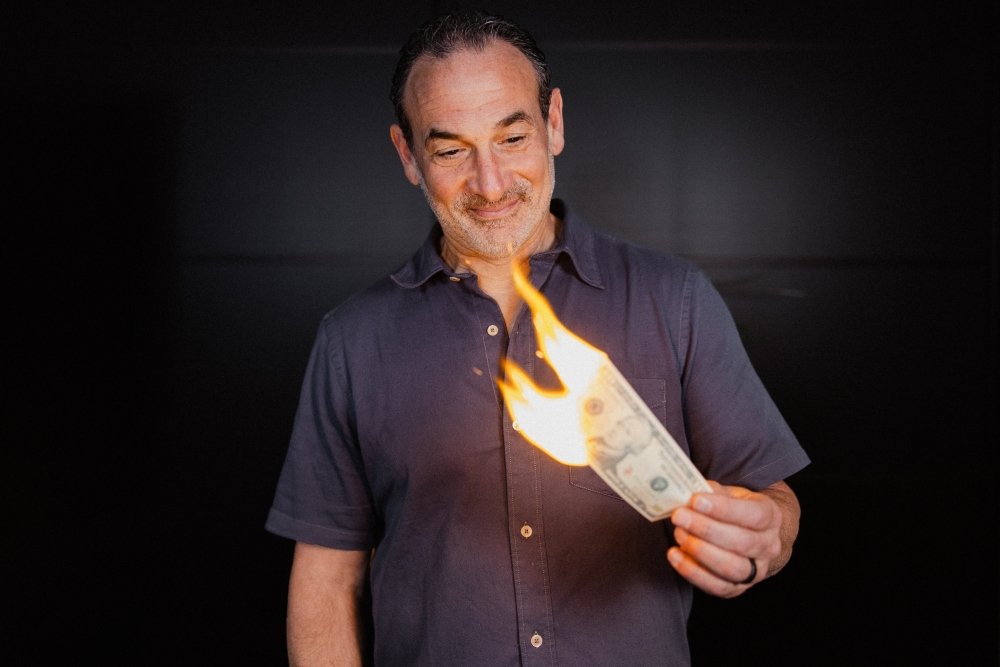
Mel H. Abraham on Building True Financial Confidence

Photo Courtesy: Bry Penney

Abraham’s philosophy, presented in Building Your Money Machine, centers on systems thinking—the concept that results improve when underlying structures are designed intentionally. In personal finance, this translates to creating mechanisms that allocate resources automatically toward essentials, future goals, and well-being. Such a system is not about restriction; it is about consistency and focus.

When financial systems operate effectively, individuals spend less time worrying about day-to-day management and more time making strategic decisions. The process encourages awareness without overwhelm and supports a long-term vision instead of short-term reactions. It transforms financial management from a source of tension into a foundation for growth and stability.

Redefining Freedom Through Intentional Design

Abraham defines freedom not by a number in an account but by a state of confidence. Financial freedom, in his framework, is less about accumulation and more about autonomy—the ability to make choices based on purpose rather than pressure. This shift from seeking wealth to creating alignment allows people to reclaim control of their time, focus, and emotional energy.

The concept emphasizes ownership: owning decisions, owning direction, and owning the mindset that drives outcomes. When individuals understand their priorities and operate from structure rather than scarcity, they experience a renewed sense of empowerment. This emotional transformation often precedes measurable financial improvement.

The Power of Incremental Progress

Mel H. Abraham on Building True Financial Confidence

Photo Courtesy: Bry Penney

One of Abraham’s core principles is the value of incremental progress. He encourages consistent, manageable actions that build momentum over time. Even small steps—automating a transfer to savings, creating separate accounts for major goals, or setting boundaries around spending—can compound into meaningful change. The focus remains on building confidence through structure, not on chasing results.

Over time, these micro-decisions cultivate stability and reduce financial stress. As individuals gain clarity and see evidence of progress, their confidence grows, reinforcing a healthy relationship with money. The cycle becomes self-sustaining: structure drives clarity, clarity fuels confidence, and confidence inspires continued action.

Transforming Stress Into Confidence

Abraham’s work ultimately seeks to transform the way people relate to money. His framework provides a path from stress to confidence by blending practical systems with psychological awareness. Through education, structure, and mindset development, he demonstrates that peace of mind is achievable without constant monitoring or deprivation.

In a culture that often measures success through accumulation, Abraham’s perspective offers an alternative: stability through intentionality. By treating money as a supportive system rather than a source of anxiety, individuals can move toward a calmer, more empowered financial life.

About Mel H. Abraham

Mel H. Abraham is a financial educator, entrepreneur, and USA Today bestselling author of Building Your Money Machine. With decades of experience in business strategy and personal finance education, he helps individuals and organizations transform financial stress into confidence through systems thinking and intentional decision-making. To connect with Mel, visit www.melabraham.com.


Disclaimer: This article is for informational and educational purposes only. It does not constitute financial, investment, legal, or professional advice. Readers should consult with a qualified financial advisor or professional before making any financial decisions. The views expressed are those of the author and do not necessarily reflect those of the publisher.

Starbucks Red Cup Day 2025 Sparks Frenzy Nationwide

Every November, Starbucks fans across the United States mark their calendars for one of the coffee giant’s most anticipated traditions: Red Cup Day. Today, November 13, 2025, the event is sparking a nationwide frenzy. Customers are lining up early, mobile orders are surging, and social media feeds are filling with photos of the limited‑edition reusable red cup. For many, this annual giveaway is more than a freebie, it’s a cultural signal that the holiday season has officially begun.

Red Cup Day has been part of Starbucks’ holiday rollout since 1997, evolving from a simple seasonal design into a full‑blown cultural phenomenon. Each year, the company unveils a new cup design, often tied to themes of warmth, community, and festive cheer. The 2025 edition was created by designer Yvonne Chan, featuring a hand‑drawn sketch of a cozy Starbucks café scene. The artwork captures the feeling of stepping inside from the cold, a moment many customers associate with the brand’s holiday drinks.

The giveaway itself is straightforward: order a handcrafted holiday or fall beverage, and receive a free 16‑ounce reusable red cup. Drinks like the Peppermint Mocha, Caramel Brulée Latte, Sugar Cookie Almondmilk Latte, Gingerbread Chai Latte, and even the Pumpkin Spice Latte qualify. The promotion applies across in‑store purchases, drive‑thru orders, mobile app pickups, and delivery platforms such as DoorDash, Grubhub, and Uber Eats.

For collectors, the annual red cup is a prized item. Many fans keep each year’s design, building collections that span decades. Some even resell cups online, where demand spikes immediately after the giveaway. This collector culture adds another layer of excitement, ensuring that Red Cup Day remains one of Starbucks’ most talked‑about promotions.

The Frenzy in Stores and Online

Red Cup Day 2025 is seeing massive turnout nationwide. Customers are reporting long lines at urban locations, with some stores running out of cups within hours. Mobile orders are surging, with Starbucks’ app briefly experiencing delays due to the influx of traffic. Delivery drivers are also noting higher demand, as customers seek to secure their red cup without leaving home.

Social media is amplifying the frenzy. Hashtags like #RedCupDay and #StarbucksRedCup are trending on Twitter/X, TikTok, and Instagram. Fans are posting photos of their cups alongside festive drinks, while others are sharing videos of crowded stores. The event is becoming a digital spectacle, with millions engaging in the conversation.

This online buzz is part of what makes Red Cup Day unique. Unlike many promotions, it thrives on visibility. The cups themselves are designed to be photographed and shared, turning customers into brand ambassadors. The combination of nostalgia, design appeal, and social media virality is ensuring that Red Cup Day dominates cultural conversation.

The Collector’s Craze

Collectors play a major role in the Red Cup Day phenomenon. For them, the annual giveaway is not just about coffee, it’s about continuity. Each year’s cup represents a piece of Starbucks history, and owning the full set is a badge of dedication.

Starbucks Red Cup Day 2025 Sparks Frenzy Nationwide

Photo Credit: Unsplash.com

In 2025, resale markets are lighting up within hours of the giveaway. Online listings are appearing on platforms like eBay and Facebook Marketplace, with cups selling for multiples of their retail value. While Starbucks does not officially endorse resale, the demand highlights how deeply fans value the tradition.

Collectors are also driving online communities. Reddit threads and Facebook groups dedicated to Starbucks merchandise are buzzing with activity, as fans compare collections, share photos, and debate the merits of the 2025 design. This collector culture is transforming Red Cup Day from a marketing event into a shared hobby, reinforcing its cultural significance.

Labor Strikes Add Another Layer

While customers are celebrating, Red Cup Day 2025 is also becoming a stage for labor action. Unionized Starbucks baristas are staging strikes at multiple U.S. locations, using the high‑traffic day to draw attention to contract disputes. The slogan “No Contract, No Coffee” is appearing on picket signs, highlighting workers’ push for better wages and conditions.

Coverage from outlets like USA Today is noting that the strikes are timed deliberately to coincide with Red Cup Day, ensuring maximum visibility. For workers, the event’s cultural prominence is providing an opportunity to amplify their message.

The strikes are adding complexity to the day’s narrative. While many customers are focusing on the excitement of the giveaway, others are engaging with the broader conversation about labor rights. This duality, celebration and protest, underscores how Red Cup Day has grown beyond a simple promotion, becoming a cultural flashpoint with multiple layers of meaning.

The Marketing Power of Red Cup Day

From a business perspective, Red Cup Day is one of Starbucks’ most effective promotions. Analysts consistently note that it drives one of the company’s biggest single‑day traffic surges. Customers who might not otherwise visit Starbucks are flocking to stores, boosting sales of holiday drinks and merchandise.

The reusable cup giveaway also aligns with sustainability messaging. Starbucks is emphasizing that the cup is made from 95% recycled materials, reinforcing its commitment to reducing waste. This detail resonates with environmentally conscious customers, adding another reason to participate.

The event’s success lies in its simplicity. A free cup may seem small, but paired with the emotional appeal of holiday traditions, it becomes a powerful driver of engagement. Red Cup Day demonstrates how marketing can tap into cultural rhythms, turning a product into a seasonal ritual.

Social Media Buzz and Cultural Influence

The 2025 Red Cup Day is highlighting how social media amplifies cultural events. Platforms like TikTok and Instagram are becoming showcases for creativity, with users staging elaborate photo shoots featuring their cups. Some are pairing the cups with holiday decorations, while others are filming comedic skits about waiting in long lines.

This content is fueling conversation, ensuring that Red Cup Day reaches audiences far beyond Starbucks’ customer base. Even those who are not participating are being exposed to the event through viral posts, reinforcing its cultural presence.

The buzz around the event is also leading to lively discussions. People are sharing their experiences, debating design preferences, and predicting how the resale prices will fluctuate. These conversations are maintaining momentum, encouraging even more interaction across various platforms.

What’s Next for Red Cup Day?

As Red Cup Day continues to grow, fans are eagerly speculating about its future. Could Starbucks introduce multiple designs or add digital collectibles or augmented reality experiences to the tradition? While nothing official has been announced yet, anticipation remains high as fans continue to discuss what’s next for this beloved event.

Despite the challenges of labor strikes and logistical issues, Red Cup Day 2025 is demonstrating the event’s resilience. It continues to be a highly anticipated occasion that captivates customers and sparks cultural conversations. Whether it’s the sustainability angle, the collector culture, or the social media buzz, Red Cup Day proves that a simple giveaway can evolve into a nationwide phenomenon.

For Starbucks, Red Cup Day is not just a promotional event, it’s a holiday tradition, a cultural anchor, and a symbol of the brand’s place in the hearts of its customers. As fans continue to share, collect, and celebrate, Red Cup Day will undoubtedly remain a hallmark of the holiday season for years to come.