New U.S. Passport Gender Rules Spark Debate Over Identity and Travel


Passports are vital not only for international travel but also as proof of identity in countless situations. For individuals whose gender identity differs from their sex assigned at birth, the new rules could create mismatches with other documents, such as driver’s licenses, social security records, and medical records. This inconsistency can complicate routine activities such as boarding flights, applying for jobs, or accessing services.
The Supreme Court temporarily allowed the U.S. Department of State to enforce a policy requiring U.S. passports to display a person’s sex assigned at birth (male or female), even if it differs from their gender identity. This change affects both new passport applications and renewals, which must now reflect the sex assigned at birth, rather than allowing a gender marker based on the individual’s gender identity or a nonbinary “X” designation. While passports already issued under the previous system, including those with gender identity markers, remain valid until expiration, any renewals will need to comply with the updated rules. This adjustment creates significant uncertainty for many travelers, especially for transgender, nonbinary, and intersex Americans. The shift raises questions about how identity documents should reflect personal identity versus legal definitions, and how it impacts both domestic and international travel.
Industry and Community Reactions
The travel industry has already begun responding to the uncertainty created by the new rules. Airlines and border agencies rely heavily on passport data for identity verification, and mismatches between identity markers and a traveler’s personal presentation could lead to delays or additional screening. The challenge is compounded by the need for frontline staff to adapt to these changes while ensuring security and respecting travelers’ identities.
As gender identity markers become a more prominent issue in travel, questions remain about how airlines and border agencies will adjust. Delays, cancellations, and additional screening measures could cause frustration for travelers who face complications due to this new policy.
At the same time, community organizations and advocacy groups have raised concerns about how the policy will affect individuals in their daily lives. Many individuals, especially those who already face challenges in accessing services, may encounter additional barriers. While the Supreme Court’s decision is temporary, the immediate effects are already being felt by individuals who are navigating this new legal framework.
Several institutions are also looking for ways to alleviate confusion. Universities, employers, and local governments are considering how to support individuals whose passports no longer match other identity documents, like driver’s licenses and social security records. This adaptation reflects broader conversations about how institutions can accommodate diverse identities within bureaucratic systems.
Legal Uncertainty and Ongoing Debate
The Supreme Court’s order temporarily allows the U.S. administration to enforce the new policy while lower courts continue to debate its legality. The temporary nature of this ruling creates ongoing uncertainty for both applicants and institutions that must navigate the changes. Legal experts and advocacy groups continue to argue that this issue is far from settled, and the possibility of future legal reversals adds complexity to the conversation.
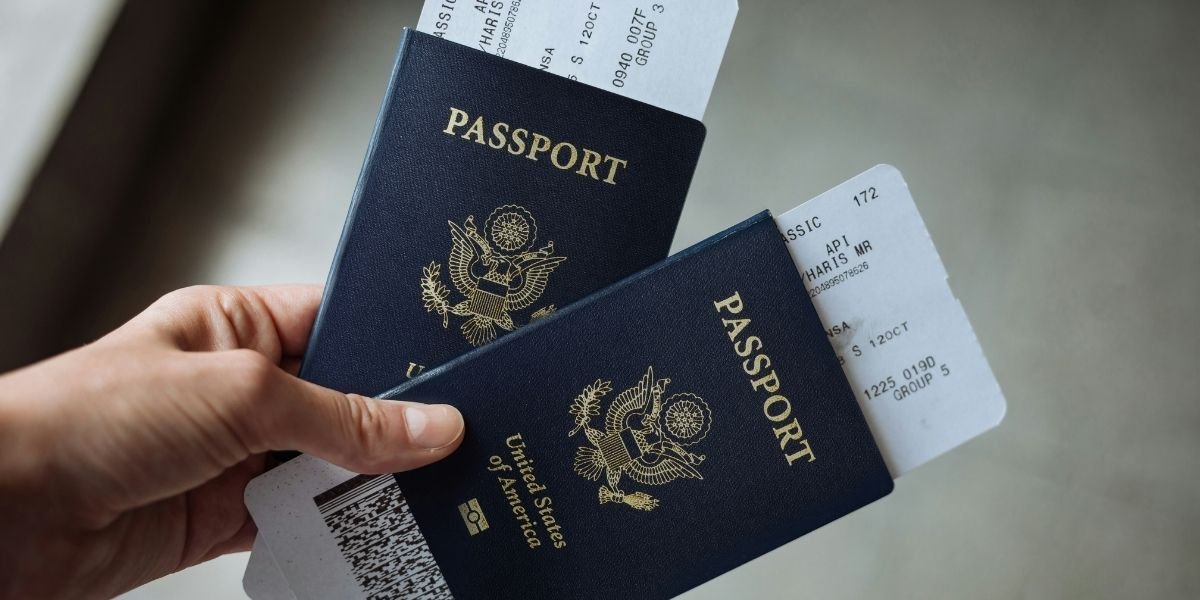
Photo Credit: Unsplash.com
Legal limbo creates challenges for those applying for passports or renewing existing documents, especially since the policy is subject to change in the future. While the ruling temporarily halts the gender identity marker option, there is ongoing debate about the legality and fairness of requiring individuals to list sex assigned at birth on their passports.
In the meantime, travelers are left to navigate this temporary framework, unsure of what changes might occur after the case is fully resolved. This uncertainty is especially concerning for transgender, nonbinary, and intersex individuals, who have expressed the need for identity documents that align with their lived experiences.
International Implications and Global Perspectives
The debate about gender markers on passports is not confined to the United States. Several other countries, including Canada, Germany, and Australia, have already introduced more inclusive policies that allow for gender identity markers or nonbinary designations on passports. The contrast between U.S. policy and these more inclusive international practices highlights the global divide on how to handle gender identity in official documents.
This international inconsistency raises questions about how U.S. travelers will navigate passport controls in countries where gender identity markers are allowed. As more countries implement policies recognizing nonbinary and gender-neutral identities, the U.S. may face challenges when citizens encounter systems that allow for greater flexibility.
In some regions, travelers may find it easier to align their identity documents with their lived identity, while in the U.S., the updated passport policy creates friction between personal identification and legal definitions. This issue underscores the interconnected nature of identity and mobility in the modern world, where global travel is increasingly common and where identity recognition is evolving in different parts of the world.
What’s Next? Navigating a Changing Landscape
As the legal battle continues, travelers are advised to stay informed about updates from the U.S. State Department regarding passport renewals and the potential for future policy changes. In the meantime, here are practical steps individuals can take to navigate the current system:
Apply early for renewals to avoid complications with updated rules.
Ensure consistency across all identity documents, including driver’s licenses, social security records, and banking documents, to minimize potential confusion.
Seek guidance from advocacy organizations like the National Center for Transgender Equality for resources and support during the transition.
While the current changes are temporary, the broader implications of this shift in passport policy will likely extend beyond travel. Identity documents are more than just bureaucratic tools—they affect how individuals interact with institutions, governments, and communities. As society continues to evolve in terms of identity and recognition, these shifts will likely lead to ongoing discussions about how to balance legal consistency with individual rights.
This ongoing conversation about gender identity in identity documents is about more than just travel. It is a reflection of how societies define identity, recognition, and belonging in an increasingly diverse and mobile world. The outcome of this debate will shape the way we think about identity documents and the role they play in both personal identity and international mobility in the years to come.