Economic Insider

EU Sets New Circular Economy Rules For End‑Of‑Life Vehicles


The European Union has unveiled new regulations that will reshape how vehicles are designed, dismantled, and recycled. These rules are part of a broader initiative to incorporate circular economy principles into everyday products, ensuring that cars are built with reuse and recycling in mind from the start. By shifting from directives to a unified regulation, the EU aims to harmonize standards across member states, creating a streamlined and more effective framework for environmental protection and resource efficiency.

For automakers, the new regulation introduces a set of stringent requirements. Vehicles must be easier to dismantle, with components designed specifically for recovery and reuse. This not only reduces waste but ensures valuable materials like steel, aluminum, copper, and plastics remain within the European economy rather than being discarded. The new framework signals a turning point in the automotive industry, one where design choices made today will determine the sustainability of vehicles decades into the future.

As the EU transitions to this new regulatory model, the automotive sector must adapt quickly. These regulations represent a shift from focusing on end-of-life disposal to proactively considering the vehicle’s full lifecycle, creating a new approach to vehicle manufacturing that emphasizes circularity and resource recovery at every stage.

Addressing the Challenge of Missing Vehicles

One of the key issues the new regulation seeks to address is the problem of “missing vehicles.” Each year, millions of cars disappear from official records, often being exported or dismantled outside regulated channels. This leakage undermines recycling targets and deprives the EU of valuable materials that could otherwise be recovered, such as metals and plastics.

The new rules aim to improve traceability of vehicles, ensuring that they are properly tracked from registration through to dismantling. Stricter export controls will be implemented, and producers will bear more responsibility to ensure cars are sent to authorized treatment facilities. The EU hopes these changes will close the loopholes that have allowed so many vehicles to disappear from the regulated system, reducing the volume of lost resources and ensuring a more sustainable approach to vehicle disposal.

For communities, the improved traceability means safer, cleaner environments. Properly managed end-of-life vehicles reduce the risk of pollution from harmful fluids, batteries, and electronics, while also ensuring that recycling businesses can thrive. This new regulation repositions vehicle disposal as a resource opportunity rather than just a waste management issue, ultimately benefiting both the economy and the environment.

Circularity Requirements and the Path to Industry Adaptation

The new regulation establishes clear circularity requirements for vehicle design, with specific targets for recycled content and obligations to facilitate disassembly. Automakers will need to rethink how parts are assembled to ensure that they can be efficiently separated at the end of a vehicle’s life. This shift aligns with broader EU goals to reduce dependence on raw imports and build a more resilient supply chain within Europe.
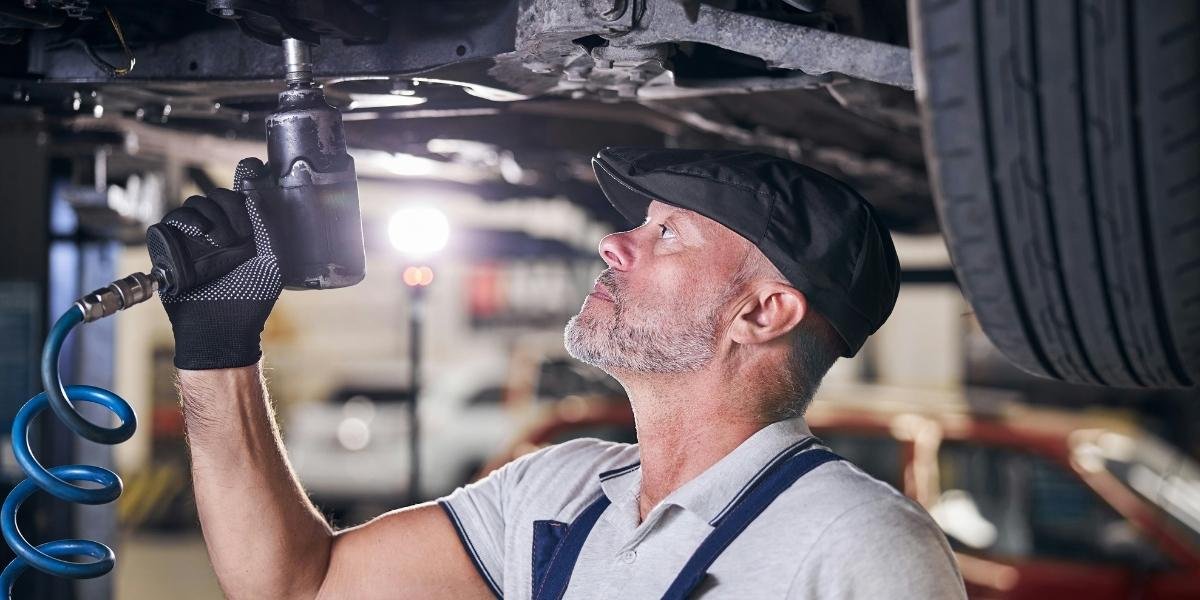
EU Sets New Circular Economy Rules For End‑Of‑Life Vehicles

Photo Credit: Unsplash.com

Particular focus has been placed on critical materials, such as rare earth metals used in magnets and electronics. These materials are vital not only for the automotive sector but also for renewable energy technologies and digital innovation. By designing vehicles with the recovery of these materials in mind, the EU is securing a more stable supply of resources essential for both clean energy and the tech industry.

Industry adaptation will require significant collaboration across manufacturers, suppliers, and recyclers. While the transition to more circular designs may present challenges, it also offers opportunities for innovation in materials science, design techniques, and recycling technologies. The regulation encourages companies to view circularity as a growth opportunity and a way to enhance their competitive edge in a changing global market.

Economic and Environmental Impact of the Regulation

The potential benefits of this regulation are significant. The European Commission estimates that millions of tonnes of steel, aluminum, and copper could be recovered annually, bringing these valuable materials back into the European economy instead of them being lost to waste. These materials, once destined for landfills or unregulated markets, will now circulate through the economy, reducing the need for virgin material extraction and lowering the carbon footprint of the automotive industry.

For the automotive sector, this regulation provides clarity and consistency across the single European market. By replacing fragmented national rules with a unified framework, manufacturers now have a clear pathway to compliance. This harmonization reduces the complexity of dealing with multiple regulations and provides manufacturers with a predictable framework, ultimately lowering costs and enhancing Europe’s position as a leader in sustainable vehicle production.

Beyond material recovery, the environmental impact of this regulation is significant. Proper treatment of end-of-life vehicles minimizes pollution from hazardous substances such as oils and fluids, supports cleaner communities, and contributes to achieving EU climate goals. This regulation demonstrates how the circular economy can create both environmental and economic benefits, reinforcing the EU’s commitment to sustainability.

The Road Ahead for Circular Mobility

The new EU rules represent a major step forward in embedding circularity into mobility. Vehicles are no longer seen solely as products to be consumed and discarded; they are part of a larger resource cycle that must be managed responsibly. This shift in mindset reshapes how society views cars, integrating them into broader sustainability narratives.

For citizens, the regulation provides confidence that the vehicles they drive today will be responsibly managed when they reach the end of their life. For businesses, it sets clear guidelines for innovation, design, and adaptation, ensuring that the automotive industry stays competitive in the global marketplace. And for policymakers, it offers a structured framework to track progress towards circular economy goals, pushing Europe closer to its vision of sustainable mobility.

The lingering question is how effectively these rules will be enforced across diverse member states and industries. Will the EU succeed in closing the gap on missing vehicles and ensuring that circularity is realized in practice, or will enforcement challenges delay progress towards the region’s vision for sustainable mobility?

Paul Davis Restoration of Southeast Missouri, Carbondale & Paducah: Restoring Property and Peace of Mind

A Neighborly Team With National Standards

When disaster upends a home or business, people look for more than a contractor. They look for a partner who can bring clarity, coordination, and craftsmanship when it matters most. Paul Davis Restoration of Southeast Missouri, Carbondale & Paducah answers that call with IICRC‑certified professionals, 24/7 emergency response, and a people‑first mindset rooted in service. The local team combines the resources of a trusted national brand with the heart of a neighbor, delivering restoration and remodeling work that feels as thoughtful as it is thorough.

What Sets the Team Apart

Property damage is never only about materials. It is about routines, memories, and livelihoods. The Paul Davis team treats every fire, water, mold, or storm loss with that perspective in mind. Their professionals manage insurance claims with precision, provide free estimates and consultations, and back their workmanship with strong warranties. Just as important, they over‑communicate. Customers are assigned a single point of contact who explains each step in plain language, sends timely updates, and remains accountable from start to finish. That approach reduces stress, keeps projects on schedule, and preserves trust at every stage.

End-to-End Service From First Call to Final Walkthrough

From the moment the phone rings to the final walkthrough, Paul Davis Restoration delivers a seamless experience under one roof. The team is equipped for emergency mitigation, complete reconstruction, and even remodeling that elevates the final result beyond pre‑loss condition. By coordinating specialists, documentation, scheduling, and materials sourcing, they minimize delays and eliminate hand‑offs that often frustrate property owners.

Emergency Mitigation and Cleanup

In an emergency, every minute matters. The team strives to connect with customers within 30 minutes of a claim and to be onsite within hours. That quick response protects the structure, stabilizes the scene, and prevents secondary damage. Water extraction, drying, smoke and soot removal, mold remediation, and board‑up services are performed by trained technicians who follow industry standards and safety protocols. Detailed photos and moisture readings are captured to support insurance documentation and to guide next steps without guesswork.

Reconstruction and Remodeling

Once the property is secure, reconstruction begins with a clear schedule and budget. Project managers leverage standardized, insurance‑approved estimating software to keep costs transparent and fair. Skilled trades restore framing, roofing, drywall, flooring, cabinetry, and finishes, while estimators and coordinators keep stakeholders aligned. Many homeowners and business owners choose to use the opportunity to refresh layouts, materials, or design features. The team is comfortable elevating spaces through thoughtful remodeling that brings renewed comfort and function.

Clear Communication and Fast Response

Customers frequently cite communication and speed as the differentiators that matter most. Paul Davis Restoration has built its process around those expectations. The single point of contact model ensures that questions are answered quickly and that decisions do not linger. Project management software tracks milestones so that owners understand what is happening today and what is coming next. If a timeline shifts because of permitting, supply chain issues, or weather, the team communicates early and offers solutions. The result is a steady, predictable experience during a moment that rarely feels predictable.

Trusted by Homeowners, Businesses, and Insurance Partners

Homeowners appreciate the peace of mind that comes with qualified technicians and respectful service. Business owners value minimized downtime and protection of their professional image. Insurance partners rely on accurate documentation, standardized pricing, and consistent customer satisfaction. Paul Davis Restoration also supports commercial clients with Emergency Response Plans. These plans organize critical building information, preferred contacts, and response protocols ahead of a loss. When an event occurs, that preparation shortens response time and safeguards operations.

Voices From the Community

Customer feedback reflects the team’s commitment to quality and care. One homeowner shared, “Excellent service from the time of the call until the last part of the job was done. They made sure we were 100 percent satisfied before they left,” said Denny Dalton. Another reviewer, Katelyn Draves, noted, “The staff were so friendly. They helped with everything I needed and did a perfect job doing it. Would 10 out of 10 recommend it to anyone needing assistance.” These experiences echo a consistent theme across the region. People feel heard, informed, and supported, and their properties look great when the work is complete.

The Craft of Doing Things Right

Behind the scenes, the team’s standards are rigorous. Technicians maintain Institute of Inspection, Cleaning, and Restoration Certification and follow established safety and hygiene protocols. Crews protect unaffected areas, control dust, and maintain clean job sites. Supervisors verify quality at checkpoints and ensure that punch lists are addressed before a project is considered complete. The company’s workmanship assurances and full warranties reflect confidence in the process and respect for the customer’s investment.

A Calm, Professional Presence During Difficult Days

Disaster work is as much about people as it is about property. The Paul Davis team brings a calm, professional presence that helps families and business owners make sound decisions under pressure. Clear options are presented without jargon. Insurance communication is handled carefully. Next steps are always explained. When the project is finished, the goal is more than restoration. It is the return of comfort, confidence, and normalcy.

Connect With the Team

Property owners across Southeast Missouri, Carbondale, and Paducah can learn more, request a free estimate, or start an emergency response by visiting the Paul Davis Restoration of Southeast Missouri, Carbondale & Paducah website at southeastmo.pauldavis.com. For project highlights, tips, and a closer look at the team’s work in the community, explore their YouTube channel and follow their Instagram profile.

Wearable Technology Trends: The Future of Health and Fitness Tracking

Expanding Beyond Step Counting

Wearable technology has moved far beyond its early focus on step counting. Modern devices now track a wide range of health indicators, including heart rate, sleep quality, and stress levels. Today’s wearables also provide early health warnings, giving users insights into potential issues before they become serious.

This expansion reflects a shift toward holistic health monitoring. Instead of focusing only on physical activity, wearables now integrate data on mental well-being, recovery, and lifestyle habits. This broader approach helps individuals understand how different aspects of health are connected.

The technology also supports long-term behavior change. By providing continuous feedback, wearables encourage users to make small, consistent adjustments that improve overall health. This makes them valuable tools for both fitness enthusiasts and those simply looking to maintain healthier routines.

Integration of Medical-Grade Features

One of the most significant trends in wearable technology is the integration of medical-grade features. Devices are increasingly capable of measuring blood pressure, oxygen saturation, and even glucose levels with high accuracy. The MoldStud Research Team highlights that continuous glucose monitoring is already being used by millions in the United States, offering real-time insights into metabolic health.

These features bridge the gap between consumer fitness devices and clinical tools. They allow individuals to track health conditions more closely while providing healthcare professionals with valuable data. This integration supports preventive care by identifying risks early and encouraging timely interventions.

The inclusion of medical-grade monitoring also reassures users about the reliability of their devices. As accuracy improves, wearables are becoming trusted companions in managing both everyday fitness and chronic health conditions.

Personalized Coaching and Artificial Intelligence

Artificial intelligence (AI) is playing a growing role in wearable technology. Devices now analyze data to provide personalized coaching, offering recommendations tailored to individual goals and habits. This shift is redefining how people approach fitness, as wearables act not just as trackers but as interactive guides.

AI-driven coaching adapts to progress over time. For example, if a user consistently meets step goals, the device may suggest new challenges or different types of activity. This adaptability helps maintain motivation and prevents routines from becoming stagnant.

By combining data analysis with real-time feedback, AI enhances the value of wearables. It transforms raw information into actionable insights, making it easier for individuals to understand and apply the data in their daily lives.

The Role of Continuous Monitoring

Continuous monitoring is another defining trend. Instead of capturing isolated data points, wearables now provide round-the-clock tracking. This creates a more complete picture of health, revealing patterns that might otherwise go unnoticed.

For example, sleep tracking highlights how rest affects energy levels and performance. Stress monitoring shows how daily routines influence mental well-being. These insights help users make informed choices about lifestyle adjustments, from bedtime routines to work habits.

Continuous monitoring also supports accountability. By seeing progress over time, individuals are more likely to stay engaged with their health goals. This ongoing feedback loop reinforces positive behaviors and helps identify areas for improvement.

Accessibility and Everyday Use

Wearable technology is becoming more accessible, both in terms of cost and usability. Devices are now available at a range of price points, making them attainable for a broader audience. Simplified interfaces and user-friendly apps ensure that even those with limited technical experience can benefit.

Integration with smartphones and other devices enhances convenience. Data can be synced across platforms, allowing users to view progress in one place. This accessibility makes wearables practical tools for everyday life, not just for athletes or tech enthusiasts.

As adoption grows, wearables are becoming part of daily routines. Whether used for tracking workouts, monitoring sleep, or managing stress, they provide consistent support for healthier living.

The future of wearable technology points toward even greater integration with healthcare systems. As devices become more accurate and widely used, they may play a role in routine medical care, supporting both prevention and treatment.

Advances in AI and sensor technology will continue to expand the capabilities of wearables. From detecting early signs of illness to offering personalized wellness plans, these devices are set to become increasingly central to health management.

For individuals, this means more opportunities to take an active role in their well-being. Wearable technology is not replacing traditional healthcare but complementing it, offering tools that make health and fitness tracking more accessible, personalized, and effective.