Economic Insider

Offshore Wind Farms Suspended, Thousands of U.S. Jobs Threatened

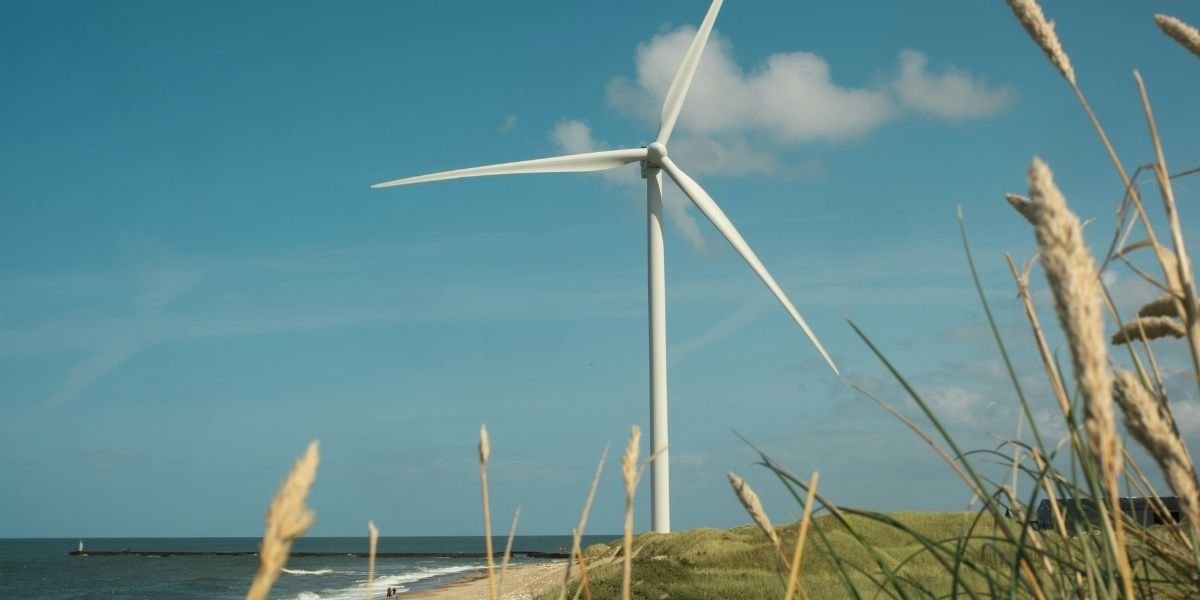
Impact of the suspension of offshore wind farms on Atlantic energy and jobs

The renewable energy sector along the U.S. Atlantic coast is facing its most significant challenge to date following a sweeping federal order to halt construction on several offshore wind farms. Effective December 22, 2025, the Department of the Interior issued an immediate 90-day suspension of work for major developments in Massachusetts, New York, Rhode Island, and Virginia. This move has paralyzed a multi-billion-dollar industry that was within months of delivering clean power to millions of homes. The sudden intervention has left thousands of skilled laborers and hundreds of local contractors facing an uncertain future during the height of the holiday season.

Federal officials justified the suspension by citing classified national security reports that identify massive turbine blades as a potential source of interference for domestic radar systems. Specifically, the Department of War raised concerns that the highly reflective towers and rotating blades create radar clutter, which can generate false targets and obscure legitimate aircraft or vessels in sensitive East Coast airspace. While industry leaders argue that these risks were already addressed during years of rigorous permitting reviews, the administration maintains that the rapid evolution of technology requires a complete re-evaluation of the infrastructure. This technical standoff has placed the nation’s energy independence goals and private financial commitments in direct conflict with defense priorities.

The suspension of work orders impacts offshore wind farms that are already in advanced stages of construction, such as Vineyard Wind 1 and the Coastal Virginia Offshore Wind project. Dominion Energy has noted that even a temporary halt may lead to energy inflation and influence the reliability of the grid for critical assets in the Virginia region. As the 90-day pause begins, the industry is preparing for a legal review that could define the path for American renewable energy policy. For the workers on the front lines, the immediate concern is the loss of specialized roles in port operations, subsea cable laying, and turbine assembly that may not be easily recovered.

Regional economic shifts and the loss of green energy employment

The economic fallout from the pause in offshore wind farms is being felt most acutely in coastal communities that had recently modernized their ports to support a new energy economy. Cities such as New Bedford, Massachusetts, and Norfolk, Virginia, have seen massive private and public funding used to transform aging maritime infrastructure into hubs for turbine manufacturing and logistics. With the sudden halt in activity, these ports are now sitting idle, and the local businesses that grew to support the influx of specialized workers are seeing their contracts evaporate. The disruption is creating a significant gap in regional employment that was supposed to be a cornerstone of long-term growth.

Offshore Wind Farms Suspended, Thousands of U.S. Jobs Threatened

Photo Credit: Unsplash.com

In total, the offshore wind farms affected by the December order were expected to support thousands of high-paying union jobs, many of which required specialized certifications and years of training. For example, the Empire Wind project off the coast of New York was actively employing over 1,000 people and coordinating with more than 100 companies at the time the stop-work order was delivered. The loss of these roles during a critical construction window means that specialized vessels and equipment—often leased at rates of tens of millions of dollars per month—may be moved to international markets. This shift of talent and equipment could set the domestic industry back by several years even if the pause is eventually lifted.

Governors along the Atlantic coast have expressed alarm over the suspension, noting that their states have relied on these projects to meet mandated carbon reduction targets. The sudden absence of this power supply from the planned energy mix may force a return to traditional fuel sources that are subject to greater price volatility. This shift not only influences electricity bills for millions of consumers but also changes the perception of the United States as a stable environment for large-scale infrastructure projects. The economic narrative has quickly shifted from one of opportunity to one of risk management for many coastal stakeholders.

National security concerns and the radar interference debate

The technical heart of the suspension lies in the concept of radar clutter, a phenomenon where large, moving objects reflect signals back to a receiver in a way that mimics legitimate targets. The Department of the Interior’s unclassified statement argues that the movement of massive turbine blades, which can reach heights of over 800 feet, creates a digital environment that is too complex for some defense systems to navigate. This clutter is particularly concerning near high-density population centers and critical military installations along the Atlantic seaboard. Federal officials contend that the current risk to national defense must be prioritized over the benefits of the clean energy being generated.

Industry proponents and former military officers have pushed back against these claims, pointing out that the offshore wind farms underwent decade-long reviews that included the Department of Defense and the Coast Guard. They argue that mitigation strategies, such as software upgrades for radar systems and the strategic placement of turbines, have already been implemented to address these specific concerns. For instance, some developers noted that their pilot turbines have operated for years without any reported impact on safety. The sudden emergence of new classified reports to justify the shutdown has led to questions about the timing and necessity of the work stoppage.

The debate highlights the difficulty of integrating modern energy technology with legacy defense systems that were designed for a different era. As drone technology and electronic warfare capabilities evolve, the tolerance for any signal interference appears to have reached a critical point for some agencies. The next 90 days will be used to determine if there are feasible mitigation measures that can satisfy the Department of War without requiring the permanent removal of the turbines. If no middle ground is found, the suspension could transition into a long-term cancellation of the leases, leading to billions of dollars in stranded assets and potential litigation.

Consumer energy costs and the shift in power generation

One of the primary selling points for offshore wind farms has been their potential to provide a massive, stable supply of electricity to densely populated coastal regions where land for traditional power plants is scarce. The suspended projects were collectively designed to power millions of homes, acting as a buffer against the price fluctuations of global commodity markets. Without this renewable supply entering the grid as planned between 2026 and 2028, utilities may be forced to rely on more expensive or less efficient backup sources. This shift is expected to have a direct and measurable impact on the monthly power bills of residents in several states.

Interior Secretary Doug Burgum has countered this by suggesting that traditional energy sources provide a more consistent output with less complex infrastructure requirements. This perspective highlights a fundamental disagreement over the long-term strategy that should govern domestic power policy. While proponents see wind as a way to diversify and secure the electrical grid, others see it as a technical challenge that creates more problems than it solves. The suspension effectively pauses the transition to a more varied energy mix, leaving consumers more vulnerable to the market dynamics of older fuel types.

The loss of grid reliability is a particularly sensitive issue in regions currently seeing fast growth in energy demand due to the expansion of data centers. Energy providers have stated that these offshore wind farms are essential to meeting this dramatically growing need for electricity. If the projects are permanently halted, the resulting energy deficit could lead to the need for emergency generation that might bypass established environmental standards. This creates a complex trade-off where the pursuit of national security through radar clarity might lead to a different type of risk in the form of a fragile and expensive electrical grid.

The future of energy projects and Atlantic regulatory policy

The suspension of offshore wind farms marks a pivotal turning point that will influence the risk profile of American infrastructure for years to come. Large-scale energy projects require years of planning and substantial upfront capital, all based on the assumption that federal permits, once granted, will be honored. By using a 90-day suspension to reconsider previously approved work, the federal government has introduced a level of uncertainty that may deter future participation in American waters. This shift in policy is already having an impact, with shares of major energy firms seeing significant changes following the announcement.

Moving forward, the industry may be forced to look toward international markets where regulatory environments are perceived as more consistent and less prone to sudden executive intervention. This could lead to a loss of domestic leadership in specialized marine technology just as the global market for these services is reaching its peak. To regain confidence, the federal government would need to provide a transparent and evidence-based roadmap for how national security concerns can be mitigated without shutting down entire industrial sectors. Whether such a compromise is possible remains a subject of intense discussion among analysts and local officials.

The final outcome of the 90-day review will determine if offshore wind farms remain a viable part of the U.S. energy landscape or if they become a symbol of a stalled industrial transition. State leaders are already exploring legal avenues to challenge the suspension, arguing that it creates unnecessary economic hardship and violates existing agreements. As the reviews continue, the idle construction sites along the Atlantic coast represent the current struggle between competing visions of energy, security, and economic progress.

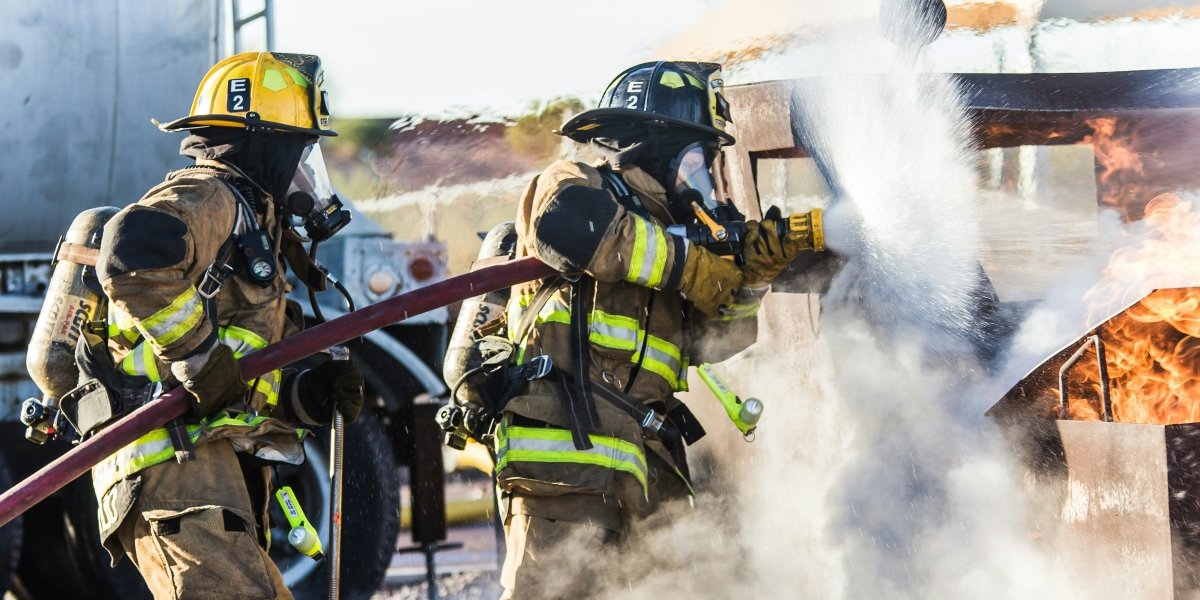
Discover How AI is Redefining Fire Detection at Fast Fire Watch

Did you know that nearly three out of five fire deaths (59%) occur in properties with either no alarms or non-functional systems? At Fast Fire Watch, we’re pioneering the integration of artificial intelligence to minimize this alarming statistic.

What if a simple upgrade to your fire detection system could save lives and reduce property damage? The Fast Fire Watch company is at the forefront of this transformation, leveraging artificial intelligence to enhance fire safety measures. 

Introduction to AI in Fire Detection

AI is transforming fire detection from a reactive process into a proactive shield against potential disasters. Traditional systems typically rely on fixed parameters, which can lead to false alarms or, worse, missed threats. With the integration of AI, advanced algorithms analyze vast amounts of data in real time, learning to differentiate between harmless activities and genuine hazards. This capability allows for more precise detection, significantly reducing response times and enhancing safety.

The Evolution of Fire Detection Technology

Fire detection technology has come a long way since the rudimentary smoke alarms of the past. Early systems relied heavily on simple mechanical devices, but today’s advancements are driven by incredible leaps in artificial intelligence and sensor technology. 

Modern fire detection systems can analyze environmental data in real-time, distinguishing between harmless smoke from cooking and dangerous flames, drastically reducing false alarms. This precision not only enhances safety but also minimizes disruptions to daily life.

How AI Enhances Fire Watch Services

Fast Fire Watch says, AI is fundamentally transforming fire watch services by leveraging advanced analytics and real-time monitoring to detect potential fire hazards more effectively than traditional methods. By integrating machine learning algorithms with surveillance systems, AI can analyze patterns and anomalies in various environmental factors, such as temperature fluctuations and smoke dispersion. This proactive approach means that potential threats are identified long before they escalate into full-blown emergencies, allowing for quicker interventions and potentially saving lives and property.

Real-Time Data Analysis and Alerts

Real-time data analysis and alerts are at the forefront of revolutionizing fire detection systems, enabling rapid responses that can save lives and properties. By leveraging advanced algorithms, AI tools sift through massive streams of data generated by sensors, cameras, and environmental inputs to detect anomalies or signs of fire, often before traditional methods could even begin to react. This swift analysis doesn’t just identify threats; it also evaluates their severity, allowing for a tailored response that can be life-saving in critical situations.

Challenges in Implementing AI Fire Detection

One of the primary challenges in implementing AI for fire detection is the need for vast amounts of high-quality data to train the algorithms effectively. While traditional fire detection systems rely on fixed parameters to identify smoke or heat, AI systems require diverse datasets that encompass a variety of conditions, like differing temperatures, humidity levels, and ambient light variations. Collecting and curating such datasets can be time-consuming and expensive, creating a barrier for many organizations seeking system integration.

The Future of AI in Fire Safety

As technology evolves, the integration of AI in fire safety is poised to redefine the landscape of fire detection and prevention. Imagine a future where smart algorithms continuously analyze vast datasets from building sensors, weather patterns, and historical fire incidents to predict potential fire outbreaks before they occur.

 This proactive approach could transform fire safety from a reactive measure into a comprehensive, preventive strategy, drastically reducing response times and potentially saving lives and property.

Embracing AI for Fire Safety 

In the realm of fire safety, AI is transcending traditional methods by introducing predictive analytics that can identify fire hazards before they escalate. By leveraging vast datasets, from building structure layouts to historical fire incidents, these intelligent systems can model risk scenarios, allowing for preemptive measures. This proactive approach not only enhances safety protocols but also optimizes resource allocation, ensuring that firefighting teams are deployed efficiently and effectively when seconds count.

Building a Future-Proof Marketing Career: Lessons from Robin Emiliani of Catalyst Marketing

By: AK Infinite

AI has already taken over most of marketing’s grunt work. It can write copy, support creative, analyze data, and spits out insights faster than any team could. What it still can’t do is think—or care.

That’s where the future-proof marketer earns their keep.

“The skills that matter most now aren’t technical,” said Robin Emiliani, CGO of Catalyst Marketing. “AI is handling the execution. What marketers need to develop are the skills that give work meaning—strategy, creativity, empathy, and the ability to connect technology to people.”

While the role of AI in marketing continues to expand, it’s essential to recognize that automation can only go so far. Despite its efficiency, AI lacks the nuanced understanding of human behavior that marketers bring to the table. Understanding cultural shifts, emotional triggers, and the evolving needs of consumers requires a level of intuition and adaptability that machines simply can’t replicate. As marketing becomes increasingly data-driven, the ability to interpret and act on that data in a way that connects with audiences will remain a uniquely human strength. Marketers who can bridge the gap between data and meaningful experiences will continue to be invaluable, ensuring their relevance in an AI-driven future.

Catalyst Marketing, a Denver-based growth marketing company specializing in AI-enabled marketing ecosystems, has spent the past year helping clients rethink what “marketing talent” means in the age of automation. Emiliani said the shift isn’t about eliminating roles, but evolving them.

“AI is making everyone faster,” she said. “But faster doesn’t always mean better. The marketers who win in this new environment will be the ones who can translate insight into emotion, and automation into something human.”

Human Skills Are Now the Real Competitive Edge

That ability to connect data with story is fast becoming what marketing leaders call “AI-proof.” It’s the blend of strategic thinking, emotional intelligence, technical acumen, and creative direction that technology can’t reproduce.

Catalyst’s work with enterprise and B2B clients reflects that trend. The firm now designs team structures that pair automation specialists with creative strategists, allowing AI to handle repeatable work while people focus on brand voice, narrative, and customer connection. The result: campaigns that move faster without feeling mechanical.

“Five years ago, marketing teams were built around platforms—social, paid, programmatic,” Emiliani said. “Now, they’re built around intelligence. You don’t need more hands; you need sharper minds with better tools.”

One crucial aspect of this shift is the increasing importance of building genuine human connections in a digital world. As AI continues to refine the mechanical aspects of marketing, marketers must focus on nurturing relationships that go beyond just the transaction. It’s about creating brand experiences that resonate emotionally with consumers, fostering trust, loyalty, and long-term engagement. Emiliani emphasizes that the best marketers will be those who maintain a deep understanding of their audience’s needs, desires, and pain points, and use technology as a tool to enhance those connections rather than replace them. The future-proof marketer knows that data may tell a story, but empathy and understanding will determine if it is one worth listening to.

Building a Future-Proof Marketing Career: Lessons from Robin Emiliani of Catalyst Marketing

Photo Courtesy: Catalyst Marketing

Redefining Marketing Careers in the Age of AI

Industry data backs it up. A 2025 LinkedIn report found that more than three-quarters of marketing leaders plan to invest equally in AI tools and creative upskilling over the next year. The goal isn’t to outpace AI, but to learn how to work with it without losing the craft.

Emiliani believes the marketers who will thrive are the ones who think like translators, not technicians. “AI will handle execution, but people will still drive relevance,” she said. “The marketers who understand that balance are the ones who’ll have a career ten years from now.”

Automation will keep rewriting the job description, but the mission hasn’t changed. Marketing still runs on ideas, instincts, and empathy. Those who remember that will outlast whatever comes next.

The Power of a Challenge: How Healthy Competition Drives Action and Growth

Harnessing a healthy challenge to drive performance and growth

The drive for excellence often finds its roots in the fundamental human desire to overcome a healthy challenge. In the modern workplace, this dynamic is frequently used to transform routine tasks into engaging milestones that promote professional development. Rather than fostering a sense of isolation or hostility, a well-structured contest can act as a bridge, bringing team members together toward a common objective. When progress is measured by growth rather than just the final score, the entire organization benefits from a surge in initiative and creative problem-solving.

Organizations that utilize a healthy challenge effectively often see a significant increase in employee engagement and retention. Research from groups like IncentivAction suggests that when individuals feel they are part of a fair and supportive environment, they are more likely to push past their comfort zones. This environment is characterized by clear benchmarks, transparent rules, and a focus on collective success. By framing competition as a tool for self-discovery, leaders can ensure that the focus remains on building a stronger, more resilient workforce.

The technical application of these principles involves setting realistic targets that are both attainable and demanding. A healthy challenge should provide enough friction to encourage growth without causing the level of stress that leads to burnout. Data-driven organizations use these structures to identify top talent while simultaneously providing a roadmap for those who may need additional support. This balanced approach ensures that the pursuit of excellence remains sustainable and continues to contribute to the overall health of the organizational culture.

Resilience and the role of a healthy challenge in daily life

Beyond the office, the principles of a healthy challenge can be applied to personal development, fitness, and educational goals. Striving toward a specific target—whether it is a faster running time or mastering a new language—provides a sense of purpose that fuels daily consistency. These personal hurdles help individuals develop the grit necessary to handle setbacks in other areas of life. The act of striving is often more valuable for long-term happiness than the actual achievement of the goal itself.

Resilience is built through the experience of trying, failing, and adapting to new information. A healthy challenge provides a safe arena to experience these setbacks without the high stakes of a major life crisis. This process teaches the brain to view obstacles as problems to be solved rather than threats to be feared. Over time, this mindset shifts an individual’s outlook from one of avoidance to one of active engagement. The result is a more confident individual who is better equipped to navigate the complexities of a rapidly changing world.

Maintaining respect and fairness is essential for ensuring that a healthy challenge remains constructive over time. In personal rivalries, such as between friends or classmates, the focus should always be on mutual improvement and support. Celebrating the progress of others, even while striving to surpass them, creates a positive feedback loop that benefits the entire group. This social dimension of competition is what prevents it from becoming toxic and ensures that it remains a source of joy and motivation for everyone involved.

Collaboration and team cohesion within a healthy challenge

One of the most effective ways to use a healthy challenge is to design it around team-based goals that require deep collaboration. When different departments or groups are tasked with achieving a shared benchmark, they are forced to share resources and ideas more effectively. This dynamic breaks down silos and encourages a culture of peer learning that can be far more effective than top-down training programs. The competitive element acts as a catalyst, but the collaborative element is what actually delivers high-level results.

The best results occur when the rewards for success are shared among all participants, regardless of their individual rank in the challenge. This ensures that everyone feels a sense of ownership over the outcome and is motivated to help teammates succeed. By prioritizing the success of the group, a healthy challenge can actually reduce internal friction and build a stronger sense of loyalty to the organization. It turns the workplace into a high-performance ecosystem where every member looks out for the growth of their colleagues.

Success in these settings depends on the quality of the feedback provided by leadership during the process. Continuous recognition of effort and progress is necessary to keep momentum high, especially during the middle phases of a long-term challenge. When individuals see that their hard work is being noticed and valued, they are more likely to maintain focus on the end goal. This ongoing communication ensures that the challenge remains a positive experience and continues to drive the intended performance and growth.

Applying a healthy challenge to personal skill development

The pursuit of mastery in a specific craft is often accelerated when an individual introduces a healthy challenge into a practice routine. Whether learning a musical instrument or developing coding skills, setting time-bound obstacles forces the brain to find more efficient paths to success. This method of deliberate practice requires a high level of concentration and a willingness to engage with difficult material. By consistently raising the bar, an individual can avoid the common plateau that occurs when a skill becomes too comfortable or routine.

Social benchmarks also play a role in how progress and potential are perceived. By engaging in a healthy challenge with a mentor or a peer, a student can gain immediate insight into where techniques may be lacking. This external perspective provides a mirror that reflects strengths and weaknesses in a way that self-assessment often misses. The resulting clarity allows for more targeted training and a faster rate of improvement. It also fosters a sense of accountability that is often necessary to sustain long-term efforts.

Ultimately, the goal of any personal hurdle is to prove that higher levels of achievement are possible with persistent effort. A healthy challenge serves as a milestone that marks the transition from one level of competence to the next. Achieving these small victories builds a mindset of success that carries over into all other areas of life. This internal confidence is a valuable byproduct of the competitive process, providing the mental strength needed to face the larger unknowns of the future.

Future standards for personal and professional achievement

As the world moves toward more remote and decentralized work environments, the need for a healthy challenge to maintain connection and motivation is becoming more pronounced. Digital platforms are increasingly incorporating gamification and leaderboards to provide the social benchmarks that were once found in a physical office. These tools allow individuals to stay engaged with peers and measure progress in real-time. The goal is to create a digital environment that replicates the best aspects of a healthy challenge while remaining accessible and inclusive.

The long-term benefits of this approach extend to the development of a more adaptable and innovative society. By teaching individuals how to engage with a healthy challenge early on, preparation is made for a future that will require constant learning and re-skilling. This mindset is essential for staying agile in a global economy where technology and industry standards are constantly evolving. Those who can embrace the friction of a challenge and turn it into fuel for growth will be the leaders of the next generation.