Economic Insider

Mohamed Fala: The Hotelier Who Made Authentic Egyptian Hospitality a Global Luxury Standard

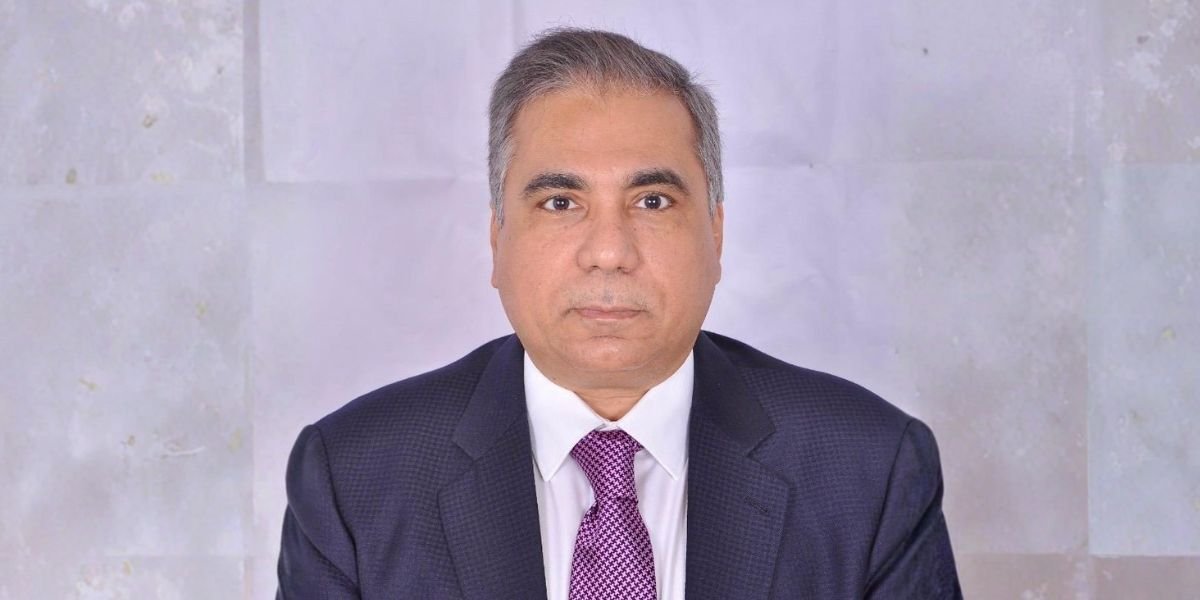
By: 10x Experts 

In luxury travel, standardization has long been the gold standard. The assurance of a consistent and predictable experience, whether in New York, Paris, or Tokyo, has been the hallmark of the world’s leading hotel brands. But Mohamed Fala, the visionary founder of Caribbean World Resorts, has always believed in a different kind of luxury, a luxury that is rooted not in sameness, but in soul. He has built his brand on a foundation of authentic Egyptian hospitality, a rich and ancient tradition of warmth, generosity, and storytelling that he has elevated to a global standard of excellence. In doing so, he has become more than just a hotelier; he has become a cultural ambassador, a man who is sharing the very best of his nation’s character with the world.

Mr. Fala’s philosophy is a direct challenge to the cookie-cutter approach that has come to dominate the hospitality industry. “I never wanted to be a copy of an international brand,” he states. “I wanted to create something that was authentically Egyptian, something that reflected our unique culture and our deep-rooted tradition of welcoming guests as if they were family.” This was a bold and risky strategy, particularly in the early days of the Red Sea’s development, when the prevailing wisdom was to emulate the established brands of the Mediterranean. But Mohamed Fala was playing a different game. He was not just building hotels; he was building a bridge between cultures.

At the heart of his approach is a deep and abiding respect for the intelligence of the modern traveler. He believes that today’s luxury traveler is not looking for a generic, sterilized experience. They are looking for connection, for meaning, for a sense of place. They are looking for a story, and Egypt, with its thousands of years of history, has the greatest story of all. “Our history is our strength,” Mr. Fala says. “We do not need to invent a brand story; we are a brand story.”

This philosophy is woven into the very fabric of his resorts. It is in the architecture, which draws inspiration from traditional Egyptian design. It is in the cuisine, which celebrates the rich and diverse flavors of the region. It is in the art, which showcases the work of local artists and artisans. But most importantly, it is in the people. Mohamed Fala has invested heavily in the training and development of his staff, not to teach them a standardized script, but to empower them to be their authentic selves, to share their natural warmth and generosity with the guests.

This focus on people is the secret to his success. He understands that true hospitality is not about fancy amenities or elaborate services; it is about human connection. It is about the genuine smile that greets you at the door, the thoughtful gesture that anticipates your needs, the heartfelt conversation that makes you feel like you belong. This is the essence of Egyptian hospitality, and it is a currency that cannot be replicated by any international brand.

Mohamed Fala’s commitment to cultural authenticity is more important than ever. He is a guardian of a precious and ancient tradition, a man who is ensuring that the soul of Egyptian hospitality is not lost in the rush to modernize. He is a reminder that the most powerful brands are not the ones that are the same everywhere, but the ones that are deeply and unapologetically themselves. And in sharing the gift of authentic Egyptian hospitality with the world, he is not just building a successful business; he is building a more connected and understanding world.

Building Your Team: Strategies for Recruiting and Managing Talent to Drive Business Growth

The growth of a business is closely tied to the people behind it. Recruiting and managing talent isn’t just about filling positions; it’s about creating an environment where individuals contribute to the overall goals while developing their skills. For many business owners, building the right team can seem challenging. However, understanding how recruitment aligns with strategy, and how management supports performance, can make the process more structured and less stressful.

What Effective Recruitment Looks Like

Recruitment refers to the process of attracting, selecting, and onboarding individuals suited to a company’s objectives. When done intentionally, recruitment ensures that people are aligned with the broader company strategy, rather than just filling job titles. A well-executed recruitment process can reduce mismatches, turnover, and hidden costs, thus helping businesses scale more smoothly.

Research by industry experts suggests that organizations treating recruitment as a strategic priority often outperform those who adopt a reactive hiring approach. For example, a growing retailer planning to expand into a new region can first define the core skills required, craft specific job descriptions, and use structured interviews tied to performance metrics. This approach leads to better hires and sets clear expectations from the outset.

Strategic recruitment also helps establish a strong company culture. Employees hired through a transparent, purpose-driven process tend to integrate more quickly and contribute confidently. Conversely, rushed hiring—driven more by urgency than alignment—can lead to turnover and disengagement. When viewed as a systematic approach, recruitment can become a driving force for long-term business growth.

How Managing Talent Supports Business Growth

While recruitment brings people into the organization, talent management ensures they stay engaged, productive, and continue developing. Talent management encompasses training, goal-setting, performance evaluation, and retention strategies. Businesses that link these components to measurable outcomes generally experience steadier growth and performance.

Research indicates that companies that combine workforce planning and continuous development typically see higher productivity and profitability. Connecting management with measurable performance metrics allows leaders to make informed adjustments, rather than simply reacting to problems as they arise.

For example, a growing tech startup that invests in leadership development for mid-level managers helps those managers become better at delegation, giving feedback, and motivating their teams. As a result, team performance becomes more consistent, and senior leadership can focus on growth rather than constantly troubleshooting issues. Talent management creates a multiplier effect—each individual’s progress directly impacts the overall performance.

Additionally, maintaining emotional balance within teams is a crucial part of talent management. Recognizing effort, providing feedback, and offering learning opportunities all help boost employee engagement. When employees feel supported and valued, they are more likely to stay, helping stabilize the business’s growth trajectory.

Common Risks and How to Address Them

Building a successful team involves inherent risks, particularly when hiring decisions are made under pressure. One common issue is short-term hiring—filling roles without considering long-term skill needs or cultural fit. This often leads to higher turnover and hidden replacement costs.

Another risk involves neglecting retention. Without structured development and recognition, employees may become disengaged or leave. Managing talent effectively means preventing attrition before it starts. Leaders who invest in mentorship, internal promotions, and skills development are more likely to retain their top performers.

Measurement is also critical. Tracking key talent indicators such as turnover rate, time-to-fill roles, and revenue per employee helps leaders gain valuable insights into workforce performance. Without consistent tracking, it’s difficult to identify and address people-related issues early on. Regular monitoring doesn’t have to be complex; consistency is key to effective talent management.

Practical Steps to Build a Talent Strategy

A comprehensive talent strategy links recruitment, management, and business goals under one framework. The first step is identifying business objectives and the types of people needed to achieve them. For instance, a company planning to launch a new product line should first outline the capabilities and leadership structure required before starting the hiring process.

Organizations that align their talent strategies with business goals tend to see better results. This alignment ensures that hiring decisions anticipate future needs rather than reacting to immediate gaps.

The second step involves refining the recruitment and onboarding process. Structured interviews, realistic job previews, and clear role expectations help reduce early attrition. Pairing new hires with mentors can also shorten adjustment periods and improve long-term satisfaction.

The third step focuses on ongoing talent development. This includes performance feedback, career-path discussions, and continuous training. By integrating development into everyday operations, businesses ensure that skills remain relevant and morale stays high. Tracking engagement scores and turnover data helps close the loop, offering insight into whether the system works as intended.

What This Means for Sustainable Business Growth

A company that recruits and manages talent strategically builds not only teams but also organizational resilience. Clear role definitions and consistent communication minimize confusion. Development and recognition programs strengthen employee engagement, creating stability—an important advantage in competitive markets.

For leadership teams, effective talent management results in greater predictability. When employees stay longer and perform better, future growth becomes easier to plan. Customer service improves, innovation strengthens, and performance metrics become more reliable.

Long-term growth hinges on consistent, small practices: evaluating recruitment pipelines, mentoring future leaders, and adjusting policies based on measurable outcomes. By embedding these habits, businesses move from reactive to proactive, supporting both performance and peace of mind.