Economic Insider

The Real Way to Fix Years of Unfiled Taxes Without Panic, Shame, or Financial Confusion

By: Kate Sarmiento

It usually does not begin as a major financial crisis. Most of the time, it starts with a single year that slips by. At Life After Debt, this is one of the most common financial stories people share when they first reach out for guidance.

Maybe paperwork got lost during a move. Maybe freelance work made taxes confusing. Maybe life simply got busy, overwhelming, or unpredictable. One year of unfiled taxes turns into two. Then three. Eventually, the situation starts to feel so big that it becomes easier not to look at it at all.

For many people, unfiled tax returns create a quiet kind of stress that lingers in the background of everyday life. It shows up when conversations about money come up, when financial goals are being discussed, or when a letter from the IRS arrives in the mailbox. Even thinking about taxes can start to feel intimidating.

The reality is that this situation is far more common than most people realize. Millions of Americans fall behind on tax filings for a variety of reasons, and the IRS continues to report significant tax gaps each year between what is owed and what is actually filed or paid (Source: Tax Policy Center, 2024).

The good news is that falling behind does not mean the situation cannot be fixed. The biggest obstacle is usually not the paperwork or the process, but instead the fear and confusion surrounding where to begin.

That is exactly why organizations like this exist. Founded by entrepreneur Amber Duncan, the team focuses on creating a judgment-free space where people can talk openly about money and start building a path toward financial freedom. Instead of approaching finances with shame or pressure, the focus is on helping individuals gain clarity around complicated situations such as credit card debt, bankruptcy concerns, and overwhelming financial obligations.

For someone who has not filed taxes in years, the first step is clarity.

The Real Way to Fix Years of Unfiled Taxes Without Panic, Shame, or Financial Confusion

Photo Courtesy: Amber Duncan

Step One: Why People Fall Behind on Unfiled Taxes and How to Break the Cycle

One of the biggest reasons people avoid addressing unfiled taxes is the belief that their situation is uniquely bad. In reality, falling behind on taxes happens for a wide range of reasons.

Freelancers and small business owners often deal with income that does not have automatic tax withholding. That means taxes require additional planning and paperwork. When business grows quickly or finances become complicated, filing responsibilities can easily slip through the cracks.

Major life changes also disrupt financial routines. Divorce, illness, unemployment, or caring for family members can shift priorities away from administrative tasks like tax filing. Once a year or two passes without filing, the situation begins to feel intimidating.

Financial stress plays a big role here. Money concerns remain one of the leading sources of stress among adults, affecting mental health, sleep, and overall well-being (Source: National Library of Medicine, 2022). Avoidance becomes an emotional defense mechanism.

But taxes rarely become easier when ignored. The good news is that the IRS generally prefers people to become compliant rather than remain stuck in avoidance. Even individuals who have missed multiple years of tax filings usually have clear options once they begin addressing the situation. The key is simply starting.

Step Two: How to Start Fixing Unfiled Taxes by Gathering the Right Financial Records

One of the biggest myths about catching up on taxes is the idea that every document must be perfectly organized before taking action.

That is not true.

The goal at the beginning is simply to start gathering information. Think of it as building a financial snapshot rather than solving the entire puzzle at once. Start with whatever records are available:

  • Past tax returns
  • W-2 forms from employers
  • 1099 forms from freelance or contract work
  • Bank statements
  • Business income records
  • Any IRS letters or notices

Even partial information can help create a clearer picture of what happened during those years.

Many people worry that missing documents will prevent them from filing taxes, but in most cases, those records can be retrieved. Employers and financial institutions submit income information directly to the IRS, which means transcripts of that information often exist. That data can help reconstruct financial records when paperwork is missing.

Once documents begin to come together, the situation often feels less intimidating. What once felt like a giant unknown becomes something more structured and manageable. This stage is also where professional guidance can be incredibly helpful. Financial advisors and debt experts can help organize the information and identify possible solutions.

At Life After Debt, this process often begins with their free 15-minute Clarity Call. Instead of overwhelming individuals with complex financial language, the conversation focuses on understanding the situation and identifying realistic next steps.

Sometimes clarity simply begins with someone helping you see the full picture.

Step Three: How Unfiled Taxes Connect to Credit Card Debt and Bigger Financial Challenges

Unfiled taxes rarely appear by themselves. More often, they exist alongside other financial pressures. Credit card balances may have grown over time, business expenses may have become difficult to track, and household finances may feel stretched thinner than expected. These issues often feed into one another.

Credit card debt, for example, continues to rise across the United States as households rely more heavily on credit during periods of rising costs (Source: Ramp, 2025). When financial pressure builds, administrative tasks like tax filing often fall to the bottom of the list.

Solving financial challenges does not require fixing everything at once. The process usually works best when approached step by step. Taxes may be the first issue addressed. From there, individuals can begin looking at broader financial strategies that include debt settlement, improved financial planning, and stronger money management habits.

This broader perspective is central to how Life After Debt approaches financial guidance. Amber Duncan’s own experience with financial collapse during the 2008 financial crisis shaped the company’s philosophy. After declaring bankruptcy alongside her husband, she recognized how isolating financial hardship can feel and how few resources existed for people navigating those situations.

What began as a deeply personal turning point eventually became the foundation of the work she does today. Since launching Life After Debt, Amber and her team have helped clients clear more than $100 million in credit card debt, turning personal financial devastation into a system designed to help others regain control of their finances.

Instead of focusing only on numbers, the company emphasizes conversation, education, and empowerment. The goal is to help people understand their rights around credit card debt, explore options like debt settlement, and build a path toward financial freedom.

When people understand their finances clearly, fear begins to lose its power. Clarity creates momentum, and momentum helps people start moving toward lasting financial stability.

Step Four: Creating a Realistic Plan to Resolve Unfiled Taxes and Move Toward Financial Freedom

Once the facts are on the table, the next step is building a strategy. That strategy will look different for every individual. Some people may simply need to file past tax returns and set up a payment arrangement for any balance owed, while others may explore negotiation options or financial restructuring that reduces financial strain. What matters most is that options exist.

Many adults report that they were never taught practical financial skills like tax planning, budgeting, or debt management while growing up (Source: NEA Research, 2024). That knowledge gap often leaves people feeling lost when financial challenges arise. Education helps close that gap.

Understanding how taxes work, how debt can be negotiated, and how financial systems operate gives individuals the confidence to make informed decisions. Life After Debt focuses heavily on financial education as part of its approach. Their upcoming program, “Negotiate Your Way Out of Debt: A Step-by-Step System,” is designed to help individuals understand how financial negotiations work and how to approach debt in a more strategic way.

When knowledge increases, fear decreases. Once people see a clear path forward, financial progress becomes possible.

A Clear Path Forward If You Have Years of Unfiled Taxes

Years of unfiled taxes can feel like a locked door in someone’s financial life. But locked doors usually open once the right steps are taken. For many people, the hardest part is simply beginning the process. Gathering information, understanding the situation, and exploring options can transform confusion into a manageable plan.

That process becomes much easier when guidance is available. Life After Debt offers a free 15-minute Clarity Call designed to help individuals talk through their financial challenges and gain immediate direction. The call provides a safe space to discuss taxes, credit card debt, finances, or business ideas without shame or judgment.

Thousands of individuals have already used this approach to regain control of their finances and begin moving toward financial freedom. Financial recovery does not start with perfection. It starts with clarity, and sometimes clarity is just one conversation away.


Disclaimer: The information provided is intended for informational purposes only and should not be construed as financial or tax advice. Readers are encouraged to seek professional guidance tailored to their specific circumstances before making any financial decisions.


Amazon Expands 1-Hour & 3-Hour Delivery Service Across U.S. Cities

Amazon has significantly expanded its logistics capabilities with the introduction of 1-hour and 3-hour delivery options across hundreds of cities in the U.S. This ambitious rollout extends to over 90,000 eligible products, covering a range of categories such as household essentials, electronics, and personal care. The move strengthens Amazon’s position as a key player in the rapidly growing e-commerce sector, with both consumers and competitors feeling the effects of this fast-paced shift in delivery expectations.

Ultrafast Delivery Takes Center Stage in U.S. E-Commerce

Amazon’s 1-hour and 3-hour delivery service is now available in select cities and towns across the U.S. This expansion builds on Amazon’s same-day fulfillment model and aims to redefine the consumer shopping experience. Previously, same-day delivery had already reshaped how Americans shop online. But these new delivery windows take speed and convenience to another level, allowing customers to receive orders almost instantly.

For Prime members, 1-hour delivery costs $9.99, and 3-hour delivery is priced at $4.99, while non-Prime members face higher fees, with 1-hour delivery priced at $19.99 and 3-hour delivery at $14.99. These services are now available through the Amazon app, where shoppers can filter by delivery speed and identify eligible items with dedicated badges. The convenience of having products delivered in such a short time span is no longer a novelty but quickly becoming the new standard in retail.

Expanding Product Selection to Meet Demands

Amazon’s ultrafast delivery covers a broad range of products beyond just groceries. While the service started with grocery items, this expansion includes general merchandise, ranging from home essentials to electronics and personal care items. The initiative targets high-demand items that are crucial to daily life, ensuring shoppers can get what they need without waiting for extended delivery windows.

This extensive product catalog positions Amazon to challenge competitors in the growing ultrafast commerce sector. The service now caters to much more than just quick meals or convenience items, positioning itself as a mainstream solution for various product categories.

The Competitive Pressure on Retail Rivals

This major shift is likely to put pressure on Amazon’s competitors, such as Walmart, Instacart, DoorDash, and Uber Eats, all of which are also expanding their fast delivery services. Walmart, for example, offers same-day delivery in many regions, yet Amazon’s 1-hour and 3-hour delivery windows introduce new expectations that competitors may struggle to meet.

Instacart and DoorDash, which have primarily focused on grocery delivery, now face Amazon’s broader product range and ultrafast delivery speeds. Meanwhile, Uber Eats, once solely focused on food, has started experimenting with retail deliveries. However, Amazon’s scale and infrastructure give it a clear edge over these rivals. The logistics and fulfillment capabilities needed for such rapid deliveries require a level of precision that smaller competitors might find challenging to match.

Amazon’s Logistics Network Powers Rapid Expansion

Behind Amazon’s 1-hour and 3-hour delivery service is its extensive logistics network. Amazon operates strategically located same-day fulfillment centers in urban and suburban areas, enabling it to offer such fast delivery windows. These centers store popular products, ensuring that Amazon can quickly process and ship orders. Real-time inventory systems keep customers informed of which items are eligible for ultrafast delivery.

The customer experience is streamlined through an intuitive interface that highlights eligible products with delivery speed badges, allowing for a smooth and fast shopping journey. When an order is placed, Amazon’s algorithms calculate the quickest route from the fulfillment center to the delivery location, ensuring timely arrivals. The operational complexity is high, but Amazon’s vast infrastructure enables the company to absorb this complexity without compromising service quality.

Changing Consumer Expectations and the Future of E-Commerce

The introduction of 1-hour and 3-hour delivery options marks a significant shift in consumer behavior. Previously, same-day delivery was considered a premium offering. Today, with Amazon’s ultrafast service, many consumers now expect that level of immediacy to be the new normal. Shoppers are more likely to wait until the last minute to make a purchase, knowing they can receive items within hours, further influencing retail dynamics.

As consumers become accustomed to these delivery speeds, retailers across the U.S. must adapt their fulfillment strategies. Traditional delivery models no longer suffice; companies must now integrate advanced omnichannel capabilities and evaluate their logistics networks to remain competitive. The cost of ultrafast delivery services is an essential factor, and Amazon’s pricing model introduces a new way to offset costs by charging consumers for the added speed.

This shift has broader implications for the retail sector. Traditional brick-and-mortar stores may need to reconsider their delivery models and rethink how they deliver products to meet these growing consumer expectations. Retailers will also need to explore various delivery options, including store pickup and regional warehouse strategies, to maintain their relevance in this increasingly speed-driven retail market.

Amazon’s Strategic Position in U.S. Retail

Beyond speed, Amazon’s expansion of 1-hour and 3-hour delivery serves as an opportunity to boost its Prime membership and introduce a new revenue stream through the delivery fees. The company’s vast product range and logistical prowess continue to differentiate it from rivals, reinforcing its position as a comprehensive marketplace for a wide array of goods. This move is strategically significant, as it positions Amazon as not just a retailer but a major player in reshaping how goods are delivered across the United States.

The growing ubiquity of ultrafast delivery could signal a shift for U.S. retailers, making it necessary to reassess their logistics infrastructure and their pricing models. Retailers must decide whether to match Amazon’s offering or find alternative ways to stand out in a market increasingly dominated by speed and convenience.

Paul Davis Restoration of Brooklyn West Delivers a Single-Team, Start-to-Finish Restoration Process for Older Brooklyn Properties

By: Ethan Parker

Restoring Brooklyn’s Older Buildings with One Accountable Team

BROOKLYN, NY: When a pipe bursts during a cold snap or smoke residue settles into a pre-war apartment, the damage is only part of the problem. In many restoration projects, the bigger challenge is the handoff. One company dries the space, another prepares an estimate, someone else speaks with the insurance company, and a separate contractor rebuilds. Timelines stretch, communication breaks down, and residents are left trying to navigate a complex process while their homes or buildings are disrupted.

Paul Davis Restoration of Brooklyn West is designed to remove that friction by managing the full restoration cycle with a single, organized team. Led locally by Felipe Jimenez de Lucio Perez, the company combines emergency response, documentation, estimating, insurance coordination, and reconstruction into a single accountable operation, bringing structure and transparency to situations that can otherwise feel chaotic.

A Restoration Team Built for Brooklyn’s Most Complex Properties

Brooklyn’s building stock is famously varied, but older properties often require a different level of care and technical discipline. Brownstones, pre-war multifamily buildings, condominiums, and mixed-use properties can hide moisture behind plaster, beneath hardwood, or within tight wall cavities. The wrong drying approach can create secondary damage, and incomplete documentation can slow an insurance claim even after the work is complete.

Paul Davis Restoration of Brooklyn West focuses specifically on older Brooklyn structures where restoration requires careful moisture control, detailed recordkeeping, and insurer-compliant execution. Many contractors avoid this work because it is complex. The Brooklyn West team is built to handle it, supported by Institute of Inspection, Cleaning, and Restoration Certification (IICRC) standards and processes intended to protect both the property and the claim timeline when insurance is involved.

One Coordinated Process, From First Call to Final Repair

Emergency Mitigation, Documentation, and Reconstruction Under One Roof

Restoration work often breaks down not because the team lacks effort, but because the process is fragmented or driven by sales rather than execution. Paul Davis Restoration of Brooklyn West aims to keep projects moving by sequencing the job end-to-end, so each phase supports the next instead of creating delays.

That integrated approach typically includes:

  • Emergency stabilization and mitigation, designed to stop ongoing damage quickly.
    • Clear documentation and job photos to support scope decisions and claim requirements.
    • Estimating that reflects what the building actually needs, not what a pitch suggests.
    • Direct coordination with insurance carriers and adjusters when a claim is involved.
    • Reconstruction and repairs managed through the same accountable team, without gaps in communication.

Free Estimates and Clear Pricing

For property owners who prefer to self-pay, the company applies the same structured process and level of transparency, with a straightforward scope and pricing. Free estimates are available for most restoration projects. When a more detailed inspection is required, a small inspection fee may be charged and then credited back if the customer moves forward.

Rapid Response for True Emergencies, 24/7

Damage does not wait for business hours, and in dense neighborhoods, a small leak can quickly affect multiple units. The Brooklyn West team provides 24/7 emergency service and reports that it aims to be on-site within 2 hours for true emergencies, depending on call volume and conditions. The goal is not only speed, but also decisiveness: documenting conditions early, controlling moisture, and preventing further damage before it spreads.

This urgency is especially important in winter, when frozen pipes and heating issues can create cascading problems. In one customer review, Daniel Liss described a prevention-focused experience: “The team was very helpful with storm pipe freezing prevention. Professional, quick, and responsive. Highly recommend.”

Insurance Coordination Without the Paperwork Headache

Claim Support That Keeps Projects From Stalling

For many households and building managers, insurance is the most stressful part of the restoration process. Even when coverage exists, the claim process can feel unfamiliar and time-consuming, especially when documentation, estimating, and adjuster communication are spread across multiple vendors.

Paul Davis Restoration of Brooklyn West works directly with insurance carriers and adjusters, handling the documentation and communication needed to keep claims moving. That includes collecting job notes and photos, preparing an estimate aligned with the scope of work, and staying engaged throughout the entire timeline. Clients are not left to interpret technical details or chase updates across multiple parties.

This “one team, one point of accountability” model is designed to reduce confusion and help homeowners, condo boards, and property managers make decisions with a clear understanding of what is happening and why.

No-Nonsense Communication, Not Sales Pressure

What Clients Notice in the Middle of a Disruption

In restoration, trust can be hard to earn. Homeowners often meet a contractor for the first time on a difficult day, and it is easy to feel like a job is being sold rather than responsibly managed. The Brooklyn West team emphasizes a straightforward approach: explain what is happening, share realistic timelines, and follow through.

That tone comes through in client feedback, especially when people are assessing options before committing to major work. Louis Aronne highlighted the consultative style during a soot contamination concern: “I never felt like they were selling … they were actually trying to help and knew what they were doing.”

For residents navigating disrupted living conditions, consistent updates can make the difference between anxiety and clarity. The company provides regular progress communication and can share photo updates so stakeholders can track what has been completed and what comes next. Technicians are on-call and background-checked, and the team offers a workmanship commitment, including a one-year warranty to reinforce accountability after the job is complete.

Practical Guidance for Brooklyn Property Owners

Restoration is also about preparedness. Beyond the response itself, Paul Davis Restoration of Brooklyn West shares practical guidance for property owners and managers, from seasonal risk reminders to restoration FAQs. The company regularly posts educational updates and community-facing information through its social channels, including the Paul Davis Brooklyn West YouTube channel and Facebook page.

Serving Brooklyn Neighborhoods With Reliable Restoration Support

Paul Davis Restoration of Brooklyn West serves Brooklyn, including targeted ZIP codes such as 11215, 11201, and 11223. Weekend appointments are available by request, and language assistance is offered in English and Spanish. The company is locally owned and operated, family-owned, and minority-owned, with discounts available, including military discounts. On-site parking is available, and the office includes a wheelchair-accessible entrance and a gender-neutral restroom.

To learn more about services or request help, visit Paul Davis Restoration of Brooklyn West.

Paul Davis Restoration of the Space Coast Brings Downtime-Focused Mitigation and Reconstruction to Melbourne, Palm Bay, and Rockledge

By: Ethan Parker

A Space Coast Team Built for Fast, Careful Restoration

When property damage happens, time becomes the most expensive variable. Water spreads quickly, humidity accelerates secondary damage, and disrupted operations can cost far more than the original loss. On Florida’s Space Coast, where storm activity and coastal moisture are a fact of life, restoration work needs to move with urgency while still meeting high standards for safety, cleanliness, and long-term durability.

That is the lane where Paul Davis Restoration of the Space Coast positions its work. Locally owned and operated, the team combines a rapid emergency response approach with the structure of a national restoration network. The result is a restoration partner built to quickly stabilize damage, coordinate the moving parts of a claim, and guide projects through reconstruction without losing momentum.

The company’s crews are trained and certified to industry standards, including Institute of Inspection, Cleaning and Restoration Certification (IICRC) pathways that support consistent processes, measurable drying, and documented jobsite controls. Along with 24/7 emergency availability and free in-home assessments for many mitigation and rebuild projects, the company emphasizes something property owners often say they want but rarely receive in stressful moments: calm, clear communication paired with decisive action.

One Partner From Emergency Mitigation Through Full Reconstruction

Many restoration experiences break down at the handoff. A mitigation team removes wet materials, then the property owner is left to coordinate rebuild timelines, vendors, and insurance updates. Paul Davis of the Space Coast is structured to reduce those gaps by offering a complete, start-to-finish path that includes mitigation, content handling, and reconstruction.

Water, Storm, and Flood Damage

Water losses demand speed, precision, and daily verification. After an emergency, the first job is to stabilize the environment and prevent additional damage, including hidden moisture that can linger behind walls and baseboards. The Space Coast team uses professional drying and extraction equipment, along with documented moisture mapping, to confirm progress and support clearer communication of claims.

The company also emphasizes strategies that minimize disruption. For households, that can mean careful staging of equipment and work zones. For commercial spaces, this can include phased work so that critical areas remain operational when possible.

Fire, Smoke, and Odor Recovery

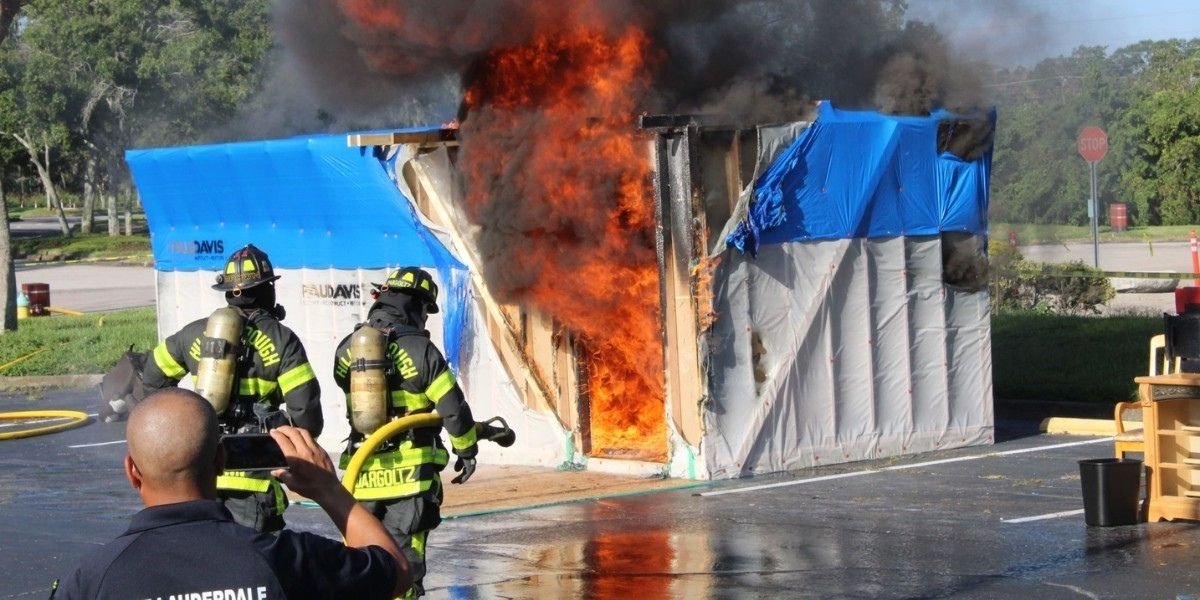
Fire damage is rarely limited to what is visible. Smoke residue can affect surfaces, HVAC pathways, and contents, and odor can linger if not handled correctly. Paul Davis’ approach combines cleaning protocols with equipment designed to address odor and airborne particulates, while keeping the project organized for the rebuild phase.

Mold Remediation and Preventive Containment

In humid environments, preventing microbial growth is a priority after water events. The company’s restoration workflow focuses on thorough drying, controlled containment where appropriate, and a documented process that supports quality assurance. For clients who require testing or third-party oversight, the team can coordinate with outside professionals while continuing to manage the jobsite schedule and reconstruction needs.

Insurance Coordination That Reduces Friction for Property Owners

Insurance-related restoration can become frustrating when documentation is incomplete, timelines are unclear, or responsibility is split across multiple vendors. Paul Davis of the Space Coast highlights a documentation-first model that supports smoother communication among property owners, adjusters, and stakeholders.

The team works with major insurers and third-party administrators and can help clients begin the claim process or coordinate after a claim number is issued. Estimates and scopes are typically prepared with line-item detail, and the company’s project management approach is built around clear milestones, approvals, and transparent updates. For covered work, direct billing is often available, while non-covered items are flagged early to avoid surprises.

This structure matters most for large or complex losses, where scheduling, content handling, and reconstruction sequencing can quickly spiral out of control. By keeping mitigation and rebuild planning connected, the company aims to shorten cycle times and keep owners informed with fewer handoffs.

Designed for Occupied and Regulated Facilities Where Downtime Is Not an Option

Beyond standard residential restoration, Paul Davis of the Space Coast specializes in downtime-critical restoration for regulated, occupied facilities. In practical terms, that means the team is prepared for environments where safety, infection control, and continuity of operations are non-negotiable.

Healthcare and senior living settings may require additional containment discipline and communication practices that respect privacy and operational flow. Multifamily and high-rise properties often require protocols for occupied units, resident notices, and careful job-site cleanliness throughout shared spaces. Hospitality and short-term rentals can require night or off-hour work, so guests and residents are protected, and schedules stay intact.

This focus is reinforced by the company’s emphasis on rapid response, specialized equipment, and procedures that support containment, air management, and documentation. It is also supported by an approach to coordination: one project manager, clear updates, and a plan that acknowledges that many properties cannot simply “shut down” during repairs.

Technology, Documentation, and Communication That Keep Projects Moving

Restoration is as much about project control as it is about construction. Paul Davis of the Space Coast points to advanced equipment and workflow tools that support faster recovery and clearer records, including moisture mapping, detailed photo documentation, and equipment designed for high-capacity drying and air filtration.

The communication piece is treated as a deliverable, not an afterthought. Many projects include proactive arrival and departure notifications, milestone updates, and clear explanations of what happens next. For property owners and facility teams, this can mean fewer unknowns during an already stressful disruption.

The company also emphasizes quality assurance through workmanship standards and commitment, including parts and labor coverage and a one-year warranty on qualifying work. That warranty mindset, paired with industry certifications, is intended to reduce the risk of incomplete drying, poor rebuild sequencing, or preventable callbacks.

What Clients Notice Most During High-Stress Projects

In restoration, the difference between “fixed” and “handled well” often comes down to professionalism, communication, and follow-through. Clients frequently point to responsiveness and project leadership as the qualities that make a difficult situation feel manageable.

One Space Coast customer, Dianne Bullard, described how a major water loss affected multiple rooms and materials, then highlighted the team’s thoroughness and daily check-ins as drying equipment ran. She noted that the workers were “very professional and thorough,” and added that she was “very pleased with them and work and highly recommend them,” ultimately choosing the company for the rebuild phase as well.

Another customer emphasized the importance of knowledgeable, consistent management during a timeline-driven project, crediting the project leadership for staying on schedule and being readily available when questions arose. That kind of feedback reflects what many property owners want most after a loss: a team that shows up, explains the plan, and follows through.

For ongoing updates and company information, the brand maintains an active presence through Paul Davis Restoration on LinkedIn and community-facing posts via Paul Davis Restoration on Facebook, where clients and partners can stay connected with service updates and restoration readiness messages.

Service Area, Accessibility, and Getting Started

Paul Davis of the Space Coast serves key communities, including Melbourne, Palm Bay, and Rockledge, with a focus on rapid response coverage in core Space Coast ZIP codes such as 32901, 32907, and 32955. Language assistance is available in English, Portuguese, and Spanish, supporting clearer communication during urgent situations and multi-step restoration projects.

The business also notes accessibility considerations at its location, including a wheelchair-accessible entrance, parking, restroom access, and seating, as well as a gender-neutral restroom. For many clients, those details are part of a larger signal: the company plans for people and real-world needs, not just the work order.

For property owners facing a sudden water loss, storm damage, fire impact, or mold concern, the first step is a clear assessment and a plan that matches the urgency of the moment. With 24/7 emergency support, certified processes, and a mitigation-to-rebuild structure designed to reduce downtime, Paul Davis Restoration of the Space Coast continues to position itself as a practical choice for residents and facility leaders who need restoration done quickly, correctly, and with steady communication throughout the process.

Paul Davis Restoration of NW Chicago Brings Full-Service Property Recovery and Clear Communication to Homeowners and Property Managers

By: Ethan Parker

A Local Restoration Team Backed by National Strength

When water, fire, mold, or storm damage affects a home or commercial property, fast action matters. Just as important, property owners need a restoration company they can trust to communicate clearly, act professionally, and handle the process from start to finish. That is where Paul Davis Restoration of NW Chicago stands apart.

Serving neighborhoods such as Jefferson Park, Mayfair, Edison Park, Norwood Park, and Old Irving Park, Paul Davis Restoration of NW Chicago combines the strength of a nationally recognized restoration brand with the attentiveness of a locally owned and operated business. The company offers a full-service model that includes mitigation, reconstruction, and contents handling under one roof, which helps homeowners, commercial property owners, insurance professionals, and property managers avoid the confusion that often comes with coordinating multiple vendors during a stressful event.

A Full-Service Approach That Reduces Stress

One of the most important differences between Paul Davis Restoration of NW Chicago and many competitors is its commitment to continuity throughout the restoration journey. Instead of handing off responsibilities from one vendor to another, the team manages the process from the initial emergency response through the final rebuild.

That approach is especially valuable for customers dealing with water intrusion, sewage backups, pipe bursts, storm damage, or other urgent property issues. The company aims to be on site in under two hours for true emergencies, depending on conditions and call volume, and it maintains 24/7 emergency service so customers can reach a live trained professional at any time.

For property owners, that means fewer unknowns and less pressure during an already difficult situation. For insurance adjusters and property managers, it means a dependable restoration partner that communicates clearly and keeps projects moving forward.

Direct Insurance Coordination Helps Clients Avoid Delays

Insurance claims can be one of the most frustrating parts of any restoration project. Paul Davis Restoration of NW Chicago works directly with all insurance carriers, helping clients manage documentation, expectations, and communication throughout the claim process.

By using industry-standard estimating software and thorough documentation practices, the team helps reduce confusion and keeps the claims process more organized. This is a meaningful benefit for homeowners who may be handling a major loss for the first time, as well as for property managers and commercial clients who need responsive service without unnecessary friction.

The company also offers free on-site assessments, giving property owners the opportunity to understand the scope of damage, the recommended next steps, and how the process is likely to unfold before making a commitment.

Professionalism, Empathy, and Accountability

In the restoration industry, many clients worry about high-pressure sales tactics, vague timelines, or poor communication once work begins. Paul Davis Restoration of NW Chicago was built to address that gap.

A Customer Experience Built Around Clear Expectations

The company emphasizes empathy, transparency, and steady communication from the first call onward. Customers are kept informed about what happened, what needs to be done, and what to expect next. That type of communication can make a significant difference when families or businesses are trying to recover from disruption.

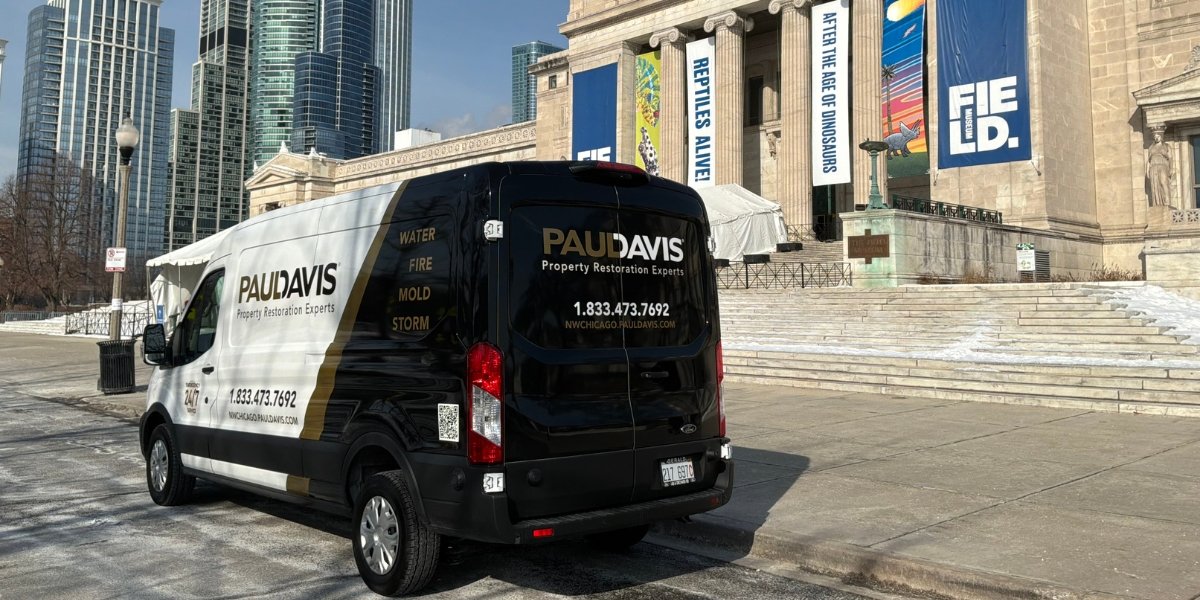
All team members undergo background checks, and the company highlights professional service, workmanship warranties, and IICRC-certified technicians as part of its standards. Modern equipment, well-prepared vehicles, and a calm, community-focused service style further reinforce the company’s position as a trusted local provider.

A Recent Client Experience Illustrates the Difference

A recent review from the Managing Director of pewag, Inc. reflects how this approach plays out in practice after a serious sewage backup at the company’s office bathrooms. Because the incident involved contaminated water, the business needed a team that could move quickly while prioritizing health and safety.

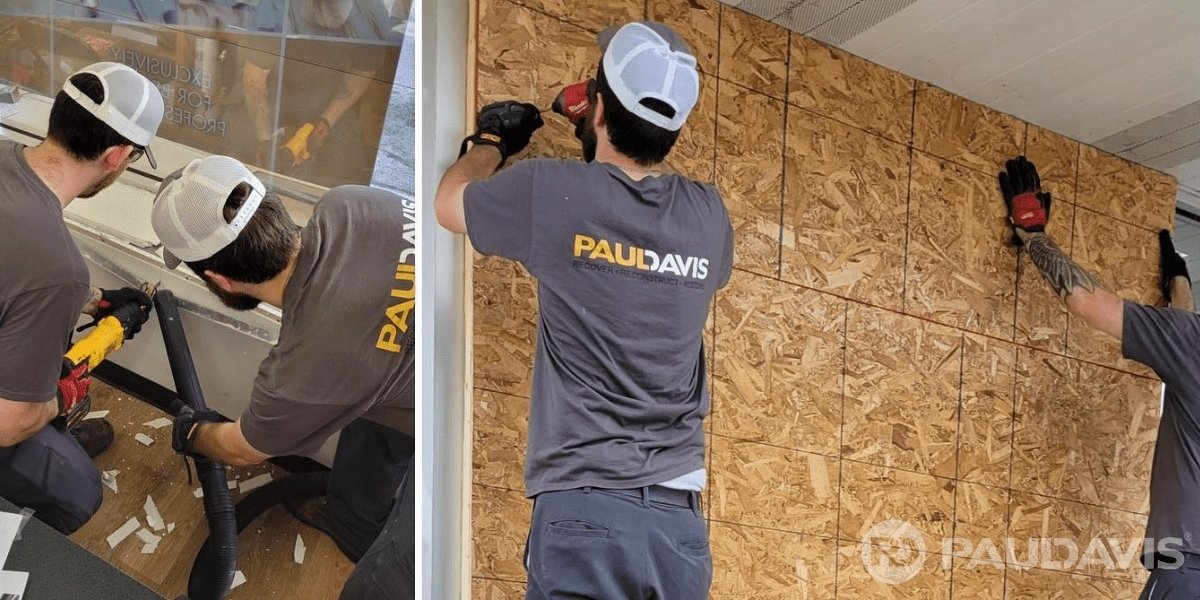
According to the review, Paul Davis Restoration of NW Chicago responded immediately, identified hidden moisture damage the client would not have spotted alone, and recommended a thorough remediation and restoration plan. The team began remediation right away, delivered a detailed quote for restoration work within two days, and fully restored the bathrooms within two weeks. The client also noted the crew’s professionalism, from protecting surrounding office areas to sealing work zones to control dust in an active workplace.

The review concluded with a strong endorsement, noting that the company delivered the safe and proper restoration the client needed and would be the first call for future restoration work.

Positive Reviews Reflect Consistent Service

That experience aligns with what other customers have shared. One reviewer, Taylor Willett, described the company as “professional, responsive, and very knowledgeable,” adding that the team made a stressful property damage situation feel smooth and straightforward. Another client, Veronica Soto, praised the company for responding quickly after a washing machine leak and helping prevent further damage through efficient, professional work.

Those testimonials point to a consistent pattern: prompt responses, detailed communication, and quality restoration work delivered professionally.

Serving Northwest Chicago With Local Commitment

Paul Davis Restoration of NW Chicago is deeply focused on the communities it serves across Midwest Cook County. Its local ownership gives the brand a more personal presence, while national backing provides customers with the confidence that comes from an established name in restoration.

For homeowners, this means access to a team that understands the urgency of protecting a family’s living space. For commercial clients, it means working with professionals who respect operational realities and take steps to minimize disruption. For insurance professionals, it means partnering with a restoration company that values documentation, accuracy, and dependable communication.

The company also maintains an active online presence where clients can learn more about services and company updates through its YouTube channel and connect with the team through its Facebook page.

A Trusted Option for Property Restoration in Northwest Chicago

Property damage often arrives without warning, and the aftermath can feel overwhelming. In those moments, clients need more than technical restoration work. They need a team that shows up quickly, explains the process clearly, works well with insurance, and follows through until the job is done.

Paul Davis Restoration of NW Chicago has built its reputation around exactly that standard. With 24/7 emergency service, free on-site assessments, IICRC-certified technicians, insurance coordination, and a full-service restoration model, the company offers a dependable solution for property owners seeking work handled correctly and professionally.

For homeowners and businesses in Northwest Chicago, that combination of local care and full-service capability makes Paul Davis Restoration of NW Chicago a restoration partner worth knowing before the next emergency ever happens.

Orlando Water Damage and Reconstruction Without the Downtime: Paul Davis Restoration of Orlando Sets a Higher Standard for Occupied-Site Recovery

Orlando Water Damage Restoration, Done Without the Downtime

Central Florida’s heat, humidity, and sudden storms can turn a routine day into an urgent property emergency in minutes. In those moments, the difference between a quick recovery and a drawn-out disruption often comes down to two things: response time and process. Paul Davis Restoration of Orlando is positioning itself around both, with a “downtime-first” approach designed for properties that cannot simply shut their doors while mitigation and repairs take place.

Serving Orlando and surrounding communities like Winter Garden and Windermere, the team focuses on rapid, organized restoration that prioritizes safety, documentation, and clear communication. From initial damage mitigation to full reconstruction, the company’s goal is to help property owners, managers, and occupants move from crisis to stability with fewer delays, fewer surprises, and a more predictable path back to normal operations.

A One-Stop Partner for Mitigation, Contents, and Reconstruction

For many property owners, the most frustrating part of damage recovery is the handoff between vendors. One company handles water mitigation, another addresses mold concerns, and a third may manage reconstruction, each with separate schedules, scopes, and paperwork. Paul Davis Restoration of Orlando aims to simplify that experience by offering comprehensive services under one roof.

The company’s capabilities span water and fire damage restoration, mold remediation support, contents handling, and repair and reconstruction. That integrated model is intended to reduce downtime by limiting coordination gaps and keeping accountability in one place. It also supports more consistent quality control, since restoration and rebuild decisions are made with the full project timeline in mind.

Paul Davis Restoration of Orlando also emphasizes service accessibility and preparedness. Emergency response is available 24/7, and the business offers free on-site assessments for many mitigation and rebuild situations. For property owners navigating uncertain next steps, those early inspections can set expectations quickly by identifying moisture patterns, outlining a practical plan, and clarifying which tasks are urgent versus which can be scheduled.

Built for Regulated, Occupied, and High-Traffic Environments

Not every restoration project happens in an empty building. Some of the most complex recoveries occur in spaces that must remain occupied, compliant, and safe, even while work is underway. Paul Davis Restoration of Orlando has carved out a niche in “downtime-critical restoration for regulated, occupied facilities,” with a strong emphasis on protocols that support continued operations.

This includes after-hours scheduling, rapid containment, dust control, and documentation workflows that align with the expectations of carriers and facility leadership. The company also highlights training and certifications that support higher standards of safety and cleanliness in sensitive environments, including IICRC credentials and containment-focused processes designed to reduce cross-contamination risk.

Healthcare and Senior Living: Containment-First, Patient-First

In healthcare and senior living communities, restoration work must be measured, controlled, and respectful of occupants. Paul Davis Restoration of Orlando emphasizes infection-control awareness and containment practices that support safer work zones. Quiet equipment choices, careful staging, and dignified communication are all part of maintaining a stable environment, especially when recovery is happening near residents, patients, or clinical operations.

For facilities that require strict documentation and predictable timelines, the company’s structured approach is designed to support faster room turnarounds while maintaining a professional standard of cleanliness and safety.

Hospitality and Venues: Phased Work That Keeps Doors Open

Hotels, venues, and high-traffic properties often face an uncomfortable reality: closing entire sections can mean major revenue loss and operational disruption. Paul Davis Restoration of Orlando’s approach is built around phased work plans that prioritize guest-safe containment, controlled work zones, and schedules that fit the property’s operating rhythm.

Night and weekend work, corridor-by-corridor phasing, and frequent status updates are positioned as practical tools to keep areas open while restoring affected zones. This style of project management is especially relevant in Orlando’s hospitality-heavy economy, where guest experience and safety expectations remain high even during emergency recovery.

Multifamily and High-Rise Properties: Resident-Safe Protocols and Clear Reporting

Multifamily buildings, HOAs, and high-rise communities bring unique challenges, including occupied-unit protocols, resident communication, and coordination across multiple stakeholders. Paul Davis Restoration of Orlando addresses these needs with structured communication, jobsite cleanliness standards, and reporting designed for property managers who oversee multiple units or buildings.

Language assistance in English, Spanish, and Portuguese also supports clearer communication with diverse resident populations, particularly when notices, access coordination, and expectations need to be consistent across an entire community.

Insurance Coordination That Reduces Friction and Surprises

In many restoration projects, delays come not from the drying process but from paperwork and approvals. Paul Davis Restoration of Orlando emphasizes insurance coordination as part of the service experience, supporting clients as they navigate adjuster communication, scope alignment, and documentation requirements.

The company notes that it works with major insurers and can coordinate directly with adjusters once a claim is established. Detailed, line-item estimating practices and documented scope support are designed to reduce misunderstandings and help projects stay on track. The intent is not only to restore the property, but to reduce the stress that often comes from unclear scopes, shifting timelines, and unexpected costs.

Technology-Forward Documentation That Supports Faster Approvals

Modern restoration requires more than equipment. It also requires proof. Paul Davis Restoration of Orlando highlights documentation-first workflows that can include photos, moisture mapping, and structured reporting that supports clearer decision-making for both property owners and carriers.

This process-oriented approach matters because it creates a single source of truth for what was found, what was done, and what is needed next. When documentation is consistent, approvals can move faster, and the transition from mitigation to reconstruction is less likely to stall.

Local Orlando Roots With National Resources Behind the Scenes

As a locally operated team with the support of a national franchise network, Paul Davis Restoration of Orlando aims to combine local responsiveness with broader resources, standards, and large-loss capability. That balance is especially valuable during storm season, when demand surges can overwhelm smaller operations.

The company also emphasizes workmanship and service assurances, reinforcing a long-term commitment to quality beyond the initial emergency. In an industry where trust is earned through follow-through, that warranty mindset helps set expectations around accountability after the job is completed.

What Clients and Partners Are Saying

Client experience often reflects the moments that matter most: responsiveness, clarity, and professionalism when people are under pressure. One Orlando-area customer, Debbie Snow, shared how the team performed after a condo flood, noting the “professional, timely and quality assistance” provided and describing the decision to move forward with reconstruction as “the best decision” after seeing the results.

Professional partners have also highlighted the company’s educational outreach and communication style. Jen Guzman, after attending a continuing education course led by team member Jessica Street, noted that the training was “professional, engaging” and that the environment felt like a “safe, open space for discussion,” leaving attendees more confident in supporting others. That commitment to education supports the company’s broader goal of being a steady presence in high-stress situations, whether on a jobsite or in the community.

Service Area, Accessibility, and How to Connect

Paul Davis Restoration of Orlando serves Greater Orlando and nearby communities, including Winter Garden and Windermere, with a focus on rapid emergency response in key areas. Accessibility features include wheelchair-accessible entrance, parking, restrooms, and seating, along with a gender-neutral restroom.

For property owners and managers who want to learn more about services, response protocols, and project support, visit Paul Davis Restoration of Orlando. The team also shares updates and helpful content through its YouTube channel and Facebook page.