Economic Insider

Apple CEO Shift Shapes Market Forecast Outlook for Tech Valuations

Apple’s recent leadership change, set for September 1, 2026, marks a critical moment in the company’s evolution. Tim Cook, after 15 years as CEO, will transition to the role of Executive Chairman. John Ternus, the current Senior Vice President of Hardware Engineering, will take over as CEO. This leadership shift comes at a time when Apple’s market value has grown from $350 billion to $4 trillion under Cook’s guidance. Ternus now faces the challenge of continuing this upward trajectory while overseeing a focus on hardware innovation and artificial intelligence (AI).

Tim Cook Steps Down: John Ternus to Lead Apple

On April 20, 2026, Apple officially confirmed the CEO succession, with Ternus set to take charge in the fall. Cook, who will remain as Executive Chairman, is known for his operational expertise, having significantly scaled Apple’s operations over his tenure. Meanwhile, Ternus brings a technical background that will steer Apple into its next phase, particularly in integrating AI with its hardware products.

Ternus’s appointment reflects a shift towards deeper integration of technology and hardware innovation. His leadership will be tested as he guides Apple through the challenges of maintaining its $4 trillion market value while continuing to push boundaries in AI and hardware engineering.

Hardware and AI: Ternus’s Dual Focus

Ternus’s technical expertise, especially his leadership in the development of Apple Silicon and the MacBook Neo, makes him well-suited to oversee Apple’s future innovations in hardware. As AI continues to transform the tech industry, Ternus is expected to steer Apple in a direction that blends AI with hardware in meaningful ways. This shift represents a return to the company’s roots, where hardware design was the main driver of market dominance.

The development of AI-powered products such as Siri, along with Apple’s exploration into spatial computing and robotics, will be areas where Ternus’s leadership will be under scrutiny. The ability to evolve Siri into a more advanced AI assistant is one of the key areas where investors expect tangible progress.

Apple’s Market Outlook and Key Drivers for 2026

Apple’s valuation remains strong at nearly $4 trillion, supported by a high price-to-earnings (P/E) ratio of 30.3. While this valuation is above the company’s historical average of 22.6, it reflects investor confidence in the firm’s ability to continue generating returns. For Ternus, the challenge is to sustain this premium valuation by delivering groundbreaking AI products and expanding the company’s market influence in areas such as spatial computing.

Three key factors will influence Apple’s performance in 2026:

  • AI Development: The ability to create new AI-driven experiences will be critical to Apple’s future growth. Ternus is expected to bring fresh ideas to the integration of AI in Apple’s products, particularly in software and hardware convergence.
  • Supply Chain Diversification: Apple’s “China-Plus-One” strategy aims to reduce the company’s dependence on Chinese manufacturing by expanding into countries like India and Vietnam. This diversification will help mitigate geopolitical risks and ensure that Apple can continue to deliver its products globally.
  • Services Growth: Apple’s Services division, now generating over $100 billion annually, is a crucial element for maintaining consistent revenue streams. With hardware sales slowing in some markets, the growth of high-margin services will be vital for the company’s financial health.

The Challenges of Leading Apple Through Technological Change

The tech industry is witnessing rapid advancements, particularly in AI, and Ternus’s ability to lead Apple in this area will be central to its future success. Apple faces stiff competition from other tech giants, especially Google and OpenAI, which have made significant strides in AI research and product development. Ternus must ensure that Apple remains competitive by introducing new AI-powered features that resonate with consumers.

The future of Apple’s flagship product, the iPhone, will also be a major focus for Ternus. As Apple enters new markets like augmented reality and virtual reality, it will be crucial for the company to maintain the iPhone’s relevance while also embracing these emerging technologies.

Apple’s Strategy for Emerging Technologies

With the increasing shift toward an “agentic web” model—where AI agents perform tasks across multiple environments—Ternus will be responsible for guiding Apple through this transformation. The integration of AI into Apple’s core products will play a significant role in determining the company’s position in the coming years.

Spatial computing and robotics are two areas where Apple has made substantial investments, and Ternus’s leadership will be vital in determining the company’s success in these sectors. By leveraging its hardware expertise, Apple can make significant strides in these emerging fields, particularly if Ternus can lead the development of a new category of devices that capture the market’s imagination.

Apple’s Path Forward Under Ternus’s Leadership

John Ternus’s appointment as Apple’s next CEO marks a significant turning point for the company. As Cook hands over the reins, Ternus will have the responsibility of driving Apple’s next wave of innovation. His focus on hardware and AI will shape Apple’s future in a rapidly evolving tech market. The next few years will determine whether Ternus can meet the high expectations set by Cook’s tenure and continue to push Apple toward greater achievements.

With new technological frontiers on the horizon, Apple’s future will depend on how well Ternus can manage the challenges ahead. The market will be watching closely to see how he executes the next phase of Apple’s evolution and whether the company can maintain its leadership in an increasingly competitive environment.

What Fire Watch Guards Actually Do to Prevent Fire Hazards

By: Elena Mart

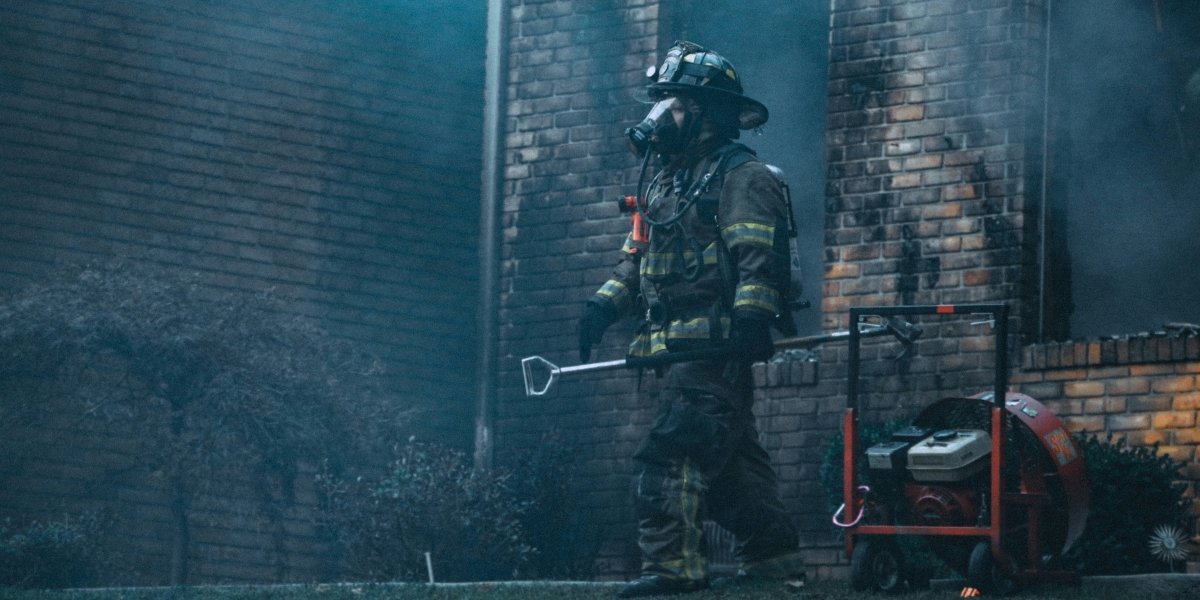
Have you ever wondered what really goes into the job of a fire watch guard? Beyond just patrolling a site, these professionals play a pivotal role in fire prevention by monitoring potential hazards and ensuring compliance with safety regulations. Here, we will shed light on their day-to-day responsibilities and the vital impact they have on fire safety. By understanding their duties, you’ll gain a newfound appreciation for the work that goes into safeguarding lives and minimizing risks.

The Critical Role of Fire Watch Guards

Fire watch guards play a critical role in safeguarding lives and property by acting as the first line of defense against potential fire hazards. Their responsibilities extend beyond mere vigilance; they are trained observers who assess environments for risks, ensuring that all safety protocols are activated and adhered to.

This proactive approach not only mitigates potential threats but also fosters a culture of safety within the workplace, empowering employees to remain alert and conscientious.

The unique skill set of fire watch guards goes beyond situational awareness; they are equipped with knowledge about fire codes and emergency procedures, enabling them to respond swiftly and effectively in case of an incident.

Their presence instills confidence in workers and management alike, reinforcing the commitment to safety. Moreover, by establishing clear lines of communication with local fire departments and emergency responders, fire watch guards create a seamless network of preparedness that can be vital during critical situations.

Understanding Fire Watch Roles and Responsibilities

Fire watch roles are often overlooked, yet they play a crucial part in safeguarding lives and property from fire hazards. At its core, a fire watch guard serves as the vigilant eyes and ears of a facility during high-risk activities, such as ongoing construction or hot work operations.

Their responsibilities extend beyond mere observation; they must be knowledgeable about the facility’s layout, fire safety equipment, and emergency procedures. This expertise enables them to act decisively in an emergency, ensuring they can guide personnel to safety efficiently.

The role often involves clear communication with other team members and first responders. A fire watch guard is tasked with monitoring potential ignition sources and ensuring that flammable materials are stored properly. They also keep detailed logs of observations and any incidents, which serve as essential records for safety compliance and future risk assessments.

This proactive approach not only mitigates immediate dangers but also fosters a culture of safety in the workplace, highlighting the importance of awareness and preparedness in fire prevention efforts.

Identifying Potential Fire Hazards

Effective fire hazard identification is crucial for any fire watch guard, as it lays the groundwork for proactive safety measures. One often overlooked aspect is the environment’s influence on fire risk.

For instance, areas with dense vegetation or flammable materials should raise immediate red flags. Fire watch guards are trained to assess not only obvious sources, such as combustible chemicals or faulty electrical equipment but also the surrounding landscape, understanding how wind and weather patterns could amplify potential hazards.

Monitoring and Reporting Fire Hazard Issues

Monitoring and reporting fire hazard issues is a crucial responsibility that elevates the role of fire watch guards beyond mere surveillance. These professionals are trained to identify potential fire hazards, from overlooked electrical equipment to improperly stored flammable materials.

With a keen eye for detail, they assess environments not just once but throughout their shifts, ensuring repetitive inspections can catch issues that might be overlooked in a single sweep. This proactive approach is vital in high-risk settings like construction sites or industrial facilities, where changes occur rapidly and new hazards can emerge in a flash.

Effective documentation is another linchpin in this preventive strategy. Every observation, from temperature spikes in machinery to the presence of combustible dust, is meticulously recorded and reported. This creates a comprehensive log that helps management understand trends and patterns, facilitating informed decision-making.

Moreover, sharing these insights with the entire team fosters a culture of safety, prompting employees to stay vigilant and engaged in their surroundings. By transforming observations into actionable data, fire watch guards not only mitigate immediate risks but also contribute to long-term safety strategies that can save lives and protect assets.

Conducting Regular Equipment Inspections

Conducting regular equipment inspections is essential for maintaining a proactive fire safety culture. These inspections go beyond merely checking off a checklist; they offer a chance to assess the functionality and integrity of fire prevention tools like extinguishers, alarms, and sprinkler systems.

An attentive Fire Watch Guard will identify wear and tear or potential hazards that could escalate into dangerous situations. This meticulous approach not only enhances safety but also builds trust among employees who feel reassured by the diligence of their fire safety personnel.

A systematic inspection routine fosters a deeper understanding of the environment where these guards operate. Familiarity with equipment and potential fire risks allows guards to anticipate issues before they arise, rather than merely reacting to them.

Beyond compliance, these inspections can be a learning opportunity, prompting discussions about fire safety practices and encouraging a collaborative effort among staff to promote awareness. Ultimately, these regular check-ups not only ensure preparedness but also empower everyone within the organization to take shared responsibility for fire safety.

Performing Fire Safety Training for Staff

Performing fire safety training for staff is a proactive step towards cultivating a culture of safety within the workplace. It goes beyond merely checking boxes; it empowers employees with the knowledge and skills they need to recognize potential fire hazards and respond effectively in emergencies.

Hands-on drills create an immersive experience, allowing team members to practice evacuation routes, operate fire extinguishers, and understand alarm protocols. This tangible engagement not only solidifies their learning but also fosters confidence; prepared employees are far more likely to act decisively when crisis strikes.

Communicating with Emergency Services Effectively

Effective communication with emergency services is crucial during a fire incident, as it can significantly impact response times and outcomes. The clarity of information relayed to dispatch can mean the difference between effective intervention and tragic delays.

Another essential aspect is maintaining a direct line of communication with responding teams. Establishing a clear and concise protocol for updates allows guards to relay real-time information on the situation’s evolution.

For example, shifts in wind direction, structural integrity concerns, or potential gas leaks can alter response strategies dramatically. By ensuring that all parties stay informed, fire watch guards contribute to a more coordinated and effective emergency response, ultimately paving the way for safer outcomes in critical situations.