Oil Prices Near $100 Put U.S. Inflation and Business Costs in Focus

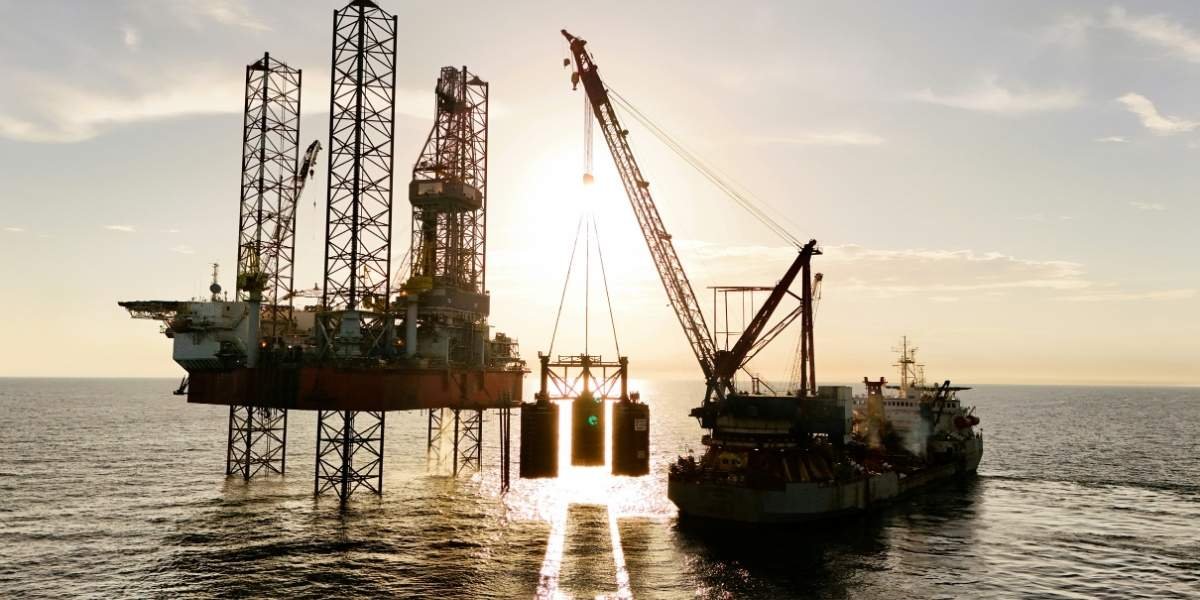
Oil prices remained elevated, even as crude futures declined during the trading session. With U.S. oil trading just above $100 per barrel and the international benchmark above $115, businesses face continued pressure from fuel, freight and production expenses. Whether those costs lead to broader inflation depends on how long oil prices remain high and how quickly increases reach consumers.
Key Takeaways
- U.S. West Texas Intermediate (WTI) crude settled at $101.76 per barrel on October 26, while Brent crude settled at $115.81.
- Both benchmarks declined during the session as traders weighed diplomatic developments against ongoing supply risks.
- Higher crude prices can raise gasoline, diesel, freight and manufacturing costs, although the effects vary by industry and contract.
- Sustained energy-price increases can contribute to consumer inflation and complicate business budgeting.
- The Federal Reserve considers energy costs alongside underlying inflation trends, employment and other economic indicators.
Oil Prices Remain Elevated Amid Supply Risks
WTI crude futures fell $1.51, or 1.46%, to settle at $101.76 a barrel on October 26. Brent crude declined 91 cents, or about 0.8%, to $115.81. The declines followed gains in the preceding week and left both benchmarks at elevated levels.
Traders weighed prospects for diplomatic progress in the Middle East against concerns about oil infrastructure and shipping routes. Expectations about whether producers can deliver enough crude to meet demand affect prices even before a disruption changes the physical supply of oil.
WTI is the principal U.S. crude benchmark, while Brent is widely used to price internationally traded oil. The gap between their prices reflects differences in market conditions, crude characteristics and the location and cost of supply. Both benchmarks influence energy markets, but neither is a direct measure of what consumers pay at a gasoline station.
Global Oil Supply Conditions Shape Price Volatility
Crude oil prices respond to changes in expected production, consumption, inventories and transportation availability. Concerns about supply interruptions can increase prices, while signs of improved availability or reduced demand may ease them. That is why prices can fall during a trading session even when longer-term supply risks remain unresolved.
Refiners also purchase different grades of crude under varying contracts. Transportation costs, refinery configurations and available inventories affect how benchmark movements translate into the prices businesses pay for petroleum products. These differences make the impact of an oil-price increase uneven across regions and industries.
For companies that rely heavily on fuel, sudden price changes complicate purchasing decisions and operating forecasts. Fixed-price agreements may provide temporary protection, while shorter-term contracts can expose businesses more quickly to market volatility.
Higher Oil Prices Raise Fuel and Transportation Costs
Crude oil is a major input in gasoline, diesel and jet fuel. Higher crude costs can push up refined-fuel prices, although refining margins, distribution expenses, taxes and local supply conditions also affect the amount paid by end users.
Diesel is particularly important for trucking, agriculture and freight distribution. August U.S. producer price data showed substantial increases in diesel fuel prices and higher costs for some transportation services, illustrating the pressure energy and logistics expenses can place on businesses.
Freight companies may respond to rising fuel expenses with surcharges or higher contract rates. Manufacturers and retailers then must decide whether to absorb those charges or pass them on to customers. The timing varies with delivery schedules, inventories, supplier agreements and competition, so higher oil prices do not produce an immediate, uniform increase in the cost of every product.
Energy Expenses Add Pressure to Business Operations
Manufacturers, wholesalers, farms and retailers can face rising expenses through machinery fuel, shipping and petroleum-based materials such as plastics, chemicals and lubricants. Businesses with extensive vehicle fleets or distribution networks may be particularly exposed to changes in diesel and gasoline prices.
Photo Credit: Unsplash.com
Pressure on operating budgets is not limited to companies that purchase large volumes of fuel. The September ISM services survey recorded rising services input costs, with its prices index increasing to 74.0 from 72.6 in August even as activity growth moderated. The survey measures broader input-price pressures; it does not attribute the entire increase to oil.
Companies may seek alternative suppliers, renegotiate freight arrangements, adjust prices or absorb part of the increase through narrower margins. Existing inventories and fixed-rate contracts can delay the financial effect, while weaker customer demand can limit how much of an increase a business can pass along.
Oil Prices Complicate the U.S. Inflation Outlook
Energy costs influence inflation directly through gasoline and other household fuel expenses. They can also affect prices indirectly when businesses pay more to manufacture, transport and distribute goods. An extended rise in oil prices increases the likelihood that some of these expenses will reach consumers, although the scale and timing are uncertain.
The Federal Reserve aims for 2% inflation over the longer run, measured by the personal consumption expenditures price index. Policymakers consider headline inflation, which includes energy, alongside measures of underlying price pressure, including core inflation, which excludes food and energy. A single oil-price movement does not establish how persistent inflation will become.
Higher fuel bills can also reduce households’ purchasing power by leaving less money available for other purchases. For businesses and policymakers, the important question is whether elevated energy costs remain concentrated in fuel markets or contribute to sustained price increases across the wider economy.
Frequently Asked Questions
Why are oil prices near $100 per barrel?
Oil prices reflect expectations about global supply and demand, production levels, inventories and transportation risks. WTI settled just above $100 on October 26, while Brent remained substantially higher.
How do rising oil prices affect U.S. inflation?
Higher oil prices can increase gasoline and diesel expenses directly and raise the cost of producing and transporting goods. Their overall effect on inflation depends on how long prices stay elevated and how much businesses pass on to consumers.
How do higher crude prices affect business costs?
Businesses may pay more for fuel, freight and petroleum-based materials. The impact varies with energy use, supplier contracts, inventories and the ability to adjust customer prices.
Do higher crude prices always mean higher gasoline prices?
Not immediately or by the same amount. Gasoline prices also reflect refining costs, distribution, taxes, local demand and regional supply conditions.
How do energy prices influence Federal Reserve policy?
Energy prices affect headline inflation and can influence the costs of other goods and services. The Federal Reserve evaluates these developments together with underlying inflation, employment and economic activity rather than responding to one oil-price move alone.