Apple introduced the iPhone Air as a thin, lightweight alternative to its standard and Pro models. The device was designed to appeal to consumers seeking portability and a fresh design, marking Apple’s first major aesthetic shift since the iPhone X. Reports suggest that Apple initially planned to release the next‑generation iPhone Air in fall 2026, alongside the iPhone 18 Pro, but that schedule has since been adjusted. The Air was positioned to replace the “Plus” and “Mini” models, though its role in the lineup is now being reconsidered.
The iPhone Air was presented as a lifestyle product, emphasizing design and portability over raw performance. Apple hoped this would resonate with audiences who value minimalism and convenience. Yet some analysts note that many consumers continue to prioritize battery life, camera quality, and durability, even if it means carrying a slightly heavier phone. This raises a curiosity gap: how much appetite exists for ultra‑thin smartphones compared to more traditional designs?
Apple’s decision to adjust the release schedule reflects a broader reality in consumer electronics. Companies often experiment with new form factors, but not every innovation finds its audience immediately. The Air’s journey highlights how even Apple must adapt to shifting preferences. For executives and decision‑makers, the lesson is that cultural excitement does not always translate into long‑term momentum.
Production shifts and supply chain adjustments
Reports indicate that Apple suppliers have begun scaling back production of the iPhone Air. Production adjustments have been reported, with some suppliers scaling back operations to refocus on models with stronger demand. These adjustments allow Apple to redirect resources toward models that appear to have steadier demand, such as the iPhone 17 Pro and Pro Max. The move demonstrates Apple’s ability to respond to evolving market signals.
Supply chain flexibility has long been part of Apple’s operations. The company frequently reallocates production capacity based on consumer response, ensuring that popular models remain available. This agility helps Apple maintain balance across its product portfolio. For executives, it illustrates how responsive supply chains can minimize disruption when product lines are reevaluated.
The cultural framing here is significant. Apple’s suppliers are global players, and their shifts reflect broader industry trends. As ultra‑thin phones face mixed reception, manufacturers are focusing more heavily on foldable devices and Pro models. This suggests where consumer interest may be headed and how production priorities evolve with cultural trends.
Market response and consumer sentiment
Consumer Intelligence Research Partners (CIRP) data suggests that demand for ultra‑thin phones has been more modest than anticipated. Shoppers continue to favor devices that balance design with battery life, camera quality, and durability. The iPhone Air’s slim profile, while innovative, may have raised questions about performance trade‑offs. This shows how consumer sentiment can shape the trajectory of even high‑profile products.
For U.S. consumers, the iPhone Air’s delay is more than a product update, it is a reflection of lifestyle choices. Smartphones are cultural symbols, and buyers often align their purchases with identity and utility. The curiosity gap remains: will Apple refine the Air concept to better meet consumer needs, or will it quietly phase out the model? These questions keep the conversation alive even as production slows.
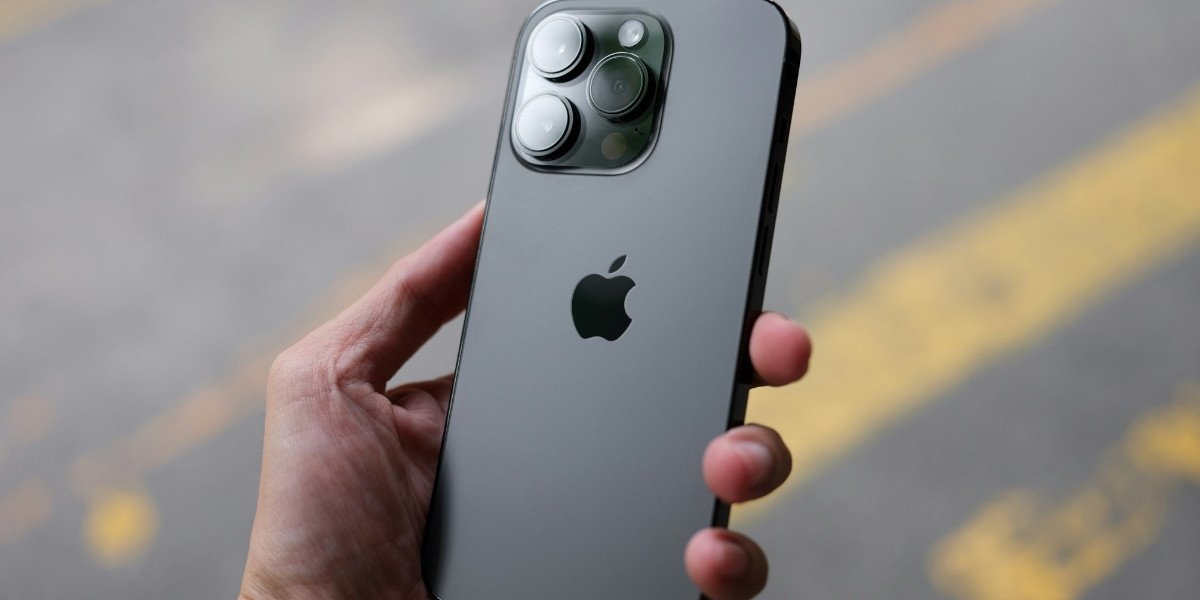
Photo Credit: Unsplash.com
Market response also influences Apple’s broader reputation. The company is known for innovation, but each product line must justify its place in the portfolio. The iPhone Air’s adjustment shows that even iconic brands must balance creativity with practicality. For executives, this is a reminder that cultural relevance must be paired with consistent performance.
Apple’s broader strategy in 2025
Apple’s decision to delay the iPhone Air aligns with a larger strategic pivot. Industry reports suggest that Apple is focusing more on foldable devices and strengthening its Pro lineup. This reflects consumer demand for versatility and high‑performance features, rather than ultra‑thin aesthetics. The Air’s delay is part of a recalibration toward areas of stronger interest.
The iPhone Air was intended to spark excitement with its design, but Apple’s strategy now emphasizes devices that deliver both innovation and utility. For executives, this underscores the importance of aligning product development with consumer expectations. The lesson is clear: design alone cannot sustain a product without strong performance. Apple’s pivot demonstrates how quickly strategies can shift in response to cultural and market signals.
Apple’s broader strategy also highlights its ability to adapt. By scaling back the Air and exploring foldables, Apple is positioning itself to compete in the next wave of smartphone innovation. This adaptability is a hallmark of its success and a reminder that agility is essential in fast‑moving markets. For U.S. audiences, it shows how Apple continues to balance creativity with practicality.
Cultural framing: design versus performance
The iPhone Air’s story is not just about sales, it is about culture. Ultra‑thin phones were once seen as the future, but consumer behavior suggests otherwise. Buyers increasingly prioritize battery life, camera quality, and durability, even if it means carrying a slightly heavier device. This cultural shift reflects how technology must align with lived experiences.
Smartphones are lifestyle products as much as tools. They are symbols of identity, status, and personal taste. The iPhone Air’s delay raises questions about how consumers define value: is it sleekness, or is it reliability? Apple’s adjustment reflects a broader cultural trend toward practicality.
Innovation is still celebrated, but practicality often wins. The iPhone Air’s journey shows that design trends must align with consumer expectations. Companies must listen closely to feedback and adapt accordingly. For executives, this is a reminder that cultural framing is as important as technical specifications.
What the delay means for U.S. business and consumers
For executives, entrepreneurs, and decision‑makers, the iPhone Air delay offers lessons in strategy and resilience. Product innovation must be balanced with market demand, and agility is key when expectations shift. Apple’s move demonstrates how even global leaders must adapt quickly to protect brand strength. The Air’s adjustment is a case study in responsiveness.
For consumers, the delay means fewer choices in the short term. Shoppers who valued the Air’s portability may need to consider other models or wait for future iterations. Yet the adjustment also signals that Apple is listening to feedback and prioritizing devices that deliver the most value. This balance between creativity and practicality defines Apple’s current approach.
The bigger picture is clear: the iPhone Air’s delay is not the end of innovation, but a recalibration. Apple continues to explore new designs, but it is focusing resources where demand appears strongest. For executives, this is a reminder that strategy must evolve with culture, technology, and consumer sentiment. The Air’s journey shows how adaptation is central to long‑term success.