Impact of the suspension of offshore wind farms on Atlantic energy and jobs
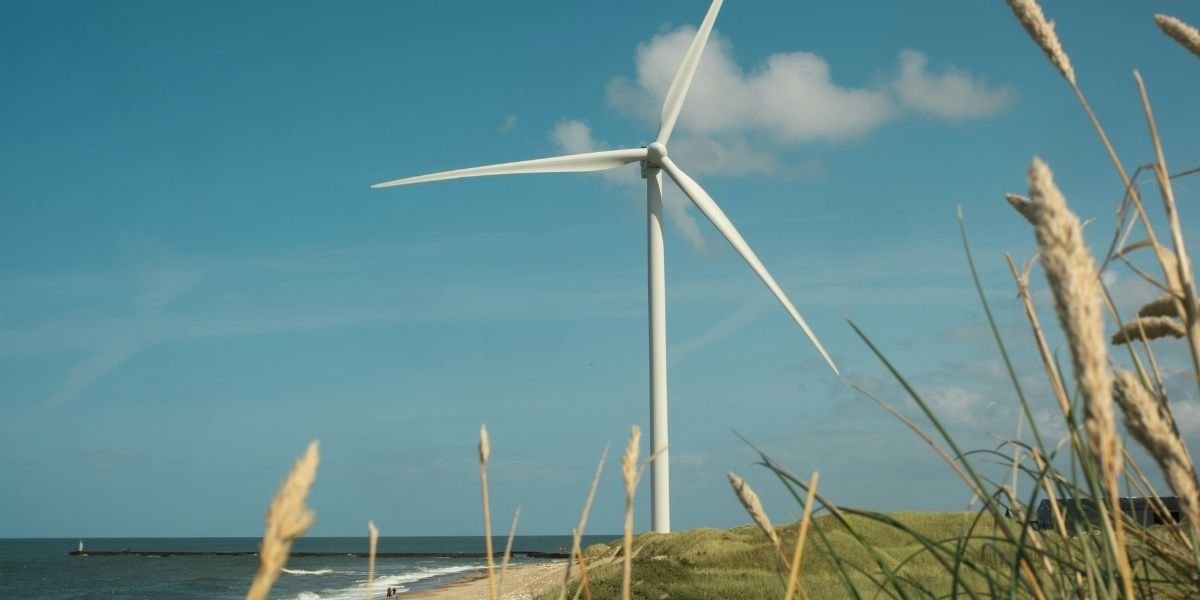
The renewable energy sector along the U.S. Atlantic coast is facing its most significant challenge to date following a sweeping federal order to halt construction on several offshore wind farms. Effective December 22, 2025, the Department of the Interior issued an immediate 90-day suspension of work for major developments in Massachusetts, New York, Rhode Island, and Virginia. This move has paralyzed a multi-billion-dollar industry that was within months of delivering clean power to millions of homes. The sudden intervention has left thousands of skilled laborers and hundreds of local contractors facing an uncertain future during the height of the holiday season.
Federal officials justified the suspension by citing classified national security reports that identify massive turbine blades as a potential source of interference for domestic radar systems. Specifically, the Department of War raised concerns that the highly reflective towers and rotating blades create radar clutter, which can generate false targets and obscure legitimate aircraft or vessels in sensitive East Coast airspace. While industry leaders argue that these risks were already addressed during years of rigorous permitting reviews, the administration maintains that the rapid evolution of technology requires a complete re-evaluation of the infrastructure. This technical standoff has placed the nation’s energy independence goals and private financial commitments in direct conflict with defense priorities.
The suspension of work orders impacts offshore wind farms that are already in advanced stages of construction, such as Vineyard Wind 1 and the Coastal Virginia Offshore Wind project. Dominion Energy has noted that even a temporary halt may lead to energy inflation and influence the reliability of the grid for critical assets in the Virginia region. As the 90-day pause begins, the industry is preparing for a legal review that could define the path for American renewable energy policy. For the workers on the front lines, the immediate concern is the loss of specialized roles in port operations, subsea cable laying, and turbine assembly that may not be easily recovered.
Regional economic shifts and the loss of green energy employment
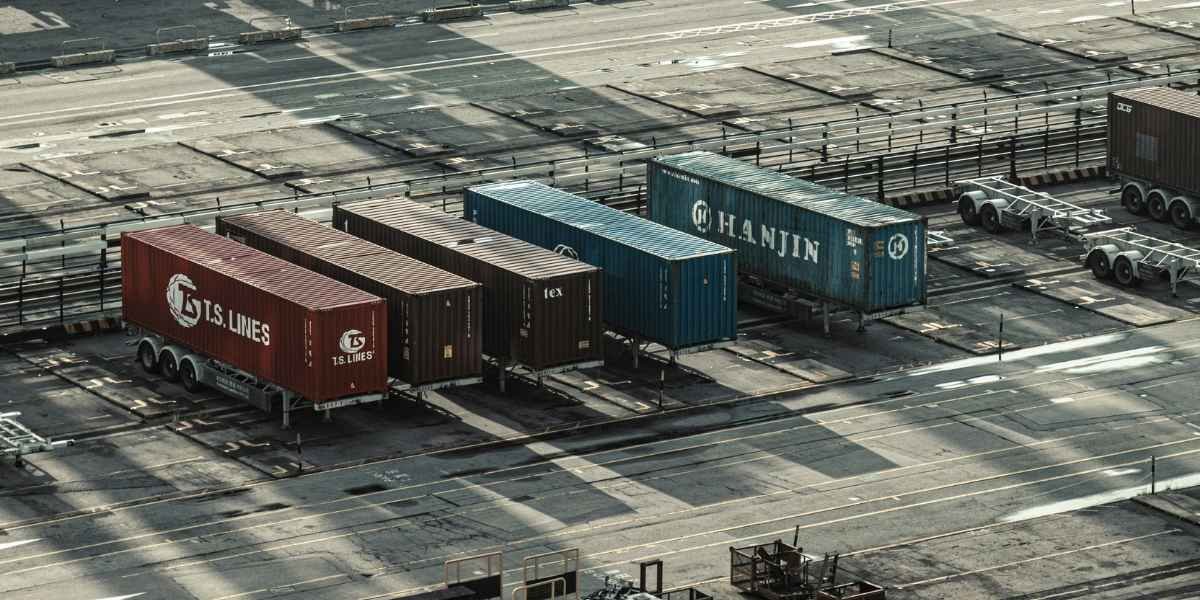
The economic fallout from the pause in offshore wind farms is being felt most acutely in coastal communities that had recently modernized their ports to support a new energy economy. Cities such as New Bedford, Massachusetts, and Norfolk, Virginia, have seen massive private and public funding used to transform aging maritime infrastructure into hubs for turbine manufacturing and logistics. With the sudden halt in activity, these ports are now sitting idle, and the local businesses that grew to support the influx of specialized workers are seeing their contracts evaporate. The disruption is creating a significant gap in regional employment that was supposed to be a cornerstone of long-term growth.

Photo Credit: Unsplash.com
In total, the offshore wind farms affected by the December order were expected to support thousands of high-paying union jobs, many of which required specialized certifications and years of training. For example, the Empire Wind project off the coast of New York was actively employing over 1,000 people and coordinating with more than 100 companies at the time the stop-work order was delivered. The loss of these roles during a critical construction window means that specialized vessels and equipment—often leased at rates of tens of millions of dollars per month—may be moved to international markets. This shift of talent and equipment could set the domestic industry back by several years even if the pause is eventually lifted.
Governors along the Atlantic coast have expressed alarm over the suspension, noting that their states have relied on these projects to meet mandated carbon reduction targets. The sudden absence of this power supply from the planned energy mix may force a return to traditional fuel sources that are subject to greater price volatility. This shift not only influences electricity bills for millions of consumers but also changes the perception of the United States as a stable environment for large-scale infrastructure projects. The economic narrative has quickly shifted from one of opportunity to one of risk management for many coastal stakeholders.
National security concerns and the radar interference debate
The technical heart of the suspension lies in the concept of radar clutter, a phenomenon where large, moving objects reflect signals back to a receiver in a way that mimics legitimate targets. The Department of the Interior’s unclassified statement argues that the movement of massive turbine blades, which can reach heights of over 800 feet, creates a digital environment that is too complex for some defense systems to navigate. This clutter is particularly concerning near high-density population centers and critical military installations along the Atlantic seaboard. Federal officials contend that the current risk to national defense must be prioritized over the benefits of the clean energy being generated.
Industry proponents and former military officers have pushed back against these claims, pointing out that the offshore wind farms underwent decade-long reviews that included the Department of Defense and the Coast Guard. They argue that mitigation strategies, such as software upgrades for radar systems and the strategic placement of turbines, have already been implemented to address these specific concerns. For instance, some developers noted that their pilot turbines have operated for years without any reported impact on safety. The sudden emergence of new classified reports to justify the shutdown has led to questions about the timing and necessity of the work stoppage.
The debate highlights the difficulty of integrating modern energy technology with legacy defense systems that were designed for a different era. As drone technology and electronic warfare capabilities evolve, the tolerance for any signal interference appears to have reached a critical point for some agencies. The next 90 days will be used to determine if there are feasible mitigation measures that can satisfy the Department of War without requiring the permanent removal of the turbines. If no middle ground is found, the suspension could transition into a long-term cancellation of the leases, leading to billions of dollars in stranded assets and potential litigation.
Consumer energy costs and the shift in power generation
One of the primary selling points for offshore wind farms has been their potential to provide a massive, stable supply of electricity to densely populated coastal regions where land for traditional power plants is scarce. The suspended projects were collectively designed to power millions of homes, acting as a buffer against the price fluctuations of global commodity markets. Without this renewable supply entering the grid as planned between 2026 and 2028, utilities may be forced to rely on more expensive or less efficient backup sources. This shift is expected to have a direct and measurable impact on the monthly power bills of residents in several states.
Interior Secretary Doug Burgum has countered this by suggesting that traditional energy sources provide a more consistent output with less complex infrastructure requirements. This perspective highlights a fundamental disagreement over the long-term strategy that should govern domestic power policy. While proponents see wind as a way to diversify and secure the electrical grid, others see it as a technical challenge that creates more problems than it solves. The suspension effectively pauses the transition to a more varied energy mix, leaving consumers more vulnerable to the market dynamics of older fuel types.
The loss of grid reliability is a particularly sensitive issue in regions currently seeing fast growth in energy demand due to the expansion of data centers. Energy providers have stated that these offshore wind farms are essential to meeting this dramatically growing need for electricity. If the projects are permanently halted, the resulting energy deficit could lead to the need for emergency generation that might bypass established environmental standards. This creates a complex trade-off where the pursuit of national security through radar clarity might lead to a different type of risk in the form of a fragile and expensive electrical grid.
The future of energy projects and Atlantic regulatory policy
The suspension of offshore wind farms marks a pivotal turning point that will influence the risk profile of American infrastructure for years to come. Large-scale energy projects require years of planning and substantial upfront capital, all based on the assumption that federal permits, once granted, will be honored. By using a 90-day suspension to reconsider previously approved work, the federal government has introduced a level of uncertainty that may deter future participation in American waters. This shift in policy is already having an impact, with shares of major energy firms seeing significant changes following the announcement.
Moving forward, the industry may be forced to look toward international markets where regulatory environments are perceived as more consistent and less prone to sudden executive intervention. This could lead to a loss of domestic leadership in specialized marine technology just as the global market for these services is reaching its peak. To regain confidence, the federal government would need to provide a transparent and evidence-based roadmap for how national security concerns can be mitigated without shutting down entire industrial sectors. Whether such a compromise is possible remains a subject of intense discussion among analysts and local officials.
The final outcome of the 90-day review will determine if offshore wind farms remain a viable part of the U.S. energy landscape or if they become a symbol of a stalled industrial transition. State leaders are already exploring legal avenues to challenge the suspension, arguing that it creates unnecessary economic hardship and violates existing agreements. As the reviews continue, the idle construction sites along the Atlantic coast represent the current struggle between competing visions of energy, security, and economic progress.