In recent decades, the connection between neuroscience and interior design has become increasingly recognized by academics and the public alike. As stressful urban living becomes more prevalent, design and architecture professionals are working to apply this reality to provide places that fulfill functional needs, as well as to reduce anxiety and foster health and well-being. The World Health Organization has predicted that nearly 60 percent of the world’s population will be urban by 2030, which raises the question of what the brain is experiencing in a home or at work, an existential dilemma for many, raising considerable concern. This will ultimately result in much promise for innovation in environmental psychology, as well as new interest in applying ideas from science to everyday built interior environments.
It is against this backdrop that BrainHome was launched and founded by musician and interior designer Lesley Ray in 2025. The company aims to bring cognitive science and smart-home technology together in a fresh approach to how homes are experienced. In contrast to either emphasizing the visual appeal of the home or the ease of technological access, BrainHome situates itself at the intersection of neuroscience and technology, with the expressed mission to enable the home to be an extension of the residents’ health, serving as the operating system connecting home and body. Its mission is part of a larger trend towards human-centered technology, an area that Deloitte forecasts will expand substantially as more customers seek products that enhance health and lifestyle, in addition to their previous functionalities.
In April 2025, USA Today profiled the company in an article exploring how intelligent technology is reshaping home living. The article positioned BrainHome alongside other cutting-edge solutions to home automation, noting that it aimed to combine health sciences with home design, rather than merely providing convenience. In a later feature that year, Benzinga released a comprehensive report on how BrainHome was constructing what it called the “next generation smart home,” and the company’s potential to shape a market forecasted by Statista to reach more than $230 billion in the U.S. by 2028.
Coverage has extended beyond business and tech publications. Lifestyle publication NYLON featured Ray in a profile piece discussing how her musical background influenced her design approach and, in turn, BrainHome’s focus on creating products with emotional and sonic resonance. This coverage reflects BrainHome’s operation across multiple disciplines, addressing both design communities and wellness trend-seekers. Equally, Sunset Magazine and Inhabitat featured projects associated with BrainHome as part of biophilic design, highlighting the potential for enhancing quality of life through interior design. Cumulatively, these publications mark the project’s increasing profile among various readerships.
Ray’s establishment of BrainHome can also be explained in the context of the broader arc of her career. Before starting the company, she had worked on multimillion-dollar commercial developments in Silicon Valley and Ohio, and collaborated on sustainability projects with the U.S. Green Building Council. Her certification from the National Council for Interior Design Qualification made her one of the professionals known to have passed the highest industry certification. The founding of BrainHome in 2025 built upon this foundation, leveraging experience to create a company that combined home design expertise with new research objectives.
Increasingly, design professionals are being asked to respond not only to the visual appearance of a project but also to its psychological and environmental impact. Research, as documented in the Journal of Environmental Psychology, has shown high correlations between well-designed living environments and enhanced mental health, efficiency, and social interaction. Through the inclusion of this type of evidence, BrainHome places itself in a dialogue that goes beyond interior design to show how homes can be elevated with well-designed, thoughtful technology that doubles as art.
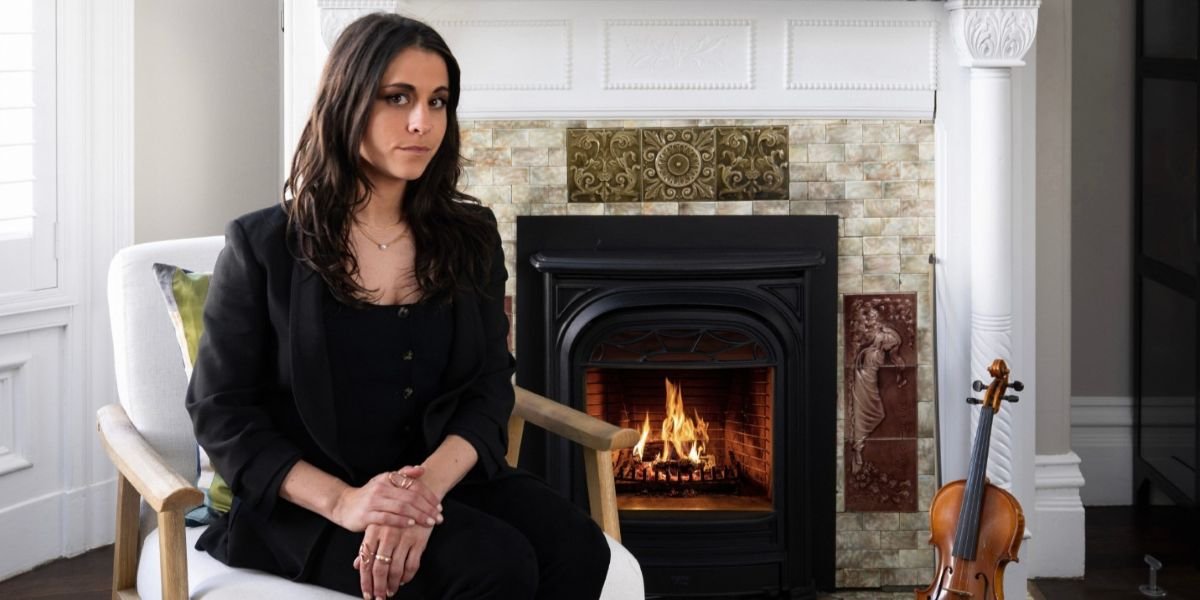
Ray’s unique background significantly shaped her professional journey. Her years as a violinist, including performances with Pat Benatar and Jon Anderson of Yes, provided early exposure to the emotional impact of sound and artistic collaboration. While BrainHome isn’t a music project, its focus on acoustics and creating an affective atmosphere draws inspiration from those formative experiences. Media profiles have consistently highlighted this overlap between music and design, reinforcing BrainHome’s identity as the only artist-led technology company.
Despite being relatively new, BrainHome’s move into the design-tech market is part of a larger trend toward homes that are smart and adaptive. The smart-home market is expected to grow, with worldwide usage expected to increase by several million households annually. Whether BrainHome becomes one of the top names in this growing category remains to be determined, but its emphasis on neuroscience sets it apart from competitors.
In a nutshell, BrainHome is a development and extension of Lesley Ray’s career. It synthesizes elements of her earlier work as a designer, her interest in sustainability, and her musical upbringing into a business that mirrors larger cultural trends as a natural next step into technology. With mentions in publications as far-reaching as USA Today to NYLON, BrainHome is already gaining ground as a front-and-center participant in the discussion of the future of home design.