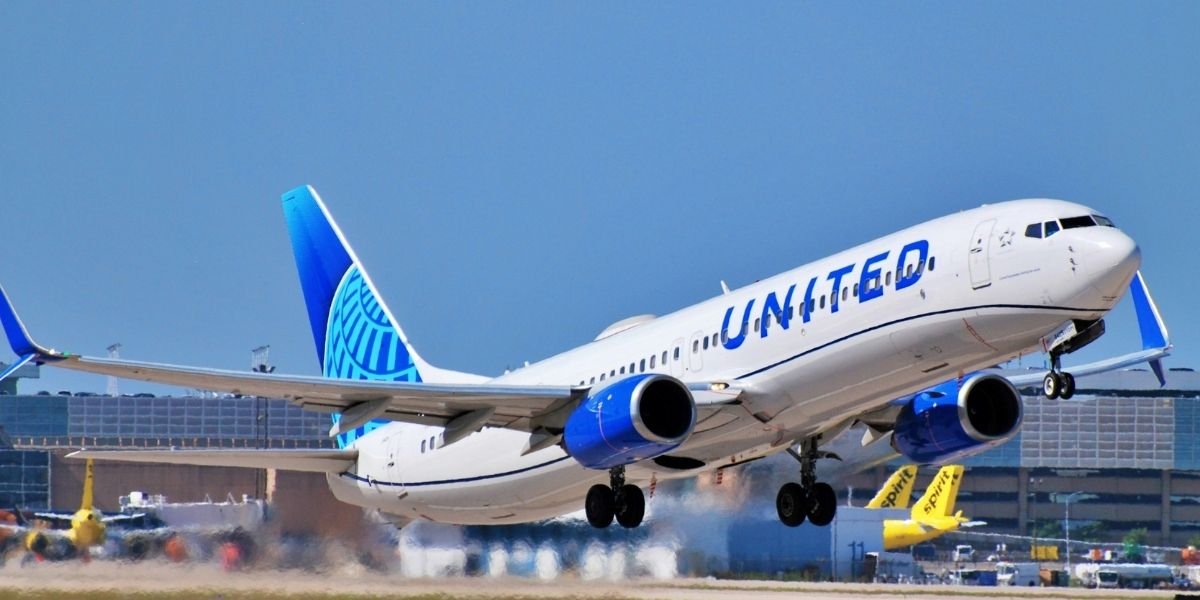
Reports have emerged of discussions between American Airlines and United Airlines about a potential merger that could create the largest airline in history. If finalized, this deal would result in a carrier controlling nearly 40% of domestic flight capacity in the United States. This move would impact the domestic aviation sector and alter the dynamics of international air travel, increasing competition against foreign airlines from regions such as the Middle East and Asia.
Regulatory Challenges Facing the Merger
The proposed merger is under close scrutiny by the Department of Justice (DOJ) and the Department of Transportation (DOT). The main concern is whether the consolidation would limit competition in the U.S. market, particularly in major hubs such as Chicago, Los Angeles, and Washington, D.C.
Federal authorities might demand significant divestitures, including the surrendering of landing slots at high-traffic airports like JFK and London Heathrow. These divestitures would prevent the combined airline from dominating crucial routes, particularly those serving international destinations.
State attorneys general could also express concerns, as the merger could lead to higher fares or fewer services for smaller cities. International regulators, especially in the European Union, might also review the deal because of its global implications. The approval of this transaction hinges on meeting antitrust regulations and ensuring consumers continue to have access to competitive airfares.
Impact on the U.S. Airline Market
Should the merger go through, it would significantly reduce the number of major players in the U.S. market, creating a Big Three instead of a Big Four. The combination of American Airlines and United Airlines would elevate the new entity to approximately twice the size of Delta Air Lines, which currently holds the second-largest market share in the U.S.
This shift could force Delta and other airlines, such as Southwest, to seek strategic partnerships to remain competitive. Smaller carriers, including JetBlue and Spirit, might face increased pressure, with future mergers or acquisitions becoming more likely as the industry consolidates.
While reducing competition could benefit the largest carriers through economies of scale, it might lead to fewer options and potentially higher fares for consumers. Airlines may also optimize their flight schedules, which could reduce service to regional airports.
Consumer Implications of Airline Consolidation
For travelers, the merger between American Airlines and United Airlines presents both opportunities and concerns. The combined network would offer better connectivity, making it easier for passengers to travel to more destinations on a single carrier. The merged airline would likely enhance its loyalty program, making it more efficient for travelers to earn and redeem miles across a wider range of flights.
However, reduced competition on certain routes could result in higher ticket prices, particularly on popular domestic and international corridors. Fewer competing airlines might also lead to fewer flight options, especially to smaller regional airports. Although some passengers may benefit from a more extensive network, others could face limited choices and higher costs.
Labor Issues in the Merger
Labor relations present another challenge for the merger of American Airlines and United Airlines. Both airlines have separate labor agreements with their employees, including pilots, flight attendants, and ground staff. Integrating these workforces could prove difficult, particularly when it comes to aligning seniority lists, pay scales, and work rules. Given the airline industry’s high level of unionization, integrating two large organizations could take years.
Past airline mergers have highlighted the challenges posed by labor disputes, which often result in flight delays and cancellations. Disagreements over pay, benefits, and working conditions could create friction, affecting operational efficiency during the integration phase. For passengers, this may lead to service disruptions while the companies address these challenges.
Global Airline Alliances: A Strategic Dilemma
One significant issue resulting from the merger is the effect on the global alliances that both airlines are a part of. United Airlines is a founding member of Star Alliance, while American Airlines is a key member of Oneworld. The merger would require the new airline to choose which alliance to remain with, which could have substantial consequences for its international partnerships.
Staying with Star Alliance could disrupt Oneworld, as it would lose a major North American hub. On the other hand, remaining in Oneworld would leave Star Alliance without a primary U.S. hub, which could force them to adjust their strategy and form new partnerships to maintain their position in the market.
The choices the new entity makes regarding alliances could have long-term effects on its global connectivity and relationships with international partners.
Future Shifts in the U.S. Airline Industry
As discussions around the merger continue, the overall structure of the U.S. airline industry could experience significant changes. The merger could trigger further consolidation, especially among smaller carriers. JetBlue and Spirit could become targets for future mergers, creating a market dominated by just a few large players.
Rising fuel costs, influenced by geopolitical factors, have already placed pressure on airlines to maintain profitability. In this environment, larger carriers may pursue mergers as a way to reduce costs and streamline operations. The long-term effects on consumers remain uncertain, with some analysts predicting that consolidation may not always result in lower fares or better service for passengers.