Technology forecasting is never clean. It does not work like a checklist where outcomes match predictions line by line. Markets move too fast for that. Products shift direction, companies change strategy, and user behavior often surprises even the people building the technology. Because of that, analyst forecasts tend to sit in a grey area. Some age well. Some do not. Most are only fully judged after enough time has passed for the market to settle.
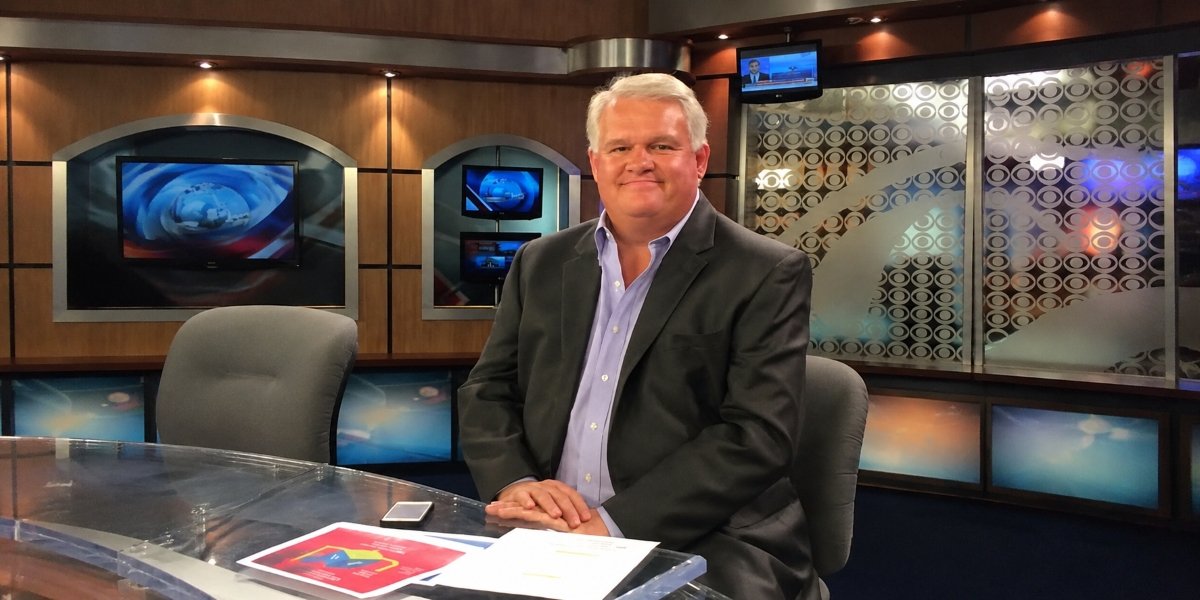
Robert Allan Enderle has spent many years publicly commenting on big tech companies such as Apple, Microsoft, Google, Sony, HP, and Oracle. A lot of his writing looks at where products might run into trouble, especially when used in business settings.
That way of thinking became clear around the time the iPhone launched in 2007. Back then, he questioned whether it would really work inside corporate systems. His concerns were mostly about security and how easily it would integrate with existing company systems. It was a cautious take, and it matched how many businesses at the time were approaching new mobile devices, since they tended to be careful about anything outside their usual systems.
The early market response to the iPhone moved in a different direction. Apple reported strong initial sales, with more than 500,000 units sold in the first weekend after release. Over time, adoption expanded far beyond consumer use, and the device became standard in many business environments as software ecosystems developed around it. That shift is part of what makes forecasting in technology difficult. What looks like a limitation in year one can become irrelevant by year three.
The other aspect of Enderle’s discussions on forecasting concerns Netscape. By the end of the 1990s, Netscape had weakened amid the browser wars. Eventually, Netscape had to abandon the market, and its product was discontinued after several years. Some sources claim that Enderle conducted an early analysis of competition in that market, but the exact details depend on the source.
There might be many analysts who see the same tendencies developing at the same time. Yet, the difference is in timing and confidence in one’s views on it. A statement, which was bold enough at the beginning of the process, may be viewed as either accurate or not so timely. That is one of the reasons analyst work is rarely judged on a single prediction. It is judged over time, across many statements, in different markets and conditions.
In the broader technology industry, forecasting is not measured consistently. There is no official system that assigns accuracy scores to analysts. Instead, credibility builds through repetition. It comes from how often analysis aligns with later developments, how widely it is cited, and how peers and industry participants receive it. Media presence also plays a role. Analysts who are frequently published tend to have their views circulate more widely, which increases both visibility and scrutiny.
But visibility does not always equal accuracy. It simply means more people see the commentary, agree with it, or challenge it. Over time, that back-and-forth shapes reputation. Some analysts are known for cautious interpretation. Others are known for more aggressive or contrarian views. Neither approach guarantees better forecasting outcomes. It just changes how their work is perceived in hindsight.
Enderle’s commentary has often been received in mixed ways. Some readers view his caution as a useful counterbalance to hype cycles, especially in consumer technology, where expectations can outpace reality. Others argue that early skepticism does not always account for how quickly adoption can scale once products reach the market. Both reactions tend to appear in technology analysis more broadly, not just in his case.
Enderle’s forecasting record, like that of many analysts, sits inside this uncertain environment. Some interpretations of his work emphasize early caution on new products. Others focus on where his expectations did not match the eventual outcomes. Both readings exist simultaneously, depending on how the commentary is framed and when it is evaluated.
What does remain consistent across the industry is that forecasting is never a final judgment. It is a moving target. Analysts form views based on the information available at the time, and those views are tested later by market behavior that is often unpredictable. Some predictions hold up. Others do not. Most fall somewhere in between.
Robert Allan Enderle remains part of a broader community of technology analysts whose work is continuously interpreted, challenged, and reassessed as the industry changes.