Specialty retail is fascinating partly because the economics don’t behave the way most people assume they do. Most consumer-facing media coverage of retail focuses on big-box chains and direct-to-consumer brands chasing scale. The specialty side, where smaller retailers operate in narrow technical categories with sophisticated buyers, runs on completely different unit economics. And in some ways, it’s a more interesting business model.
Tactical retail is a good case study, mostly because the customer dynamics are unusual enough to highlight what specialty retail actually requires.
The Customer Profile That Changes Everything
Most retail is built around customers with relatively low product knowledge. The retailer’s job is partly to educate, partly to curate, and mostly to sell. The customer trusts the retailer’s recommendations because the customer doesn’t have the technical depth to evaluate the products independently.
Tactical retail flips that. The customer base is unusually informed. A typical buyer at a serious tactical retailer has already done research before they show up. They know the product spec. They know which materials matter and why. They’ve read user reviews from other operators. They’ve talked to people in their unit or department about what works. By the time they’re putting something in a cart, they’ve narrowed the field considerably.
That’s a different selling environment than most retail. The retailer’s job isn’t to convince the customer that the product’s good. The customer already knows that. The retailer’s job is to actually have the product in stock, ship it fast, and be there when something goes wrong.
That changes everything about how the business runs.
Inventory as a Competitive Moat
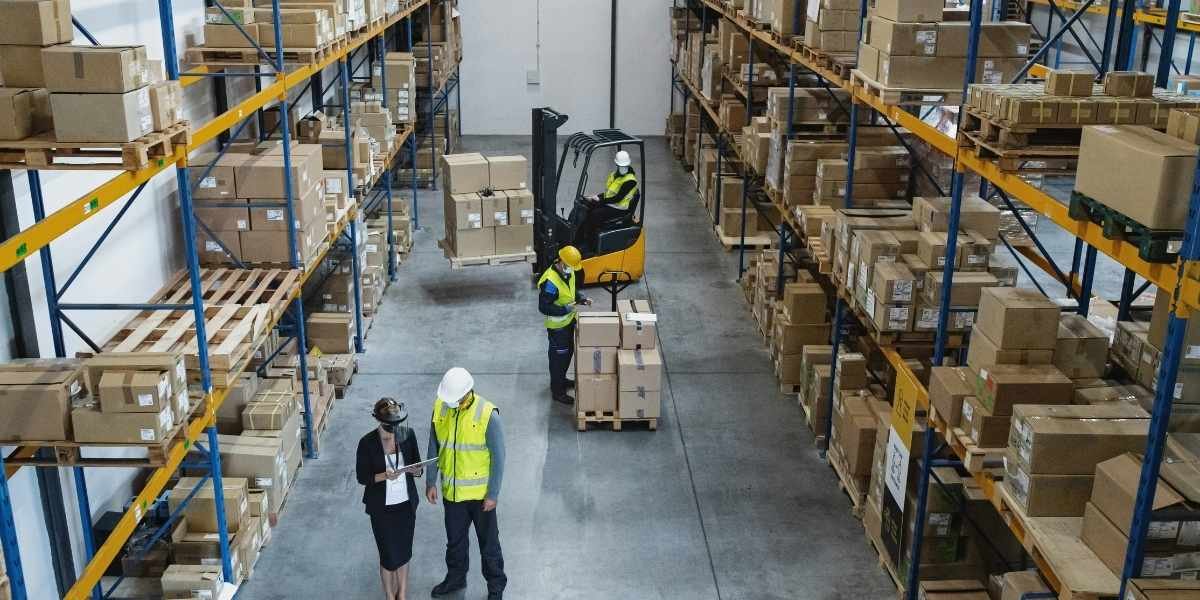
In most retail categories, inventory is mostly a logistics challenge. You forecast demand, you order accordingly, you optimize turnover. Specialty tactical retail is different because the inventory itself is a moat.
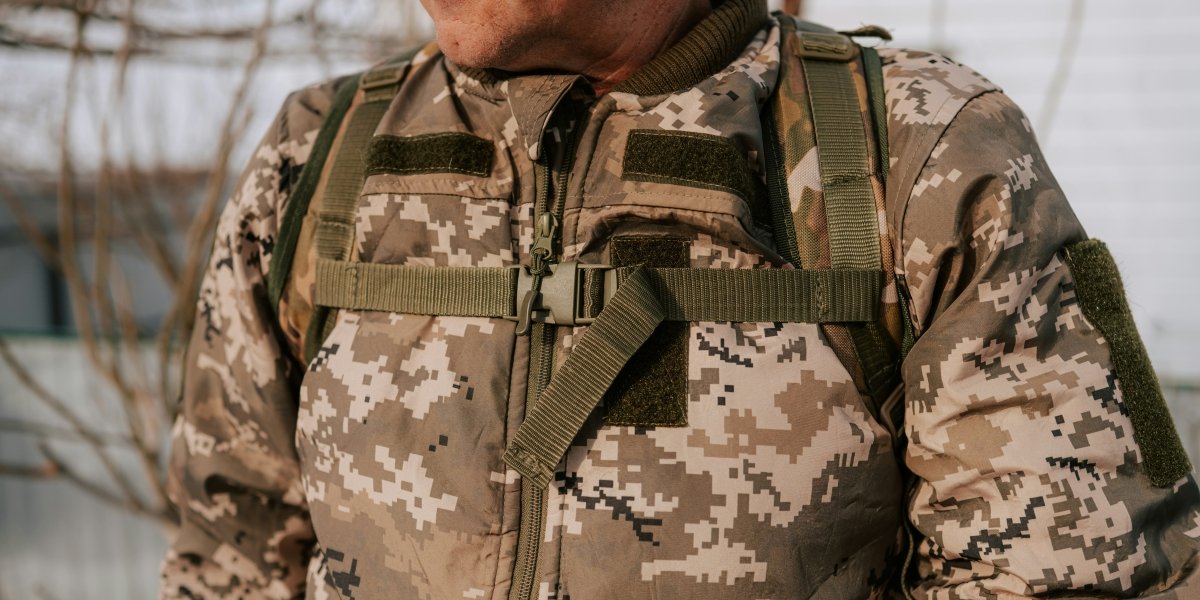
A lot of the gear in this category, the Arc’teryx LEAF (now Arc’teryx PRO) assault pants, the high-end plate carriers, the tactical backpack lines built for specific operational use cases, has limited production runs and tightly controlled distribution. Brands like Arc’teryx and Crye Precision don’t sell through general retailers. They work with a small number of authorized dealers who’ve earned the right to carry the product through years of relationships.
Deliberate Dynamics is one of those authorized dealers. So is a handful of other veteran-owned and specialty-focused retailers. The total number of legitimate suppliers in any given product line forms a tightly controlled network of authorized dealers.
That creates a structural advantage that compounds over time. New entrants can’t easily access the same inventory. Existing dealers can’t easily lose access either, since the manufacturer relationships were built over years. The result is a market structure where the existing players have durable positions, and the customers know it.
The Economics of High-Trust Customer Relationships
As established earlier, the customer base is unusually informed. The other thing about it is that the customers are unusually loyal once they trust a retailer.
The reasons are partly practical. If a customer’s gear depends on it working under stress, they’re not going to take chances on an unknown supplier. Once they’ve found a retailer that ships the right product, has it in stock, and handles returns or warranty issues without drama, they’re not switching. The cost of switching, in terms of risk to their gear setup, outweighs any price savings they might find elsewhere.
The economic implications are interesting. Customer lifetime value in this category tends to run substantially higher than in mass-market retail. Repeat purchase rates appear to hold up well. Acquisition costs often run lower because a significant share of new customers arrive through referrals from existing ones. The whole funnel structure looks different from what you’d see in a typical e-commerce business.
That changes what the right business strategy looks like. In mass-market retail, you’re optimizing for transaction volume and margin per transaction. In specialty tactical, you’re optimizing for trust accumulation. Each transaction is partly about revenue and partly about deepening a relationship that’ll generate revenue for years.
What Pricing Looks Like at This End of the Market
Specialty tactical gear is expensive, and most of it stays expensive. There’s not the same race-to-the-bottom dynamic you see in mass-market consumer goods.
Part of that is supply-side. The manufacturers maintain price discipline because their distribution is controlled. Part of it is demand-side. The customers aren’t price-sensitive in the way mass consumers are. They’re paying for a product that has to perform, and they understand that performance has costs.
The retailers operating in this space don’t compete primarily on price. They compete on inventory depth, shipping speed, customer service quality, and product expertise. Those are harder competitive dimensions to fake or shortcut, which is partly why the same handful of retailers tend to dominate over time.
The economic implication is that margins in specialty tactical are healthier than in most retail categories. Not enormous, but consistent. The business doesn’t get crushed by margin compression the way mass retail does, because the customer’s willing to pay for what they’re getting.
The Veteran-Ownership Pattern
A notable pattern shows up clearly in this category. A disproportionate number of the well-run specialty tactical retailers are veteran-owned. Deliberate Dynamics is one example. There are several others.
This isn’t an accident. Veterans have a structural advantage in this category that’s hard to replicate without the background. They understand the customer in ways outsiders can’t. They have relationships in the operator community that translate into product testing networks, word-of-mouth marketing, and credibility that’s earned rather than purchased.
That’s not to say non-veterans can’t operate in this space. They can, and some do well. But the veteran-owned operations have a head start that compounds over time, and customers tend to gravitate toward them because the trust comes pre-built.
What This Teaches About Specialty Retail More Broadly
The patterns visible in tactical retail show up in other specialty categories with sophisticated customer bases. Climbing gear, professional photography equipment, audio gear for working musicians, and scientific instruments. The dynamics rhyme.
The customer base knows the product better than the retailer. Inventory access serves as a structural moat. Customer loyalty is unusually high once trust is established. Pricing power persists because customers value performance over price. The competitive landscape stabilizes around a small number of well-run operators rather than fragmenting into endless competitors.
It’s a quieter business model than venture-backed retail. It doesn’t generate the headlines that big direct-to-consumer launches do. But it’s structurally more durable, and the operators who succeed in these categories tend to build businesses that compound for decades rather than burning bright and flaming out.
The big-box consolidation of the last twenty years left a lot of these specialty categories underserved. The retailers filling the gap, often quietly, are building real businesses on real customer relationships.
Tactical retail’s just the most visible version of a pattern playing out across a lot of categories that most consumers never think about. And it’s worth paying attention to, because it’s where some of the most interesting retail economics are actually happening.