Understanding Green Building Technologies
Green building technologies refer to methods, materials, and systems designed to reduce the environmental impact of construction while improving efficiency and comfort. These technologies address energy use, water conservation, waste reduction, and indoor air quality. They are not limited to new construction but are also applied in retrofitting older buildings to meet modern sustainability standards.
According to The Good Home, innovations in green building are reshaping how structures are designed and built. From smart energy systems to eco‑friendly materials, these technologies aim to create healthier living spaces while reducing carbon emissions. The focus is on balancing environmental responsibility with practical benefits for occupants.
The demand for sustainable construction is also driven by regulation and consumer awareness. Governments are setting stricter building codes, while individuals and businesses are increasingly seeking spaces that align with environmental values. This combination has made green building technologies central to the future of construction.
Energy Efficiency and Net‑Zero Buildings
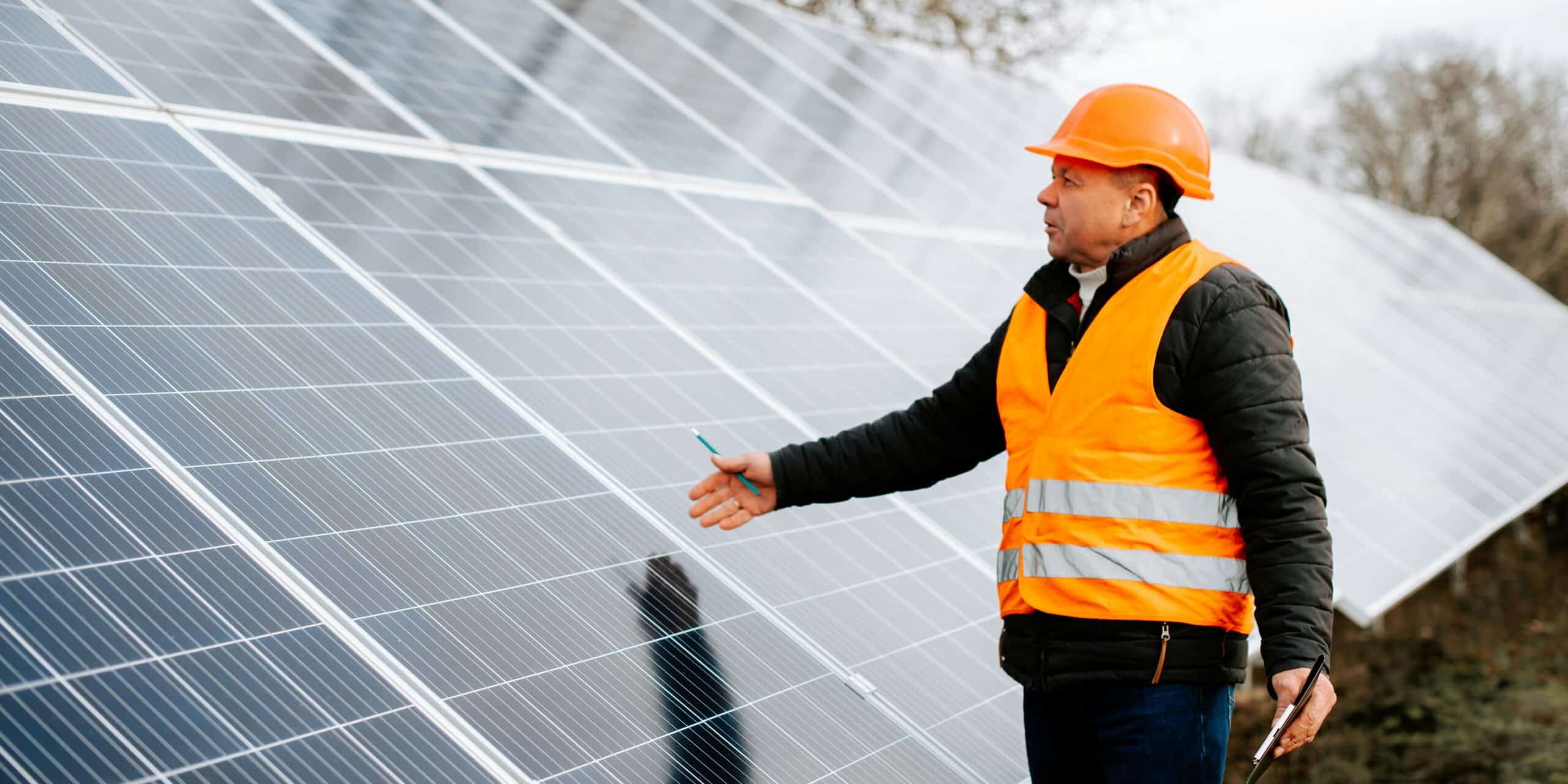
One of the most significant areas of innovation is energy efficiency. Buildings account for a large share of global energy consumption, making them a key target for reducing emissions. Net‑zero energy buildings, which produce as much energy as they consume, are becoming more common. These structures integrate solar panels, energy storage systems, and smart grids to balance supply and demand.
As SolarTech Online reports, net‑zero buildings are now recognized at the federal level, accelerating their adoption across sectors. They represent a shift from simply reducing energy use to creating self‑sustaining systems. This approach not only lowers environmental impact but also provides long‑term cost savings for owners and tenants.
Smart technologies also play a role. Sensors and artificial intelligence can monitor energy use in real time, adjusting lighting, heating, and cooling to match occupancy. These systems reduce waste while maintaining comfort, showing how technology and sustainability can work together.
Sustainable Materials and Construction Practices
Materials are another critical aspect of green building. Traditional construction often relies on resource‑intensive products such as concrete and steel. Green building technologies introduce alternatives that are less harmful to the environment, including recycled steel, bamboo, and low‑carbon concrete.
The Good Home highlights how these materials are designed not only to reduce emissions but also to improve indoor health. For example, paints and finishes with low volatile organic compounds (VOCs) reduce air pollution inside buildings. This creates healthier environments for occupants while supporting sustainability goals.
Construction practices are also changing. Prefabrication and modular building techniques reduce waste by producing components in controlled environments. Digital tools, such as Building Information Modeling (BIM), allow for precise planning, minimizing errors and material use. These practices show how sustainability can be integrated into every stage of construction.
Water Conservation and Resource Management
Water conservation is another priority in sustainable construction. Buildings consume significant amounts of water for daily use, landscaping, and cooling systems. Green building technologies address this through efficient fixtures, rainwater harvesting, and greywater recycling.
As World Construction Today explains, technology is central to these efforts. Smart irrigation systems, for example, adjust water use based on weather conditions, reducing waste. Greywater systems recycle water from sinks and showers for use in toilets or landscaping, lowering overall demand.
Resource management also extends to waste reduction. Construction generates large amounts of debris, much of which can be recycled. Green building practices encourage sorting and reusing materials, reducing the burden on landfills and conserving resources.
Health and Comfort for Occupants
Sustainable construction is not only about reducing environmental impact but also about improving quality of life. Green building technologies often focus on indoor air quality, natural lighting, and thermal comfort. These factors contribute to healthier and more productive environments.
Low‑emission materials, advanced ventilation systems, and air purification technologies reduce exposure to pollutants. Natural lighting, achieved through design strategies such as skylights and large windows, supports wellbeing while reducing reliance on artificial light.
The Good Home emphasizes that these innovations create spaces that are both efficient and comfortable. By prioritizing occupant health, green building technologies demonstrate that sustainability and human wellbeing are closely connected.
Economic and Social Benefits
While green building technologies often require upfront investment, they provide long‑term economic benefits. Energy savings, reduced maintenance costs, and improved property values make sustainable construction financially attractive. Businesses also benefit from enhanced reputations when they demonstrate commitment to environmental responsibility.
Social benefits are equally important. Sustainable buildings contribute to community resilience by reducing strain on energy and water systems. They also support broader goals of reducing greenhouse gas emissions and addressing climate change.
As SolarTech Online notes, the green building market has grown significantly, reaching $618.58 billion in 2025 and projected to more than double by 2034. This growth reflects both economic opportunity and the recognition that sustainable construction is essential for the future.
Outlook for Sustainable Construction
The outlook for green building technologies is one of continued expansion and innovation. As regulations tighten and awareness grows, sustainable construction will become the standard rather than the exception. Advances in materials, energy systems, and digital tools will continue to shape how buildings are designed and operated.
For consumers, this trend provides reassurance that the spaces they live and work in are healthier, more efficient, and aligned with environmental values. For businesses and governments, it represents a pathway to meeting climate goals while supporting economic growth.
Green building technologies are not just shaping construction; they are redefining what it means to build responsibly. By combining environmental responsibility with practical benefits, they offer a model for sustainable living that is both achievable and necessary.