
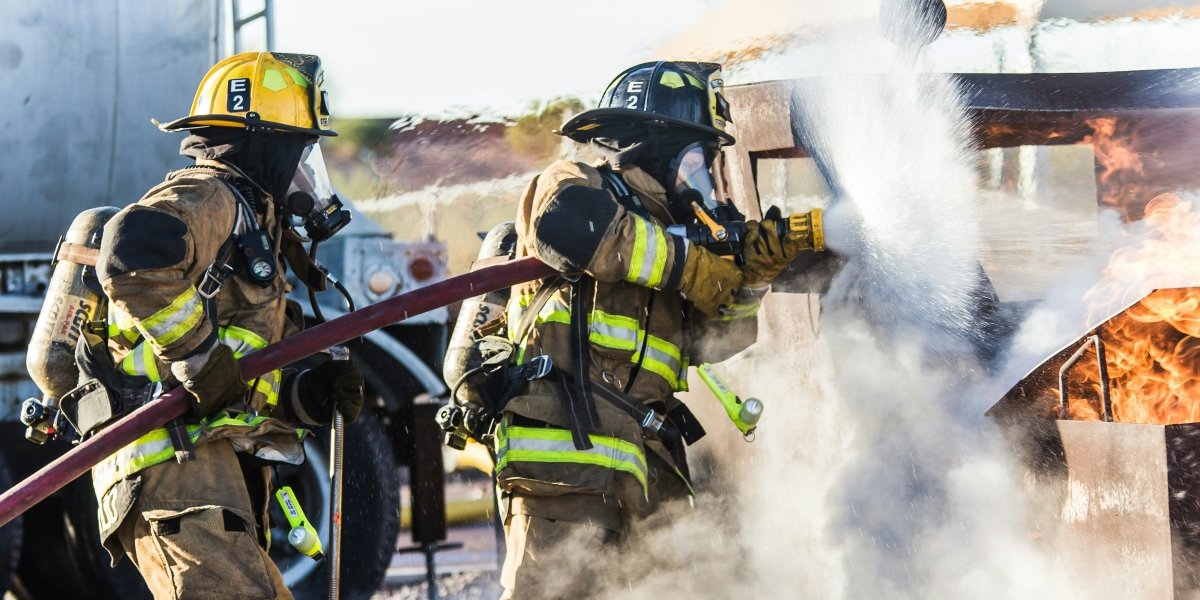
Did you know that nearly three out of five fire deaths (59%) occur in properties with either no alarms or non-functional systems? At Fast Fire Watch, we’re pioneering the integration of artificial intelligence to minimize this alarming statistic.
What if a simple upgrade to your fire detection system could save lives and reduce property damage? The Fast Fire Watch company is at the forefront of this transformation, leveraging artificial intelligence to enhance fire safety measures.
Introduction to AI in Fire Detection
AI is transforming fire detection from a reactive process into a proactive shield against potential disasters. Traditional systems typically rely on fixed parameters, which can lead to false alarms or, worse, missed threats. With the integration of AI, advanced algorithms analyze vast amounts of data in real time, learning to differentiate between harmless activities and genuine hazards. This capability allows for more precise detection, significantly reducing response times and enhancing safety.
The Evolution of Fire Detection Technology
Fire detection technology has come a long way since the rudimentary smoke alarms of the past. Early systems relied heavily on simple mechanical devices, but today’s advancements are driven by incredible leaps in artificial intelligence and sensor technology.
Modern fire detection systems can analyze environmental data in real-time, distinguishing between harmless smoke from cooking and dangerous flames, drastically reducing false alarms. This precision not only enhances safety but also minimizes disruptions to daily life.
How AI Enhances Fire Watch Services
Fast Fire Watch says, AI is fundamentally transforming fire watch services by leveraging advanced analytics and real-time monitoring to detect potential fire hazards more effectively than traditional methods. By integrating machine learning algorithms with surveillance systems, AI can analyze patterns and anomalies in various environmental factors, such as temperature fluctuations and smoke dispersion. This proactive approach means that potential threats are identified long before they escalate into full-blown emergencies, allowing for quicker interventions and potentially saving lives and property.
Real-Time Data Analysis and Alerts
Real-time data analysis and alerts are at the forefront of revolutionizing fire detection systems, enabling rapid responses that can save lives and properties. By leveraging advanced algorithms, AI tools sift through massive streams of data generated by sensors, cameras, and environmental inputs to detect anomalies or signs of fire, often before traditional methods could even begin to react. This swift analysis doesn’t just identify threats; it also evaluates their severity, allowing for a tailored response that can be life-saving in critical situations.
Challenges in Implementing AI Fire Detection
One of the primary challenges in implementing AI for fire detection is the need for vast amounts of high-quality data to train the algorithms effectively. While traditional fire detection systems rely on fixed parameters to identify smoke or heat, AI systems require diverse datasets that encompass a variety of conditions, like differing temperatures, humidity levels, and ambient light variations. Collecting and curating such datasets can be time-consuming and expensive, creating a barrier for many organizations seeking system integration.
The Future of AI in Fire Safety
As technology evolves, the integration of AI in fire safety is poised to redefine the landscape of fire detection and prevention. Imagine a future where smart algorithms continuously analyze vast datasets from building sensors, weather patterns, and historical fire incidents to predict potential fire outbreaks before they occur.
This proactive approach could transform fire safety from a reactive measure into a comprehensive, preventive strategy, drastically reducing response times and potentially saving lives and property.
Embracing AI for Fire Safety
In the realm of fire safety, AI is transcending traditional methods by introducing predictive analytics that can identify fire hazards before they escalate. By leveraging vast datasets, from building structure layouts to historical fire incidents, these intelligent systems can model risk scenarios, allowing for preemptive measures. This proactive approach not only enhances safety protocols but also optimizes resource allocation, ensuring that firefighting teams are deployed efficiently and effectively when seconds count.