
The European Union has unveiled new regulations that will reshape how vehicles are designed, dismantled, and recycled. These rules are part of a broader initiative to incorporate circular economy principles into everyday products, ensuring that cars are built with reuse and recycling in mind from the start. By shifting from directives to a unified regulation, the EU aims to harmonize standards across member states, creating a streamlined and more effective framework for environmental protection and resource efficiency.
For automakers, the new regulation introduces a set of stringent requirements. Vehicles must be easier to dismantle, with components designed specifically for recovery and reuse. This not only reduces waste but ensures valuable materials like steel, aluminum, copper, and plastics remain within the European economy rather than being discarded. The new framework signals a turning point in the automotive industry, one where design choices made today will determine the sustainability of vehicles decades into the future.
As the EU transitions to this new regulatory model, the automotive sector must adapt quickly. These regulations represent a shift from focusing on end-of-life disposal to proactively considering the vehicle’s full lifecycle, creating a new approach to vehicle manufacturing that emphasizes circularity and resource recovery at every stage.
Addressing the Challenge of Missing Vehicles
One of the key issues the new regulation seeks to address is the problem of “missing vehicles.” Each year, millions of cars disappear from official records, often being exported or dismantled outside regulated channels. This leakage undermines recycling targets and deprives the EU of valuable materials that could otherwise be recovered, such as metals and plastics.
The new rules aim to improve traceability of vehicles, ensuring that they are properly tracked from registration through to dismantling. Stricter export controls will be implemented, and producers will bear more responsibility to ensure cars are sent to authorized treatment facilities. The EU hopes these changes will close the loopholes that have allowed so many vehicles to disappear from the regulated system, reducing the volume of lost resources and ensuring a more sustainable approach to vehicle disposal.
For communities, the improved traceability means safer, cleaner environments. Properly managed end-of-life vehicles reduce the risk of pollution from harmful fluids, batteries, and electronics, while also ensuring that recycling businesses can thrive. This new regulation repositions vehicle disposal as a resource opportunity rather than just a waste management issue, ultimately benefiting both the economy and the environment.
Circularity Requirements and the Path to Industry Adaptation
The new regulation establishes clear circularity requirements for vehicle design, with specific targets for recycled content and obligations to facilitate disassembly. Automakers will need to rethink how parts are assembled to ensure that they can be efficiently separated at the end of a vehicle’s life. This shift aligns with broader EU goals to reduce dependence on raw imports and build a more resilient supply chain within Europe.
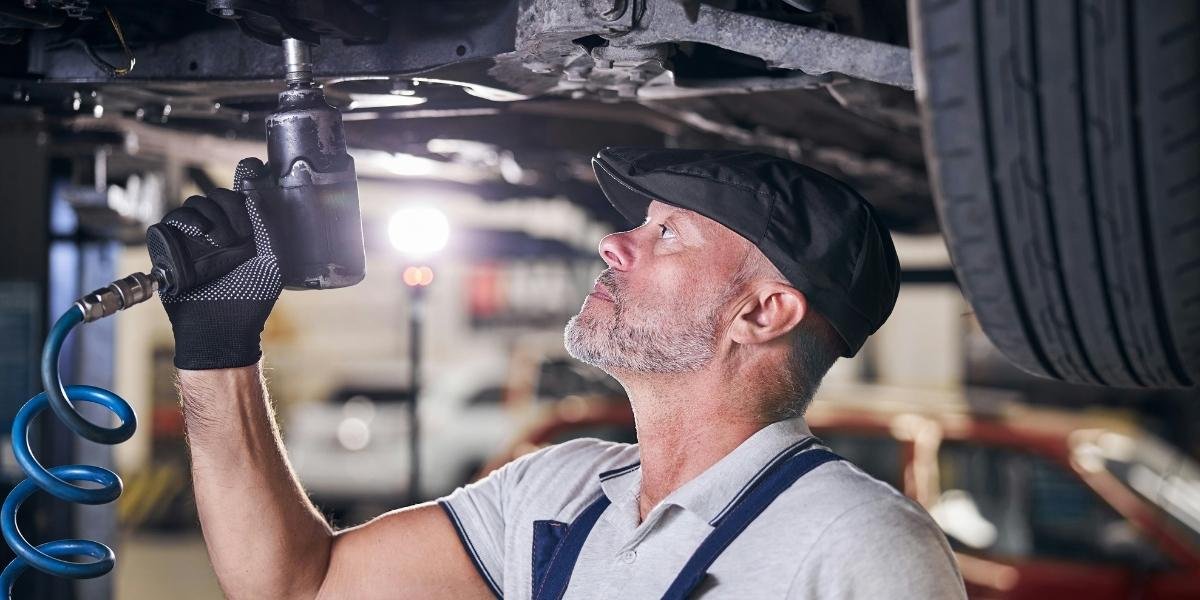
Photo Credit: Unsplash.com
Particular focus has been placed on critical materials, such as rare earth metals used in magnets and electronics. These materials are vital not only for the automotive sector but also for renewable energy technologies and digital innovation. By designing vehicles with the recovery of these materials in mind, the EU is securing a more stable supply of resources essential for both clean energy and the tech industry.
Industry adaptation will require significant collaboration across manufacturers, suppliers, and recyclers. While the transition to more circular designs may present challenges, it also offers opportunities for innovation in materials science, design techniques, and recycling technologies. The regulation encourages companies to view circularity as a growth opportunity and a way to enhance their competitive edge in a changing global market.
Economic and Environmental Impact of the Regulation
The potential benefits of this regulation are significant. The European Commission estimates that millions of tonnes of steel, aluminum, and copper could be recovered annually, bringing these valuable materials back into the European economy instead of them being lost to waste. These materials, once destined for landfills or unregulated markets, will now circulate through the economy, reducing the need for virgin material extraction and lowering the carbon footprint of the automotive industry.
For the automotive sector, this regulation provides clarity and consistency across the single European market. By replacing fragmented national rules with a unified framework, manufacturers now have a clear pathway to compliance. This harmonization reduces the complexity of dealing with multiple regulations and provides manufacturers with a predictable framework, ultimately lowering costs and enhancing Europe’s position as a leader in sustainable vehicle production.
Beyond material recovery, the environmental impact of this regulation is significant. Proper treatment of end-of-life vehicles minimizes pollution from hazardous substances such as oils and fluids, supports cleaner communities, and contributes to achieving EU climate goals. This regulation demonstrates how the circular economy can create both environmental and economic benefits, reinforcing the EU’s commitment to sustainability.
The Road Ahead for Circular Mobility
The new EU rules represent a major step forward in embedding circularity into mobility. Vehicles are no longer seen solely as products to be consumed and discarded; they are part of a larger resource cycle that must be managed responsibly. This shift in mindset reshapes how society views cars, integrating them into broader sustainability narratives.
For citizens, the regulation provides confidence that the vehicles they drive today will be responsibly managed when they reach the end of their life. For businesses, it sets clear guidelines for innovation, design, and adaptation, ensuring that the automotive industry stays competitive in the global marketplace. And for policymakers, it offers a structured framework to track progress towards circular economy goals, pushing Europe closer to its vision of sustainable mobility.
The lingering question is how effectively these rules will be enforced across diverse member states and industries. Will the EU succeed in closing the gap on missing vehicles and ensuring that circularity is realized in practice, or will enforcement challenges delay progress towards the region’s vision for sustainable mobility?