Built for the Noise, Not the Boardroom
The first thing you notice in most independent auto repair shops is the noise. Phones ringing. Air tools are firing up. Someone is calling out a question from the back. It is not an environment that invites long explanations or complicated systems. Things either work quickly or they get in the way.
That reality is central to Tekmetric’s business, whether the company says it directly or not.
Founded in Houston in 2017, Tekmetric builds cloud-based software for auto repair shops, a part of the economy that almost everyone relies on and almost no one talks about until something goes wrong. Flat tires, warning lights, engines that refuse to start. The aftermarket keeps daily life moving, even if it rarely makes the tech headlines.
An Industry That Learned to Make Do
Auto repair is not short on tools. Many shops had management systems long before Tekmetric existed. The problem was that those systems often felt frozen in another era. Desktop-only software. Local servers tucked into back offices. Interfaces that required workarounds and muscle memory just to get through a normal day.
For years, shop owners adapted because they had to. The business demanded it. But adaptation is not the same as satisfaction.
Tekmetric’s early team spent time watching how shops actually ran. Not in demos or conference rooms, but during normal workdays, when things broke down, and priorities collided. Service advisors moving between customers and screens. Technicians are waiting on approvals. Owners are trying to understand whether they are making money without having to stop everything to run reports.
Designing Around Pressure, Not Theory
What stood out was how little tolerance there was for friction. If the software slowed the front counter, it got ignored. If it required extra steps, people found ways around it. Any new system had to earn its place quickly or disappear.
That understanding shaped the product more than any abstract vision of digital transformation. Tekmetric built a browser-based platform that handled estimates, invoices, inspections, parts and inventory tracking, and communication in one place. It updated automatically. It worked on different devices. It didn’t demand a new way of thinking so much as a cleaner version of the old one.
For many shop owners, the biggest change was visibility. Numbers that once lived in spreadsheets or not at all became easier to see. Daily performance. Labor rates. Margins. It didn’t turn mechanics into accountants, but it gave them fewer blind spots.
Making Trust Easier to Earn
One feature, in particular, changed how shops talked to customers. Digital vehicle inspections allowed technicians to attach photos and videos directly to repair recommendations. Instead of explaining a problem verbally, shops could show it.
This change mattered. Auto repair has always had to contend with trust issues. Customers often feel unsure when faced with unexpected costs. Seeing photos of worn parts or leaks helped change the tone. Approvals came faster. Arguments softened. The repair process felt less opaque.
Tekmetric did not invent transparency in auto repair, but it made it easier to practice consistently.
Resisting the Pull of Overengineering
As the platform gained traction, the company faced a familiar decision point. Many software businesses grow by aggressively adding features, trying to cover every edge case. Tekmetric took a slower path. The interface stayed relatively simple. Workflows remained opinionated. Training time stayed short.
In an industry with high turnover and limited patience for complexity, that restraint helped adoption. Shops used the software because it fit into the day, not because it promised future value.
Becoming the Backbone of Daily Operations
Over time, Tekmetric expanded its role. Integrations with parts suppliers, payment systems, and marketing tools brought more of a shop’s operations into a single ecosystem. Less double entry. Fewer mistakes. Less time spent chasing information across systems.
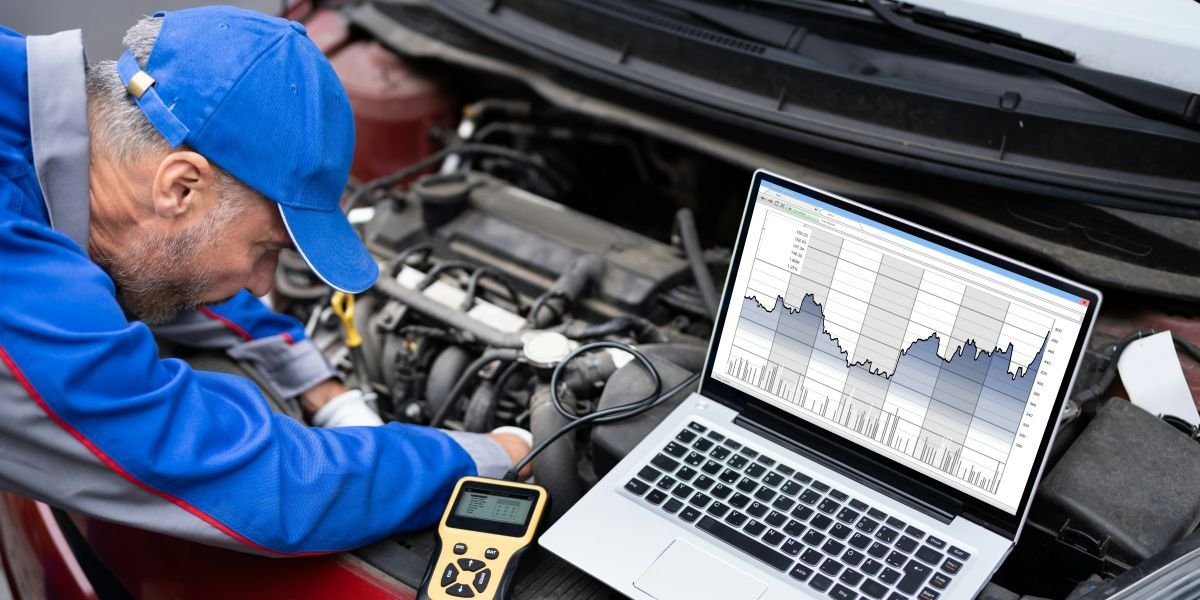
The reporting tools became especially important for owners trying to run more disciplined businesses. Seeing technician productivity or effective labor rates in near real-time informed how decisions were made around hiring, pricing, and scheduling rather than relying purely on gut feel.
Growing Without Losing the Thread
By the early 2020s, Tekmetric’s steady growth attracted outside capital. The funding allowed the company to scale engineering and support, but it did not fundamentally change its direction.
Tekmetric stayed focused on independent repair shops rather than shifting toward dealerships, where workflows and incentives look very different.
Inside the company, that focus shows up in small ways. Product discussions often start with practical questions. What happens if a shop loses internet for an hour? What if a tablet gets dropped on the shop floor? What if a customer walks in without warning and wants answers immediately?
These are not edge cases in auto repair. They are daily occurrences.
Part of a Broader Shift in Software
Tekmetric’s rise reflects a larger change in how technology is applied. For years, most innovation targeted office workers and digital teams. Only recently has serious attention turned to frontline industries that keep the physical economy running.
Auto repair sits firmly in that category. Vehicles are staying on the road longer. Technology inside cars is becoming more complex. Labor is harder to find. Software cannot solve those problems, but it can reduce the friction around them.
Tekmetric doesn’t present itself as a cure-all. It offers a clearer view into business and fewer obstacles in the workday.
Lessons From an Unplanned Stress Test
The pandemic underscored the value of that approach. Auto repair was deemed essential, and many shops stayed open under difficult conditions. Cloud-based systems made it easier to communicate remotely and adjust processes without overhauling operations.
It was not a pivot. Instead, it proved the software was built for flexibility.
The Risk of Distance
Looking ahead, the challenges are real. Electric vehicles will change repair workflows. Competition is increasing. Data security matters more as shops digitize sensitive information. Growth brings its own risk: distance from the people who shaped the product in the first place.
Tekmetric’s future depends less on technology than attention, the ability to listen and adapt at scale as it did when it was small.
A Quiet Kind of Progress
Not every technology story is loud. Some unfold quietly, in places most people never visit unless something breaks. In repair shops across the country, software is becoming less visible and more essential at the same time.
That is where Tekmetric lives. Not in the spotlight, but in the background, helping an old industry move a little more smoothly through each noisy, unpredictable day.