Global tourism has rebounded strongly since the pandemic, with many destinations seeing visitor numbers surpassing pre-pandemic levels. Cities such as Barcelona, Venice, and Paris are reporting record crowds, while island destinations like Mallorca and Santorini are struggling to manage the overwhelming influx of tourists. This surge in travel has reignited debates about how to manage the negative impacts of overtourism, particularly on infrastructure, local culture, and residents’ quality of life.
Tourism remains a vital economic driver in many regions, but the rapid return of visitors has brought a new set of challenges that destinations can no longer ignore. From housing shortages due to short-term rentals to overcrowding in historical districts, the key question is no longer whether overtourism exists but how destinations can manage it effectively.
New Taxes and Visitor Caps
In response to the pressures of overtourism, cities and governments are introducing new measures aimed at regulating tourism flows. Venice has introduced entry fees for day-trippers, while Barcelona has enforced tighter restrictions on short-term rentals to protect local housing. Mallorca has seen protests from residents calling for stricter tourist limits, and Amsterdam has implemented caps on cruise ship arrivals to reduce congestion.
These actions reflect a growing recognition that tourism economics must evolve. Traditional models that focused on maximizing visitor numbers are giving way to strategies that prioritize balance, with measures like tourist taxes, visitor caps, and more stringent regulations becoming common tools. These are designed to ensure that tourism’s economic benefits do not come at the cost of residents’ wellbeing or local ecosystems.
The Cost of Overtourism
The overtourism crisis raises fundamental questions about who should shoulder the financial burden. Tourists often expect affordable travel experiences, but destinations argue that higher fees may be necessary to maintain infrastructure and public services. Local governments are under increasing pressure to fund services that are stretched by high visitor numbers, while businesses that benefit from tourism may not contribute enough to mitigate its impact.
In Paris, reports of price disparities—where tourists are charged higher prices than locals—have sparked debate over fairness. Similarly, in Barcelona, residents are concerned that rising rents, partly driven by short-term rentals, are pushing locals out of their neighborhoods. These examples highlight the hidden costs of tourism, which are often not reflected in the price of a hotel room or café meal but have real consequences for local communities.
Impact on Local Communities
Overtourism’s impact goes beyond economics. Local communities often experience the strain of overcrowding, which can disrupt daily life. Historic sites and popular attractions may lose their authenticity when overwhelmed by mass tourism. Local traditions can become commercialized to cater to tourists, undermining the very characteristics that make these places special.
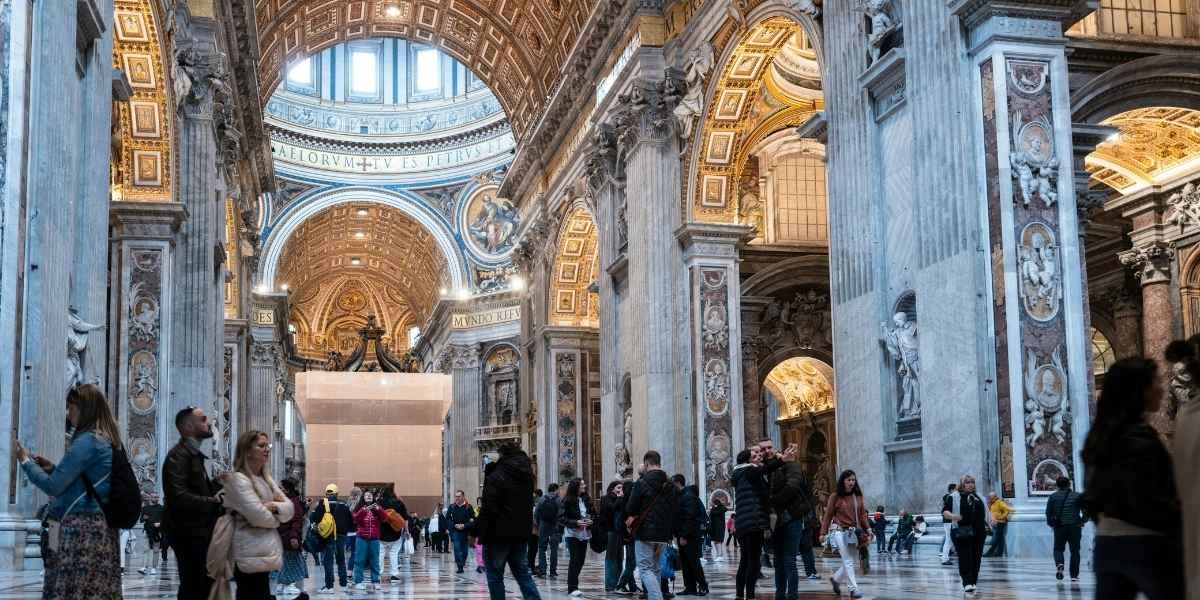
At the same time, tourism brings benefits, including cultural exchange and global visibility. Cities like Paris and Rome depend on tourism to support museums, theaters, and heritage sites. The challenge is finding ways to preserve the authenticity of these experiences while still accommodating the millions of tourists who visit each year.
Global Examples of Change
In response to the pressures of overtourism, many cities are taking steps to limit the impact of high visitor numbers:
- Venice has introduced day-trip entry fees and placed limits on the number of cruise ships allowed to dock in the city.
- Barcelona has tightened regulations on short-term rentals to protect local housing availability.
- Mallorca has seen protests from locals calling for limits on the number of tourists allowed each year.
- Amsterdam has restricted the number of cruise ships entering the city and placed limits on new hotel construction to reduce overcrowding.
- Santorini has implemented caps on the number of visitors allowed per day to preserve the island’s fragile infrastructure.
These examples reflect how different destinations are approaching the problem of overtourism, with each city or region experimenting with its own solutions. The common thread is a focus on sustainability, ensuring that tourism can continue without overburdening local resources.
The Role of Tourists
As destinations introduce new rules and fees to manage overtourism, tourists themselves are being asked to play a role in the solution. Paying entry fees, respecting local customs, and traveling during off-peak seasons are all ways tourists can contribute to easing the burden on overcrowded destinations. The idea of responsible tourism is gaining traction, encouraging travelers to consider the impact of their choices on the places they visit.
For many, this represents a shift in the way tourism is perceived. Travel has long been marketed as a carefree escape, but the overtourism crisis suggests that there are new responsibilities associated with travel. As destinations become more regulated, the conversation is moving toward shared accountability, where tourists, businesses, and governments all contribute to a more sustainable tourism economy.
As 2026 progresses, overtourism is expected to remain a major issue for many destinations. Global travel demand shows no signs of slowing down, and destinations will continue to experiment with new policies to manage visitor numbers. The success of these measures will depend on how well they can balance the economic benefits of tourism with the social and environmental costs.
The overtourism crisis is not just about the number of visitors; it’s about creating a tourism model that prioritizes sustainability, fairness, and respect for local communities. The recent surge in travel has sparked an important conversation about what kind of tourism destinations want to encourage in the future. While the challenges are significant, the ongoing dialogue suggests a growing awareness that tourism must evolve to remain viable for both locals and visitors alike.