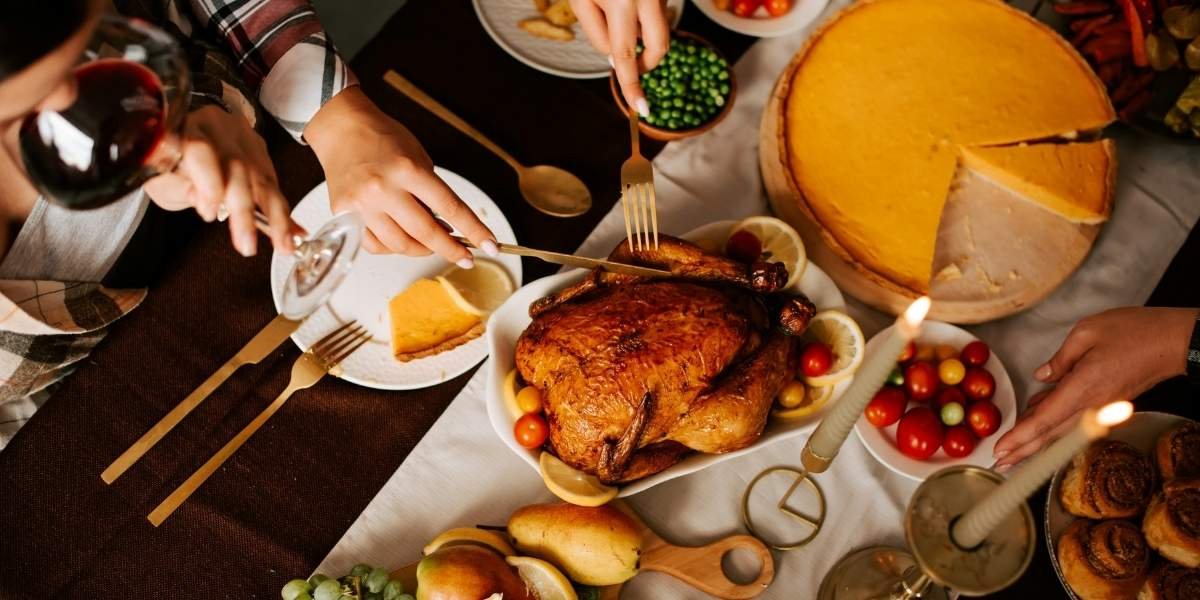
The average cost of a traditional Thanksgiving dinner for 10 people in the United States has dropped to $55.18, a 5% decrease compared to last year’s $58.41. This price reduction is largely attributed to lower turkey prices, which have rebounded after previous supply chain challenges. A 16-pound frozen turkey now costs around $21.50, or about $1.34 per pound, down 16% from 2024. This decline has helped offset slight price increases in other items, such as sweet potatoes and veggie trays, making the overall cost more manageable for families hosting large gatherings.
While Thanksgiving dinner costs less than last year, it still remains 32% higher than it was in 2019, when the same meal cost just $42.91. This raises questions about whether families are truly feeling relief or simply adjusting to a new baseline for holiday spending.
Breaking Down the Costs of the Feast
The American Farm Bureau Federation survey includes a basket of classic Thanksgiving items like turkey, stuffing, cranberries, pumpkin pie with whipped cream, rolls, peas, and sweet potatoes. This year, turkey’s price drop has been the biggest factor in reducing the overall cost.
Other items, however, saw mixed price changes. Sweet potatoes and veggie trays experienced slight increases, reflecting broader inflation in produce costs. The rising cost of fresh vegetables, driven by factors such as transportation and farming challenges, has contributed to higher prices for these items. Sweet potatoes, a key component of many Thanksgiving meals, have been impacted by the same inflationary pressures affecting other produce.
On the other hand, staples like stuffing mix, canned cranberries, and pumpkin pie mix have remained largely stable in price. These items have not seen significant increases, helping to maintain their affordability and offset some of the price hikes in other areas. Their price stability provides a consistent base for families looking to keep costs in check without sacrificing the traditional elements of the holiday meal.
For many families, stuffing mix and canned cranberries are especially cost-effective when bought in bulk during sales, which can lead to even greater savings. These predictable prices help keep the overall meal budget-friendly, making it easier to prepare a traditional feast without going over budget. By shopping strategically and taking advantage of promotions, families can ensure they’re getting the best value for their money.
The Balance of Cost and Tradition
This year’s Thanksgiving meal shows how careful shopping and some price stability in key ingredients can help offset rising costs elsewhere. The price reduction in turkey has had a significant impact on the total cost of the meal, allowing families to maintain their traditional holiday feast while managing their budgets. Yet, despite this relief, the broader inflationary trends affecting side dishes like sweet potatoes and veggies highlight the ongoing economic challenges many families face.

Photo Credit: Unsplash.com
These factors reinforce the importance of planning ahead and shopping smartly, whether it’s through bulk buying or waiting for store promotions to maximize savings. The overall cost of the meal may be more manageable, but families will still need to consider regional price variations and shifting costs based on the availability of products.
Regional Differences Across the U.S.
Although the national average for Thanksgiving dinner is down, prices can vary greatly by region. Southern states tend to see lower prices, thanks to competitive grocery markets and strong holiday promotions. In contrast, Western states often experience higher prices because of transportation and produce costs.
For instance, a University of Tennessee Extension study found that Thanksgiving meal costs in Tennessee rose by $12.50 compared to last year, despite the national decline. This highlights how local factors—such as supply chain conditions and regional demand—can affect holiday spending. Families in different regions of the country will experience varying Thanksgiving costs depending on their location.
The Impact of Lower Turkey Prices
Lower turkey prices are providing some relief for families this year, and it’s likely that they will encourage larger gatherings. With a more affordable centerpiece dish, families may feel more comfortable hosting extended relatives and friends. Retailers have been promoting aggressive turkey discounts to attract customers. These promotions reflect a desire to offer consumers some reprieve from inflationary pressures while maintaining the holiday tradition of a family feast.
However, the question remains whether this price drop is temporary or if turkey prices will continue to remain low in the long term. The promotional pricing this year has likely been influenced by retailers eager to regain customers, but it’s unclear whether these trends will last.
The Road Ahead for Thanksgiving and Beyond
The 2025 Thanksgiving cost decline marks the third consecutive year of decreases since the record high of $64.05 in 2022. While prices appear to be stabilizing, they still remain higher than pre-pandemic levels. Families may need to adjust their expectations and view the $55 price tag as the new norm, rather than anticipating a return to 2019 prices.
Retailers will likely continue to use turkey promotions to drive sales during the holiday season. Offering discounts on turkey helps grocery chains attract customers who often purchase additional items once in the store. This dynamic could influence future holiday marketing strategies, keeping turkey prices competitive while other products fluctuate in price.
For families, the takeaway from 2025 Thanksgiving meal costs is clear: they are paying less than last year, but the overall context remains influenced by inflation. While the price drop for turkey provides some relief, this year’s savings should be viewed against the backdrop of long-term economic pressures.