Economic Insider

Meet Filipe Trindade: From Underdog to Reality Show Judge alongside Tim Draper

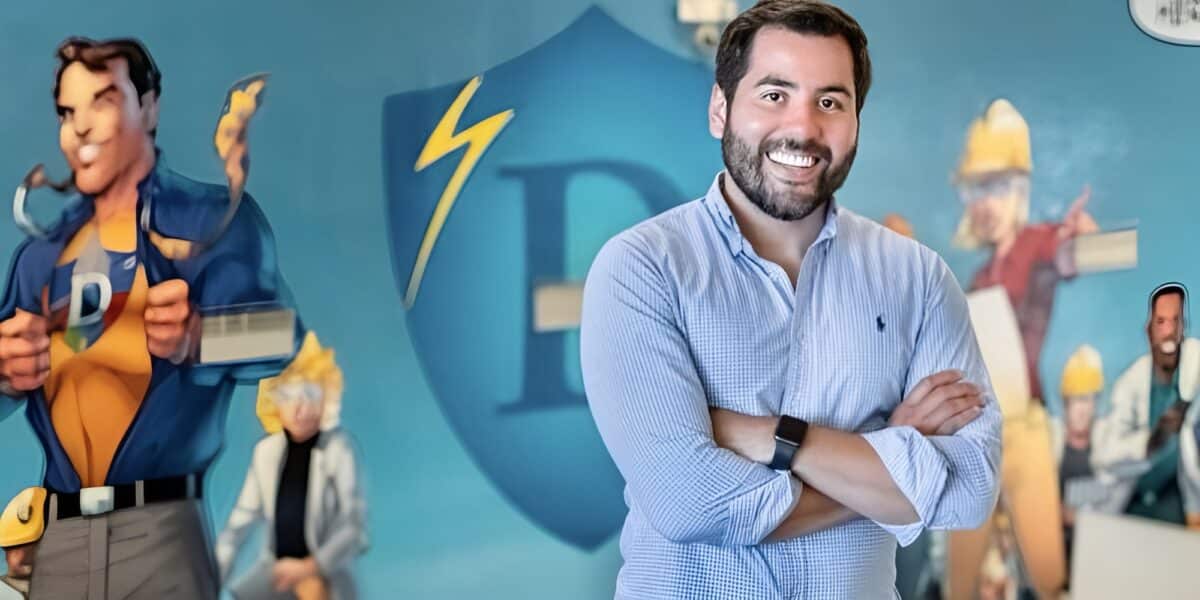
Discover how determination and networking paved the way for Filipe Trindade to join “Meet The Drapers,” the reality show hosted by the billionaire behind Tesla and Space X investments.

Filipe Trindade’s educational journey was far from typical. Known as the worst student in his school, he never advanced a grade without difficulties and constantly challenged the traditional education system. Despite these obstacles, his relentless curiosity and determination led him on an entrepreneurial path filled with challenges, ultimately establishing him as a success story in the startup world. Born in Campo Grande, Mato Grosso do Sul, the 35-year-old has crafted an impressive career, earning recognition in both the national and international entrepreneurial scenes.

With a background in International Relations, Filipe embarked on his entrepreneurial journey at 23, starting with a restaurant that, despite its eventual failure, provided him with invaluable experience. Over the years, he founded several startups, gaining expertise and building a network in the business world. In 2015, his efforts were recognized when he received the Young Entrepreneur award from the state of Mato Grosso do Sul, a milestone that propelled his career forward and opened doors to future endeavors.

Since 2018, Filipe made numerous trips to Silicon Valley, knocking on doors to forge connections with prominent investors and entrepreneurs. After facing numerous rejections, he finally knocked on the door that would lead to a pivotal moment in his career, receiving a positive response.

In 2021, Filipe was awarded a scholarship to attend Draper University and moved to Silicon Valley. Living in the area and interacting with venture capitalist Tim Draper, Filipe was invited to join the jury of “Meet the Drapers,” a Sony International reality show. This opportunity made him the first Brazilian to judge on the world’s largest investment reality show.

In 2023, Tim Draper visited Brazil for the Know How Experience event in São Paulo, further strengthening their connection. Moreover, this partnership brought the Draper Startup House accelerator to Brazil, in collaboration with the Know How Club.

Interacting with Tim Draper, one of the world’s leading venture capitalists, gave Filipe the chance to meet top global entrepreneurs. Networking became his key tool in attracting investors, mentors, and business partners. “Becoming a judge on the world’s largest investment reality show is a fantastic experience. I had a big dream of meeting Tim Draper and doing business with these major investors, these global billionaires,” Filipe shares.

Aside from his professional achievements, Filipe enjoys surfing, working out, reading, and traveling. He is actively involved in philanthropy, leading social projects in Campo Grande to provide opportunities for local entrepreneurs and inspire low-income youth to pursue their dreams.

Looking ahead, Filipe aims to globalize his startup, “Know How Club,” transforming it into a worldwide entrepreneurship club that offers credit for startups and SMEs. His life philosophy revolves around persistence, resilience, and positive influence, serving as a testament to success and growth with limited resources but extensive networking. Furthermore, the Know How Club is set to evolve into a fintech in 2024, broadening its success prospects even further.

Published by: Martin De Juan
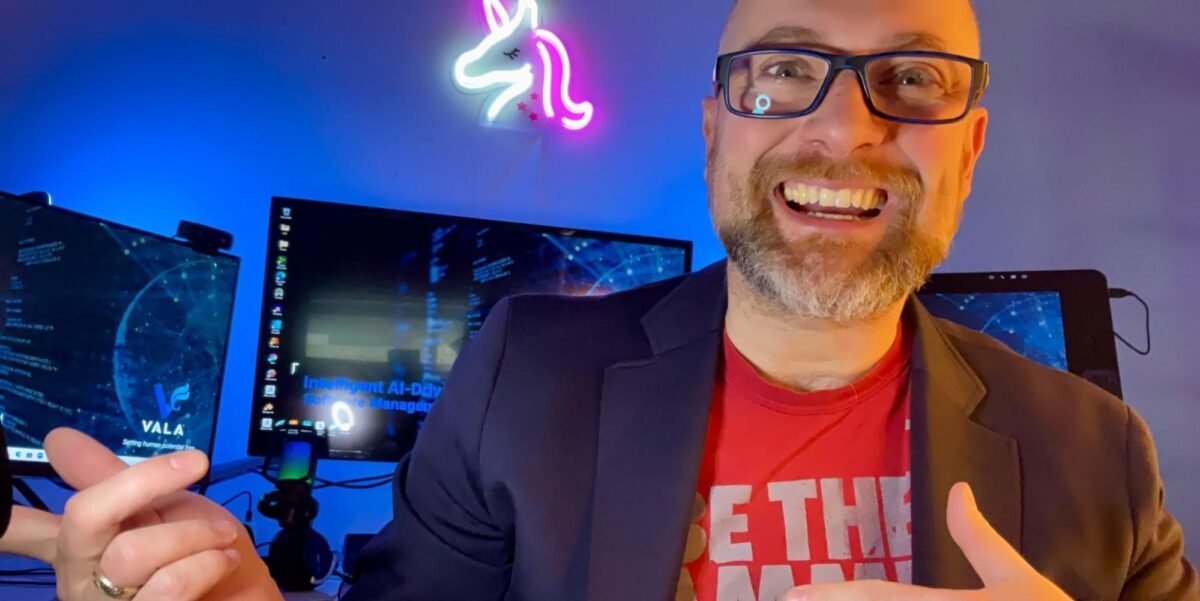
How Vala AI Is Helping Global Companies Tackle Their Technology Debt and Keep Moving Into The Future

Companies are continually pushing the envelope to innovate and stay ahead of the competition. However, this relentless drive for progress often comes with a hidden cost: technical debt. As enterprises scale and evolve, the accumulated consequences of earlier, expedient decisions, and the reliance on legacy systems start to weigh heavily, impeding further innovation and growth. This is where Vala AI steps in, a company founded on the mission to liberate businesses from the shackles of technical debt, enabling them to unlock their full potential.

Vala AI, Built To Retire Companies Technical Debt

Technology is always evolving. As a result, companies are always in an uphill battle to keep their systems current and functioning. Behind the scenes of every company, coding is aging every second. New systems have been adopted and merged, original code writers are long gone from the company, and the result is over $1.5 trillion lost every year due to technical debt. Enter Vala AI. Vala AI  was created to retire debt and improve efficiency by giving companies access to a comprehensive range of professionals and resources to address their technical issues. Vala AI was founded by Christian Hammer and Wilf Russell, two veterans with a combined experience of over 50 years in the tech industry. Their careers have spanned roles at leading corporations like Nike, Maersk, Wayfair, and Volvo, where they’ve witnessed first-hand the challenges and complexities of managing large-scale software projects. This profound understanding of the industry’s pain points has fueled their passion for creating Vala AI, a platform designed to revolutionize the way companies manage software and overcome the hurdles of technical debt.

Three Ways Vala AI Solves Client Problems

Vala AI addresses the challenges of technical debt and software management through a blend of innovative solutions and cutting-edge technology. Here are three key ways in which Vala AI is helping companies navigate these issues:

  1. Holistic Dependency Management Vala AI offers a comprehensive solution for managing software dependencies, which are often a significant source of technical debt. By leveraging generative AI, Vala AI intelligently identifies dependencies, generates code, and submits patches to resolve issues swiftly. This approach not only saves millions of hours in lost productivity but also ensures that enterprises can maintain a streamlined and efficient software development process.

  2. Predictive Analytics and User Behavior Insights With the integration of predictive analytics, Vala AI empowers companies to work smarter by anticipating the impact of software updates, managing dependencies proactively, and optimizing workflows based on intelligent predictions. Furthermore, by analyzing aggregated user data, Vala AI provides valuable insights into user behavior, preferences, and trends, allowing companies to tailor their strategies for maximum efficiency and effectiveness.

  3. Natural Language Processing (NLP) Integration Vala AI enhances the user experience by incorporating NLP, enabling teams to interact with the platform using simple, straightforward communication. This makes software management an intuitive and user-friendly process, reducing the learning curve and allowing teams to focus on delivering value rather than navigating complex technical interfaces.

Meet The Men Behind the Innovation

Christian Hammer, Vala AI’s CEO, is not just a technology executive and serial entrepreneur but also a public speaker, board member, and fine artist. His diverse background and experiences at companies like Nike, AppNexus, Maersk, and Wayfair have equipped him with a unique perspective on digital transformation and the creation of Direct-to-Consumer businesses.

Wilf Russell, the CTO of Vala AI, brings a wealth of experience in building and managing scalable technical organizations. His expertise spans across product management, engineering, and technical operations, ensuring that Vala AI remains at the cutting edge of technological innovation.

More On Vala AI 

Vala AI Streamlines the resolution process when addressing technical issues. When a defect is recognized, the platform intelligently resolves the issue directly, eliminating the need to track down developers, re-prioritize, deal with endless backlogs, and resolve time-consuming sprint delays. The result? A company that is saving money while ensuring its technical components are moving along smoothly. 

For more information about Vala AI and its solutions, you can visit their website

Published by: Martin De Juan

Eco-Innovators in Business: How Green Practices Can Drive Company Growth and Consumer Trust

In an era where environmental concerns are at the forefront of public discourse, businesses are increasingly recognizing the value of adopting green practices. Eco-innovation, the practice of developing and implementing environmentally friendly solutions, is not just a moral imperative but a strategic business move. Entrepreneurs like Cole Evans, Denver, who lead companies such as KISS NUTRACEUTICALS, are setting examples by integrating sustainable practices into their business models, demonstrating that going green can indeed coincide with company growth and enhanced consumer trust.

The Rise of Eco-Innovation

Eco-innovation involves rethinking business operations, product design, and supply chains to reduce environmental impact. This can range from utilizing renewable energy sources and sustainable materials to implementing recycling programs and energy-efficient processes. The aim is to create a positive cycle where business growth does not come at the expense of the planet but rather contributes to its preservation.

Driving Company Growth through Sustainability

Adopting green practices can drive company growth in several ways. Firstly, it can lead to cost savings. Energy-efficient technologies and waste reduction processes can significantly lower operating costs over time. Secondly, sustainability can open up new markets and revenue streams. Products that are environmentally friendly often tap into a growing consumer base that prioritizes green products.

Sustainability can be a significant differentiator in crowded markets. Companies that lead with their green initiatives can stand out from competitors, attracting consumers who are increasingly making purchasing decisions based on a company’s environmental footprint.

Building Consumer Trust with Transparency

One of the key benefits of adopting green practices is the ability to build and maintain consumer trust. Today’s consumers are more informed and conscious about the environmental impact of their purchases. They tend to trust companies that are transparent about their sustainability efforts and demonstrate a genuine commitment to the environment.

Transparency can take many forms, from clear labeling about the sustainability of products to public reports on the company’s environmental impact and ongoing efforts to reduce it. By openly sharing their journey towards sustainability, businesses can foster a sense of trust and loyalty among consumers, which is invaluable in building long-term relationships.

Success Stories of Eco-Innovation

Many companies across various industries have successfully integrated eco-innovation into their operations, reaping the benefits of increased growth and consumer trust. For instance, in the fashion industry, brands adopting circular fashion principles, where products are designed and produced with their end-of-life in mind, have seen a surge in popularity among eco-conscious consumers.

In the food and beverage sector, companies focusing on organic and locally sourced ingredients have not only reduced their carbon footprint but also attracted a dedicated customer base willing to pay a premium for sustainable products. Similarly, in the nutraceuticals industry, leaders like Cole Evans, Denver, have prioritized sourcing eco-friendly materials and minimizing the environmental impact of production processes, setting a standard for sustainability in the sector.

Challenges and Considerations

While the benefits of eco-innovation are clear, businesses face several challenges in implementing green practices. Initial investments in sustainable technologies and processes can be high, and the return on investment may not be immediate. Moreover, navigating the complex landscape of sustainability certifications and standards can be daunting for many businesses.

However, the long-term benefits of eco-innovation, including cost savings, brand differentiation, and enhanced consumer trust, often outweigh the initial challenges. Businesses embarking on this journey must remain committed and transparent about their efforts, recognizing that sustainability is a continuous process of improvement.

The Future of Eco-Innovation

The future of eco-innovation in business looks promising, with technological advancements and increasing consumer demand for sustainable products driving change. As more companies recognize the value of green practices, we can expect to see innovation in sustainable materials, renewable energy, and circular economy models.

Business leaders like Cole Evans, who are already pioneering sustainability in their industries, will continue to inspire others to follow suit. The collective efforts of eco-innovators in business can significantly contribute to addressing environmental challenges, paving the way for a more sustainable and prosperous future for all.

Conclusion

Eco-innovation represents a powerful strategy for businesses looking to grow while positively impacting the planet. By adopting green practices, companies can reduce costs, differentiate their brand, and build consumer trust. The journey towards sustainability may present challenges, but the rewards are substantial, both for the business and the environment.

As consumers increasingly prioritize sustainability, businesses that lead with eco-innovation will not only thrive but also play a crucial role in driving global environmental progress. Entrepreneurs like Cole Evans, who integrate sustainability into the core of their business, exemplify the potential for eco-innovation to transform industries and contribute to a healthier planet.

Published by: Martin De Juan