Economic Insider

The Future of Sustainable Construction: Innovations and Practices Shaping the Industry

Sustainable construction has evolved from being a mere buzzword to a transformative force shaping the construction industry’s ethos and operations. This shift is not merely a response to fleeting trends but a fundamental reorientation towards responsible and environmentally conscious practices. Marlon Triplett, a contractor based in Gary, Indiana, embodies this shift by actively embracing innovative technologies and sustainable practices in his projects.

The urgency of addressing climate change and mitigating environmental impact has propelled sustainable construction to the forefront of industry discussions. Contractors like Marlon Triplett recognize that traditional construction methods are no longer viable in a world facing escalating environmental challenges. As a result, there has been a concerted effort to adopt sustainable principles across all stages of construction, from design to execution and beyond.

Green Building Materials

One of the key pillars of sustainable construction is the use of green building materials. Triplett recognizes the importance of choosing materials that have minimal environmental impact throughout their lifecycle. This includes materials that are responsibly sourced, energy-efficient, and recyclable. From eco-friendly insulation made from recycled materials to sustainable timber and low-impact concrete alternatives, the market for green building materials continues to expand, providing contractors with more options to reduce their carbon footprint.

Energy-Efficient Design

Innovations in energy-efficient design are also shaping the future of sustainable construction. Marlon Triplett understands the value of incorporating energy-saving features into residential projects, such as passive solar design, high-efficiency HVAC systems, and smart home technology. These design elements not only reduce energy consumption but also improve comfort and lower utility costs for homeowners.

Renewable Energy Integration

The integration of renewable energy sources is another trend driving sustainable construction forward. Triplett acknowledges the potential of solar panels, wind turbines, and geothermal systems to generate clean, renewable energy on-site. By harnessing these technologies, contractors can reduce reliance on fossil fuels and contribute to a more sustainable energy grid.

Green Building Certifications

Certifications such as LEED (Leadership in Energy and Environmental Design) and Green Globes are becoming increasingly prevalent in the construction industry. Marlon Triplett understands the value of these certifications in showcasing a commitment to sustainability and attracting environmentally conscious clients. By adhering to strict sustainability criteria and implementing best practices, contractors can achieve certification and differentiate themselves in the market.

Waste Reduction and Recycling

Efforts to reduce waste and increase recycling are integral to sustainable construction practices. Triplett emphasizes the importance of proper waste management on construction sites, including recycling materials such as concrete, metal, and wood. Additionally, innovative technologies like 3D printing using recycled materials and modular construction techniques are helping to minimize waste and improve efficiency in building processes.

Water Conservation Strategies

Water conservation is another area where sustainable construction is making strides. Marlon Triplett recognizes the significance of implementing water-saving fixtures, rainwater harvesting systems, and drought-resistant landscaping in residential projects. These strategies not only reduce water consumption but also promote environmental stewardship and resilience in the face of water scarcity.

Embracing Circular Economy Principles

The concept of the circular economy, which aims to minimize waste and maximize resource efficiency, is gaining traction in the construction industry. Triplett understands the importance of designing buildings and infrastructure with longevity and adaptability in mind, using durable materials that can be repurposed or recycled at the end of their lifespan. By embracing circular economy principles, contractors can contribute to a more sustainable and regenerative built environment.

A Greener Tomorrow

The future of sustainable construction is bright, driven by a collective commitment to innovation, efficiency, and environmental stewardship. Contractors like Marlon Triplett are at the forefront of this movement, embracing new technologies, green building materials, energy-efficient design, renewable energy integration, waste reduction strategies, water conservation measures, and circular economy principles. By adopting these innovations and practices, the construction industry is shaping a greener tomorrow for generations to come.

Published by: Holy Minoza

Brett Reck Discusses Unlocking the Power of Data Analytics in Financial Risk Management

In the fast-paced and complex world of financial services, effective risk management is crucial for ensuring stability, resilience, and long-term success. With the advent of advanced technologies, data analytics has emerged as a powerful tool for identifying, assessing, and mitigating risks in real-time. In this article, we delve into the transformative potential of data analytics in financial risk management and its role in driving strategic decision-making.

The Evolution of Risk Management

Traditionally, risk management in the financial services industry relied heavily on manual processes and subjective assessments. However, with the exponential growth of data and the advent of sophisticated analytics tools, organizations now have access to vast amounts of data that can be leveraged to enhance risk management practices. From market volatility and credit risk to operational failures and regulatory compliance, data analytics provides valuable insights that enable organizations to identify and mitigate risks more effectively.

The Role of Data Analytics

Data analytics involves the systematic analysis of data to uncover patterns, trends, and insights that can inform decision-making. In the context of financial risk management, data analytics enables organizations to:

  • Identify Emerging Risks: By analyzing historical data and monitoring market trends in real-time, organizations can identify emerging risks and anticipate potential threats before they escalate into significant issues.
  • Assess Risk Exposure: Data analytics allows organizations to quantify and assess their risk exposure across various dimensions, including market risk, credit risk, liquidity risk, and operational risk. By understanding their risk profile, organizations can develop targeted mitigation strategies to address vulnerabilities.
  • Optimize Risk Controls: Data analytics enables organizations to evaluate the effectiveness of existing risk controls and identify areas for improvement. By analyzing data on past incidents and near misses, organizations can refine their risk management processes and strengthen their defenses against future threats.
  • Inform Strategic Decision-Making: Data-driven insights provide organizations with a deeper understanding of their business operations and the external factors that impact their risk profile. By leveraging these insights, organizations can make informed decisions that align with their strategic objectives and enhance their overall resilience.

Leveraging Data Analytics for Strategic Decision-Making

1. Predictive Analytics

Predictive analytics involves using historical data and statistical algorithms to forecast future outcomes and trends. In financial risk management, predictive analytics can help organizations anticipate potential risks and take proactive measures to mitigate them. For example, by analyzing customer behavior and market trends, organizations can identify early warning signs of credit default or market downturns and adjust their strategies accordingly.

2. Scenario Analysis

Scenario analysis involves modeling various hypothetical scenarios to assess their potential impact on an organization’s financial performance and risk exposure. By simulating different scenarios, organizations can evaluate the resilience of their business operations and develop contingency plans to mitigate the impact of adverse events. For example, organizations can use scenario analysis to assess the potential impact of changes in interest rates, exchange rates, or regulatory requirements on their profitability and liquidity.

3. Machine Learning

Machine learning algorithms enable organizations to analyze large datasets and identify complex patterns and relationships that may not be apparent through traditional analysis methods. In financial risk management, machine learning can be used to identify fraudulent activities, detect anomalies in transaction data, and optimize credit risk models. By continuously learning from new data, machine learning algorithms can adapt and improve their performance over time, enabling organizations to stay ahead of evolving risks.

Brett Reck on Data Analytics in Financial Risk Management

As a seasoned professional in the financial services industry, Brett Reck understands the transformative potential of data analytics in financial risk management. With over two decades of experience, Reck has witnessed firsthand the evolution of risk management practices and the increasing importance of data-driven insights in driving strategic decision-making.

Reck emphasizes the importance of leveraging data analytics to enhance risk management practices and improve organizational resilience. By harnessing the power of data analytics, organizations can identify emerging risks, optimize risk controls, and make informed decisions that align with their strategic objectives. Reck believes that data analytics will continue to play a critical role in shaping the future of risk management in the financial services industry, enabling organizations to navigate uncertainty and drive sustainable growth in an increasingly complex and dynamic environment.

In conclusion, data analytics has the potential to revolutionize financial risk management by providing organizations with actionable insights that enable them to identify, assess, and mitigate risks more effectively. By leveraging predictive analytics, scenario analysis, machine learning, and other advanced analytics techniques, organizations can enhance their risk management practices and make informed decisions that drive strategic value. With data analytics at their disposal, organizations can unlock new opportunities for growth and resilience in an ever-changing landscape.

Published by: Martin De Juan

From Junk Mail to Millions: Marketing Coach Russell Brunson’s Evolution as a Digital Marketing Visionary

Russell Brunson’s narrative is not merely a chronicle of entrepreneurial achievement; it is a testament to the power of vision, resilience, strategic genius and success mindset. From his early days as a curious child dissecting the mechanics of marketing in Provo, Utah, to establishing himself as a titan in the digital marketing sphere with ClickFunnels, Brunson’s journey encapsulates the essence of entrepreneurial dynamism and innovation.

Brunson’s fascination with marketing ignited at the tender age of 12 when he began collecting junk mail. Unlike his peers, who were engrossed in cartoons, Brunson was captivated by commercials and the art of persuasion. This early interest laid the foundation for what would become a groundbreaking career in digital marketing. However, Brunson’s talents weren’t confined to business pursuits alone. He also excelled in wrestling during his high school years, achieving state champion status and later becoming an All-American wrestler in college. These experiences instilled in him a competitive spirit and a relentless drive for success.

The turning point in Brunson’s entrepreneurial journey came shortly after he started college at the University of Utah. Brunson’s innate entrepreneurial urge led him to leave college to embark on his first business venture. In 2003, he made waves with ZipBrander, a viral marketing tool that marked his entry into online entrepreneurship. His innovative spirit soared with his next venture – selling instructional DVDs on building potato guns. This seemingly quirky enterprise not only succeeded but also paved the way for more ambitious projects.

2014 was a landmark year when Brunson and Todd Dickerson co-founded ClickFunnels – a revolutionary platform designed to create and market sales funnels for entrepreneurs and businesses alike. Addressing a significant market need with its user-friendly interface and comprehensive features, ClickFunnels quickly climbed to prominence within the online marketing community. Achieving over $100 million in revenue within three years of its inception, ClickFunnels has grown exponentially, boasting over 100,000 users.

Yet Russell Brunson’s vision extends beyond personal success and wisdom in achieving goals; it encompasses an unwavering commitment to philanthropy and societal impact. Through initiatives like Village Impact, which is supported by ClickFunnels, he contributes significantly to building schools in Africa. 

Expanding on this ethos of empowerment and social responsibility are two pivotal platforms initiated by Brunson: Marketing Secrets and Secrets of Success. Marketing Secrets serves as an invaluable resource hub for entrepreneurs seeking actionable insights into enhancing their online presence through effective sales funnels, copywriting techniques, strategies to increase traffic, and more.

Brunson’s latest passion project, Secrets of Success, delves deeper into personal development by providing members access to unparalleled content rooted in timeless wisdom from thought leaders, including the best of Napoleon Hill books. Herein lies an opportunity for individuals to explore growth strategies that transcend conventional boundaries—fostering success that is not just professional but profoundly personal.

As Russell Brunson continues to demystify digital marketing strategies through these platforms while simultaneously championing philanthropic causes, his legacy transcends business coaching programs—it embodies profound societal impact coupled with unwavering dedication towards fostering individual potential across diverse spectrums.

In essence, Russell Brunson has transformed from crafting potato gun instructional videos into spearheading digital marketing innovations that empower entrepreneurs worldwide—a feat emblematic of both ingenuity and integrity amidst rapid technological evolutions.

Through ClickFunnels’ sustained dominance within its niche and Marketing Secrets’ role as an essential beacon for aspiring entrepreneurs alongside Secrets of Success’ focus on holistic personal development—Brunson’s influence resonates far beyond initial expectations from humble beginnings.

Thus stands Russell Brunson—a figure synonymous not only with pioneering digital marketing solutions but also with embodying the quintessence of entrepreneurial resilience and transformative leadership amidst our ever-evolving digital landscape.


Published by: Khy Talara

A Visionary Approach to Real Estate Education

Forging the Future of Real Estate with Technology and Education: Dr. Sarah Liew’s Visionary Framework

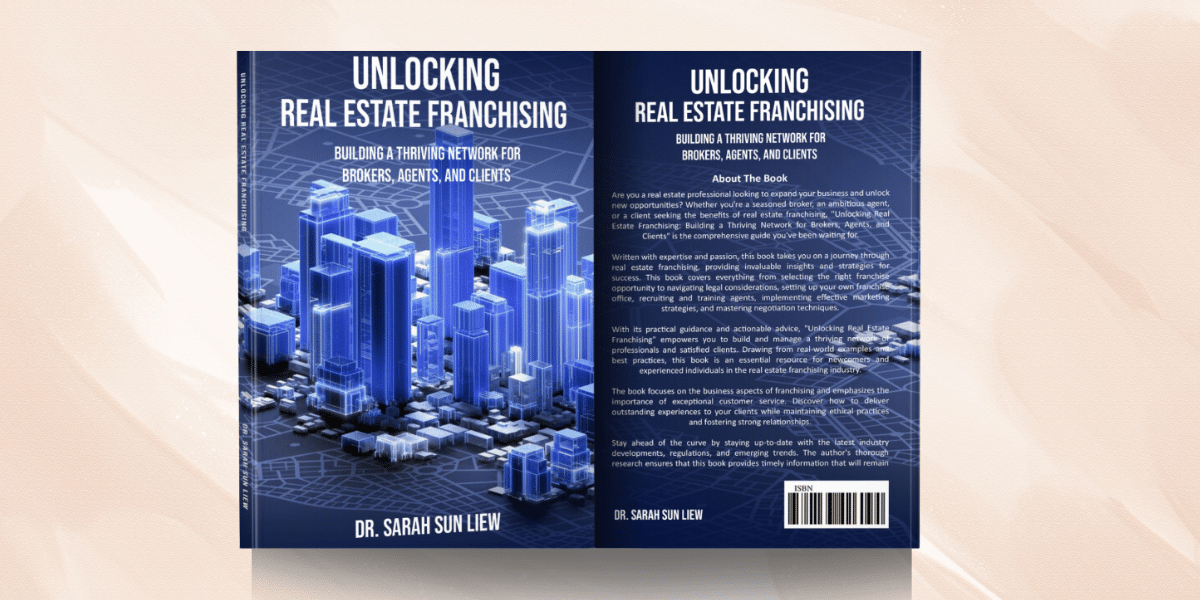
In the rapidly evolving realm of real estate, staying at the forefront requires more than just market savvy; it demands a profound integration of technology and innovative thinking. Dr. Sarah Liew, in her seminal work, “The Complete Guide to Real Estate: Building, Managing, and Expanding Your Business,” champions this very ethos, presenting a paradigm where technology and real estate converge to create unparalleled opportunities for growth and efficiency.

Dr. Liew’s comprehensive guide delves into the essence of modern real estate practices, highlighting the pivotal role of digital marketing, e-commerce, and fintech solutions in transforming the landscape of real estate services. Her insights emphasize not just the adoption of technology but its strategic application to enhance customer interaction, streamline operations, and foster avenues for expansion that were previously inconceivable.

A Visionary Approach to Real Estate Education

Photo Courtesy: Dr. Sarah Sun Liew

Cultivating Technological Prowess in Real Estate Professionals

At the core of Dr. Liew’s philosophy is a steadfast belief in the power of education to elevate the real estate profession. Her leadership at Meridian Intuition Technology University exemplifies her commitment to preparing the next generation of leaders. Under her guidance, Meridian has emerged as a vanguard of innovation, marrying the realms of technology and practical real estate application in a curriculum that’s both rigorous and relevant.

Meridian’s programs, particularly in fintech, are meticulously designed to not only impart knowledge but also to democratize access to financial technology. These initiatives aim to cultivate financial literacy and inclusivity, equipping students from all walks of life with the tools to navigate and succeed in the tech-infused future of the global economy.

A Legacy of Innovation and Inclusion

Throughout her illustrious career, Dr. Liew has consistently pushed the boundaries of what’s possible in both education and the business world. Her visionary approach has not only shaped her professional endeavors but has also inspired a movement toward creating inclusive communities that leverage technology for the greater good.

“The Complete Guide to Real Estate” encapsulates Dr. Liew’s journey and philosophy, presenting not merely a roadmap to professional success but a manifesto for building a legacy of innovation, integrity, and inclusivity. This work stands as a testament to her belief in the transformative power of uniting technology with ethical business practices, aiming to not just change the landscape of real estate but to make a lasting impact on society.

A Visionary Approach to Real Estate Education

Photo Courtesy: Dr. Sarah Sun Liew

A Call to Action for Aspiring Real Estate Innovators

For those inspired by Dr. Liew’s comprehensive vision for the future of real estate, a wealth of resources and opportunities for engagement are available. Whether it’s exploring the latest in fintech through the Innovation Hub at Meridian, delving into insights on global payment solutions at Worldpay, or contributing to policy initiatives that shape the future of real estate and education, Dr. Liew invites collaboration and exploration.

To immerse yourself in the forefront of financial technology and real estate innovation, visit Meridian Intuition Technology University at www.meridianwish.com.

For a deep dive into global payment solutions and their implications for real estate, explore Worldpay Insights at www.worldpay.com.

To engage with policy initiatives and contribute to the discourse on the future of real estate education, visit www.sarahsenator.org.

For those looking to integrate faith and leadership in their professional journey, discover Global Jesus Mission Church at www.gjesusmc.org.

In offering “The Complete Guide to Real Estate: Building, Managing, and Expanding Your Business,” Dr. Sarah Liew doesn’t just share her unparalleled expertise; she lays the groundwork for a new era of real estate professionals. This guide serves as a blueprint for those determined to forge meaningful careers that not only achieve professional success but also contribute positively to society through the innovative intersection of technology, education, and ethical real estate development.

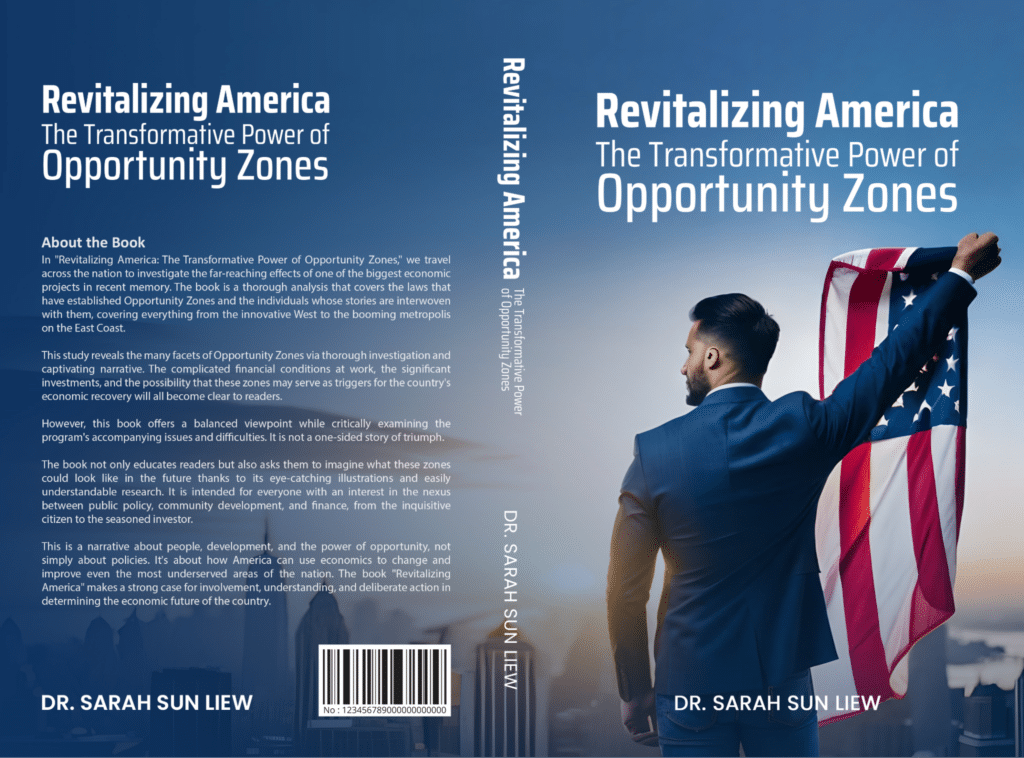
Dr. Liew’s forthcoming book will soon be available on Amazon alongside her collection of 20 other publishing works.

A Visionary Approach to Real Estate Education

Photo Courtesy: Dr. Sarah Sun Liew


Published By: Aize Perez

How Many is Too Many? Thane Stenner of Canaccord Genuity Breaks Down the Ideal Client Load for Wealth Advisors

The relationship between a wealth advisor and their ultra-high-net-worth clients, defined as individuals with a net worth exceeding $25 million, is fundamentally rooted in the principles of personalization, trust, and dedicated service. In this context, the question of how many clients a wealth advisor can effectively manage becomes not just operational but deeply philosophical, touching upon the very essence of what ultra-high-net-worth individuals seek in their advisory relationships. 

Senior Portfolio Manager & Senior Wealth Advisor Thane Stenner of Stenner Wealth Partners+ at CG Wealth Management Canada explores the delicate balance between quantity and quality of client relationships and the importance of emphasizing attention, service, and the overall care and success of clients above all else

Understanding Ultra-High-Net-Worth Clients’ Service Expectations

Ultra-high-net-worth clients, with their extensive assets and complex financial landscapes, demand a level of service that goes beyond the standard wealth management offerings. They seek advice in financial planning and investment management as well as a personalized experience that acknowledges their unique needs and aspirations. 

“When we serve our clients,” says Stenner, “We tailor financial solutions that address the complexities of their wealth while embracing a culture of responsiveness to inquiries and market movements. At the end of the day, we focus on a depth of personal attention that makes each client feel valued and understood.”

For wealth advisors, meeting these expectations necessitates a highly individualized approach. Each client interaction must be informed, thoughtful, and bespoke. As such, the capacity to maintain this level of service becomes a critical factor in managing client loads. Advisors must carefully balance their client roster to ensure that each ultra-high-net-worth individual receives the dedicated focus and time required to nurture a trusting, long-term advisory relationship. Quality of service must never be compromised for quantity, setting a high bar for wealth management practices catering to this elite clientele.

The Impact of Advisor Capacity on Client Experience

The number of clients an advisor manages directly impacts the caliber of service delivered, especially within the realm of ultra-high-net-worth wealth management. An advisor’s capacity to allocate sufficient time, ensure availability for meetings, and personalize advice diminishes as their client list expands. This is particularly critical for ultra-high-net-worth clients, who require detailed, bespoke financial strategies that consider the complexities of their wealth.

Exclusivity is a cornerstone of premium service for ultra-high-net-worth clients. It ensures that advisors can dedicate the necessary time to deeply understand each client’s financial landscape, aspirations, and concerns. This understanding is pivotal for crafting tailored strategies that align with the client’s goals. 

Notes Stenner, “Maintaining a manageable number of client relationships is essential for wealth advisors. It not only enables the delivery of high-quality, personalized service but also reinforces the trust and satisfaction of ultra-high-net-worth clients, fostering a sense of exclusivity and prioritization that these clients rightfully expect.”

Optimal Client-Advisor Ratios for Ultra-High-Net-Worth Portfolios

Determining the optimal client-to-advisor ratio for managing ultra-high-net-worth portfolios requires an understanding of several key factors. The complexity of client needs is paramount as ultra-high-net-worth individuals often have intricated financial situations requiring customized strategies, making it essential for advisors to have the bandwidth to delve deeply into these complexities. The frequency of interactions needed varies among clients, with some requiring more regular communication and hands-on guidance than others. 

“An advisor must gauge the level of engagement needed to satisfy each client’s expectations fully,” notes Stenner.

The advisor’s support infrastructure plays a crucial role in defining these ratios. A well-resourced team with specialists in various areas of wealth management can allow an advisor to efficiently manage a larger number of clients without compromising service quality. However, without such support, the advisor might need to limit their client list more strictly to maintain high service levels. Establishing an optimal client-advisor ratio, therefore, involves balancing these factors to ensure each UHNW client receives the attentive, personalized service they demand.

How Many is Too Many? Thane Stenner of Canaccord Genuity Breaks Down the Ideal Client Load for Wealth Advisors

Photo: DepositPhotos.com

Strategies for Wealth Advisors to Maintain Quality with Growth

As wealth advisors expand their client base, maintaining and even enhancing the quality of service for ultra-high-net-worth clients becomes a pivotal challenge. Leveraging technology is a critical strategy in this endeavor. Advanced financial planning tools and customer relationship management (CRM) systems can streamline operations, personalize client interactions, and provide real-time insights that allow for more responsive and informed advice.

Building a skilled support team is another essential strategy. A team comprising skilled advisors in various aspects of wealth management can offer specialized advice and ensure that all client needs are met promptly and efficiently. This collaborative approach allows the primary advisor to focus on strategic oversight and personalized client relationships while leveraging the team’s specialty for technical analysis and solution implementation.

Implementing client segmentation strategies is also beneficial. By categorizing clients based on their needs, complexities, and preferences, advisors can tailor their service model to each segment, ensuring that all clients receive the appropriate level of attention and customized service. This strategic segmentation helps in efficiently allocating resources and maintaining high service standards across a growing clientele.

For ultra-high-net-worth individuals, the essence of a fruitful wealth management relationship lies in receiving the dedicated attention and bespoke service they require to navigate their complex financial landscapes. Wealth advisors, therefore, must carefully consider their capacity to serve this niche effectively, recognizing that exceeding this capacity risks diluting the quality of service that is the cornerstone of their value proposition. By adhering to a philosophy that prioritizes deep, meaningful engagement over sheer numbers, wealth advisors can fulfill the exacting expectations of their ultra-high-net-worth clients and foster long-term, trust-based relationships.

Thane Stenner holds cross-border licenses in both the USA and Canada through FINRA and CIRO. His previous roles at Morgan Stanley Wealth Management included Managing Director, International Client Advisor, Institutional Consulting Director, and Director of Alternative Investments, where he and his team specialized in portfolio management for ultra-high-net-worth individuals.

A cum laude graduate from Arizona State University, Stenner also completed the Executive Program at Harvard Business School. His distinctive knowledge has gained recognition in numerous business news platforms, such as the Globe & Mail, Canadian Family Offices & BNN Bloomberg.

Published by: Martin De Juan

Eco-Conscious Photography: Leonardo Gusmão Araújo On Capturing Nature Without Leaving a Trace

In an age where the beauty of our planet is under constant threat from various forms of pollution, deforestation, and climate change, the role of photography in capturing and preserving the natural world has never been more important. However, as we venture into the wilderness to document its wonders, it’s crucial to do so in a way that respects and protects the environments we aim to celebrate. Eco-conscious photography is about more than just taking stunning pictures; it’s a philosophy that guides photographers to minimize their impact on the natural world. Individuals like Leonardo Gusmão Araújo, who traverse the globe to document its beauty, play a pivotal role in this movement, demonstrating that it’s possible to capture the essence of our planet without leaving a trace.

Understanding Eco-Conscious Photography

Eco-conscious photography is a practice rooted in the principles of Leave No Trace (LNT), which emphasizes the importance of making as little impact as possible on the natural environment. This approach involves careful planning, respect for wildlife, and mindfulness of one’s actions while shooting in the outdoors. By adhering to eco-conscious practices, photographers can help preserve the integrity of the ecosystems they photograph, ensuring that these areas continue to thrive for generations to come.

Planning and Preparation

The first step towards eco-conscious photography begins long before reaching the destination. Researching the location helps photographers understand the ecosystem, including the types of wildlife and plants they might encounter, and any specific regulations or guidelines in place to protect the area. Preparing adequately by knowing what to expect can significantly reduce the environmental impact of a photography expedition. For example, Leonardo Gusmão Araújo often plans his trips meticulously to ensure that he is well-informed about the environments he will be entering, which allows him to make responsible decisions while capturing his subjects.

Respecting Wildlife

A key component of eco-conscious photography is the respect for wildlife. Photographers should always maintain a safe and respectful distance from animals to avoid causing stress or disrupting their natural behaviors. Using telephoto lenses can help capture detailed shots without getting too close. Furthermore, feeding or attempting to attract wildlife for a better photo is harmful and should be avoided. Respecting wildlife also means being aware of breeding seasons and sensitive habitats, as disturbing these areas can have long-lasting negative effects on animal populations.

Leave No Trace Principles

Adhering to Leave No Trace principles is essential for any eco-conscious photographer. These guidelines help minimize the impact on the environment and include:

  • Travel and Camp on Durable Surfaces: Stick to established trails and campsites to avoid damaging vegetation and soil.
  • Dispose of Waste Properly: Pack out all trash, leftover food, and litter, including biodegradable materials that could harm the environment.
  • Leave What You Find: Preserve the natural state of the wilderness by not taking souvenirs, such as rocks, plants, or historical artifacts.
  • Minimize Campfire Impacts: Avoid making fires in the wilderness unless in a designated area and there’s no risk of wildfire.
  • Respect Wildlife: Observe animals from a distance, do not feed them, and avoid disturbing their habitats.

Be Considerate of Other Visitors: Practice courteous behavior to ensure everyone can enjoy their natural experience.

Sustainable Gear Choices

Choosing the right gear can also contribute to an eco-conscious approach. Opting for equipment from companies that prioritize sustainability and environmental responsibility can make a significant difference. This includes cameras, bags, and accessories made from recycled materials or produced through environmentally friendly processes. Additionally, maintaining and repairing gear rather than replacing it can help reduce waste and promote a more sustainable photography practice.

Digital Footprint Awareness

In the digital age, the impact of photography extends beyond the physical world. Eco-conscious photographers are also mindful of their digital footprint. Sharing images responsibly, with a focus on raising awareness about environmental conservation, can inspire others to appreciate and protect natural habitats. 

Education and Advocacy

Eco-conscious photography is as much about education and advocacy as it is about capturing stunning images. By sharing their experiences and the stories behind their photos, photographers can play a crucial role in promoting environmental awareness. Workshops, exhibitions, and social media are powerful platforms for spreading the message of conservation and inspiring others to adopt eco-conscious practices in their photography and daily lives.

Conclusion

Eco-conscious photography is a practice that requires mindfulness, respect, and a deep appreciation for the natural world. It’s about making conscious choices to ensure that the beauty we capture today can be experienced by others tomorrow. Photographers like Leonardo Gusmão Araújo, with their commitment to capturing nature without leaving a trace, remind us of the power of photography not only to document the world’s beauty but also to preserve it. By embracing eco-conscious principles, photographers can contribute to the ongoing effort to protect our planet, one shot at a time.


Published By: Aize Perez

The Role of Social Media in Jewelry Sales and Marketing: A Perspective from Jeremy Millul

In the digital age, social media has emerged as a pivotal platform for businesses across industries, and the jewelry sector is no exception. With its unique blend of visual appeal and personal storytelling, social media offers unparalleled opportunities for brands to connect with their audience, showcase their products, and drive sales. Jeremy Millul, a seasoned entrepreneur with a rich background in finance and real estate, shares his insights on harnessing the power of social media to revolutionize jewelry sales and marketing.

Embracing Visual Storytelling

The essence of jewelry lies in its ability to convey stories and emotions, making visual platforms like Instagram and Pinterest perfect for showcasing these pieces. Millul emphasizes the importance of visual storytelling in engaging potential customers. “Jewelry is not just an accessory; it’s a personal statement. Through social media, we can share the stories behind our pieces, making them resonate with our audience on an emotional level,” he notes.

Leveraging Influencer Partnerships

Influencer marketing has become a cornerstone of social media strategies across various sectors. In the jewelry industry, partnerships with influencers can significantly amplify a brand’s reach and credibility. Millul acknowledges the value of these collaborations, stating, “Influencers bring a level of authenticity and trust to the brand. They can introduce our pieces to a broader audience in a way that feels organic and genuine.”

Creating Engaging Content

Content is king on social media, and this is particularly true for luxury items like jewelry. Millul highlights the necessity of creating content that is not only visually appealing but also engaging and informative. “Our social media strategy revolves around creating content that adds value to our followers’ lives, whether it’s styling tips, care instructions, or the inspiration behind our collections,” he explains.

Fostering Community Engagement

Social media provides an interactive platform where brands can directly engage with their audience, creating a sense of community. Millul views this interaction as crucial for building customer loyalty. “We make it a priority to engage with our followers, responding to comments, sharing user-generated content, and creating interactive posts. This two-way communication fosters a deeper connection between our brand and our customers,” he says.

Utilizing Social Media for Market Research

Social media is not just a platform for promotion; it’s also a valuable tool for market research. Brands can gain insights into customer preferences, trends, and feedback in real-time. Millul leverages social media to stay ahead of the curve, “We use social media analytics to understand what our audience loves and to tailor our offerings accordingly. It’s an invaluable tool for product development and marketing strategy.”

Driving Sales Through Social Commerce

With the advent of social commerce, social media platforms are no longer just channels for marketing but have become direct sales avenues. Millul recognizes the potential of social commerce in transforming the jewelry buying experience. “Social commerce simplifies the purchasing process, allowing customers to buy our products with just a few clicks. This immediacy and convenience are key to capturing sales in the digital era,” he remarks.

Building Brand Identity and Authenticity

In a market flooded with options, a strong brand identity and authenticity are vital for standing out. Social media offers an ideal platform for brands to express their unique voice and values. Jeremy Millul underscores this point, “Our social media presence is a reflection of our brand’s ethos and values. It’s crucial for communicating our commitment to quality, craftsmanship, and ethical practices.”

Navigating Challenges and Ethics

While social media presents numerous opportunities, it also comes with its set of challenges, including maintaining authenticity and navigating the ethical implications of digital marketing. Millul is mindful of these aspects, “We are conscious of the impact of our social media activities, ensuring that our content is responsible, respectful, and true to our brand’s integrity.”

Conclusion

Social media has undeniably transformed the landscape of jewelry sales and marketing, offering brands innovative ways to connect with their audience, showcase their products, and drive growth. Jeremy Millul’s perspective highlights the importance of leveraging visual storytelling, influencer partnerships, engaging content, and social commerce, while also acknowledging the need for authenticity and ethical considerations. As social media continues to evolve, so too will the strategies brands use to captivate and engage their audience in the vibrant world of jewelry.

Published by: Martin De Juan