Economic Insider

Outdated Insurance Laws and the Financial Burden of Crashes

Car accidents are a frightening reality. Beyond the immediate physical and emotional trauma, financial burdens can linger for victims due to inadequate mandatory auto insurance coverage. While mandatory auto insurance provides a vital safety net for those involved in collisions, the question remains: are current minimum coverage levels enough to truly protect drivers and victims in today’s world?

The Legacy of Financial Responsibility Laws

The concept of financial responsibility after an accident is not a new one. The first state, Connecticut, enacted a mandatory car insurance law in 1925. These laws, known as “financial responsibility laws,” were created with the intention of ensuring that drivers could cover the costs of medical bills and property damage inflicted on others in an accident they cause.

However, these initial mandates have seen minimal adjustments over time. Attorney Carl Nagle highlights a critical issue: “The current amount of required coverage is tragically low in every state.” For instance, the minimum required property damage liability coverage in California, New Jersey, and Pennsylvania sits at a meager $5,000. Considering the average cost of a new vehicle exceeding $48,000, this translates to covering a mere 10% of a total loss claim. Even moderate collisions often generate repair and rental car costs far exceeding this limit.

Recent attempts at reform, like the 2022 California bill raising the minimum property damage coverage to $15,000, offer a step in the right direction but remain insufficient. In multi-vehicle accidents, this revised limit would be divided amongst all damaged vehicles, further limiting its effectiveness.

Injury Claims: A Looming Financial Abyss

Minimum coverage for bodily injury liability, which compensates victims for their injuries, is equally concerning. This coverage typically comes with “split limits,” meaning there’s a maximum payout per person injured and a total cap for the entire accident. For example, North Carolina recently increased its mandatory limits to $30,000 per person and $60,000 per accident. However, if a driver causes serious injuries to multiple victims, each receives a maximum of $30,000, with the total $60,000 shared amongst all. Even with planned increases in 2025, these limitations pose a significant financial risk.

These limitations become even more alarming when compared to healthcare costs. According to Healthcare.gov, a three-day hospital stay averages around $30,000, excluding surgical expenses. Accidents requiring ongoing care or surgery can easily surpass minimum mandated coverage, leaving victims with crippling medical debt and no compensation for lost income or pain and suffering. This burden is a major contributor to personal bankruptcies across the country.

The Path Forward: Advocacy and Reform

Change is slow and often insufficient. California’s recent increase in property damage coverage, from $5,000 to $15,000, is a step in the right direction but still inadequate. States like Michigan and Alaska, requiring $50,000 per person and $100,000 per accident, serve as positive examples. These more robust coverage levels provide a far greater degree of financial security for those involved in serious accidents, reflecting a more realistic understanding of current medical costs and the broader economic landscape.

Conclusion

Outdated mandatory insurance laws leave everyone vulnerable. Significant gaps exist between the original intent of financial responsibility laws and the realities of today’s roads. While mandatory auto insurance provides a baseline of protection, outdated minimums leave drivers and accident victims exposed to substantial financial burdens. Moving forward, a collective effort is necessary to ensure that these laws are reformed to reflect the true costs of accidents and medical care.

To learn more about Carl Nagle and his work, please visit his website or about page. 

Disclaimer: The content in this article is provided for general knowledge. It does not constitute legal advice, and readers should seek advice from qualified legal professionals regarding particular cases or situations.


Published By: Aize Perez

How Can HR Tap into Neurodiverse Potential? Explains Karl Wood

By: Hannah Scott

Diversity in the workplace has long been championed for its ability to foster innovation, creativity, and inclusivity. However, the focus has often been limited to ethnic and gender diversity, overlooking a crucial aspect: neurodiversity

Just as a mix of cultures and backgrounds enriches a team, incorporating neurodiverse individuals can lead to unparalleled growth and fresh perspectives. That’s why many companies are now focusing on neuro-inclusive hiring.

But what exactly is neuro-inclusive hiring, and how can HR professionals effectively approach it? Let’s delve into this evolving concept with insights from Karl Wood, an HR expert with 25 years of global experience and the founder of WINC HR.

Beyond Ethnicities: The Case for Neurodiversity

Imagine a workplace where everyone is valued for their unique contributions regardless of their neurological makeup. Neurodiversity recognizes that neurological differences, such as autism, ADHD, dyslexia, and other cognitive variations, are natural and valuable facets of human diversity. Just as we celebrate diverse ethnic backgrounds, we must also acknowledge and embrace neurodiverse talents.

Therefore, neuro-inclusive hiring creates an environment where neurodiverse individuals can thrive alongside their neurotypical peers. This approach enhances the workplace culture and taps into a reservoir of potential, leading to innovative solutions and a more dynamic team.

The Importance of Neuroinclusivity

Neuroinclusivity goes beyond mere accommodation. It’s about recognizing and valuing the strengths that neurodiverse individuals bring to the table. These strengths often include exceptional problem-solving skills, unique perspectives, and a high level of creativity. Yet, despite these advantages, many neurodiverse individuals face significant barriers to employment due to misunderstandings and lack of awareness.

It is also crucial to understand that creating a neuroinclusive workplace is a moral imperative and a strategic advantage. Companies that embrace neurodiversity report higher employee engagement, increased innovation, and improved problem-solving capabilities. It’s a win-win situation that benefits both the organization and the individuals within it.

Championing Neurodiversity in the Workplace

Wood is a staunch advocate for neuroinclusivity. With years of experience in human resources, he has witnessed firsthand the transformative power of embracing neurodiversity. His passion for creating inclusive workplaces has positioned him as a leading voice.

Neurodiversity isn’t about charity; it’s about tapping into a talent pool that has been overlooked for far too long,” says Wood. “By embracing neuro inclusivity, companies can unlock new levels of innovation and productivity.”

At WINC HR, an international HR management firm known for its innovative solutions and strategies, Wood translates his advocacy into action. He and his team provide their clients with best-fit solutions to adopt neurodiversity in their workforce and reap its benefits.

Navigating Neuroinclusivity as an HR Professional 

So, how can HR professionals navigate the path to neuroinclusivity? Wood shares several practical strategies:

Educate and Raise Awareness: Educate the workforce about neurodiversity. Conduct training sessions that highlight the strengths and challenges of neurodiverse individuals, as awareness is critical to fostering an inclusive environment.

Revamp the Recruitment Process: Traditional hiring processes often disadvantage neurodiverse candidates. Consider implementing alternative assessments that focus on skills rather than social interactions.

Create a Supportive Environment: Ensure the workplace is conducive to neurodiverse employees. This might include flexible working hours, quiet spaces, and clear communication channels.

Encourage Open Communication: Foster an environment where neurodiverse employees feel comfortable discussing their needs and challenges. Open communication can help identify and address potential problems early on.

Celebrate Strengths: Focus on the unique strengths that neurodiverse individuals bring to the team. Recognize and celebrate their contributions, and provide opportunities for them to showcase their talents.

A Call to Action

Finally, incorporating neurodiversity into the workplace is more than just a trend; it’s a movement toward a more inclusive and innovative future. As Karl Wood aptly puts it, “Embracing neurodiversity isn’t just the right thing to do; it’s the smart thing to do.”

By adopting neuro-inclusive hiring practices, HR professionals can help build workplaces where everyone can thrive and contribute their best, regardless of their neurological makeup. The journey toward neuro inclusivity might require effort and change. Still, the rewards—both for individuals and organizations—are well worth it.

It is time to move beyond traditional notions of diversity and embrace a future where every brain is valued and celebrated.


Published by: Khy Talara

The Crucial Role of Hand Protection in Boxing

In the world of boxing, the importance of proper hand protection cannot be overstated. From professional fighters to casual enthusiasts, safeguarding the hands is critical for both performance and safety. The human hand is a complex structure, and without adequate protection, it is susceptible to various injuries that can hinder a boxer’s ability to train and compete effectively.

The Fragility of Human Hands

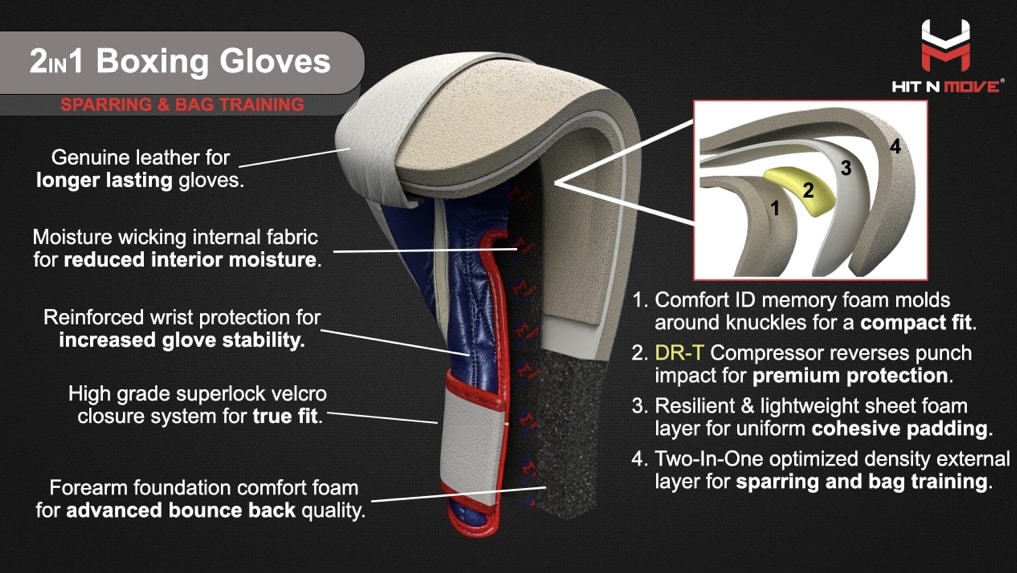
Our hands are intricate and delicate, consisting of 27 bones, numerous tendons, ligaments, and muscles. This complexity, while enabling a wide range of movements and functions, also makes the hands particularly vulnerable to injury. In boxing, the hands endure repeated high-impact forces, which can lead to fractures, sprains, and other serious injuries if not properly protected. The knuckles, in particular, are prone to damage. The bones in the knuckles are relatively small and can fracture under the force of a punch, especially if the impact is not adequately cushioned. This is where good knuckle protection comes into play. Properly padded gloves absorb the shock of punches, distributing the force more evenly across the hand and reducing the risk of injury.

The Necessity of Good Padding

Quality padding in boxing gloves serves a dual purpose: it protects both the wearer and their sparring partner. For the boxer, adequate padding minimizes the risk of cuts, bruises, and fractures. The impact of each punch is absorbed and dissipated by the padding, which helps to protect the delicate bones and joints in the hand and wrist. This is particularly important during training sessions, where repetitive impacts can lead to chronic injuries over time. For the sparring partner, good padding ensures that the force of punches is spread out, reducing the likelihood of severe injuries. The padding helps to prevent concussions, cuts, and bruises, making sparring safer and more effective for both participants.

The Crucial Role of Hand Protection in Boxing

Photo Courtesy: Hit N Move

Enhancing Performance and Comfort

Punch Efficiency: Good gloves enhance a boxer’s performance by providing a proper fit and weight distribution, allowing for more efficient punches. A well-fitting glove helps maintain proper hand alignment, reducing the risk of injury and improving punch accuracy.

Endurance: Quality gloves can reduce hand fatigue during training and matches, allowing boxers to maintain their performance for longer periods. This is especially important in longer bouts, where endurance can be a deciding factor.

Fit and Flexibility: High-quality gloves offer a snug fit and flexibility, allowing boxers to form a proper fist and maintain comfort throughout training or a fight. This can help prevent hand cramps and discomfort.

Moisture Management: Good gloves often have better moisture-wicking properties, keeping the hands dry and reducing the growth of bacteria that can cause bad odors and infections.

Psychological Factors

Confidence: Wearing high-quality gloves can boost a boxer’s confidence, knowing they have the best protection and tools to perform at their peak. This psychological edge can be crucial in competitive scenarios.

Long-term Risks of Inadequate Protection

Using gloves that lack proper protection can have long-term consequences. Chronic hand and wrist injuries can develop over time, leading to conditions such as arthritis or tendinitis. These injuries not only impact a boxer’s ability to train and compete but can also affect their quality of life outside the ring. Ensuring that gloves provide adequate protection helps to prevent these long-term issues, allowing boxers to maintain their health and performance over the years.

The Crucial Role of Hand Protection in Boxing (2)

Photo Courtesy: Hit N Move

Innovation in Boxing Glove Design

Ozhan, the founder and CEO of Hit N Move, has dedicated his company to creating high-quality boxing gear that prioritizes both protection and performance. Believing that “boxing deserves better,” Ozhan has focused on innovating gloves to meet the highest standards of safety and efficiency. His designs, including All Day Training gloves, 24oz gloves, horsehair gloves, and commission-approved fight gloves, reflect this commitment.

Ozhan’s goal is to provide boxers with gloves that not only protect but also enhance their performance. By incorporating advanced ergonomic principles and using premium materials like 100% genuine cowhide leather, Hit N Move gloves are designed to optimize weight distribution and balance, mirroring the natural mechanics of a punch. This innovative approach ensures that boxers can train and compete with confidence, knowing they have the best possible protection.

Conclusion

In conclusion, proper hand protection is essential for anyone involved in boxing. From preventing injuries to enhancing performance, quality gloves are a crucial investment for every boxer. Ensuring that your gloves provide adequate knuckle and wrist protection, along with good padding, can help you train safely and effectively, keeping your hands in top condition for the long term.


Published by: Khy Talara