Economic Insider

Tips For Mentally Starting Over After Bankruptcy

By: Joshua Finley

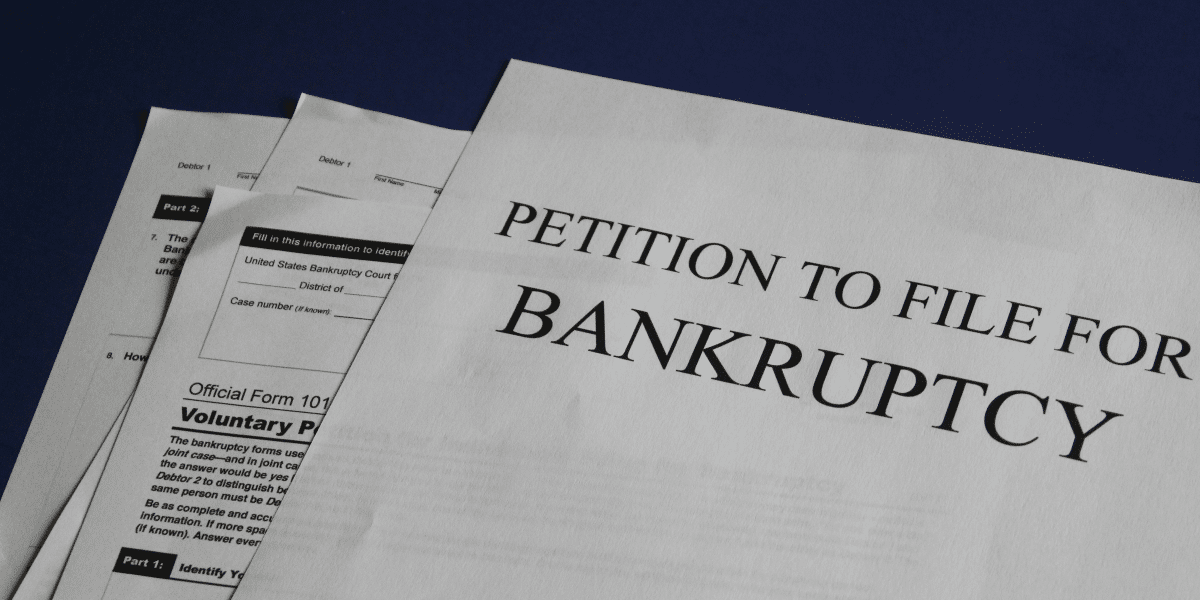
Bankruptcy can be a draining experience physically, mentally, and financially. Many people find their mental health suffering after bankruptcy. Bankruptcy can lead to an increased risk of depression alongside increased anxiety or difficulty with racing thoughts. Many people may also struggle with poor self-worth or self-concept after bankruptcy.

Filing for bankruptcy, however, isn’t just about a financial fresh start. It can also be a mental one. With these strategies, you can mentally start over following your bankruptcy.

Reset Your Priorities

After your bankruptcy is finalized, take a moment to reset your priorities. In particular, this is a great time to refocus on your physical and mental health. That can mean:

  • Putting more activity in your day
  • Eating healthier foods
  • Finding ways to reduce stress
  • Spending more time with friends and loved ones

Take the time to lay out your priorities–both financially and non-financially. Often, revisiting your priorities can help you focus on the things that are most important to you and allow you to improve your overall health and wellness. For example, if healthy eating is a priority, decreasing spending on junk food–and choosing not to eat it! can make a huge difference in both physical and financial health.

Write a Budget

Sit down and put together a new budget: one that allows you to live within your means. Start by listing out your fixed expenses: the ones that are the same every month, and that you might not have control over. Consider things like your rent, utilities, or car payments.

Next, take a look at your variable expenses. How much do you have to spend on food, gas, and entertainment each month?

Aligning Your Budget with Your Priorities

When your priorities are out of whack and you’re struggling to come up with a solution to your regular needs, it can be difficult to keep your spending under control. Take a look at how your current spending aligns with your priorities. Consider:

  • Are you paying for subscription services that don’t meet your needs? Do you have money coming out of your budget each month that doesn’t reflect your real priorities?
  • Where is your entertainment spending going? Does it go to the hobbies and activities that are most important to you, or are you accidentally overspending in areas that don’t matter?
  • Are you allowing yourself to get pressured into expensive activities with friends, even when you can’t afford them?

By taking a look at your actual spending and how it aligns with your priorities, you can remove spending that doesn’t fit your big-picture plans.

Don’t Forget Debt Consolidation or Relief

If you’ve used debt consolidation services, make sure they’re accounted for in your budget. Try not to take on more debt, especially optional or unnecessary debt, during this time.

Give Yourself the Gift of Grace After Bankruptcy

Bankruptcy can be mentally stressful and difficult to manage. However, by using it as a clean slate, you can overcome many of the challenges you have faced and allow yourself a fresh start.


Published By: Aize Perez

Navigating the Future of E-Commerce SEO: 2024 Trends Unveiled by Backspace Marketing

In an era where the digital landscape is perpetually evolving, staying ahead in the e-commerce domain demands a keen eye on emerging trends, particularly in search engine optimization (SEO). As we edge closer to 2024, Backspace Marketing, a pioneering force in the digital marketing sphere, sheds light on pivotal SEO trends that are poised to redefine the e-commerce industry. With insights from Paul Fitzgerald, CEO of Backspace Marketing, this article delves into these transformative trends, offering a roadmap for brands striving for digital supremacy.

The digital marketplace is an arena of relentless competition and constant change. For e-commerce brands looking to carve out their niche or maintain their dominance, understanding and implementing cutting-edge SEO strategies is not just advantageous—it’s essential. “Keeping up with SEO trends is crucial for staying ahead,” asserts Fitzgerald. “Our goal is to equip brands with the knowledge they need to succeed.” This commitment to empowering businesses with forward-thinking strategies underscores the importance of adaptability and foresight in today’s digital ecosystem.

The Rise of AI-Generated Content

One of the significant shifts observed by Backspace Marketing is the rise of AI-generated content within e-commerce platforms. This trend speaks volumes about the ongoing integration of artificial intelligence in content creation processes—a move aimed at enhancing efficiency, scalability, and personalization. As algorithms become more sophisticated, they offer unprecedented capabilities in generating unique product descriptions, blog posts, and customer reviews that are not only SEO-friendly but also indistinguishably human-like in quality.

However, embracing AI-generated content requires a strategic approach. Brands must ensure that such content remains original, engaging, and valuable to their target audience while adhering to ethical standards and avoiding over-reliance on automation. The challenge lies in balancing automation with authentic brand voice—a task that demands creativity and continuous oversight.

Voice Search Optimization: A New Frontier

The proliferation of smart speakers and virtual assistants has ushered in an era where voice search optimization can no longer be overlooked by e-commerce brands. Voice queries tend to be more conversational and longer than text searches—traits that necessitate a shift towards natural language processing (NLP) techniques and long-tail keyword integration within SEO strategies.

For e-commerce sites aiming to capitalize on this trend, optimizing for voice search means rethinking content creation paradigms. It involves crafting content that answers specific questions potential customers might ask aloud—a strategy that not only boosts visibility but also enhances user experience by providing succinct, relevant information.

Elevating User Experience (UX)

User experience has always been a cornerstone of effective web design; however, its role as an SEO lever has gained unprecedented prominence. Google’s recent algorithm updates have placed increased emphasis on page experience signals—such as loading speed, interactivity, visual stability—which directly impact search rankings.

E-commerce brands are advised to conduct thorough UX audits focusing on mobile optimization, site speed enhancements, and intuitive navigation structures. These elements play a crucial role in reducing bounce rates and improving engagement metrics—factors that significantly influence organic visibility on search engines.

Video Content: The Unseen SEO Ally

In addition to textual content optimization efforts, video has emerged as a powerful tool within the SEO arsenal for e-commerce sites. Videos not only improve dwell time—a key ranking factor—but also cater to consumer preferences for dynamic and interactive media formats.

Integrating product demos, tutorials or behind-the-scenes glimpses into an e-commerce site can significantly amplify its appeal while boosting its SERP (Search Engine Results Page) rankings due to enhanced engagement metrics. Moreover, transcribing videos or incorporating subtitles can further enrich site content with relevant keywords without compromising user experience.

As we advance towards 2024 underpinned by these insights from Backspace Marketing led by Paul Fitzgerald’s vision—the future of e-commerce shines brightly for those willing to embrace innovation within their SEO strategies. In navigating this terrain marked by AI advancements,
voice technology adoption, enhanced focus on UX and leveraging video content brands stand at the threshold of unlocking new levels of digital excellence. Engagement with leading-edge tactics such as these will not only safeguard competitiveness but also pave pathways toward unparalleled growth in an increasingly digitized market landscape.

To explore how Backspace Marketing can transform your brand’s online presence through bespoke digital marketing solutions contact Paul Fitzgerald via email at demo@backspacemarketing.com or call +1 (866) 607-7888.

Published by: Josh Tatunay


How Startups Can Navigate Economic Recessions

By: Lucy Monahan

Economic recessions can be tough times for businesses of all sizes, but they can be especially challenging for startups. These young companies often have limited resources and less experience dealing with economic downturns. However, with the right strategies and mindset, startups can survive recessions and find opportunities to grow and thrive.

Many people think it’s a bad time to start or run a business when the economy takes a downturn. However, history shows that some of the most successful companies were born during tough economic times. Companies like Airbnb started during the 2008 financial crisis. These success stories prove that recessions can actually be a good time for innovative ideas to take root and grow.

Managing Resources and Solving Problems

One key thing startups need to do during a recession is manage their cash carefully. This means keeping a close eye on expenses and ensuring every dollar spent is necessary and productive. It might mean cutting back on non-essential costs or finding creative ways to do more with less. Smart startups also look for ways to bring in revenue quickly, even if it means pivoting their business model or offering new products or services.

Another important strategy is to focus on solving real problems for customers. During tough economic times, people and businesses are looking for solutions that can help them save money, work more efficiently, or overcome new challenges. Startups that can offer these solutions are more likely to find success, even when the overall economy is struggling.

Joe Lieber, Broker/President of Cleveland House Buyers, shares his insights on navigating recessions in the real estate industry:

“In my experience, recessions can actually create opportunities in real estate if you’re prepared. During downturns, we focus on properties that generate steady cash flow, like multi-family units. We’ve found that demand for affordable housing often increases during tough times. I remember that in 2008, we shifted our strategy to focus more on renovating and renting out properties than flipping them. This approach helped us weather the storm and even grow our portfolio. The key is to stay flexible and always be looking for ways to add value, no matter what the market is doing.”

Adapting to Change and Seizing Opportunities

Flexibility is crucial for startups during a recession. The ability to quickly adapt to changing market conditions can make the difference between success and failure. This might mean pivoting your business model, targeting a different customer segment, or finding new ways to deliver your product or service.

Jessica Wright, founder of Buy My Home Chattanooga, offers her perspective on adapting to economic challenges:

“As a real estate investor, I’ve learned that diversification is key during economic downturns. When I started noticing signs of a slowdown in the long-term rental market, I decided to explore short-term rentals. This pivot allowed us to tap into a different revenue stream. We converted some of our properties into Airbnb rentals, which surprisingly performed well even during tough economic times. People were looking for affordable vacation options, and our rentals fit the bill. This move not only helped us survive but actually grew our business during a challenging period.”

Innovation becomes even more important during recessions. Startups that can offer new, more efficient, or more cost-effective solutions have a better chance of attracting customers and investors. This is a time when big, established companies might be cutting back on research and development, creating an opening for nimble startups to step in and innovate.

Michael Heyn, founder of Real Estate Photography San Francisco, shares how his startup adapted to recession challenges:

“When the real estate market slowed down during the last recession, we had to get creative to keep our business going. We expanded our services to include virtual tours and drone photography, which became popular as in-person viewings decreased. We also started offering our photography services to other industries, like restaurants and hotels. This diversification helped us survive and opened up new long-term business opportunities. The lesson I learned is that sometimes, challenges can push you to innovate in ways that benefit your business even after the tough times pass.”

Building Resilience and Looking to the Future

While navigating a recession can be challenging, it can also make a startup stronger and more resilient. Companies that survive tough economic times often emerge with leaner operations, a more loyal customer base, and valuable experience in dealing with adversity.

John Cheng, CEO of PlayAbly.AI, offers his insights on building resilience during economic downturns:

“At PlayAbly.AI, we’ve found that doubling down on customer relationships is crucial during tough times. We focus on really understanding our clients’ challenges and tailoring our gamification solutions to help them engage customers cost-effectively. For example, we developed a loyalty program for an e-commerce client that increased customer retention during a downturn. We also use this time to invest in our team’s skills and our product development. Recessions can be a great time to attract talent and innovate. By staying focused on delivering value and planning for the future, we’ve been able to grow even when the broader economy is struggling.”

Startups should also use recession periods to build strong networks and partnerships. Collaborating with other businesses, joining industry associations, or partnering with complementary service providers can help startups access new resources, share costs, and reach new customers.

Startup founders and employees should also take care of their mental health during stressful economic times. Building a supportive company culture, maintaining open communication, and celebrating small wins can help keep morale high and teams focused on long-term success.

As we wrap up our look at how startups can navigate economic recessions, it’s clear that while these periods are challenging, they also present unique opportunities. Startups that can manage their resources wisely, stay flexible, focus on solving real customer problems, and continue to innovate have a good chance of surviving and thriving during tough economic times.

The key takeaway is that recessions, while difficult, can be a time of opportunity for startups. By staying lean, being adaptable, focusing on customer needs, and continuing to innovate, startups can position themselves for success during the downturn and in the following economic recovery.

Remember, some of the world’s most successful companies started during recessions. With the right strategies and mindset, your startup could be the next success story to emerge from challenging economic times. Stay focused, stay innovative, and keep pushing forward – the future belongs to those who persevere and adapt.


Published by: Khy Talara

Balancing Growth and Stability: Shawn Dahl’s Approach to Stewarding Investor Capital

By: Joshua Davis

Every entrepreneur and individual faces the challenge of balancing growth with stability. It’s a tightrope walk that can dictate success or failure. On one side, there’s the allure of rapid growth—more customers, more revenue, more opportunities. On the other side, there’s the essential need to maintain stability—ensuring dependable operations, satisfied teams, and loyal customers.

Shawn Dahl, a private equity real estate businessman, examines why marrying the pursuit of growth with stability isn’t just beneficial—it’s crucial. Through his professional perspective, Dah discusses the common pitfalls organizations and individuals encounter when reaching too far, and too fast, and how to recognize the signs of imbalance.

Understanding Growth and Stability

Balancing growth and stability is a crucial challenge for any organization or individual. Just like a tree needs both sunshine to grow and roots to stay steady, businesses need to find harmony between expanding their reach and maintaining their core values. This delicate balance, when achieved, can lead to long-term success and sustainability.

Growth can be understood in various dimensions, each vital for a company’s overall success. Financial growth is the most visible form of growth. It involves increasing revenue, profits, or overall financial value. Companies often see financial growth as a vital goal because it provides the resources needed for further expansion and innovation.

Gaining a larger slice of the market pie is another critical area of growth. When a company grows its market share, it means it is attracting more customers compared to its competitors. This can lead to higher sales volumes and increased brand recognition. 

Growth isn’t just about numbers. It’s also about people. Employee development focuses on enhancing skills and career progression. Investing in employees not only boosts morale but also improves productivity. It ensures that the workforce is ready to tackle new challenges as the company evolves.

“Each dimension of growth is interrelated,” says Shawn Dahl. “Financial gains can fund employee training, while skilled employees can drive both financial success and market expansion.”

Defining Stability

Stability is the foundation that supports growth. Without it, any progress is fragile and short-lived. Financial health ensures that a company can weather economic downturns and unexpected challenges without compromising its core operations. Stability in operations means delivering products or services reliably and efficiently. It’s about maintaining quality standards and meeting customer expectations. 

By ensuring operational consistency, companies build trust and customer loyalty, which are invaluable for long-term success. A stable workforce is crucial for maintaining institutional knowledge and continuity. High employee turnover can lead to disruptions and increased costs. By focusing on employee satisfaction and retention, companies preserve their internal culture and expertise.

Stability acts as a safety net, allowing businesses to venture out and explore new growth opportunities without the fear of collapse. Balancing these elements ensures that organizations remain resilient and adaptable in an ever-changing environment. Understanding both growth and stability helps to create a roadmap for sustainable success.

The Importance of Balancing Growth and Stability

In our fast-paced and ever-changing environment, finding the right balance between growth and stability is crucial. Growth can bring exciting new opportunities, but it often comes with risks. On the other hand, stability can offer security but could also lead to missed chances. Striking a balance between these two elements can lead to long-term success in both personal and professional settings.

Pursuing growth without limits can be like setting out on an endless journey without a map. While growth can lead to innovation and competitive advantage, it can also lead to significant challenges if not managed carefully. Growth should be a deliberate and measured process. Without proper planning and resources, grave pitfalls such as these can stifle any potential success.

On the flip side, focusing too much on stability can be like anchoring a ship in a calm harbor, only to miss the exciting adventures that lie beyond. While stability offers comfort and predictability, it can also stifle innovation and growth. 

Staying too comfortable with the status quo can lead to stagnation. When individuals or organizations stop seeking new ideas, they risk falling behind competitors who are willing to innovate. Stability often means playing it safe, but that can mean missing out on opportunities. By not taking calculated risks, companies might fail to introduce new products or enter emerging markets that promise potential growth. 

A strong focus on maintaining current conditions can breed resistance to change. In today’s dynamic landscape, being adaptable is vital. Without it, organizations and individuals may find themselves unable to respond effectively to new challenges.

Shawn Dahl's Approach to Stewarding Investor Capital

Photo: Unsplash.com

Strategies for Achieving Balance

Achieving the right balance between growth and stability can feel like juggling flaming swords while riding a unicycle. It requires precision and a steady hand, but with the right strategies, you can master this delicate act.

Setting well-defined, measurable objectives is the first step in building a strong foundation. 

Notes Dahl, “These goals should reflect a balance between ambitious growth and cautious stability.”

Even the best-laid plans can fall short if they aren’t revisited and revised. Regular assessments, like the routine check-ups of our health, keep the strategy in shape. By monitoring outcomes and analyzing data, organizations can gauge whether they are on track or if detours are needed. 

Flexibility should be your constant companion, enabling course correction in an ever-changing landscape. By making adjustments as needed, you ensure that both growth and stability remain in harmony, much like the delicate balancing act of a tightrope walker who shifts weight to maintain balance.

A supportive culture encourages employee engagement, innovation, and a readiness to embrace change. When employees are engaged and innovative, they become the roots powering organizational growth while also reinforcing the stability that helps weather storms. 

In this way, a balanced culture becomes the bedrock supporting sustainable organizational success. Balancing growth and stability isn’t a static endeavor; it’s a dynamic journey requiring constant navigation. By setting clear goals, monitoring and adjusting strategies, and fostering a balanced culture, organizations enhance their ability to thrive in both prosperous and challenging times.

The Role of Leadership

Strong leaders inspire trust, manage uncertainty, and motivate teams toward common goals. They need to be adaptable, willing to embrace change and have the foresight to balance short-term goals with long-term stability. Effective leadership requires fostering an inclusive environment where diverse ideas flourish. 

Preparing for the future involves anticipating challenges and equipping oneself with the necessary tools to address them. This preparation is akin to packing wisely for a journey; you need to be ready for both sunny days and stormy weather. It involves investing in education and training, building robust infrastructures, and creating agile systems that can adapt to change.

“A balanced approach to growth and stability is not just about predicting the future but also about creating it,” says Dahl.

By strategically combining innovation with stability, we can pave the way for a prosperous and resilient future. The dance between growth and stability is vital for any organization’s survival and success. Consider starting with incremental changes. Encourage creative solutions that keep the core intact yet open doors to new possibilities.


Published by: Khy Talara