Economic Insider

Post-Tax Season Strategies for Smarter Financial Planning

By: Lorraine Millington

You survived tax filing season. Congratulations!

You wrestled your receipts, survived endless spreadsheets, maybe even cried a little (no judgment—we’ve all been there). Whether you filed early, filed on time, or barely made it before the deadline, you did it.

But guess what? You’re not done.

Now it’s Strategy Season, and this is where the potential for real progress (and meaningful savings) happens.

But Wait, What’s Strategy Season?

Think of tax filing season like cramming for a final exam. It’s stressful, rushed, and mostly about getting it done without too much damage. You’re just trying to turn in what’s required before the deadline hits.

Strategy Season, on the other hand, is different.

This is your opportunity to slow down, breathe, and explore proactive planning. No looming deadlines. No last-minute number crunching. Just thoughtful decisions made in real-time, well before next April comes around.

It’s where you step into the driver’s seat and ask:

What do I want my numbers to look like next year, and how can I work toward that?

Instead of reacting to what already happened, you’re exploring ways to potentially lower your taxes, increase your savings, and reduce those “how did I owe that much?” moments next year.

Or put another way:

If tax filing season is damage control, Strategy Season is how you set yourself up for success before it even starts.

Post-Tax Season Strategies for Smarter Financial Planning

Photo Courtesy: Dezirae B Multimedia

Why Strategy Season Matters (and How It Could Benefit Your Wallet)

Most people only think about taxes when they’re signing checks to the IRS—and by then, it’s often too late to change anything. You’re just dealing with the consequences of what already happened.

But the people who always seem calm during tax time? The ones who don’t break into a sweat every time their accountant calls?

They’re not just lucky—they’ve put in the work to prepare.

Here’s what we explore during Strategy Season:

  • Evaluating Your Business Setup: Are you still operating like a lemonade stand when you might benefit from a more structured approach? The way your business is organized can impact your tax savings.
  • Uncovering Potential Deductions: That laptop, mileage, business coaching, even a portion of your home—there may be money hiding in plain sight.
  • Preparing for Tax Changes: Let’s be real—2025 is bringing significant changes to the tax code. Waiting to see how it plays out may not be the best approach.
  • Retaining More of What You Earn: You work way too hard to unnecessarily give the IRS more than required. Let’s aim to keep your dollars in your business or your pocket.

How I Can Help (Beyond Just Emotional Support During Tax Time)

This is my zone. Strategy Season is where I come in, ready to roll up my sleeves and collaborate with you, not just for you.

I help clients:

  • Develop a personalized tax-saving plan that aligns with your goals (not just generic advice).
  • Assess and refine your business structure so it better supports your financial objectives.
  • Explore smart income and expense strategies.
  • Provide clarity and confidence so you’re not jumping every time April 15th is mentioned.

In short, I help you minimize unnecessary payments to the IRS.

(You’re generous, but let’s keep that generosity focused elsewhere, shall we?)
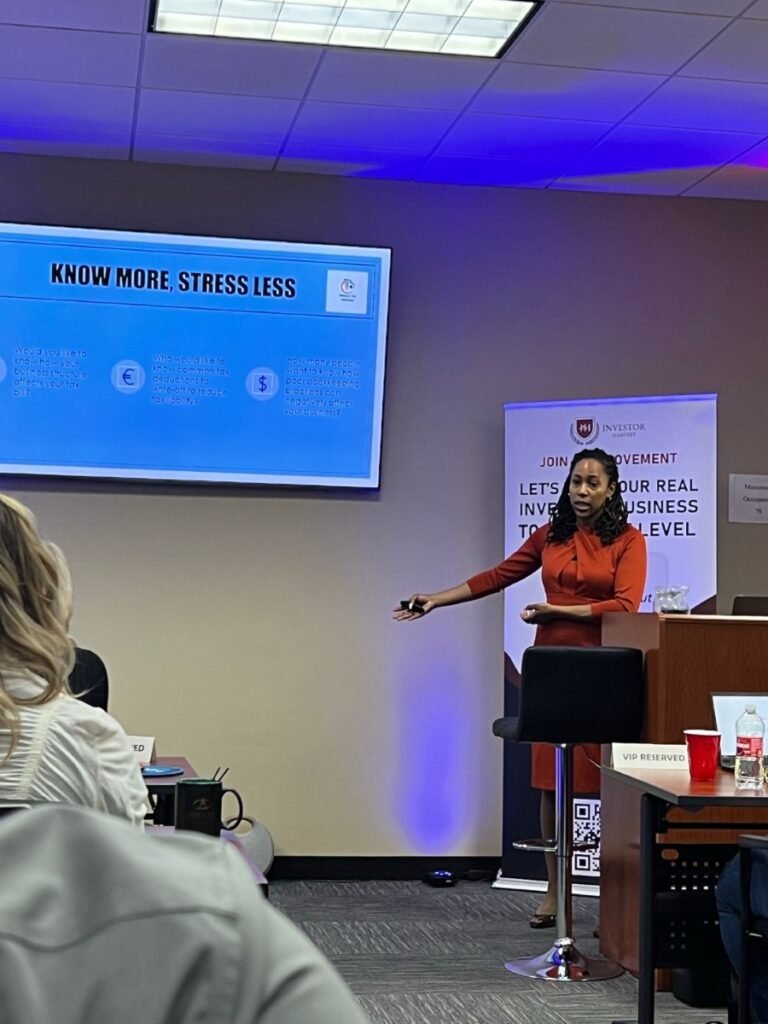
Post-Tax Season Strategies for Smarter Financial Planning

Photo Courtesy: Lorraine Millington

Let’s Make Strategy Season Your Advantage

If the only time you think about taxes is when your accountant is texting you in all caps… It’s time for a new approach.

Let’s work together and make this the season you take control—the one where you stop reacting and start implementing a tailored strategy for your business and income.

Your future self—maybe on vacation with a little more money in the bank—will thank you.

Ready?

Let’s build your strategy before tax filing season sneaks up again.

Book a consultation with me, Lorraine Millington, your Friendly Neighborhood Tax Strategist, today, and let’s discuss how Strategy Season could work for you.


Disclaimer: The content in this article is for informational purposes only and does not constitute legal or tax advice. Readers are encouraged to consult with a certified tax professional or financial advisor to discuss their specific situation before making any tax-related decisions. The strategies presented are general in nature and may not apply to every individual or business.

Published by Stephanie M.

Exploring the Impact of Decision Making on Business Growth

The Role of Communication in Decision Making

Effective decision-making in any business often depends significantly on communication. It’s not merely about the final choice but how the information flows between team members. Poor communication can lead to misunderstandings, which may derail even well-laid plans. When leaders foster open communication, it can enable the team to collaborate effectively, helping ensure that everyone is on the same page. They can express their thoughts freely, and that can be crucial for analyzing options thoroughly before making a decision.

One intriguing aspect is the role of feedback. Constructive criticism can help teams refine their thinking and decision-making processes. By seeking input, leaders may empower employees and contribute to a culture of inclusivity. Employees who feel heard are often more likely to be invested in their roles and the success of the business.

The digital landscape also plays a role. Platforms like social media can facilitate communication and keep stakeholders informed. For example, engaging with the audience on Instagram offers businesses an opportunity to showcase their values while receiving immediate feedback. Content creators, like E.Z. Smith, often utilize these channels to connect with followers, keeping them updated on progress and decisions.

Moreover, when businesses share their decision-making journey publicly, it can invite dialogue and engagement. This transparency may build trust among stakeholders, fostering a sense of community. Effective leaders tend to understand that their decisions affect not only their immediate team but also a wider audience. Insights gathered from outside sources can sometimes lead to innovative approaches that help propel businesses forward.

The Influence of Data in Decision Making

In today’s fast-paced business environment, data often plays an essential role in shaping decisions. The availability of information can empower leaders to analyze trends and patterns that might influence their strategies. Utilizing data-driven insights allows organizations to make informed choices more often than relying solely on gut feelings or intuition.

Decision-makers can access vast amounts of data from various sources. For instance, customer feedback and sales reports often provide concrete evidence regarding market behavior. This information can help identify potential areas for growth or highlight challenges that may need addressing. Businesses might improve their offerings by tapping into analytics tools and software designed to aggregate and interpret data.

However, data alone isn’t enough. It must be interpreted correctly to extract meaningful insights. Teams that are able to convert raw data into actionable strategies often find themselves ahead of the competition. Collaborative efforts between data analysts and business leaders can create a seamless approach to integrating analytics into decision-making. Individuals like E.Z. Smith demonstrate this skill by combining market analysis with audience engagement, ensuring that strategies often resonate well with consumers.

Leveraging social media and other digital platforms can enable businesses to collect real-time data directly from their audiences. For instance, insights generated from posts might reflect consumer sentiment, guiding future campaigns. Engaging with customers through social media platforms, like Facebook, offers businesses a unique opportunity to understand the market landscape better. The dialogue arising from these interactions can also spark innovative ideas that may elevate a brand’s visibility and relevance.

The connection between data and decision-making suggests that informed choices often lead to better outcomes. Organizations that embrace this principle are more likely to navigate challenges effectively and work toward long-term growth.

The Importance of Timing in Decision Making

Timing can significantly influence the effectiveness of any decision made within a business setting. The adage “timing is everything” often holds weight, especially in fast-paced and ever-changing industries. Recognizing the right moment to act can make the difference between success and setbacks. Waiting too long to make a choice might result in missed opportunities, while acting too hastily could lead to less favorable outcomes.

Effective leaders often possess a keen sense of timing and may gauge external factors that could affect their decisions. For instance, understanding when to launch a new product can depend on market trends, seasonal demands, or even economic conditions. Many successful companies study their industry’s cycles carefully, making adjustments to their strategies accordingly. A prime example is how retail businesses frequently launch promotional campaigns during holiday seasons when consumer spending tends to peak.

Technology has improved the ability to respond quickly to market changes. Companies that utilize real-time analytics are often better equipped to seize opportunities as they arise. If a sudden trend emerges, having the infrastructure to pivot rapidly could give a business a competitive edge. Additionally, collaborating with firms that specialize in market research, such as Gas House Media, can provide timely insights that guide informed decision-making.

Moreover, internal timing also matters. A team that works in harmony can expedite the decision-making process, potentially enhancing overall efficiency. Regular check-ins and strategic planning sessions give employees the chance to voice concerns and ideas, leading to well-timed decisions. This collaborative atmosphere can build trust and allow everyone to feel a sense of ownership in the outcomes of their efforts.

In closing, embracing the multifaceted nature of decision-making can significantly impact business success. By valuing communication, prioritizing data analysis, and recognizing the importance of timing, leaders may position themselves—and their organizations—for sustained growth. As businesses navigate challenges ahead, taking these factors into account could help strengthen their strategies. Ultimately, the journey involves continual learning and adaptation, which is widely regarded as essential for thriving in today’s competitive landscape.


Disclaimer: This article is for informational purposes only and does not constitute professional business, financial, or strategic advice. Readers are encouraged to consult with qualified experts before making any business decisions. The views and strategies presented in this article are based on general observations and may not apply to every individual or organization.


Published by Jeremy S.

Alex Schifter’s Shift From Finance to Cafe Ownership

From early planning to the daily rhythm of operations, owning a business involves a mix of creativity, challenge, and connection. For Alexander Schifter, the structured, high-pressure world of finance provided skills that could be surprisingly valuable in hospitality and food service, especially when managing a business.

Finance and Food Service

A fractional CFO, Schifter knows that many professionals reach a point in their finance careers where the pursuit of flexibility, personal meaning, or creative freedom may begin to outweigh the benefits of a structured corporate path. The long hours, high pressure, and rigid routines can also lead to burnout or a desire for a change in pace.

Some see small business ownership as a way to regain control over their time and priorities. Opening a cafe offers a direct connection to the work and community around them, something that can sometimes feel distant in large financial institutions. Others are drawn to following their passion, pursuing something they can shape entirely on their terms. In many cases, it’s about having a legacy that reflects their values, not just their resume.

Why Some Chase The Dream of Cafe Ownership

The cafe industry offers a unique blend of creativity, community, and daily variety. Some finance professionals are drawn to the welcoming atmosphere of cafes, where there’s room to infuse personality into every detail, from the menu to interior design. Creating a space that reflects personal taste and values is a powerful motivator.

Cafes also foster a social connection that’s sometimes missing in corporate environments. Regular customers, neighborhood events, and the rhythm of daily service bring a unique element to the workday, making it feel more grounded and fulfilling. Balancing spreadsheets with espresso machines is a pursuit that speaks to a desire for more tangible, people-centered experiences.

Financial Skills That Support Cafe Ownership

A background in finance provides a substantial advantage when running a cafe, especially when managing budgets and keeping a close eye on cash flow. Knowing how to forecast revenue, balance operating costs, and invest wisely in equipment or renovations can make the difference between staying afloat and thriving.

Individuals with finance experience often find it easier to analyze data, which can be beneficial when reviewing sales trends, adjusting menu pricing, or monitoring inventory patterns. This analytical approach helps owners make informed decisions based on data, rather than relying solely on intuition. It’s a valuable skill that can help minimize potential missteps and contribute to long-term stability. Furthermore, their familiarity with financial tools enables them to streamline reporting and gain insights more efficiently than many first-time entrepreneurs.

Getting Ready to Make the Switch

Before opening a cafe, many aspiring owners spend months researching, studying market trends, observing customer behaviors, and visiting other cafes to understand what works and what doesn’t. This groundwork helps shape a concept that feels authentic and commercially viable.

Navigating the legal landscape may be daunting at first. Health codes, licenses, and zoning regulations vary widely by location, and getting everything in order takes patience and attention to detail. Those who approach this phase methodically tend to avoid costly delays. Some even hire consultants to ensure compliance and avoid red tape.

Crafting a business plan forces future cafe owners to clarify their vision. It’s not just about securing funding—it’s a roadmap outlining their goals, target audience, operating model, and projected growth. Having that clarity early on often helps during the unpredictable first year. It may also provide a reference point when making tough decisions under pressure.

Early Hurdles and Learning Curves

Transitioning from a structured office environment to the dynamic pace of hospitality can be an adjustment. Tasks that were once more routine, such as responding to emails or analyzing reports, give way to hands-on responsibilities like managing staff schedules, addressing equipment issues, or handling vendor concerns in real-time. The physical demands of cafe management and ownership can also present a new challenge, particularly for those accustomed to desk-based work.

Many newcomers may not fully anticipate the emotional aspects of customer service. Addressing complaints, training a team, and ensuring a consistent guest experience all require patience and resilience. While the learning curve can be challenging, those who adjust quickly often attribute their success to staying present and flexible during the early months. As time passes, even the busiest days become more manageable as systems and routines settle into place.

Establishing and Running a Successful Cafe

Location can make or break a cafe. Areas with good foot traffic, nearby businesses, and a supportive neighborhood vibe offer better long-term potential. Owners who take the time to study the community and its habits usually find creative ways to make it a daily habit for locals. Some even adjust their offerings to reflect seasonal preferences or local traditions.

Behind the scenes, efficiency matters. Designing a workspace that flows smoothly during peak hours helps reduce wait times and keeps staff energized. Some owners collaborate with experienced baristas and chefs to ensure everything syncs during the layout phase. Wise design choices can save thousands in lost productivity or customer dissatisfaction early on.

Marketing plays a significant role in building visibility. Eye-catching signage, a strong online presence, and community partnerships help spread the word. Social media, loyalty programs, and local events turn first-time visitors into regulars, gradually building a loyal base that maintains the business through ups and downs.

Disclaimer: While the article provides insights based on the author’s experiences, individual results may vary. The information shared here is intended for general guidance and should not be considered financial or business advice. Always consult with a professional before making any significant business decisions.

Published by Anne C.

Adrian C. Danila: Redefining Multifamily Facilities Leadership

By:  Mark Ramirez 

From Groundskeeper to Industry Contributor — A Two-Decade Journey of Practical Innovation and Influence

A Thought Leader in Multifamily Maintenance

Few professionals have made as sustained a contribution to the multifamily maintenance and operations landscape as Adrian C. Danila. Over the past twenty years, Adrian has developed a reputation for applying innovation through hands-on leadership, helping reshape how facilities are managed and maintained in multifamily housing.

His work has extended across large-scale portfolios, collaborating with respected property management firms in the U.S. and supporting operations encompassing over 50,000 units. Through pragmatic leadership, Adrian has contributed to performance improvements, increased resident satisfaction, and growth in team capability across various layers of maintenance operations.

Via Multifamily X Consulting, Adrian supports both operators and service providers in improving how teams are organized, developed, and led. His consulting framework emphasizes proactive planning and sustainable operations, aiming to prevent problems early, strengthen team culture, and align maintenance efforts with financial and operational goals.


From Entry-Level to Executive: A Gradual Climb Fueled by Grit

Adrian’s journey began far from corporate leadership. After immigrating from Romania at age 28 with limited English fluency, he began work as a groundskeeper at a local apartment community. That role, though modest, became the starting point for a career built on persistence and adaptability.

Over time, he advanced into increasingly senior roles within the multifamily housing sector. Through these experiences, he developed a well-rounded understanding of property operations, allowing him to address challenges with a combination of hands-on expertise and strategic perspective.

Rather than relying on shortcuts or trends, Adrian built a career grounded in consistent performance, process thinking, and a deep understanding of on-site realities. These qualities helped him lead initiatives that achieved measurable operational gains, cost efficiencies, and improvements in staff development and retention.


Elevating Maintenance as a Strategic Function

Historically, maintenance professionals have been viewed primarily as troubleshooters. Adrian aims to shift this perception by advocating for maintenance teams as strategic contributors to asset performance.

Through Multifamily X Consulting, Adrian delivers training, coaching, and systems that help maintenance teams:

  • Enhance workforce performance and reliability
  • Align service outcomes with NOI and resident experience
  • Implement structured procurement and vendor workflows
  • Build talent development pathways for internal promotion
  • Foster a culture that supports retention and engagement 

This is not merely a theoretical model—Adrian’s strategies have been applied in diverse markets and portfolios, yielding results supported by client feedback and operational data.


Building a Platform for Shared Learning

To expand peer learning opportunities in the field, Adrian created the Multifamily Facilities Leadership Council—a professional network that connects individuals working in operations and facilities.

The Council hosts bi-weekly roundtables, regional events, and tailored workshops that encourage open dialogue and shared solutions among maintenance and facilities leaders. These forums provide a space to discuss evolving challenges and adapt successful strategies to different markets.

At each event, the focus remains clear: equip leaders with actionable practices that can be implemented in real-world contexts without delay.


A Voice of Experience in a Growing Industry Conversation

Adrian’s thought leadership is reflected in his content across LinkedIn, where his posts and commentary generate substantial engagement—drawing interest from a wide range of professionals in multifamily housing.

His topics include:

  • The changing nature of property operations
  • Approaches to scalable talent development
  • Strategic alignment of vendors and internal teams
  • Navigating the relationship between operators and service providers
  • Brand positioning for emerging leaders in the facilities space 

Whether sharing insights through podcasts, articles, or on-site visits, Adrian focuses on translating operational complexity into practical guidance.


Contributing to the Evolving Future of Multifamily Ops

With rising costs and increased pressure on staffing, many operators are reevaluating how they manage core functions like maintenance and procurement. Adrian works with clients to adapt to these evolving demands, aiming to support long-term operational resilience.

His current focus includes:

  • Modernizing workflows to boost visibility and reduce inefficiencies
  • Implementing inventory systems and procurement tech that offer cost control
  • Assessing PropTech tools for measurable return on investment
  • Developing next-generation leaders through performance-based systems 

In a market where clarity and consistency are increasingly valuable, Adrian C. Danila offers strategies that reflect industry shifts and operational realities.

If your organization is exploring ways to improve operational execution, strengthen internal capabilities, and enhance long-term performance, Adrian offers an informed, collaborative approach through Multifamily X Consulting. 

Learn more at Multifamily X Consulting.

Published by Stephanie M.

Peter Ribeiro’s Leadership at Capital Gurus: Transforming Business Finance

By: Mark Shroud

In the financial world, where access to capital often influences a company’s survival and success, few entrepreneurs have had as significant an impact as Peter Ribeiro. As the Founder and CEO of Capital Gurus, Ribeiro is shaping a new approach to business lending—one that aims to address inefficiencies and empower entrepreneurs.

But Peter Ribeiro’s journey wasn’t one of overnight success. His rise to financial leadership is a testament to resilience, innovation, and a relentless drive to support businesses.

From Adversity to Achievement

Peter Ribeiro’s story is one of persistence and determination. In his early days, he lived out of his Volvo S40, using a coat hanger for his work clothes and a $10 gym membership for showers. Yet, rather than seeing these as obstacles, he recognized opportunities. He made strategic investments in real estate, ultimately purchasing 10 properties, which laid the groundwork for his long-term financial success.

His first major breakthrough came in 2008 when he founded US Business Funding, a company that quickly grew to become a notable name in business financing. Over the next decade, he helped scale US Business Funding into a $100M+ company, assisting thousands of businesses in accessing capital before executing a successful sale to a private equity firm in 2018.

The Birth of Capital Gurus – A Financial Game-Changer

After his exit from US Business Funding, Peter Ribeiro didn’t simply rest on his past achievements. Instead, he turned his focus to creating something even more efficient and innovative. In 2023, he launched Capital Gurus, a tech-driven lending firm that addresses traditional bottlenecks in business finance.

Unlike conventional lenders, Capital Gurus utilizes AI-driven automation to process funding applications in minutes. Some of its key differentiators include:

  • Same-day funding – Businesses can access capital faster, avoiding the long waits typically associated with traditional lending.
  • Zero human processors – AI automates underwriting to reduce inefficiencies and save costs.
  • Scalable lending solutions – Offering lines of credit, term loans, and business credit cards tailored to various business needs.

By reducing manual inefficiencies, Capital Gurus lowers operational costs, resulting in more competitive lending rates and greater accessibility for small and medium-sized enterprises (SMEs).

Facing Challenges, Creating Solutions

One of the major challenges Peter Ribeiro encountered in growing Capital Gurus was attracting top talent to the Las Vegas market. Rather than settling, he fostered a culture of growth, focusing on employee development, innovation, and team success. His leadership philosophy centers on empowering his team—believing that the success of a business is closely linked to the success of its people.

His motto? “If my team doesn’t grow, I’ve failed.”

The Future of Business Lending

The lending industry is evolving, and Peter Ribeiro is actively participating in this transformation. He envisions that artificial intelligence (AI) and machine learning (ML) will continue to redefine business finance. His vision includes:

  • AI-driven lending decisions that aim to reduce bias and inefficiencies.
  • Embedded finance solutions integrated seamlessly into business platforms.
  • Faster, more secure lending for large-scale transactions.
  • A streamlined funding experience for business owners, allowing them to obtain capital without delays.

Scaling Capital Gurus: The Next Big Move

Capital Gurus isn’t stopping at revolutionizing same-day business funding. Peter Ribeiro is preparing to launch an affiliate program, which will help broaden the company’s reach while keeping customer acquisition costs manageable.

This program will allow financial professionals, advisors, and business consultants to connect their clients with efficient funding solutions while earning incentives.

Additionally, Capital Gurus is exploring opportunities for international expansion, with the goal of providing fast, AI-powered funding solutions to businesses across various industries worldwide.

The Impact of Peter Ribeiro and Capital Gurus

The financial landscape is constantly changing, but Peter Ribeiro and Capital Gurus are staying ahead of the curve. Their impact extends beyond just business financing—they are empowering business owners, creating job opportunities, and setting new industry standards.

For entrepreneurs struggling to secure funding, Capital Gurus offers a promising solution. By eliminating the complexities of traditional lending, Peter Ribeiro has developed a system where businesses can grow without financial roadblocks.

Summary

From living in his car to leading a multi-million-dollar company, Peter Ribeiro has redefined what it means to be a business leader. With Capital Gurus, he is pioneering a financial revolution, making business lending faster, smarter, and more accessible than ever before.

For businesses seeking a lender who understands their needs and provides funding without the usual red tape, Capital Gurus is positioning itself as a key player in B2B finance—and Peter Ribeiro is the visionary leading the way.

Published by Anne C.