Economic Insider

Elegant Champagne Gift Baskets for Every Special Celebration


Celebrations deserve more than ordinary gifts. When the moment calls for sophistication, joy, and a touch of sparkle, champagne always rises to the occasion. Elegant champagne gift baskets bring together luxury, presentation, and indulgence in one beautifully curated package. They are more than a bottle with accessories—they are an experience designed to make milestones unforgettable.

From weddings and anniversaries to corporate achievements and festive holidays, champagne gift baskets reflect thoughtfulness and refined taste. They convey celebration in its purest form, making them among the most desirable gifting options for special occasions.

Why Champagne Gift Baskets Feel So Special

Champagne has long symbolized success and happiness. The pop of the cork signals achievement, while the bubbles capture the excitement of the moment. When champagne is presented in an elegant basket with carefully selected gourmet pairings, it becomes a complete celebration set.

Unlike single-item gifts, a champagne basket creates anticipation. The recipient doesn’t just receive a bottle; they discover layers of thoughtful details—fine chocolates, artisan treats, stylish glassware, and luxurious packaging. The presentation itself sets the tone before the first sip is even poured.

This blend of visual appeal and indulgent flavor makes champagne gift baskets suitable for both personal and professional celebrations. They offer a harmonious blend of elegance and warmth.

Veuve Clicquot Gift Basket: A Bold Expression of Prestige

A Veuve Clicquot gift basket is a powerful way to elevate any celebration. Veuve Clicquot is globally recognized for its iconic yellow label and heritage of excellence. Including this renowned champagne in a luxury basket immediately communicates sophistication and confidence.

Choosing a Veuve Clicquot gift basket is ideal when you want your gift to stand out. Whether for a wedding, milestone birthday, anniversary, or executive corporate event, this selection reflects refined taste and premium quality. The balanced flavor profile of Veuve Clicquot pairs beautifully with gourmet chocolates, artisan cheeses, and elegant champagne flutes, enhancing the overall experience. Investing in a Veuve Clicquot gift basket ensures your gesture feels upscale, memorable, and worthy of the occasion.

Moet Gift Basket: Timeless Elegance for Every Celebration

A Moet gift basket offers classic glamour and universal appeal. Moet & Chandon has long been associated with celebration, luxury, and global prestige. Its reputation makes it a trusted choice for gifting across a wide range of occasions.

Selecting a Moet gift basket is a smart choice when you want a blend of sophistication and versatility. It works beautifully for romantic surprises, festive gatherings, client appreciation gifts, and personal milestones. The champagne’s vibrant character pairs effortlessly with premium sweets and savory accompaniments, creating a balanced tasting experience. By choosing a Moet gift basket, you deliver not only exceptional champagne but also a sense of timeless celebration that resonates with recipients of all tastes.

The Art of Curating an Elegant Champagne Basket

An elegant champagne gift basket combines the finest champagne with thoughtful accessories, focusing on quality over quantity. A well-named handbasket can correspond to a variety of dark chocolates and handwrought truffles, upmarket crackers, nuts, fine crapola, or afters. All the rudiments must go hand in hand with the champagne and not overwhelm it.

It’s also essential in donation. Premium packaging, a memorial box, a woven handbasket, and a satiny ultramodern case are also rudiments of luxury. Defensive wrapping, thoughtful arrangement, and satin lists are added to the unboxing experience. Once a philanthropist receives a well-packaged champagne handbasket, they automatically feel appreciated.

Ideal for Weddings, Anniversaries, and Special Milestones

There can be no more present than champagne to attract love and joy. For weddings and anniversaries, a champagne gift hamper is the bone that reminds couples to slow down and enjoy their corner together. It’s a component of the festivity.

Extraordinary is also needed on the corner birthdays. The 30th, 40th, 50th, or 70th birthday should be celebrated with a meaningful present. Baskets of champagne will elevate the event to the next level and make it memorable.

They represent success and gratitude in the commercial world. Such a gift hamper of elegant champagne can help in flashing back a creation, a successful deal, or indeed a thank you to appreciated mates.

Creating a Memorable Gifting Experience

It isn’t the cost of the gift handbasket of champagne, but the memory of the gift that’s really precious. The present being a bottle, the process of unwrapping the handbasket, pouring the champagne, and a toast makes it an experience. Such an emotional attachment makes the gift memorable.

When choosing a champagne gift basket, it’s important to consider the party’s tone and the philanthropist’s preferences. There are moments when one needs to be flamboyantly lavish and moments when endlessness is applicable. Choosing a reputable name, such as Veuve Clicquot or Moët & Chandon, ensures your gift is recognized for its quality and prestige.

Celebrate with Sophistication

The elegant champagne gift baskets are still among the most elegant ways to celebrate special moments in life. When you choose a Veuve Clicquot gift basket for its genteel nature or a Moët gift basket for its traditional elegance, you are choosing a gift that is characterized by happiness, affluence, and a well-wish celebration.

When the moment matters, choose a champagne gift basket that turns a celebration into an experience. Raise a glass, share the sparkle, and let every special occasion shine a little brighter.
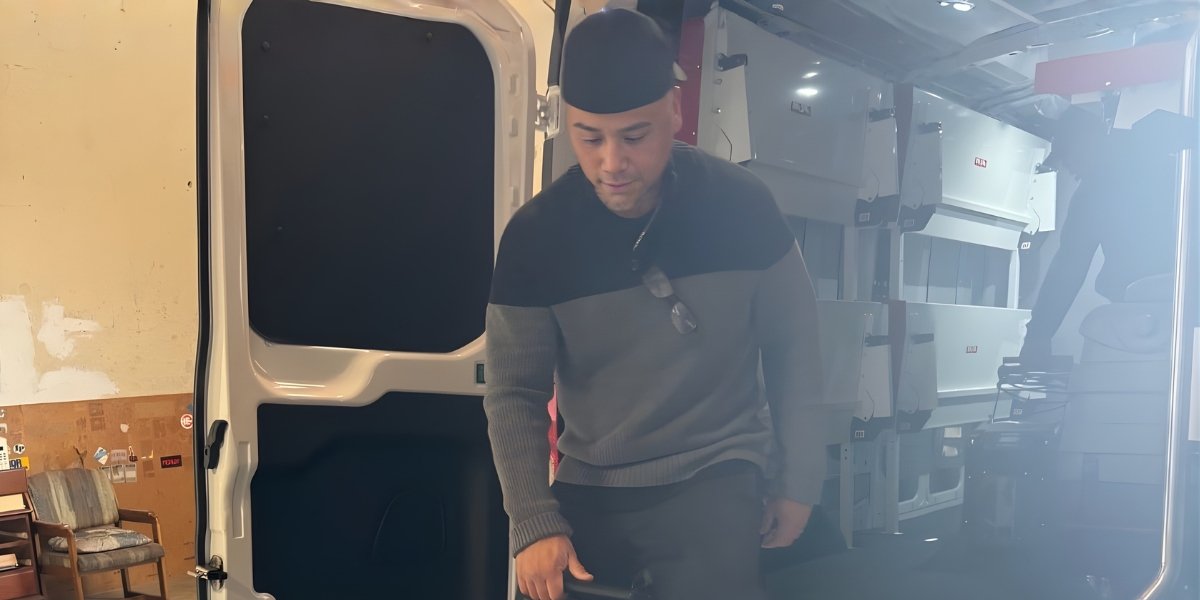

Paul Davis Restoration of San Francisco Brings Concierge-Style Property Restoration to Bay Area Homes and Businesses

By: Ethan Parker

Restoring Peace of Mind When Property Damage Strikes

When a property emergency hits, the to-do list can feel endless. Water intrusion spreads quickly. Smoke odor lingers. Mold concerns can escalate from inconvenience to a potential health risk. For homeowners, property managers, and business owners across the Bay Area, the difference between a temporary disruption and a long-term headache often comes down to one thing: having a restoration partner who arrives with clarity, urgency, and a plan.

Paul Davis Restoration of San Francisco, CA, is a locally owned, family-operated restoration team serving Bay Area communities across San Francisco County, San Mateo County, Santa Clara County (South Bay), and Alameda County (East Bay) with 24/7 emergency service and a concierge-style approach that supports clients from the first assessment through the final rebuild. The company focuses on more than repairing what is visible. The team emphasizes technical precision, transparent communication, and preventive guidance designed to help reduce the likelihood of repeat damage.

For Bay Area property owners looking to take action quickly and confidently, additional information and free estimate options are available through the company website at Paul Davis Restoration of San Francisco.

A Bay Area Team Built for High-Stress Moments

Property damage is rarely convenient, and it is never just about materials. It affects routines, safety, and peace of mind. Paul Davis Restoration of San Francisco positions its work around a simple principle: restoration should feel steady and structured, even when the situation is not.

That mindset is reflected in how the team communicates. Clients are kept informed with consistent updates, clear expectations, and straightforward answers. Rather than leaving property owners guessing about timelines, next steps, or shifting scopes of work, the process is designed to feel managed, organized, and transparent.

A Proactive Restoration Plan That Helps Prevent Future Damage

In restoration, speed matters, but strategy matters too. Paul Davis Restoration of San Francisco differentiates itself by approaching each project with a proactive lens. The team does not simply remove damaged materials and replace them. They evaluate why the damage occurred, what conditions may allow it to return, and what practical steps can reduce the risk of recurrence.

This preventive approach can be especially valuable in water damage and mold situations, where moisture patterns, ventilation, and hidden intrusion points often determine whether the issue stays resolved—or resurfaces months later. By helping clients understand the root cause and how to safeguard the property going forward, the company aims to help save Bay Area property owners time, stress, and additional expense.

Specialized Expertise for Historic Homes and Older Properties

San Francisco’s housing stock is distinctive, and many older properties across the Bay Area require a level of care that goes beyond standard restoration playbooks. Paul Davis Restoration of San Francisco specializes in historic home restoration, including older Victorian properties and other character-rich structures where craftsmanship and preservation matter.

Preserving Character While Reinforcing Durability

Historic restoration is about balance. Decorative moldings, original materials, and unique architectural details often need to be protected while the property is stabilized and improved. Paul Davis Restoration of San Francisco brings experience in maintaining that character while modernizing durability where appropriate, helping ensure the finished result respects the integrity of the home.

Older properties may also present environmental and safety considerations that require certified handling. The team’s knowledge of local conditions, including coastal humidity and its relationship to mold growth, supports careful planning from the start of the project.

Certified Services for Mold, Water, Fire, and Lead Hazards

Paul Davis Restoration of San Francisco provides restoration services across a wide range of loss types, including mold remediation, water damage restoration, fire damage restoration, and lead abatement. The company maintains Institute of Inspection, Cleaning, and Restoration Certification credentials and holds EPA Lead-Safe certification, emphasizing safe, compliant work practices for residential and commercial properties.

The team’s capability extends from small residential incidents to large commercial losses, with procedures designed to support both immediate stabilization and long-term protection. With weekend appointments available by request, eco-friendly considerations, and a focus on professional service, the company supports Bay Area property owners who need flexibility without sacrificing standards.

Concierge-Style Support That Simplifies Insurance and Logistics

Restoration is often complicated by paperwork, scheduling, and the challenge of coordinating multiple parties. Paul Davis Restoration of San Francisco fills an important gap in the Bay Area by offering a single-stop solution that addresses both the visible damage and the behind-the-scenes logistics.

Clear Documentation and Direct Work With Major Carriers

Insurance-related delays and documentation issues can create stress at exactly the wrong time. Paul Davis Restoration of San Francisco works directly with major insurance carriers and offers direct billing, helping streamline claim handling for water, mold, and fire damage. The team focuses on accurate documentation and timely communication to minimize friction and keep projects moving.

Daily Updates, Photos, and a Dedicated Project Manager

Many property owners have had the frustrating experience of feeling forgotten once work begins, or being surprised by unexpected charges. Paul Davis Restoration of San Francisco addresses those pain points through consistent progress updates, photo documentation, upfront quoting, and a dedicated project manager who remains accessible throughout the project. The goal is to replace uncertainty with clear visibility into what is happening and why.

Rapid Response Across the Bay Area

In emergencies, response time can influence the scale of damage. Paul Davis Restoration of San Francisco typically responds within 60 to 90 minutes, depending on location and severity, with crews on standby 24/7. The team supports property owners throughout the Bay Area, including San Francisco County, San Mateo County, Santa Clara County (South Bay), and Alameda County (East Bay), with reliable follow-through from mitigation through restoration.

For clients who prefer to stay connected through video updates and practical guidance, the company also shares information and behind-the-scenes insights on Paul Davis Restoration of San Francisco on YouTube and provides project highlights and local engagement through Paul Davis Restoration of San Francisco on Instagram.

What Clients Are Saying

In restoration, trust is earned in the details: showing up when promised, communicating clearly, and treating a home or business with respect. That consistency is reflected in customer feedback for Paul Davis Restoration of San Francisco.

As one client, Eliezer Cabral, shared, “The team at Paul Davis of San Francisco is outstanding. They are excellent communicators, upfront, and truly honest in everything they do. It’s clear they care about doing the right thing for their clients and partners. A trustworthy and professional team, I highly recommend.”

Testimonials like this underscore the company’s emphasis on transparency and care, especially when clients are navigating stressful, time-sensitive situations.

About Paul Davis Restoration of San Francisco, CA

Paul Davis Restoration of San Francisco, CA, provides professional property damage restoration services for residential and commercial clients across the Bay Area, including service coverage across San Francisco County, San Mateo County, Santa Clara County (South Bay), and Alameda County (East Bay). The locally owned and operated team offers 24/7 emergency response, free estimates, insurance claim support, and specialized services, including water damage restoration, fire damage restoration, mold remediation, and certified lead abatement. With a proactive, prevention-focused approach and a concierge-style process, Paul Davis Restoration of San Francisco works to help property owners restore not only their spaces, but also their confidence in what comes next.

Consolidation and Governance: The Economic Logic Behind Europe’s Emerging Aesthetic Ecosystem

Healthcare micro-sectors often begin as fragmented networks of independent practitioners before gradually consolidating into structured, institution-driven systems. Europe’s aesthetic medicine industry now appears to be entering that pivotal transition phase. What was once dominated by boutique clinics and individual specialists is increasingly influenced by vertically integrated platforms designed to standardize quality, manage risk, and scale responsibly across borders.

Within this context, Valentin Burada’s governance-first approach offers insight into how consolidation may reshape the sector’s long-term economics. Rather than positioning aesthetic medicine as a purely consumer-driven lifestyle market, his framework treats it as a healthcare vertical requiring institutional architecture, operational discipline, and measurable accountability.

At the center of this model is Swiss Clinics, a multi-layered platform that integrates clinical services, regenerative medicine protocols, and longevity optimization programs under centralized management systems. Instead of operating as isolated treatment centers, the clinics function within a unified governance structure that aligns compliance, procurement, training, and digital oversight. This alignment reduces variability — one of the most significant hidden risks in rapidly expanding healthcare niches.

Beyond clinical delivery, the ecosystem extends into supply-chain control through World Aesthetics Distribution. By securing procurement leverage and maintaining standardized sourcing channels, the organization reduces dependency on external volatility. In healthcare markets where product availability, regulatory shifts, or distributor instability can disrupt operations, vertical integration becomes a strategic stabilizer.

“In volatile markets, dependency is exposure,” Burada states. “Vertical alignment increases stability.”

This philosophy reframes growth. Rather than pursuing rapid geographic expansion as a primary objective, the model emphasizes resilience. Performance metrics are embedded into daily operations. Structured accountability systems monitor compliance and outcomes. Digital management tools provide real-time oversight across locations. Scalability, in this context, is not achieved by multiplying units quickly, but by replicating a controlled institutional framework that preserves clinical standards.

The economic logic behind such integration is clear. Fragmented markets tend to experience inefficiencies: duplicated administrative costs, inconsistent training standards, supply inconsistencies, and variable patient experiences. Over time, these inefficiencies compress margins and elevate risk. Consolidation, when paired with governance discipline, can mitigate these pressures by centralizing oversight and distributing fixed costs across a broader operational base.

Aesthetics Academy, another component of the ecosystem, reinforces professional standardization across borders. Education becomes a governance tool rather than a marketing instrument. By harmonizing training protocols and clinical guidelines, the institution reduces practitioner variability and strengthens cross-market brand consistency. In industries where reputation is deeply tied to outcomes, professional alignment becomes a form of economic risk management.

European medical tourism further accelerates the need for institutional predictability. As patients travel across borders seeking aesthetic and regenerative procedures, standardized experiences become a competitive differentiator. A structured ecosystem allows consistent protocols, transparent pricing frameworks, and coordinated follow-up systems — elements that independent operators often struggle to replicate at scale.

Burada suggests that aesthetic medicine will follow consolidation patterns observed in other healthcare segments, from private hospital networks to specialty diagnostic chains.

“Fragmentation creates inefficiency,” he explains. “Institutions create predictability.”

For economic observers, this signals a broader structural shift. Niche medical sectors, once driven solely by entrepreneurial agility, are adopting corporate governance frameworks traditionally associated with larger healthcare infrastructures. The transition does not eliminate innovation; rather, it embeds innovation within controlled operational systems that can withstand regulatory evolution and market volatility.

Importantly, this model challenges a common misconception within aesthetics — that visibility and branding alone determine long-term value. While brand recognition remains relevant, sustainable expansion increasingly depends on institutional durability. Investors, regulators, and cross-border partners prioritize compliance structures, data governance, and supply-chain security over short-term revenue acceleration.

Swiss Clinics, therefore, represents more than a collection of treatment centers. It reflects a hypothesis about the future architecture of aesthetic medicine in Europe: that longevity — both clinical and corporate — requires vertical integration, governance-first management, and disciplined scalability.

As consolidation progresses, the sector may gradually shift from personality-driven micro-enterprises toward structured healthcare institutions. In that environment, competitive advantage will belong not simply to those who grow fastest, but to those who build systems capable of enduring volatility.

The broader implication is clear: in healthcare, long-term value may depend less on visibility and more on institutional architecture.


UK Retail Security: Impact of Rising Organized Theft on Grocery Margins

Retail security is facing unprecedented challenges in the UK as organized theft continues to escalate, putting pressure on grocery store profits. High-value products such as alcohol, meat, and household goods are increasingly targeted by criminal groups, leading to a significant rise in theft incidents. Retailers, already dealing with low profit margins in an intensely competitive market, are finding it increasingly difficult to manage these growing losses. Organized theft is no longer limited to isolated incidents but is becoming a systemic problem affecting the entire retail sector.

Financial Impact: Organized Theft Erodes UK Grocery Profit Margins

The financial strain caused by organized theft is becoming a major concern for UK supermarkets. Losses due to retail crime are growing year on year, with estimates suggesting that theft is now costing the UK retail sector hundreds of millions of pounds annually. For grocery chains, which operate on traditionally thin margins, the impact is even more significant.

Retail executives are reporting that shrink, the industry term for inventory loss, is rising at a faster rate than anticipated. This increase in theft is pushing companies to reassess their pricing strategies and operational budgets to cope with the rising costs associated with security and inventory loss prevention. As theft incidents increase, the effect on profitability is becoming more severe, forcing retailers to look for new ways to reduce losses and protect their margins.

Enhanced Retail Security Measures: Supermarkets Respond to Rising Theft

In response to the increasing frequency and sophistication of organized theft, UK grocery chains are stepping up their security measures. Many supermarkets are investing in advanced security technologies, such as AI-powered surveillance systems, to monitor high-risk areas, including self-checkout stations. These AI-enabled systems can help identify suspicious activity in real-time and alert staff to potential theft incidents.

Supermarkets are also increasing staff training to ensure employees are equipped to deal with shoplifters effectively. Some retailers are deploying additional security personnel to monitor high-risk areas more closely, while others are implementing more stringent control measures, such as locking up high-value goods like alcohol and chocolate in secure cabinets. Although these measures require significant investment, they are becoming essential to protect against rising losses from theft.

Workplace Safety Concerns: The Impact on Retail Employees

The rise in organized theft has created a more hazardous work environment for retail employees. As thieves become bolder, employees are increasingly exposed to confrontations with shoplifters. This puts staff members at greater risk of harm, with some incidents escalating into violence. Retail unions have voiced concerns about employee safety, urging retailers to adopt more comprehensive measures to protect their staff from harm during these high-stress situations.

Additionally, the increased security measures can add pressure to employees who are tasked with enforcing stricter controls while maintaining customer service standards. Many workers face difficult situations where they must balance security protocols with the need to assist customers in a busy retail environment.

Community Impact: Theft and Its Effect on Consumers

The consequences of rising organized theft extend beyond the retail sector and affect local communities. As retailers struggle to absorb the costs of increased theft, many have been forced to raise prices on products or reduce product availability to offset the financial losses. This can lead to frustration among customers who may find themselves paying more for the same goods or facing limited product selection.

In some cases, supermarkets have been forced to close stores or reduce their operating hours due to ongoing theft problems. This can have a negative impact on local economies, particularly in areas where grocery stores serve as key community hubs. Customers may begin to feel disconnected from their local supermarkets if they notice reduced store hours or higher prices, ultimately eroding consumer trust in the retail sector.

Retail Security Technologies: What’s Being Done to Combat Rising Theft

Supermarkets are increasingly turning to cutting-edge technologies to help combat the growing problem of organized theft. One such technology is the use of facial recognition systems at high-risk areas within stores. These systems are designed to identify repeat offenders and track suspicious activity as customers move through the store. While these technologies have raised privacy concerns, their potential to reduce theft is prompting many retailers to implement them as part of a broader strategy to protect against losses.

In addition to surveillance technologies, many retailers are investing in smart sensors and inventory tracking systems to help detect and prevent theft more efficiently. By continuously monitoring stock levels and identifying discrepancies in real-time, these systems allow retailers to respond faster to theft incidents and minimize losses. Although these solutions require a significant investment in infrastructure, they are seen as a necessary response to the rising tide of organized theft.

What Are the Legal Options for People Injured by Dog Bites?

For many people, dogs are beloved family companions. However, dogs are animals that can act unpredictably. A dog may seem calm and friendly at one moment, but they can lash out at people for various reasons and cause serious injuries. Even though many dogs never injure anyone, there are some cases where incidents may occur without warning or any prior signs of aggression. 

When a dog bite or attack happens, the physical and emotional effects can linger long after the initial wound has healed. For those who suffer injuries, understanding the ways these situations are addressed by the legal system and the options that may be available can seem confusing, especially since the laws about dog bites vary widely across the United States.

Why People May Be at Risk of Dog Bite Injuries

Dog bites can occur in a range of everyday situations. Many incidents happen in familiar settings, such as a neighbor’s yard or a friend’s home. Others may occur in public spaces, including parks, sidewalks, or apartment complexes. Some common scenarios in which people may be at risk of injury by dogs include:

  • Unrestrained Dogs: Animals that are not kept on leashes or within fenced yards may approach strangers, who may be concerned about being bitten or attacked.
  • Protective Behavior: Dogs may react defensively when guarding their food, toys, territory, or owners.
  • Startling or Fear Responses: Sudden movements or loud noises can trigger an instinctive reaction by a dog, and it may lash out at people nearby.
  • Interactions With Children: Children may not recognize warning signs such as growling, and they may be at risk of serious injuries when dogs bite or attack them.
    Delivery or Service Visits: Mail carriers, utility workers, and contractors may encounter unfamiliar dogs while performing their routine duties, and they may be at risk of attacks when lawfully entering someone else’s property.

Even well-trained dogs can behave unpredictably when they are under stress or when they encounter unfamiliar situations. In some cases, a dog’s owner may not be aware that their pet poses a risk until an incident occurs.

Types of Injuries Caused by Dog Bites and Attacks

Dog bite injuries can range from minor puncture wounds to life-altering disabilities. The severity often depends on the size of the dog, the location of the bite, and whether the attack involved repeated force. Some common injuries inflicted by dogs include:

  • Puncture Wounds: Deep bites can damage tissue beneath the skin, increasing the risks of infection.
  • Lacerations and Tearing Injuries: A dog’s strong jaw pressure may cause jagged wounds that could require stitches or surgery.
  • Nerve Damage: Bites to the hands, arms, or face can cause serious injuries that could lead to a loss of sensation or affect a person’s ability to move these parts of the body.
  • Fractures: In some attacks, especially those involving children or elderly people, a dog may knock someone down, resulting in broken bones. Forceful bites may also lead to broken or crushed bones.
  • Scarring and Disfigurement: Dog bite injuries to the face, neck, or upper body may leave serious scars. Reconstructive procedures may be needed, or a person may be permanently disfigured.
  • Infections: A dog’s saliva can introduce bacteria into bite wounds, leading to serious infections that may cause additional health complications.
  • Emotional Trauma: A victim of a dog attack may experience ongoing anxiety, fear of animals, and post-traumatic stress.

State Laws Addressing Dog Bite Claims

When someone is injured by a dog, they may be able to address the harm they have suffered by holding the dog’s owner or another party liable. However, their ability to do so will depend on the laws of the state where the attack occurred. In some cases, a victim may be able to show that a dog’s owner was negligent and failed to act with reasonable care to protect people against injuries caused by their dog. Negligence might involve allowing a dog to roam freely in violation of local leash laws or failing to secure a gate at their home.

In many cases, state laws will determine how liability will be handled in dog bite cases. These laws fall into two general categories:

Strict Liability States

In states that use strict liability when addressing dog bites, a dog’s owner may be held responsible for injuries caused by their dog, regardless of whether the dog had shown aggression in the past. Under this approach, an injury victim generally does not need to prove that the owner knew the dog might bite or attack someone.

Strict liability will typically apply when the victim was lawfully on the property where the incident occurred, and they did not provoke the dog. The rationale behind strict liability is that dog ownership involves a certain level of responsibility. By choosing to keep a dog, an owner assumes the risk that their animal may cause harm to someone.

Even in strict liability states, certain defenses against liability may apply. For example, a dog’s owner may claim that an injury victim was trespassing or that they intentionally provoked the dog and that the owner should not be liable for injuries in these situations.

“One Bite Free” States

Some states follow what is commonly known as the “one bite rule.” In these states, an owner may not be held liable if they were not aware that their dog was dangerous. That is, they may not be liable the first time their dog bites or attacks someone unless it can be shown that they knew or should have known about the dog’s dangerous tendencies.

Evidence showing that an owner had knowledge that their dog could be dangerous may include:

  • Previous bites or attacks
  • Aggressive behavior such as lunging or snapping
  • Complaints from neighbors
  • Warnings from trainers or animal control

If an owner was aware of warning signs and failed to take precautions, they may be found liable for a dog bite under this rule. A victim may need to show that an owner was negligent and failed to control or contain their dog.

Potential Compensation for Dog Bite Injuries

People who are injured by dog bites may be able to obtain financial compensation for their losses. The specific damages that may be available will depend on the circumstances of a case, and they may include:

  • Medical Expenses: Emergency treatment may be needed after a dog bite. Follow-up care may also be required, including cosmetic surgeries to address scars, medications for infections, and psychological treatment to address a person’s emotional trauma. All costs of treatment may be covered in the compensation a person receives.
  • Lost Income: If injuries are serious enough to prevent a person from working, they may be compensated for the wages lost during their recovery.
  • Pain and Suffering: The physical discomfort and emotional distress a person has experienced may be addressed in the compensation they receive.

The availability and amount of compensation may depend on state laws, the severity of a person’s injuries, and the facts surrounding the incident.

Legal Help With Dog Bite Injuries

Because dog bite laws differ from state to state, the legal options available to an injured person will depend heavily on where the incident occurred. A personal injury attorney with experience in dog bite cases can provide guidance on how the local laws will apply to a specific situation, and they can explain what steps may be taken to obtain compensation for a victim’s damages.


Disclaimer: This article is for informational purposes only and does not constitute legal advice. Laws regarding dog bite injuries vary by jurisdiction, and the information provided may not apply to your specific situation. Readers should consult a qualified attorney to understand their rights and legal options.