Economic Insider

The Reason Behind Overspending In Grocery Stores And How To Avoid It

Grocery shopping is a routine that many people treat lightly, but the small decisions made during a shopping trip can add up over time. A shopper might pick up an extra snack because it looks appealing or grab a larger size of something “on sale” even though it wasn’t needed. Over a month, these choices can lead to a budget that feels stretched. Understanding why this happens can help bring more control and reduce the worry that comes when the checkout total is higher than expected.

Every shopper has likely felt uneasy in the aisle when the basket total climbs. That feeling does not mean the person is careless or lazy. Instead, it often signals triggers built into the store environment or personal habits that make spending easier than intended. The good news is that with a few shifts in how the shopping is approached, it becomes possible to reduce those triggers and make the shopping trip feel calmer.

The aim is not to turn grocery shopping into a rigid task. The goal is to make it a little less expensive and more aligned with what’s needed. Over time, this can lead to grocery shopping with more purpose and less worry, making it easier to keep the budget in check while still purchasing the foods the household enjoys.

How Store Design And Promotions Affect Spending

Many grocery stores are intentionally designed to influence purchasing behavior. Items placed at eye level, bright signage reading “2 for the price of 1,” or displays near the checkout can all draw attention to products shoppers did not plan to buy. A shopper might enter for milk and come out with chips, candy, or a larger size of something simply because it seemed like a deal. These extra items add to the total without necessarily adding much value to the meal plan.

Sales promotions often use buzzwords like “deal” or “offer,” which can make shoppers feel good about their purchase even when the store brand is just slightly cheaper than the name brand. This emotional pull sometimes leads to buying items that weren’t originally needed. When this happens frequently, the grocery budget can drift upward without the shopper noticing.

One useful strategy is to treat promotions like a decision-making process similar to a meal plan. Decide ahead of time what items are needed and which can be considered extras. If a “deal” is outside the planned list, it might be better to skip it or apply the savings to an item already planned for purchase. This approach makes spending more deliberate, reducing the impact of store design and promotions on the checkout total.

Impulse Buys and The Role of Mood or Convenience

Impulse buying refers to purchases that happen without prior planning. A shopper might feel tired after work, see a snack that looks appealing, and add it to their cart. The convenience and desire for something different can trigger extra spending. For budget-conscious shoppers, this effect can add up quickly: unplanned items may cost more per unit, might not be used, or might simply replace something already in the cart.

Mood also plays a part in shopping behavior. When someone is rushed, stressed, or hungry before shopping, there’s a higher chance of picking up items that feel comforting. This doesn’t reflect anything wrong with the person; rather, it highlights how the shopping environment can influence decision-making through emotional cues. Understanding this helps shoppers become more reflective in their choices, rather than reactive.

A practical adjustment is to shop after eating and when there is enough time to browse without being rushed. Taking a moment to reflect on the cart contents—asking, “Do I need this?”—can help reduce impulse additions. Small shifts like these build a stronger connection between purchases and real needs, keeping the shopping experience intentional.

How Portion Sizes And Packaging Choices Influence Spending

Larger packages or value sizes often appear to offer a better deal because the unit cost may drop. However, if the household doesn’t need the larger quantity, it could lead to waste or simply more spending than necessary. For example, a bulk pack of snacks may cost less per piece, but if half the pack goes unused, the budget doesn’t get the expected value.

Packaging design also nudges buying behavior. Labels like “family size” or “bonus pack” can make shoppers feel they are getting more for their money. However, true value depends on how much gets consumed, not just what is offered. If the extra portion goes unused or wasted, the perceived benefit disappears. The real cost is not just the price tag but how much of the product is actually consumed.

To ensure purchases align with needs, shoppers can estimate how much of each product will realistically be used. When the purchase size matches the consumption rate, the budget works better. If uncertainty exists, opting for smaller sizes with a better fit can help keep both waste and cost down. Over time, this practice creates a balance between product size, consumption, and spending.

Practical Steps To Make Grocery Budgeting Easier

The goal of grocery budgeting is to reduce stress, not create more. One helpful method is writing a shopping list based on meals planned for the coming days. A list keeps focus on the needed items rather than tempting extras. Checking the pantry and fridge before going helps avoid duplicates that lead to waste.

Another step is reviewing the cart before checkout. A simple pause to scan the items and ask whether each one was on the list can stop extra spending. If an item wasn’t planned, ask whether it adds value to meals or was simply added on impulse. This brief reflection helps shift behavior gently.

Finally, tracking grocery spending and identifying how often items go unused can build awareness. When the data shows how much is being spent versus how much is wasted, it becomes easier to spot patterns and make adjustments. Tracking doesn’t require fancy tools, just a notepad or phone list helps. Gradual improvement is enough to ease budget pressure and make grocery trips more predictable.

When Shopping Habits Change, What to Notice

Changes in shopping habits don’t need to be dramatic. When household size changes, food prices increase, or availability shifts, grocery strategies may need slight adjustments. A smaller household might buy less bulk, and a tighter schedule might result in simpler meals and fewer impulse items.

Pay attention to whether leftovers stay in the fridge longer and spoil, or whether shopping trips result in unused items. These signals suggest that spending and consumption are misaligned. Recognizing this is not a failure, but a prompt for adjustment. It’s simply an indication that more deliberate choices can replace habit.

If spending seems to creep up despite careful efforts, don’t assume loss of control. Instead, treat it as valuable feedback. Adjust the list, revisit the shopping time strategy, and check the storage plan. These are manageable changes. Over time, the worry about overspending tends to ease because the decisions become more aligned with actual consumption rather than just impulse purchases.

Oil Price Surge Fuels Market Volatility and Heightened Risk Sentiment

Oil prices saw a significant surge in early March 2026, with Brent crude climbing more than 7% to around $78 per barrel, while U.S. West Texas Intermediate (WTI) also gained, reaching new 52-week highs above $72 per barrel. The sharp increase in oil prices has been widely attributed to escalating geopolitical concerns in the Middle East, particularly following a series of military actions. These developments have raised concerns among market participants regarding potential disruptions to global oil supplies, particularly through the Strait of Hormuz, a key shipping route for oil exports.

The rise in oil prices highlights how geopolitical events can rapidly reshape market expectations. While supply and demand fundamentals play a significant role in determining oil prices, events such as regional tensions or disruptions to key infrastructure can have an outsized impact, often leading to sudden and unpredictable price movements. As a result, analysts are closely monitoring these developments, as the situation continues to evolve.

Rising Oil Prices Spark Volatility Across Financial Markets

The surge in oil prices has triggered increased volatility in global financial markets. Following the oil price spike, global stock indexes initially saw declines, with significant drops in early March. However, U.S. markets showed some signs of recovery after initial declines, suggesting that the market sentiment remains somewhat mixed. Analysts have described the current market environment as range-bound, with occasional sharp price movements driven more by short-term geopolitical events than by long-term trends or structural shifts.

This heightened market volatility also has broader implications for investor sentiment. As oil prices rise, investors may become more cautious in their approach, focusing on potential risks to economic growth and market stability. The fluctuations in oil prices, combined with geopolitical uncertainty, are contributing to a sense of caution among investors, who are increasingly sensitive to shifts in market sentiment and external factors.

One of the more immediate effects of rising oil prices has been the impact on consumer spending. With oil prices climbing, gasoline prices are expected to rise, adding additional pressure to household budgets. While rising fuel costs are not a new concern, the magnitude of the recent spike has raised concerns about the broader economic implications, particularly for consumers already facing financial pressures. As pump prices increase, there may be ripple effects across various industries, potentially influencing sentiment and spending patterns in other sectors of the economy.

Safe-Haven Assets Attract Demand Amid Rising Oil Prices

In response to the increase in oil prices and the associated geopolitical risks, investors are turning to traditional safe-haven assets, particularly gold and silver. Precious metals tend to perform well during periods of heightened uncertainty and market volatility, as they are seen as stable stores of value during times of economic or geopolitical turmoil. As oil prices continue to rise, the demand for gold has strengthened, with many investors seeking the perceived safety of physical assets.

Gold and silver prices showed resilience, moving upward in line with the surge in oil prices. This behavior is typical during periods of energy-driven uncertainty, as investors seek to reduce exposure to volatile markets by allocating funds into assets that are less affected by the same geopolitical forces. As oil prices climb, so too does the appeal of these safe-haven assets, reflecting broader shifts in risk sentiment.

The strength of gold and silver, combined with the increasing strength of the U.S. dollar, underscores how market participants are responding to rising energy prices and the associated risks. Investors are increasingly looking for stability, and the demand for precious metals reflects this shift in strategy. Gold has traditionally been considered a hedge against inflation and geopolitical risks, and this trend continues to hold true as uncertainty surrounding global oil markets grows.

Sectoral Impacts of Higher Oil Prices

The rise in oil prices is having a substantial impact on various sectors of the economy, particularly those heavily reliant on energy inputs. In the United States, industries such as transportation, logistics, and manufacturing are directly affected by higher oil prices. Airlines, for example, are facing pressure to raise ticket prices as fuel costs increase, while shipping companies are likely to increase freight charges to offset rising fuel expenses. These sectors are often quick to react to fluctuations in oil prices, adjusting their pricing strategies to account for higher operating costs.

Energy-intensive industries, including steel and chemicals, are also feeling the effects of rising oil prices. Higher energy costs can erode profit margins, prompting companies to seek out more energy-efficient technologies or explore alternative energy sources to mitigate the impact. In many cases, this may result in increased capital expenditures on energy-saving initiatives or investments in renewable energy sources, as companies look to improve their long-term cost structures.

Globally, the impact of rising oil prices is uneven, with some regions more sensitive to energy price increases than others. In Europe, for instance, countries that rely heavily on imported energy are particularly vulnerable to rising oil prices. These countries may experience an increase in the cost of goods and services, as energy prices account for a significant portion of their overall import costs. Similarly, manufacturing hubs in Asia are facing heightened challenges, as rising energy costs could affect their competitiveness on the global stage.

Shifting Risk Sentiment in Global Markets

The surge in oil prices has prompted a shift in investor sentiment, with many market participants adopting a more cautious approach. As geopolitical risks rise and oil prices climb, the broader market is becoming more sensitive to potential disruptions. Investors are increasingly focusing on energy-related stocks and commodities, with a heightened awareness of the risks associated with fluctuating energy prices.

This shift in risk sentiment is reflected in changes to capital flows, with more conservative investment strategies gaining traction. As oil prices rise, investors are more likely to reduce their exposure to high-risk assets and seek out safer alternatives. This trend is consistent with broader market behavior during times of uncertainty, where investors shift their portfolios toward more stable assets, such as precious metals, government bonds, or defensive stocks.

The impact of rising oil prices on risk sentiment is not limited to equity markets. Currency fluctuations and commodity prices are also being influenced by the rising cost of oil. As oil prices climb, the value of the U.S. dollar has strengthened, as the country remains a major producer of oil and energy-related products. This has led to increased demand for the dollar, further reinforcing the broader risk-off sentiment in global markets.

Regional Variations in Oil Price Impact

The rise in oil prices is not felt evenly across all regions, with different economies experiencing varying degrees of impact. In the U.S., higher energy costs are putting pressure on industries that rely heavily on oil, such as transportation and manufacturing. Airlines and shipping companies are adjusting their pricing structures to account for higher fuel costs, while energy-intensive industries are investing in more efficient technologies to offset rising energy prices.

In Europe, countries that are heavily reliant on energy imports are particularly sensitive to rising oil prices. The increase in fuel costs could put additional strain on economies that are already struggling with high energy costs. These countries may face higher inflation and reduced competitiveness, particularly in industries where energy plays a significant role in production costs.

In Asia, the impact of rising oil prices is more nuanced. While some manufacturing hubs are facing increased energy costs, others are exploring alternative energy sources to mitigate the impact. For example, China has been actively investing in renewable energy technologies, which may help to reduce its reliance on oil imports in the long term. However, the short-term impact on manufacturing costs is likely to be felt across the region.

Oil Price Surge Continues to Shape Market Trends

The surge in oil prices continues to have a significant impact on global financial markets and the broader economy. While the rise in oil prices has been driven by a combination of geopolitical factors and supply risks, its effects are being felt across a wide range of industries and sectors. From transportation to energy-intensive manufacturing, higher oil prices are prompting companies to adjust their pricing strategies and explore new technologies to mitigate rising costs.

At the same time, the surge in oil prices has led to increased demand for safe-haven assets like gold and silver, as investors seek stability amidst rising uncertainty. The coming weeks will be crucial in determining whether this upward trend in oil prices will persist or if market conditions will stabilize.

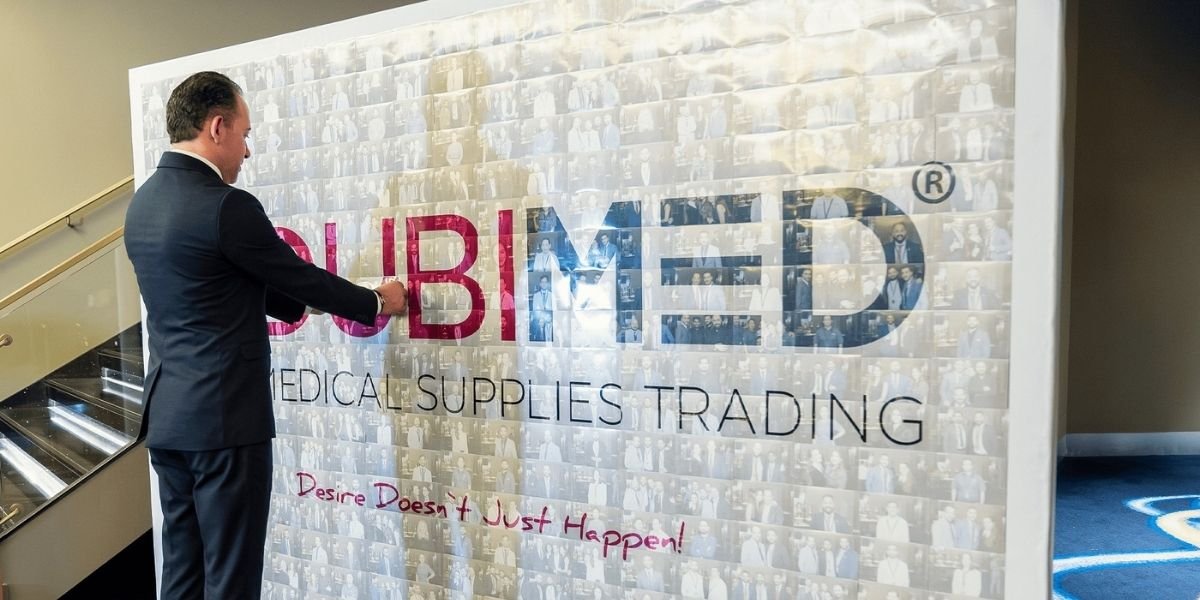
DUBIMED: Redefining Aesthetic Medicine Standards Across the GCC

For over 40 years, DUBIMED has established itself as a trusted leader in the field of aesthetic medicine, offering comprehensive solutions that empower medical clinics and practices across Dubai, UAE, Qatar, Oman, and Saudi Arabia. As the premier distributor of top-tier aesthetic medical equipment and supplies in the Gulf, DUBIMED blends state-of-the-art technology with exceptional service, helping healthcare providers achieve outstanding patient results.

A Complete Solution for Aesthetic Practice Success

What sets DUBIMED apart from others is its all-encompassing approach to supporting aesthetic medical practices. Beyond providing equipment, the company offers a full range of services designed to ensure clinical success from day one.

“Every practice is unique,” shares a senior DUBIMED representative. “Our goal is to offer not only the technology, but also the knowledge, support, and infrastructure that transform that technology into exceptional patient care and long-term business growth.”

A Premium Technology Portfolio

DUBIMED, an ISO 9001:2015 certified company, is an authorized distributor for more than 15 prestigious international brands. These include Sofwave ultrasound technology, Galderma (Restylane & Sculptra), Teoxane, Revance (SkinPen), Classys (Ultraformer, Volnewmer, Secret DUO RF), AnteAGE regenerative solutions, SuneKOS biorevitalization, and mesoestetic professional skincare. This wide range of offerings encompasses cutting-edge ultrasound and HIFU systems, premium injectables, and professional-grade products, covering all facets of aesthetic treatment.

The company ensures authenticity with every product, offering full manufacturer warranties, regulatory compliance for the UAE and GCC markets, and the guarantee of clinically validated, genuine technology.

Clinical Training That Yields Results

The effectiveness of any technology depends on the skills of the practitioners using it. DUBIMED’s clinical training programs, led by certified specialists with over 10 years of experience, have trained more than 3,000 professionals across the region. These comprehensive sessions cover everything from the basics of each device to advanced treatment protocols, ensuring practitioners can achieve the best possible results from the outset.

“Proper training is directly linked to the profitability of a practice,” says a DUBIMED clinical trainer. “Trained practitioners deliver better results, face fewer complications, enjoy higher patient satisfaction, and see a quicker return on investment.”

Service Excellence to Minimize Downtime

Equipment downtime results in lost revenue and disappointed patients. DUBIMED’s biomedical engineering team offers same-day service in Dubai, 24/7 emergency support, and maintains a leading 99% on-time response rate. Using only genuine manufacturer parts and adhering to rigorous service standards, the highly skilled engineers ensure that equipment operates at peak performance throughout its lifecycle.

Logistics That Ensure Continuity

With over 10,000 deliveries completed each year and GDP (Good Distribution Practice) certification, DUBIMED’s logistics network guarantees that products arrive on time and in perfect condition. The company offers same-day delivery throughout Dubai, and extensive coverage across the UAE, Qatar, Oman, and Saudi Arabia. Temperature-controlled transport, secure warehousing, and detailed inventory management ensure the integrity of products from manufacturer to clinic.

Marketing Support to Build Strong Brands

DUBIMED offers proprietary marketing support services to help aesthetic practices grow their patient base and establish a solid reputation. The company provides assistance with social media strategy, patient education materials, professional referral networks, and event marketing. This comprehensive approach integrates both consumer-facing initiatives and business-to-business networking.

The DUBIMED Advantage

DUBIMED’s real differentiator lies in the integration of all its services into a smooth, cohesive support system. Clinical training coordinators collaborate with biomedical engineers. Marketing efforts align with new equipment installations. Logistics teams ensure that training materials arrive right when they’re needed.

“We are not just a supplier,” stresses the company’s leadership. “We are a long-term partner invested in the success of our clients.”

With strategic operations in Dubai’s Burj Khalifa District, as well as in Qatar and Oman, DUBIMED combines international expertise with a deep understanding of local nuances in Middle Eastern aesthetic medicine—from skin type to cultural preferences and regulatory requirements.

For aesthetic medical practices seeking more than just equipment, DUBIMED provides the comprehensive support, expertise, and regional insight that drive sustained clinical excellence and practice growth.

About DUBIMED 

DUBIMED is the leading distributor of aesthetic medical equipment and supplies in the UAE and GCC region. With over 40 years of experience, ISO 9001:2015 certification, and authorized distributor status for 15+ premium brands, DUBIMED provides comprehensive solutions including devices, injectables, clinical training, biomedical support, logistics, and marketing services. Headquartered in Dubai with regional operations in Qatar and Oman, DUBIMED serves leading clinics and hospitals throughout the Gulf region. 

Contact: Website: www.dubaimed.com 

Phone: +971 4 3333 543 

Email: info@dubimed.com 

Location: Bay Square, Burj Khalifa District, Dubai, UAE 


Disclaimer: The information provided in this article is for general informational purposes only and is not intended as medical advice. The effectiveness of medical treatments and technologies can vary depending on individual circumstances, and any decisions regarding treatments should be made in consultation with a qualified healthcare professional.