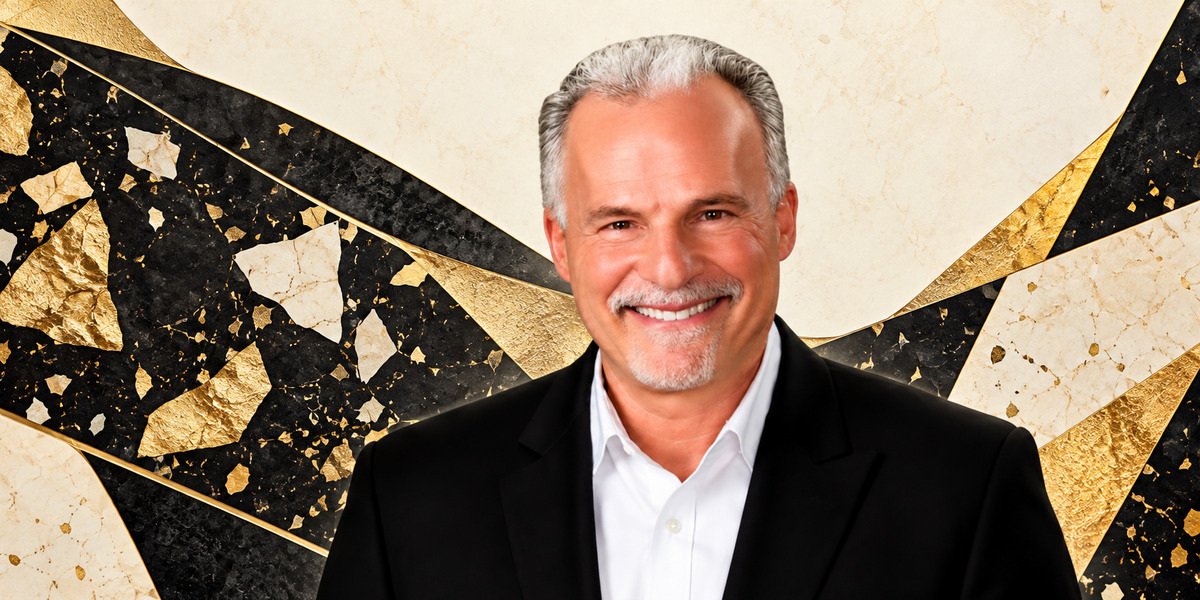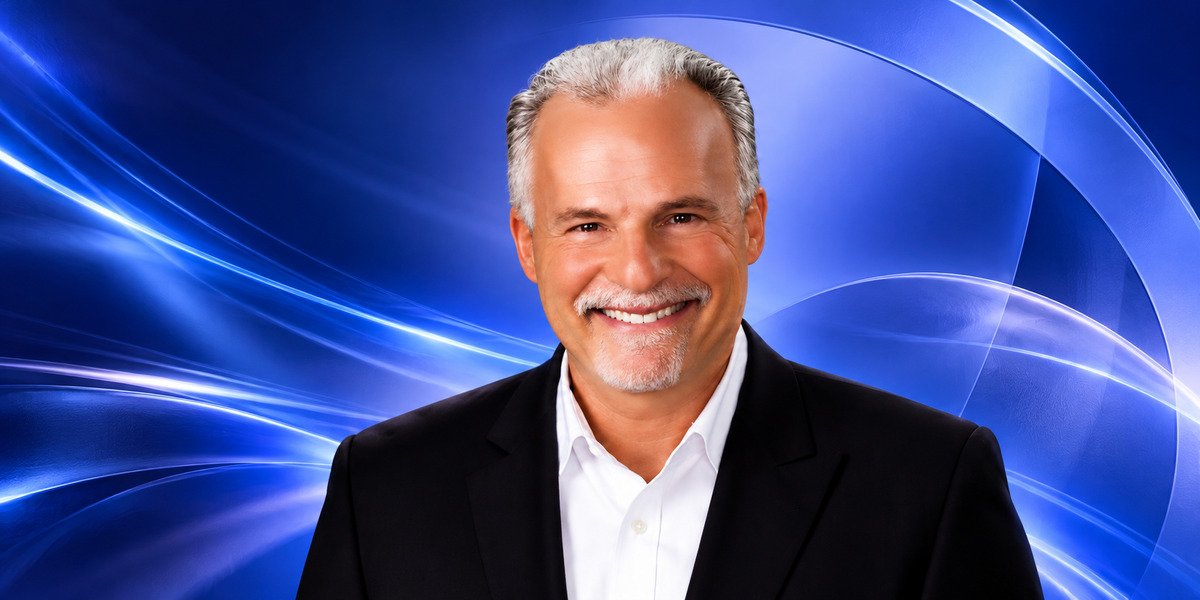
Walk into most independent cafés and the espresso machine behind the counter looks the way it always has. A barista pulls shots by hand, dialing in grind size, steaming milk, repeating the same sequence of motions hundreds of times a day. It’s a craft, and it’s also one of the most expensive, error-prone bottlenecks in a café’s entire operation. That’s the problem Vinnie Lisi, CEO of New Jersey-based Espresso Mio, has spent his career solving from the other side of the counter, not as a barista but as the person who keeps the machines running.
A Business Built on What Other Companies Ignored
Lisi took over Espresso Mio in 2019, stepping into a business his father, Carlo Lisi, had built over five decades as a commercial coffee equipment mechanic. Before joining the family business, Lisi worked servicing espresso machines at Dunkin’ locations, an experience that exposed him firsthand to how poorly most commercial equipment is maintained.
“It seemed every machine was over three hours of labor and thousands of dollars in parts,” Lisi has said of what he found servicing neglected equipment early in his career. The root cause, as he came to understand it, wasn’t the machines themselves. It was an industry more focused on sales than on the customers actually running the equipment day to day.
That insight became the foundation of how Lisi rebuilt Espresso Mio, around transparency, education, and keeping machines properly maintained before small problems turn into expensive ones.
Why the Machine Behind the Counter Is a Financial Decision
For café owners, the choice of espresso equipment is really a choice about the business’s cost structure. Traditional manual and semi-automatic machines require a skilled barista at every shift, consistent training as staff turnover occurs, and tight quality control to maintain consistent drink quality across different hands pulling the same shot. Labor is one of the highest ongoing costs in most cafés. It’s also the variable most exposed to inconsistency, turnover, and human error.
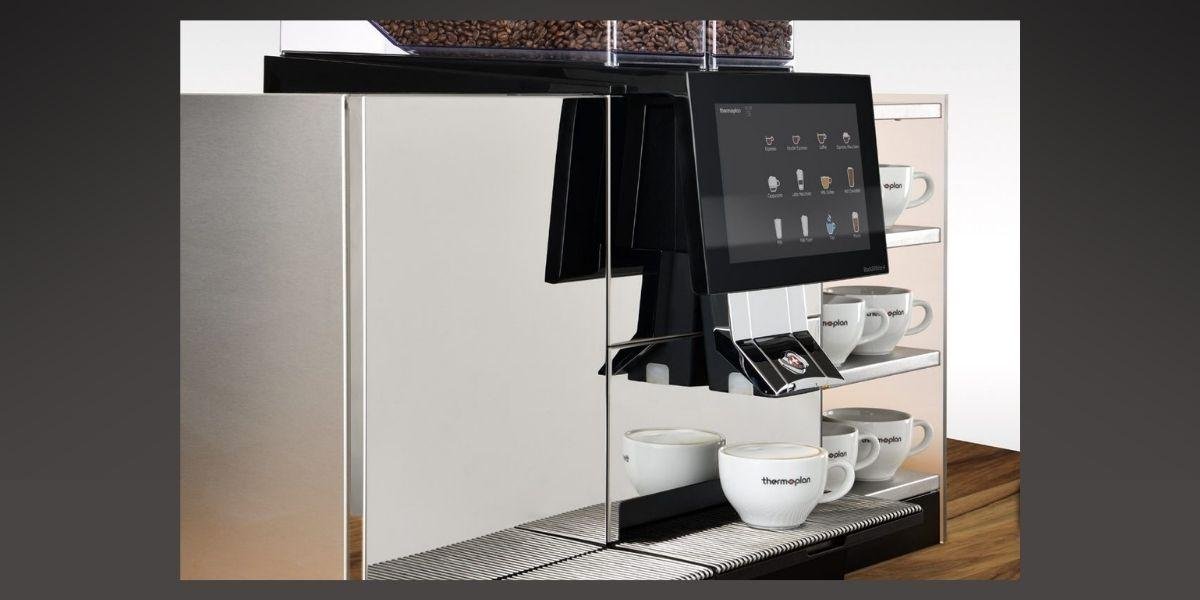
Superautomatic machines change that equation. By automating grinding, dosing, tamping, extraction, and often milk texturing into a single programmed process, they reduce the skill threshold required to produce a consistent drink, cut training time for new staff, and increase throughput during peak hours, all without sacrificing the quality customers expect. For a café weighing labor costs against equipment investment, that shift can materially change the math. A higher upfront equipment cost is offset by lower ongoing labor and training expenses, fewer costly mistakes, and more consistent product, driving repeat business.
The Thermoplan Connection and the Starbucks Blueprint
One of the more notable moves under Lisi’s leadership was Espresso Mio’s acquisition of the regional distributorship for Thermoplan, a Swiss manufacturer of superautomatic coffee machines, expanding the company’s footprint along the Boston-to-Washington, D.C. corridor. It’s a name that carries serious weight in the industry. Thermoplan is the manufacturer behind the custom-built superautomatic machines used across Starbucks locations, where consistency across tens of thousands of stores, regardless of who’s working behind the counter on a given shift, is a business necessity rather than a nicety.
That’s the same logic Lisi has built into Espresso Mio’s regional strategy, helping independent and multi-location café operators access the same category of equipment that’s allowed the largest coffee chain in the world to deliver a standardized product at massive scale, without requiring every location to staff a highly trained barista on every shift.
Betting on Equipment as a Long-Term Investment
Lisi describes the Thermoplan acquisition as one of the best investments Espresso Mio has made. For café owners evaluating the same decision on a smaller scale, the underlying principle holds. Equipment that’s properly maintained and matched to a business’s volume and staffing model isn’t just a purchase. It’s the infrastructure that determines a café’s cost structure for years to come.
As more café operators face rising labor costs and increasing pressure to deliver consistent quality across every shift, the economics increasingly favor equipment that removes variability from the equation. It’s a shift Lisi has built his company’s regional strategy around, helping café owners make the same equipment decision that Starbucks made at scale, sized appropriately for a single counter rather than thousands of stores.