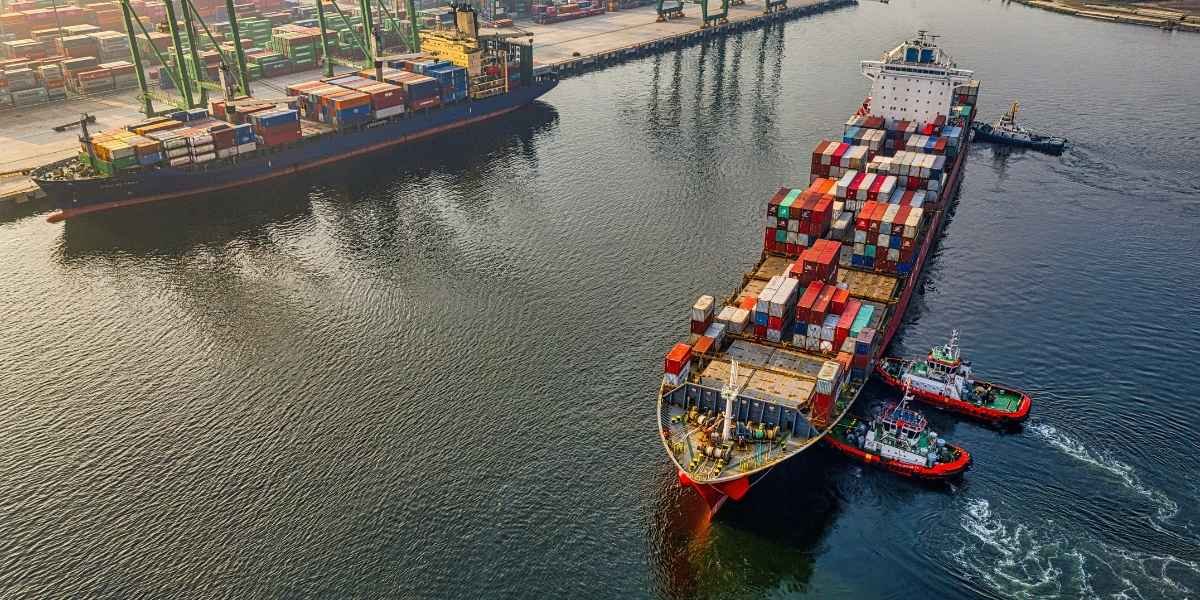
Rising oil shipping costs are giving some U.S. Gulf Coast refiners access to discounted heavy crude while overseas competitors face more expensive tanker voyages. Company earnings and federal energy data reveal why the advantage is uneven and what it means for fuel buyers.
Valero Energy put a number on the freight disruption during its October 22 earnings call. Shipping crude from the U.S. Gulf Coast to Asia was costing approximately $30 to $35 per barrel, compared with an average of roughly $5 in 2025, according to the company.
“The main story right now in the market is freight rates,” said Randy Hawkins, Valero’s vice president of crude and feedstocks supply and trading. The transport gap affects which crude grades refineries can purchase economically.
Key Takeaways
- Valero estimated Gulf Coast-to-Asia crude freight at $30 to $35 per barrel in October, up from about $5 on average in 2025
- The International Energy Agency placed Middle East-to-Asia crude shipping above $37 per barrel by mid-October
- Valero’s Gulf Coast refining margin reached $6.47 billion in the third quarter, compared with $2.07 billion a year earlier
- Federal Reserve research found gasoline refining spreads at more than twice their year-earlier level and diesel spreads at more than three times that level
Rising Oil Shipping Costs Raise Delivered Crude Prices
The International Energy Agency reported that transporting crude from the Middle East Gulf to Asia exceeded $37 per barrel by mid-October, more than five times the level before shipping disruptions intensified. The agency separately estimated a cost of about $33 per barrel for moving crude from the U.S. Gulf Coast to Singapore.
These route-specific figures are not universal freight charges. Delivered costs also depend on crude quality, insurance and contracts.
Tanker congestion, longer voyages and ship-to-ship transfers have reduced fleet efficiency. The Strait of Hormuz shipping disruptions are significant for Asian refineries that import crude through Gulf export routes, tying up vessels and increasing charter demand.
The agency calculated negative indicative margins in September for some Asian refining operations processing Middle Eastern oil. That modeling does not establish that every Asian refinery lost money.
Canadian Heavy Crude Discounts Support Gulf Coast Margins
Gulf Coast refineries configured for heavier, higher-sulfur crude can buy supplies from Canada and Venezuela using shorter routes than many overseas competitors. Western Canadian Select typically trades below lighter U.S. crude benchmarks, with the discount varying by transportation and demand conditions.
On November 2, Western Canadian Select for December delivery at Hardisty, Alberta, was assessed at $27 per barrel below West Texas Intermediate, according to brokerage CalRock figures cited by Oil & Gas 360. That Canadian assessment is not the delivered Gulf Coast price, which also reflects transport charges.
Valero’s October 22 earnings release showed Gulf Coast refining margin of $6.47 billion in the third quarter of 2026, up from $2.07 billion in the same period of 2025. Refining margin is not net profit, and freight is only one contributor.
Marathon Petroleum reported a refining and marketing margin of $45.70 per barrel for the third quarter, compared with $17.60 a year earlier. Its crude capacity utilization reached 100%. Phillips 66 separately reported 98% utilization during the quarter. The Energy Information Administration reported nationwide utilization of 95% during the quarter, with third-quarter crude processing at its highest level since 2019.
Prearranged shipping also matters. Reuters reported that Phillips 66 had secured more than 40 time-charter vessels, covering about 40% of its asset-based shipping needs, before freight surged. These contracts can reduce exposure to spot rates.
Higher Refinery Margins Also Raise Fuel Cost Concerns
Refinery earnings and the prices paid for gasoline and diesel are not interchangeable measures. On November 5, the Federal Reserve Bank of Kansas City reported that gasoline crack spreads were more than double their year-earlier level, while diesel crack spreads were more than triple. Crack spreads estimate the difference between crude costs and refined-fuel prices before all operating expenses are considered.
The Energy Information Administration reported on November 5 that the average gasoline yield at U.S. refineries was less than 45% during January through August 2026 as stronger margins encouraged greater output of diesel and jet fuel. Fuel production patterns therefore reflect factors beyond crude freight.
Higher diesel prices can increase trucking and distribution expenses, connecting refining conditions with broader oil prices and business costs. Effects vary by location and contract.
Valero Chief Operating Officer Gary Simmons also said elevated tanker costs could improve the company’s position in some Latin American fuel markets relative to European shipments. That advantage varies by destination and product.
Rising oil shipping costs favor some Gulf Coast crude buyers but increase pressure on refineries dependent on costly long-distance shipments. Strong fuel margins are a separate factor shaping the companies’ results.
Frequently Asked Questions
Why have oil shipping costs increased?
Tanker congestion, longer voyages, cargo transfers and higher insurance costs have made crude shipments more expensive. Rising oil shipping costs also reflect reduced vessel availability on affected routes.
Why do some U.S. Gulf Coast refiners benefit?
Some plants can process discounted heavy crude from nearby North American and Latin American sources. Their delivered crude costs can be lower than those of overseas refineries purchasing similar grades across longer routes.
How much did U.S. refinery margins increase?
Valero reported a third-quarter Gulf Coast refining margin of $6.47 billion, compared with $2.07 billion a year earlier. Marathon Petroleum reported a refining and marketing margin of $45.70 per barrel, up from $17.60.
Do higher refinery margins mean cheaper gasoline?
Not necessarily. Refinery margins can rise while gasoline and diesel prices remain elevated because fuel supply, crude prices, distribution and other costs also affect retail prices.