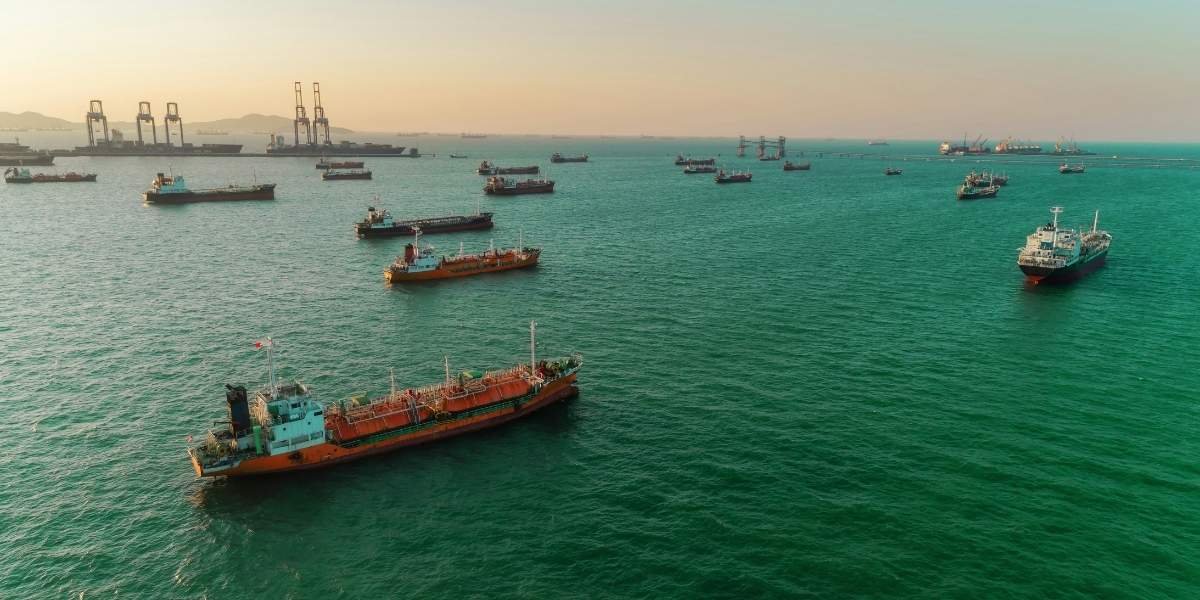
Strait of Hormuz shipping routes remained under pressure this week after UAE energy company ADNOC said normal tanker movement through the region may not fully recover until the first half of 2027. The outlook added fresh uncertainty to global energy markets already facing elevated freight costs and longer shipping times.
ADNOC, one of the Middle East’s largest state-owned energy producers, said the prolonged disruptions could continue affecting crude transportation through one of the world’s most important oil transit corridors. The Strait of Hormuz connects Gulf exporters with major customers across Asia, Europe, and North America.
Shipping operators, insurers, refiners, and commodity traders have continued monitoring traffic conditions as companies adjust routes and reassess logistical risks. While some Gulf states maintain alternative export infrastructure, the strait remains a critical route for crude shipments from Saudi Arabia, the United Arab Emirates, Kuwait, Iraq, and Qatar.
ADNOC Signals Extended Timeline for Shipping Recovery
ADNOC’s latest outlook indicated that logistical disruptions affecting tanker operations could continue for several more quarters, extending beyond earlier market expectations. Reduced shipping capacity and operational delays have already pushed freight costs higher across energy transportation markets this year.
Global oil markets reacted to the development as traders assessed the possibility of prolonged export constraints. Brent crude futures remained elevated during Thursday trading, while energy-related equities and commodity markets continued experiencing volatility.
The Strait of Hormuz remains one of the world’s busiest oil transit routes, handling millions of barrels of crude and petroleum products each day. Even limited disruptions can affect refinery schedules, inventory management, and import planning for major energy-consuming economies.
Several tanker operators have reduced transit frequency or adopted stricter routing procedures in recent months, contributing to longer delivery times and higher shipping expenses. Industry specialists said prolonged maritime disruptions can also increase insurance costs, storage expenses, and broader supply-chain pressures for fuel-importing countries.
Global Energy Markets Adjust to Higher Transportation Costs
The shipping outlook has become increasingly important for global energy markets as oil demand remains stable across major economies. Asian importers continue accounting for a large share of Gulf crude purchases, making reliable transport routes critical for procurement planning.
Refineries in China, India, Japan, and South Korea remain among the largest buyers of Middle Eastern crude exports. Prolonged limitations on shipping capacity through the Strait of Hormuz could force importers to seek alternative supply arrangements or expand strategic fuel reserves.
Commodity shipping rates have reflected ongoing uncertainty in regional maritime conditions. Tanker charter costs increased in recent weeks as vessel operators adjusted pricing to account for higher operational and logistical risks.
Energy economists said transportation bottlenecks can affect crude availability even when oil production levels remain stable. The developments have also renewed attention on strategic petroleum reserves maintained by countries including the United States, China, and Japan to help manage potential supply disruptions.
Shipping Operators and Insurers Reassess Regional Exposure
Maritime insurance markets have experienced notable changes as underwriters evaluate risk conditions affecting commercial vessels operating near major energy export routes. Higher insurance premiums for tankers transiting the Gulf region have added further costs to crude transportation.
Shipping companies have increasingly incorporated contingency planning into operational schedules, including route diversification, revised crew procedures, and expanded coordination with port authorities. Some operators have reportedly adjusted fleet deployment strategies to reduce exposure to congested transit periods.
Port infrastructure throughout the Gulf region remains operational, though shipping efficiency has varied depending on vessel traffic patterns and logistical conditions. Export terminals in the United Arab Emirates and neighboring producers continue processing crude shipments despite transportation constraints.
The UAE has invested heavily in energy infrastructure designed to support export resilience, including pipeline networks and storage facilities connected to ports outside the Strait of Hormuz. These projects were developed partly to improve logistical flexibility during periods of maritime disruption.
Saudi Arabia has similarly expanded pipeline capacity connecting oil production areas to Red Sea export terminals. However, industry experts note that alternative routes cannot entirely replace the shipping volumes traditionally handled through the Strait of Hormuz.
Oil Producers and Importers Monitor Long-Term Supply Stability
The extended timeline outlined by ADNOC comes at a time when global energy demand forecasts remain relatively firm despite uneven economic growth across several regions. Industrial activity, aviation fuel consumption, and petrochemical manufacturing continue supporting oil demand in key markets.
Large commodity trading firms have reportedly increased monitoring of inventory positions and storage capacity in response to ongoing transportation uncertainty. Some traders have sought additional supply contracts outside the Gulf region to diversify sourcing options.
The Organization of the Petroleum Exporting Countries and allied producers remain influential in balancing global oil supply conditions. Export logistics, however, have become increasingly significant alongside production policy decisions in determining how efficiently crude reaches international buyers.
Financial markets have also reacted to broader inflation implications associated with higher transportation costs. Elevated energy prices can affect manufacturing expenses, freight pricing, and consumer fuel costs across multiple sectors of the global economy.
Airlines, shipping companies, chemical manufacturers, and industrial producers are among the industries most sensitive to sustained increases in fuel-related expenses. Equity analysts have monitored these sectors closely as commodity prices and freight rates fluctuate.