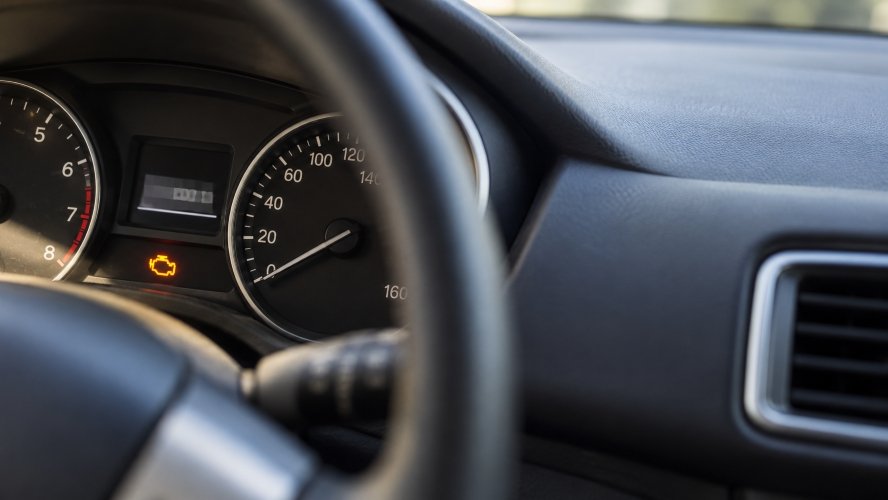
A warning light that comes and goes is easy to ignore. The car still drives. The dealership is across town, and the next scheduled service is months away. For many owners, waiting looks like the sensible choice. Under California’s lemon law, that wait can carry a price that does not appear until a buyback is calculated.
The stakes are not small. The average transaction price of a new vehicle in the U.S. passed $50,000 for the first time in September 2025, according to Kelley Blue Book. George Mkrtchyan, Esq., Managing Attorney of Court House Lawyers in Glendale, California, points to a detail in the lemon law buyback formula that many owners miss: the deduction for the owner’s use of the car is fixed at the first documented repair visit for the defect. That makes the timing of the first visit the one input an owner controls most directly.
How the Lemon Law Buyback Formula Works
When a manufacturer repurchases a vehicle under the Song-Beverly Consumer Warranty Act, the buyback generally returns the down payment, the payments made, and taxes, registration and incidental costs. From that total, the manufacturer subtracts a mileage offset for the miles the owner drove before first bringing the car in for the problem.
Under Civil Code § 1793.2, the offset is calculated as the purchase price multiplied by the miles on the car at the first repair visit for that defect, divided by 120,000. Two of those three inputs are fixed. The purchase price is on the contract. The 120,000 divisor is set by statute. The remaining input is the odometer reading on the day the owner first brought the car in for that problem.
That structure has a consequence most owners never consider. Miles driven after the first visit generally do not increase the offset. Miles driven before it do. On a car bought for $50,000, every 1,000 miles on the odometer before that first visit adds about $417 to the offset.
One Car, Two Lemon Law Buyback Outcomes
Consider a $50,000 car with a defect that eventually qualifies for repurchase. If the owner first reports the problem at 8,000 miles, the offset comes to about $3,333. If the same owner lives with the symptom and first reports it at 20,000 miles, the offset rises to about $8,333.
The car, the defect and the eventual repurchase are the same in both versions. The difference of roughly $5,000 comes entirely from when the first repair order was opened.
“The offset is set from the first documented visit for the defect the vehicle is being repurchased for,” Mkrtchyan explains. “Each month an owner waits to bring the car in can add miles to that calculation, and those miles turn into dollars deducted from the buyback.”
Waiting can also affect more than the offset. Under § 1793.22, a vehicle can be presumed a lemon when repair attempts or days out of service reach certain thresholds within 18 months or 18,000 miles of delivery. A first visit at 20,000 miles falls outside that window. The presumption is not the only path to a repurchase, but losing it can make a claim harder to frame.
What Counts as the First Documented Lemon Law Repair Visit
The visit that sets the offset is the one where the defect is reported at an authorized service center and appears on the repair order. A phone call to the dealership about a noise generally does not set it. Neither does a recall notice in the mail. A recall alone does not make a car a lemon, and it does not by itself create a repair record for the owner’s specific problem.
Mkrtchyan advises owners to report the specific symptom they experience, in plain terms, rather than a guess at the cause. He also suggests looking up Technical Service Bulletins for the model, since a bulletin describing the same symptom can help an owner explain what they are seeing.
“It can feel like overreacting to take a car in for a light that comes and goes,” Mkrtchyan says. “But a phone call to the dealer doesn’t start the record. A visit to the service center is where the problem is investigated and remedied.”
Running the Lemon Law Buyback Numbers Early
Because most of the formula is fixed, an owner can estimate a buyback with a handful of figures. An owner can run them through the firm’s buyback calculator, which follows the same structure, asking for the purchase price, the down payment, the payments made and the miles at the first repair attempt for the defect. Any estimate stays an estimate. The final figure depends on the repair history, the contract and how the manufacturer responds.
Mkrtchyan holds a B.S. in Business Administration from Cal State Northridge, and the buyback formula reads like the kind of problem that training prepares a person for: most of the inputs are set by statute or contract, and one is set by the owner’s own timing.
That returns the question to the warning light. It can show up on a repair order at 8,000 miles or at 20,000. The car is the same either way. The buyback math is not.
Disclaimer: The content in this article is provided for general knowledge. It does not constitute legal advice, and readers should seek advice from qualified legal professionals regarding particular cases or situations.