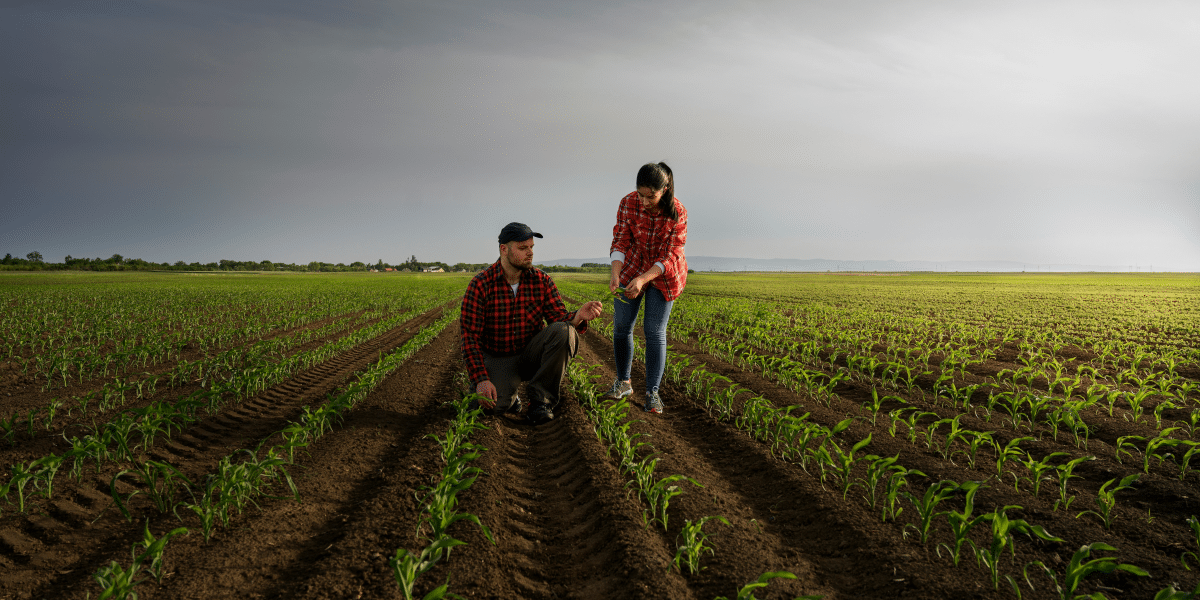
The foundational role of agriculture in the United States economy has evolved from simple sustenance into a sophisticated multi-trillion-dollar supply chain. In late 2025, the American food and farming sector serves as a primary driver of national stability, generating approximately $9.5 trillion in total economic value. This figure represents nearly 19% of the entire national output, illustrating how deeply the roots of the industry extend into every aspect of American commerce. While the direct contribution of on-farm production remains significant, the true scale of the impact is found in the millions of jobs supported by processing, logistics, and retail. Without this reliable foundation, the broader economic expansion of the country would lack the essential security required for sustainable growth.
The stability provided by early farming allowed for the development of the first permanent settlements and established the first organized trade routes across the continent. As productivity increased, the division of labor became more pronounced, freeing up a large portion of the population to focus on manufacturing, administration, and services. Historical data shows that the shift from subsistence to commercial farming was a prerequisite for the birth of modern American cities. Today, this legacy continues as the industry sustains over 47 million direct and indirect jobs across the nation. This interconnected system ensures that the surplus created on the farm translates into broader opportunities for innovation and employment in urban centers.
Current economic reports highlight that while the sector is highly resilient, it is also navigating a period of significant price volatility and shifting trade dynamics. In December 2025, the USDA announced $12 billion in bridge payments to help producers manage the impact of fluctuating commodity prices and trade disruptions. These temporary supports are designed to maintain the viability of family farms as they adapt to new global market realities. The ability of the industry to absorb these shocks is a testament to the robust infrastructure that has been built over decades of progress. Maintaining this strength is essential for ensuring that the national food supply remains secure in an increasingly complex world.
Interdependence Between Agriculture And The American Industrial Revolution
The historical development of the United States as an industrial powerhouse was fueled by the rapid advances made in the farming sector during the nineteenth century. Improvements in farming techniques and the introduction of mechanization, such as the steel plow and mechanical reaper, increased productivity and freed up labor for factory jobs. This period was marked by a dual role for farmers, who supplied raw materials like cotton and wool for textiles while also feeding a rapidly growing urban workforce. The relationship was inherently circular; the wealth generated by the farm supported the purchase of new industrial tools, which in turn made the farm even more efficient. This synergy allowed the nation to transition from an agrarian society to a global industrial leader.
By the mid-1800s, the “bonanza” farms of the Midwest were utilizing fleets of harvesters and vast railroad networks to transport wheat to high-production flour mills. This efficient combination of farms, mills, and railroads dominated production and ensured that the growing population in the East had access to affordable food. As transportation costs fell, the profitability of both farming and milling increased, driving further expansion into the Western territories. The railroads acted as the critical link, carrying raw materials to the processors and finished products back to the rural communities. This web of interdependence was the backbone of early American economic policy and regional development.
Science and technology also began to play a more prominent role during this era with the passage of the Morrill Land Grant College Act in 1862. This legislation established research centers that focused on scientific farming, leading to the development of drought-resistant crops and more effective fertilizers. These innovations allowed the industry to keep pace with the doubling of the nation’s population between 1860 and 1890. Even as the share of the labor force in farming declined, the total output continued to outstrip previous records. This extraordinary achievement demonstrated that a strong industrial economy could only exist if it was supported by an equally advanced agricultural base.
Economic Realities And Modern Challenges In The Current Market
Today, the industry faces a unique set of pressures ranging from environmental shifts to the complexities of global trade and resource scarcity. Extreme weather patterns and persistent water shortages in the West are forcing many producers to rethink their traditional irrigation and planting strategies. As of 2025, water scarcity is a top concern for nearly 40% of farms in the High Plains and Western states, directly impacting the yields of high-value crops. These challenges have direct economic consequences, as any disruption in the harvest can lead to price spikes for consumers and increased inflation. Managing these risks requires a sophisticated blend of traditional knowledge and modern data analytics.
Trade policies in late 2025 have also introduced new layers of uncertainty for exporters who rely on international markets to sell their surplus. Retaliatory tariffs and shifting geopolitical tensions have led to a sharp decline in agricultural exports to major trading partners like China. Reports indicate that soybean exports alone fell by over 50% in the first eight months of the year, representing a loss of billions of dollars for Midwestern farmers. These disruptions force producers to find new markets or adjust their planting decisions for the upcoming season. The volatility of these global relationships remains a primary focus for policymakers as they attempt to balance domestic protection with export growth.
Labor availability is another critical issue that is placing upward pressure on production costs across the country. Many specialty crop growers in California and Florida report that they are operating at significantly reduced staffing levels, leading to unharvested crops and lost revenue. In response, there has been an accelerated push toward the use of autonomous machinery and robotic harvesters to fill the gap. While these technologies offer a way to maintain productivity, the initial cost of adoption can be prohibitive for small-scale family operations. The industry is currently in a state of transition as it seeks to integrate these high-tech solutions while preserving the traditional structures of rural life.
The Role Of AI And Precision Technology In Future Sustainability
Technological innovation is providing a path forward for an industry that must produce more food with fewer resources than ever before. Precision farming, which utilizes AI, drones, and GPS-guided machinery, has seen a 35% increase in adoption across U.S. farms since 2020. These tools allow farmers to assessment crop health in real-time and apply water and fertilizers with surgical accuracy, reducing waste and improving yields. By late 2025, approximately 60% of large-scale operations have implemented some form of climate-resilient strategy. This digital transformation is not just about efficiency; it is a vital part of protecting the long-term health of the soil and local water systems.
The USDA’s 2025 AI Strategy is actively promoting the use of predictive analytics to help farmers better prepare for volatile weather and shifting market signals. These systems use satellite imaging and soil-monitoring sensors to forecast yield outcomes and detect early signs of pest threats or disease. The “Agri-TaaS” (Technology-as-a-Service) market has also exceeded $3 billion this year, making these advanced solutions more accessible to small and medium-sized units. This allows a broader range of producers to benefit from the same data-driven insights that were once only available to large commercial enterprises. Reducing the electronic barrier to entry is essential for ensuring that the entire industry remains competitive on a global scale.
Regenerative practices, such as cover cropping and reduced tillage, are also being integrated with these digital tools to promote overall biodiversity. By improving soil structure and accelerating carbon storage, these methods help protect environmental health while safeguarding future productivity. Over 45% of American farmland is now managed using some form of sustainable practice as of late 2025. This focus on long-term resource management is a direct response to the increasing damage caused by traditional intensive farming systems. The goal is to create a more resilient agricultural sector that can feed a growing global population without exhausting the natural resources it depends on.
Policy Frameworks and the Resilience of Rural Communities
Government policy continues to be a major factor in determining how the sector contributes to the national economy through subsidies and infrastructure support. In late 2025, the focus has shifted toward provide financial cushions that help producers manage the rising costs of inputs like fertilizer and energy. The Farmer Bridge Payments announced in December are a prime example of how targeted aid is used to stabilize farm income during periods of trade instability. These policies are intended to ensure that the “backbone” of the country remains intact as the broader market adjusts to new trade realities. Without this support, many smaller operations would face significant financial stress that could lead to further consolidation.
Infrastructure investments in rural areas are also critical for maintaining the efficiency of the supply chain from the field to the consumer. Improving irrigation systems, grain storage facilities, and rural transport networks helps reduce waste and ensures that products reach their destination in the best possible condition. Federal support for expanding high-speed internet in rural communities is also enabling more farmers to utilize the latest digital tools and real-time market data. These investments are as important today as the steel rails were during the industrial era, providing the connectivity needed for a modern economy. By strengthening these foundations, the country can ensure that its rural heartland remains a vibrant and productive part of the national landscape.
The role of this sector in economic resilience will continue to be a central topic of debate for both policymakers and industry leaders. As the population grows and environmental challenges intensify, the demand for sustainable and efficient production will only increase. The industry has consistently proven its ability to adapt to new challenges through innovation and resilience over the last two centuries. Each period of progress has built upon the lessons of the past, ensuring that the foundation of the economy remains secure.