Beef price pressure is turning record steak costs into a broader test for U.S. consumer stocks, as restaurants, retailers and meat processors adjust to tight cattle supplies, elevated grocery prices and changing shopper behavior.
Key Takeaways
- Steak prices remained near record levels in May 2026, according to BLS data published through FRED.
- USDA data showed beef and veal prices were 12.9% higher in May 2026 than a year earlier.
- The U.S. cattle inventory stood at 86.2 million head on Jan. 1, 2026, according to USDA NASS.
- Tyson Foods and Chipotle Mexican Grill have both cited beef costs as a business pressure.
- Some shoppers appear to be shifting toward chicken, pork or lower-cost beef options.
Beef price inflation has moved from the grocery aisle into the stock-market conversation because beef is a key cost for several consumer-facing companies. Restaurants, grocers and meat processors each face the pressure differently, but the same supply problem sits underneath the trend.
The U.S. cattle herd remains tight. USDA’s National Agricultural Statistics Service reported 86.2 million head of cattle and calves on U.S. farms as of Jan. 1, 2026. That was down slightly from the previous year and has been described by farm-market analysts as a 75-year low.
A smaller herd can limit the number of cattle available for slaughter. At the same time, rebuilding cattle supply takes time. Ranchers may hold back breeding animals, which can reduce near-term beef availability before any recovery reaches meat counters.
For consumer stocks, the issue is not only that beef costs are high. It is that higher prices can force companies into difficult choices. They can raise menu prices, reduce promotions, shift product mix, absorb costs or emphasize lower-cost items. Each option may affect sales, margins or customer traffic.
The pressure also lands while consumers are still watching food budgets closely. Broader inflation readings, including the U.S. CPI report, remain important for companies that depend on household spending.
How High Did Beef Price Data Move In May?
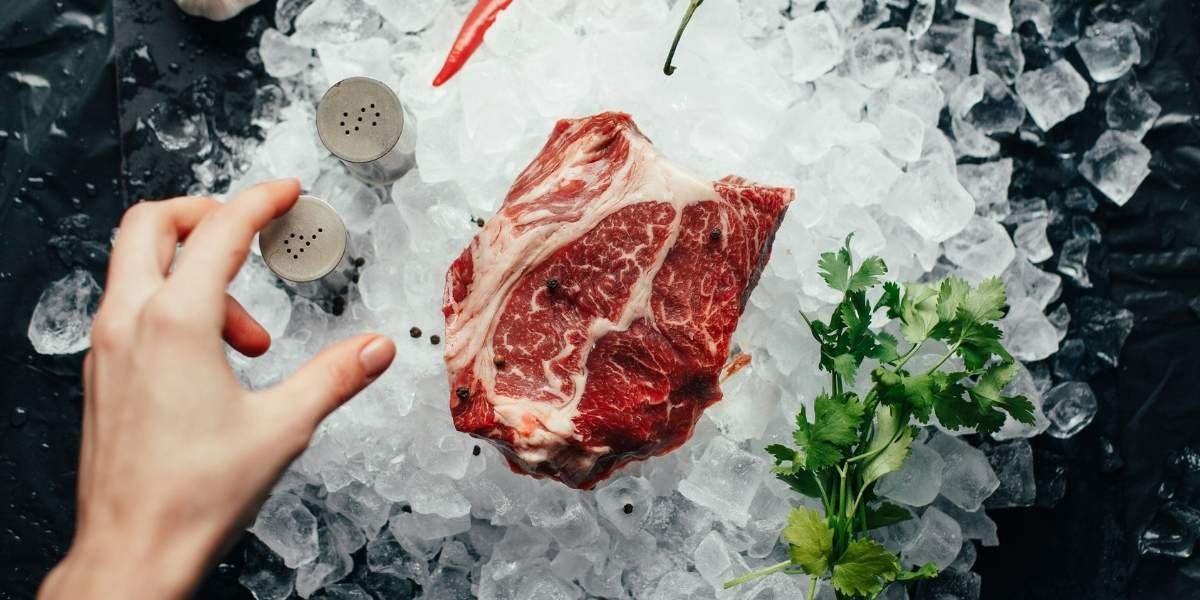
Beef price data remained elevated in May 2026. Federal Reserve Bank of St. Louis data sourced from the U.S. Bureau of Labor Statistics showed all uncooked beef steaks averaged $12.802 per pound in May. That was below April’s $13.024 reading but still near the top of the series.
Ground beef also stayed high. All uncooked ground beef averaged $7.064 per pound in May 2026. Lean and extra lean ground beef averaged $8.624 per pound.
USDA’s Economic Research Service said beef and veal prices were 12.9% higher in May 2026 than in May 2025. Wholesale beef prices were 15.9% higher from a year earlier, while farm-level cattle prices were 16.9% higher.
Those numbers help explain why beef has become a sharper input-cost issue than many other food categories. Retail prices can move differently from farm and wholesale prices, but all three levels showed notable year-over-year increases in May.
USDA also said farm-level cattle prices are predicted to rise 13.9% in 2026, while wholesale beef prices are predicted to rise 9.4%. Forecasts can change, but the agency’s latest outlook points to continued cost pressure in the beef supply chain.
Which Consumer Stocks Are Most Exposed To Beef Price Pressure?
Chipotle Mexican Grill is one company where beef costs have drawn attention. Reuters reported in February that the company expected to raise menu prices by 1% to 2% in 2026 as it dealt with raw material and labor costs.
The company also forecast same-store sales to be about flat for the year, according to Reuters. Beef has been a major commodity exposure for the restaurant chain, and management has signaled caution around how much pricing customers may accept.
“Margins in 2026 will be under pressure,” finance chief Adam Rymer said during a post-earnings call, according to Reuters.
Tyson Foods shows a different side of the beef price issue. Reuters reported in May that Tyson’s beef sales volumes fell 13.1% in the second quarter while beef prices rose 11.5%. Its beef business posted a $202 million adjusted operating loss as cattle costs increased by about $600 million.
The company’s chicken segment helped offset weakness in beef, reflecting how consumer demand can shift when one protein becomes more expensive. That mix matters for food companies with exposure across beef, chicken and pork.
McDonald’s also remains tied to the beef price story because beef is central to its burger business. The company has used value offers to support traffic, while restaurant operators across the industry continue to manage food and labor costs.
How Are Shoppers Changing The Protein Math?
Beef price inflation has made value more visible in consumer behavior. Some households may still buy beef, but they can choose smaller packages, cheaper cuts, ground beef instead of steak, or proteins such as chicken and pork.
That shift can affect different companies in different ways. Grocery retailers may benefit from shoppers cooking more meals at home, but higher beef prices can also pressure basket size. Restaurants may see customers trade down, order fewer premium items or become more responsive to discounts.
The pressure around essential goods costs also makes food pricing more important for retailers. When households prioritize groceries, fuel and rent, discretionary spending can become more selective.
Frequently Asked Questions
Why are beef prices still high?
Beef prices remain high largely because cattle supplies are tight. USDA NASS reported 86.2 million cattle and calves on U.S. farms as of Jan. 1, 2026. Rebuilding cattle herds can take several years because ranchers need time to retain breeding animals and raise calves to market weight.
How much did steak cost in May 2026?
BLS data published through FRED showed all uncooked beef steaks averaged $12.802 per pound in May 2026. That was down from $13.024 in April 2026 but still near record territory for the series.
Which companies are affected by beef price inflation?
Restaurants that rely on beef, grocery retailers, and meat processors can all be affected. Chipotle Mexican Grill, McDonald’s and Tyson Foods are examples of public companies with exposure to beef costs, though each company faces the issue in a different way.