By: TILRE Enterprises PR Desk
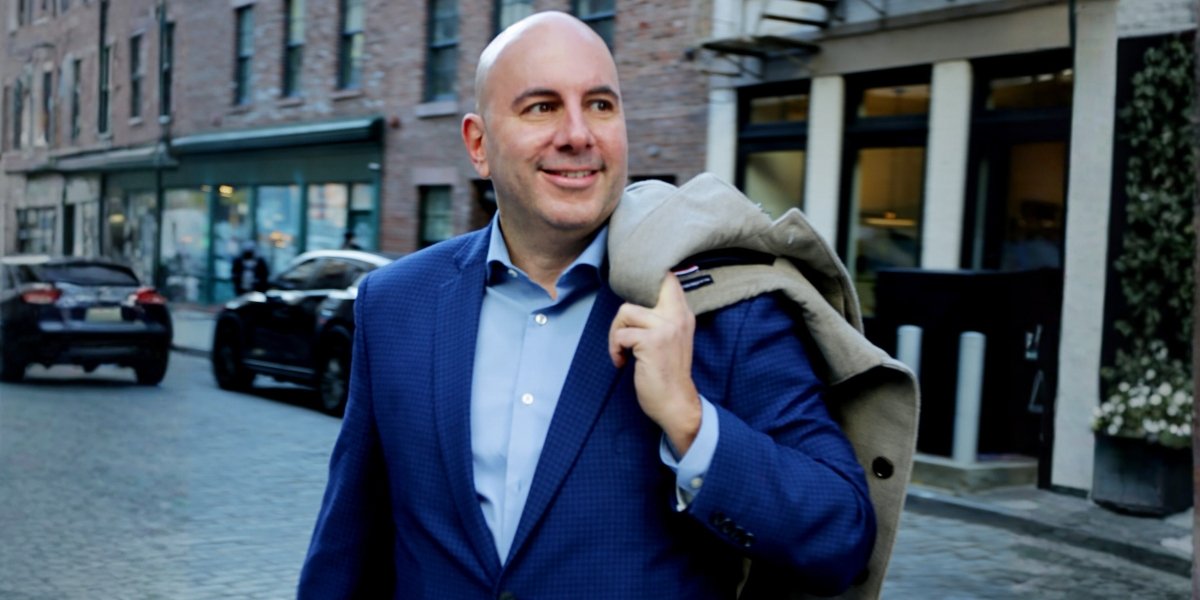
As economic uncertainty continues to influence real estate markets nationwide, New York City remains an outlier, dynamic, resilient, and often unpredictable. According to Eyal Adri, a licensed real estate salesperson with Berkshire Hathaway HomeServices, Manhattan’s current buyer’s market could shift faster than many anticipate.
“New York doesn’t move in straight lines,” Adri explains. “When sentiment changes here, it tends to change quickly.”
A Market Defined by Scarcity
While Manhattan has offered buyers increased leverage in recent months, Adri notes that inventory levels are beginning to tighten. In contrast, Brooklyn and Queens have remained comparatively flat, creating a fragmented market environment that requires close attention.
“People look at today’s conditions and assume they’ll last,” Adri says. “But New York has a long history of compressing opportunity windows.”
He emphasizes that the city’s fundamentals, limited supply, global demand, and long-term capital interest continue to underpin values, even during periods of hesitation or adjustment.
Why Prices Don’t Collapse in New York
Unlike many housing markets where sellers are forced into rapid price reductions, Adri points out that New York City operates differently. When sellers fail to achieve their target price, they often shift strategies rather than slash prices.
“If sellers don’t get the price they want, many simply become landlords,” Adri explains.
Instead of selling at a discount, owners frequently rent their apartments and begin generating passive income. With the right guidance, Adri says, many discover the long-term financial advantages of holding property as a rental investment.
“Once that happens, the property typically comes off the sales market for anywhere from twelve to forty-eight months,” he says.
This dynamic plays a major role in keeping inventory tight across New York City. Properties that fail to sell rarely remain listed indefinitely—they transition into rental units, effectively removing supply from the market.
“That’s one of the reasons you don’t see massive price swings in New York,” Adri notes. “Inventory gets absorbed into the rental market instead.”
“New York real estate rewards patience and punishes panic,” he adds. “Disciplined investors tend to outperform reactionary ones here.”
Timing Versus Preparation
Rather than encouraging speculation, Adri advises clients to focus on readiness. For buyers, that means understanding financing, ownership costs, and long-term usability before the market turns. For sellers, it requires realistic pricing and an awareness of how buyer psychology shifts as confidence returns.
“The mistake people make is waiting for certainty,” Adri explains. “By the time certainty shows up, the leverage is usually gone.”
Looking Ahead
While no market shift is guaranteed, Adri believes preparation and clarity will determine who benefits from the next phase of New York’s real estate cycle.
“New York has always rewarded people who think ahead,” he says. “The question isn’t whether the market will change, it’s whether you’re positioned when it does.”
For investors, buyers, and sellers alike, understanding how New York’s unique supply dynamics work may be the difference between missing an opportunity and recognizing one.
Contact
Eyal “The Expert” Adri
Licensed Real Estate Salesperson
Berkshire Hathaway HomeServices
Phone: 516-606-6969
Email: eyaltheexpert@gmail.com
Instagram: @eyal_the_expert
Disclaimer: The information provided in this article is for general informational purposes only and does not constitute legal, financial, or real estate advice. Eyal Adri, a licensed real estate salesperson with Berkshire Hathaway HomeServices, shares insights based on market trends and personal experience. Readers are advised to consult a professional for advice tailored to their individual circumstances.