The journey from typewriters to mechanical keyboards isn’t just about hardware—it’s a reflection of how writing itself has evolved. The term, “mechanical keyboards,” represents more than a tactile preference. It’s a cultural shift in how we interact with machines, express ideas, and define productivity. From the clack of steel arms to the click of Cherry MX switches, the tools we use to write have shaped the pace and tone of modern communication.
The Typewriter Era: Where Writing Became Industrial
Typewriters weren’t just machines—they were symbols of modernity. Introduced in the late 19th century, they transformed offices, journalism, and personal correspondence. The QWERTY layout, designed to prevent mechanical jams, became the standard. Typing was physical, deliberate, and noisy. Every keystroke left a permanent mark, and editing meant starting over or using correction tape.
Despite their limitations, typewriters democratized writing. They gave people a way to produce clean, legible documents without relying on penmanship. In business, they streamlined workflows. In literature, they became the preferred tool of authors like Hemingway and Kerouac. The typewriter wasn’t just a device—it was a cultural icon.
Electric Typewriters and the Rise of Speed Typing
By the mid-20th century, electric typewriters changed the game. IBM’s Selectric series introduced motorized keystrokes and interchangeable typeballs, allowing for smoother typing and font flexibility. Typists could now reach speeds of 80–100 words per minute with less fatigue.
These machines also introduced features like automatic carriage return and memory storage in later models. Offices became more efficient, and typing tests became standardized. The electric typewriter bridged the gap between analog and digital, laying the groundwork for the computer keyboard.
Mechanical Keyboards: The Digital Descendants of Typewriters
Mechanical keyboards emerged in the 1980s as part of early personal computing. The IBM Model M, with its buckling spring switches, became a cult favorite. It offered tactile feedback, audible clicks, and durability that outlasted most modern devices. For many, it felt like typing on a typewriter—but faster, cleaner, and more precise.
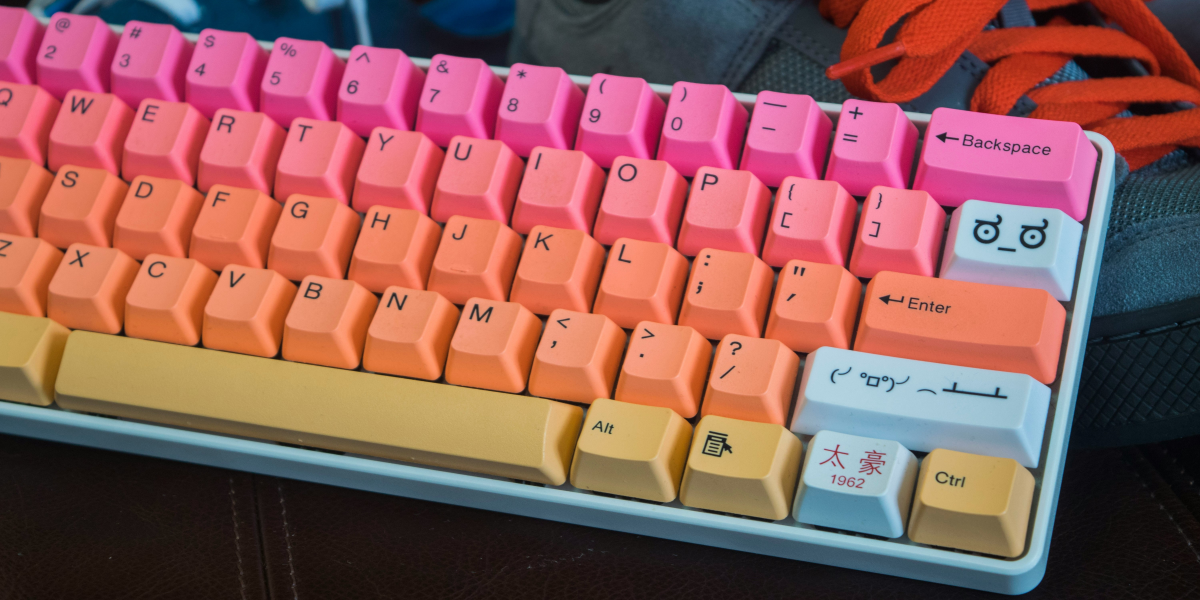
Today’s mechanical keyboards come in a variety of switch types—linear, tactile, and clicky—each catering to different preferences. Gamers love the responsiveness. Writers appreciate the rhythm. Coders rely on the accuracy. Mechanical keyboards aren’t just tools—they’re extensions of personality and workflow.
Ergonomics, Customization, and the Keyboard Renaissance
As typing became a daily necessity, ergonomic design took center stage. Split keyboards, wrist rests, and tented layouts aimed to reduce strain and prevent repetitive stress injuries. Mechanical keyboards followed suit, offering hot-swappable switches, programmable keys, and customizable layouts.
The rise of keyboard modding communities reflects a broader trend: users want control over their tools. From artisan keycaps to RGB lighting, customization has become part of the experience. It’s not just about function—it’s about form, identity, and comfort.
Mechanical Keyboards in the Remote Work Era
With remote work becoming the norm, mechanical keyboards have seen a resurgence. Professionals want reliable, comfortable gear that supports long hours of typing. The tactile feedback helps reduce errors, while the build quality ensures longevity.
Brands like Keychron, Ducky, and Drop have capitalized on this demand, offering sleek designs that blend aesthetics with performance. Mechanical keyboards are no longer niche—they’re mainstream, especially among creatives, developers, and digital entrepreneurs.
Why Writing Technology Still Matters
The evolution from typewriters to mechanical keyboards isn’t just historical—it’s ongoing. Each innovation reflects changing needs, from analog permanence to digital flexibility. Mechanical keyboards represent a return to intentionality in a world of touchscreen shortcuts and voice dictation.
They remind us that writing is physical. It’s about rhythm, resistance, and flow. Whether you’re drafting a novel, coding an app, or replying to emails, the keyboard you choose shapes your experience. And in a digital economy, that experience matters.
Mechanical keyboards aren’t just tools—they’re a statement. They say you care about how you work, not just what you produce. And that’s why, even in an age of AI and automation, the journey of writing technology continues to be worth exploring.