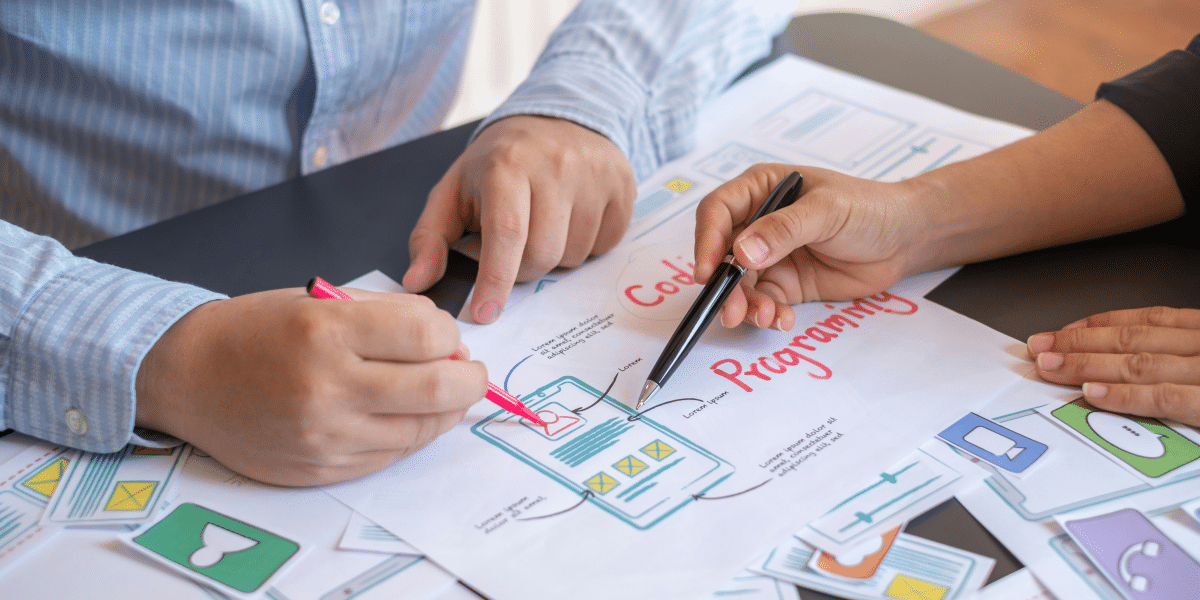
Prototyping is the process of creating a basic version of a product to explore its function, design, or usability. This early model doesn’t need to be polished or complete. Its purpose is to test ideas before investing in full development.
Prototypes can take many forms. Some are physical objects made from simple materials. Others are digital mockups or interactive simulations. The format depends on the product and the questions being asked. For example, a team designing a kitchen tool might build a cardboard model to test grip and movement. A software team might create a clickable screen layout to check user flow.
The goal of prototyping is to learn. It helps identify what works and what doesn’t. It also reveals gaps in understanding. A prototype may show that a feature is harder to use than expected or that a design doesn’t match user needs.
Prototyping encourages feedback. Sharing a model with others invites questions and suggestions. These insights help refine the idea and guide the next steps. By starting with a simple version, teams can adjust direction without major cost or delay.
This process supports creativity and reduces risk. It allows ideas to be tested quickly and adjusted before moving into full production. A step-by-step breakdown of this process is available in Product Development Made Simple: From Prototype to Final Design, which explains how each stage contributes to clearer decisions and better outcomes.
How Testing Reveals Strengths and Weaknesses
Testing is the process of evaluating a product’s performance, usability, or appeal. It often follows prototyping and helps confirm whether the idea meets expectations. Testing can be informal or structured, depending on the goals.
Usability testing focuses on how people interact with a product. It asks whether users can complete tasks easily and whether the design supports their needs. For example, a team might observe how someone uses a new app to book a service. If users struggle to find key features, the design may need adjustment.
Performance testing checks how well a product functions. This may include speed, reliability, or durability. A physical product might be tested for wear and tear. A digital tool might be tested for response time or compatibility.
Feedback from testing helps guide decisions. It shows what’s working and what needs improvement. It also helps prioritize changes. Not every issue requires a fix, but testing helps identify which ones matter most.
Testing also supports communication. It provides data that can be shared with stakeholders, helping explain choices and build confidence in the product. It shows that decisions are based on evidence, not assumptions.
By testing early and often, teams reduce surprises and build products that better match user needs.
How Iteration Improves Product Quality
Iteration means making changes and trying again. It’s a cycle of improvement based on feedback and observation. After prototyping and testing, teams use what they’ve learned to adjust the product and repeat the process.
Each round of iteration builds on the last. A design may be revised to improve clarity. A feature may be simplified to reduce confusion. These changes are tested again to see if they help. If not, further adjustments are made.
Iteration supports learning. It accepts that the first version won’t be perfect. Instead of aiming for a flawless launch, it focuses on steady progress. This approach helps teams respond to new information and adapt to changing needs.
It also encourages flexibility. If a feature doesn’t work as expected, it can be changed or removed. If users suggest a better way, it can be explored. Iteration allows products to grow in response to real-world use.
This process helps avoid costly mistakes. By making small changes and testing them, teams reduce the risk of major flaws. It also helps maintain momentum. Each improvement builds confidence and supports continued development.
Iteration is not about perfection. It’s about progress. It helps products become more useful, reliable, and aligned with user expectations.
How These Strategies Support Long-Term Success
Prototyping, testing, and iteration work together to guide product development. They help teams explore ideas, gather feedback, and improve designs. This process supports thoughtful decision-making and reduces risk.
These strategies also build trust. When users see that their input leads to changes, they feel heard. When stakeholders see that decisions are based on testing, they feel confident. This trust supports stronger relationships and smoother development.
They also support clarity. By breaking development into steps, teams can focus on specific goals. Each phase provides information that guides the next. This structure helps manage complexity and maintain direction.
Over time, these strategies help create products that meet real needs. They support quality, usability, and relevance. They also help teams respond to change, whether in technology, market conditions, or user expectations.
By using prototyping, testing, and iteration, teams build products with care and purpose. These methods support learning, reduce waste, and encourage thoughtful progress. They help turn ideas into tools that people can use and understand.
Internal Links Used
Product Development Made Simple: From Prototype to Final Design
https://economicinsider.com/product-development-made-simple-from-prototype-to-final-design/