By: Chelsie Carvajal
Marketers have long measured success in impressions, clicks, and conversions. But in today’s digital economy, those metrics can be misleading. A campaign may generate traffic, but if the audience forgets the brand once the budget is switched off, the value disappears.
That is why more companies are rethinking their approach and investing in media assets that compound; content and conversations that continue to generate visibility, trust, and pipeline long after they are first created.
The Economics of Declining Ad Efficiency
The cost of acquiring a qualified lead through digital advertising continues to climb. LinkedIn campaigns targeting executive buyers can cost anywhere from $75,000 to $150,000 to generate the same volume of conversations that a single media-led campaign can achieve organically. Conversion rates from cold outreach remain stubbornly low, averaging between one and three percent.
The problem is not just cost. It is that advertising is inherently short-lived. Once the budget stops, the campaign ends. Companies are left with little more than a short-term spike in activity.
Trust as the Multiplier
By contrast, media-led trust accelerators work differently. Instead of interrupting audiences, they invite them in. By hosting executives, founders, or investors in authority-driven conversations, brands are able to associate themselves with credibility and influence.
These conversations, when packaged correctly, become more than content. They become currency. Referral-style introductions convert at rates between 50 and 70 percent, compared with the low single digits of cold outreach. The difference is trust.
The Matt Brown Show Example

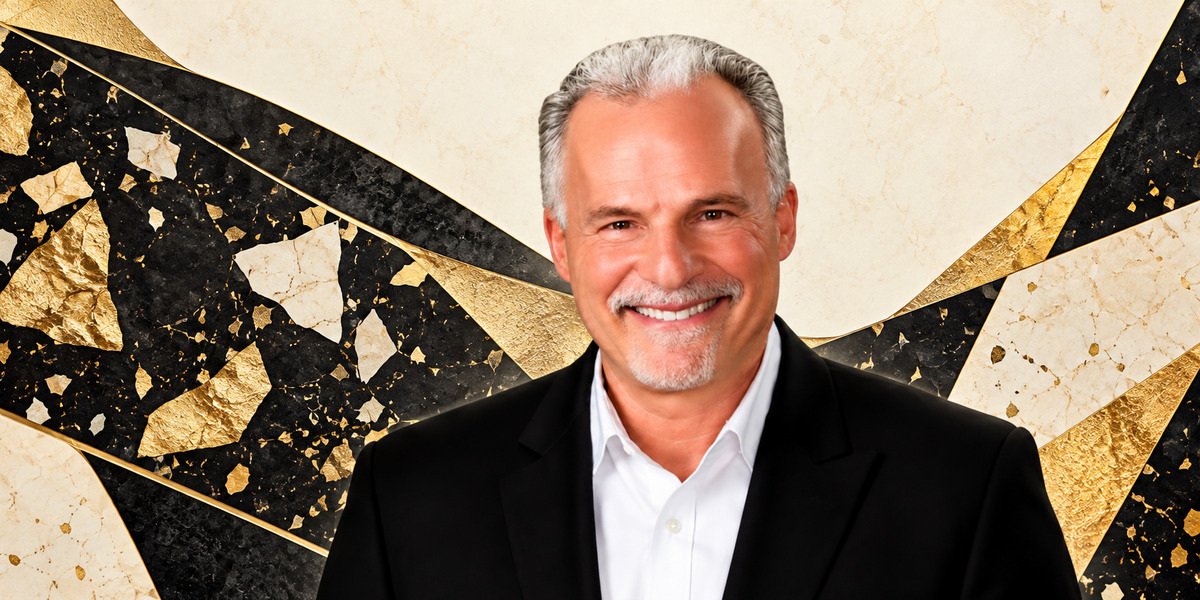
Photo Courtesy: Matt Brown
One proof point comes from The Matt Brown Show, a globally ranked business podcast that has hosted more than 1,000 interviews with leaders, entrepreneurs, and investors across 112 countries. Ranked in the top 2.5% of podcasts worldwide, the platform now functions as both a stage for thought leadership and a laboratory for media-driven growth strategies.
In one outreach campaign tied to the show’s Sponsored Series model, Brown invited targeted executives to appear as guests. The result: 190 interviews booked with CEOs from a single email; a pipeline that would have cost well into six figures if purchased through conventional ad channels.
Another campaign generated 3,896 hours of executive watch time — equivalent to 162 days of uninterrupted C-suite attention across 103 countries. These are not abstract engagement numbers. They are quantifiable proof of influence with decision-makers.
Reference: https://mattbrownshow.com/case-study-halo/
Why These Assets Compound
What makes this approach particularly powerful is its durability. An advertisement disappears when the spend ends. A conversation, by contrast, continues to generate value.
Each interview on The Matt Brown Show is repurposed into an ecosystem of media assets: short clips for LinkedIn, TikTok, and YouTube; articles for PR distribution; snippets for newsletters; and content for paid campaigns. One episode becomes 100+ assets that circulate across multiple channels for months.
This creates an evergreen growth engine. A conversation recorded once can continue attracting new viewers, readers, and leads for years. The return on investment compounds.

Photo Courtesy: Matt Brown
The Broader Financial Case
For financially minded executives, the comparison is straightforward:
- Advertising: High upfront spend, limited lifespan, diminishing returns.
- Media Assets: Lower initial cost, long lifespan, compounding returns.
One-off campaigns may deliver short-term spikes, but evergreen assets build equity — a media library that fuels sales, recruiting, partnerships, and brand positioning indefinitely.
As Brown explains, “Attention is the scarcest commodity in business. If you can own it through trust-driven media, you not only reduce acquisition costs but also build an asset that appreciates over time.”
Looking Ahead
For companies evaluating their budgets, the question is no longer whether to invest in media but how to structure it for compounding value.
Sponsored conversations, digital TV shows, and event media partnerships are emerging as the preferred vehicles because they combine authority, trust, and scale. They offer measurable ROI today while building long-term brand equity for tomorrow.
As traditional ad channels lose efficiency, the businesses that succeed will be those that think like media companies; producing assets that live beyond the campaign cycle.
In financial terms, it is the difference between spending money and investing it. Advertising is an expense. Media assets are an appreciating asset.
Disclaimer: The content provided in this article is for informational and promotional purposes only. The strategies and insights shared may be beneficial to businesses seeking to enhance their marketing approach, but individual results may vary. Companies are encouraged to consult with marketing professionals to evaluate the most effective strategies for their unique needs.