Brand identity helps people recognize and understand a business. It includes visual elements like logos and colors, but also tone, values, and customer experience. For startups, building a clear identity supports trust and sets direction. It doesn’t require large budgets or complex tools. It grows through attention, consistency, and practical choices.
This article explores four areas that shape brand identity: defining purpose and audience, choosing visual and verbal elements, creating consistent experiences, and adjusting over time based on feedback and growth.
Defining Purpose and Audience
Brand identity begins with clarity. A startup needs to understand what it offers and who it serves. This helps guide decisions and reduce confusion.
Purpose refers to the reason the business exists. It may solve a problem, offer a service, or provide a product. This purpose doesn’t need to be unique. It needs to be clear. A business that helps people manage time, for example, may focus on simplicity and reliability.
Audience refers to the people who use or benefit from the business. Understanding their habits, needs, and preferences helps shape tone and design. A startup serving busy parents may use calm colors and clear instructions. One focused on students may use casual language and flexible options.
Defining purpose and audience helps avoid guesswork. It supports better choices about messaging, design, and service. These choices build recognition and trust.
Some startups use surveys, interviews, or informal conversations to learn about their audience. Others observe behavior or review feedback. These methods help shape a brand that feels relevant and useful.
Choosing Visual and Verbal Elements
Visual elements include logos, colors, fonts, and layout. These choices affect how people feel when they see the brand. Calm colors may suggest reliability. Bright colors may suggest energy. Fonts affect readability and tone. Layout affects how information is received.
Verbal elements include name, tagline, and tone of voice. These choices affect how people understand the brand. A short, clear name may feel practical. A playful tagline may feel friendly. Tone of voice affects how messages are written and spoken. It may be formal, casual, direct, or warm.
Consistency matters. Using the same colors, fonts, and tone across materials helps people recognize the brand. This includes websites, packaging, emails, and social media. Consistency doesn’t mean repetition. It means alignment.
Some startups create simple style guides. These guides list colors, fonts, tone, and usage rules. They help teams stay aligned and reduce confusion. Even small teams benefit from shared reference points.
Visual and verbal elements don’t need to be perfect. They need to feel connected to the purpose and audience. Adjustments can be made over time.
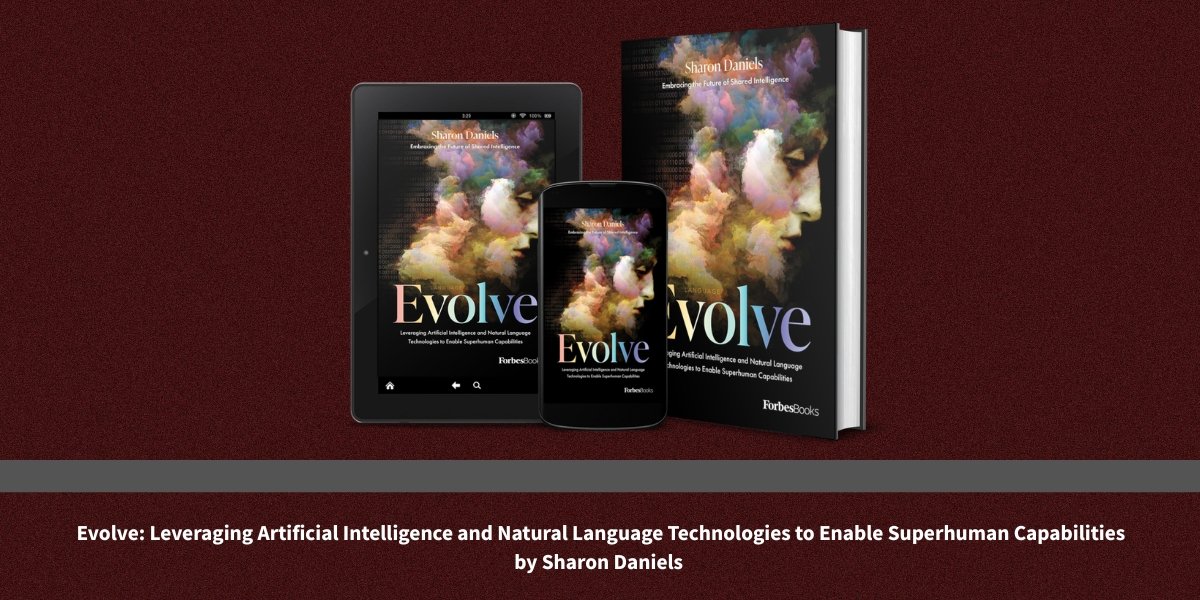
As explained in The Law of Focus: How to Own a Word and Build Brand Power, strong brands often become associated with a single word or idea. This clarity helps customers remember and trust the business. Startups that choose a focused message early may find it easier to build recognition and loyalty.
Creating Consistent Experiences
Brand identity isn’t just design. It’s how people feel when they interact with the business. This includes customer service, product quality, and communication. Consistent experiences support trust and recognition.
A startup that promises simplicity should reflect that in its website, instructions, and support. A business that values speed should respond quickly and keep processes short. These actions reinforce the brand and reduce confusion.
Consistency also includes timing. Regular updates, clear schedules, and predictable responses help people feel secure. Irregular communication or unclear steps may create doubt.
Training helps. Team members who understand the brand can reflect it in their work. This includes tone in emails, behavior during calls, and decisions about service. Shared understanding supports smoother experiences.
Feedback supports consistency. Listening to customers helps identify gaps or confusion. Adjusting based on feedback shows care and builds trust.
Brand identity grows through action. Each interaction shapes how people feel. Consistent experiences help the brand feel stable and familiar.
Adjusting Over Time Based on Feedback and Growth
Startups change. As products grow, teams expand, or markets shift, brand identity may need updates. These changes don’t erase the original purpose. They reflect growth and learning.
Feedback helps guide updates. Comments, reviews, and questions show what feels clear and what feels confusing. A startup may adjust tone, simplify design, or clarify messaging based on what people say.
Growth may require new tools. A business that starts with one product may add more. This may require new packaging, updated websites, or expanded messaging. These changes should still reflect the original purpose and audience.
Adjustments don’t need to be dramatic. Small changes—like refining a tagline or updating a color—can improve clarity. The goal is to stay connected to what matters and respond to what’s needed.
Some startups review their brand identity every few months. They check for consistency, clarity, and alignment. This habit supports steady improvement and reduces confusion.
Brand identity isn’t fixed. It’s shaped by purpose, audience, experience, and growth. Through attention and care, startups can build a brand that feels clear, useful, and familiar.
Internal Links Used
The Law of Focus: How to Own a Word and Build Brand Power