

By: H. Erlichman
As the global skincare market shifts toward science and wellness, a new category is emerging — and investors are taking notice.
For years, “clean beauty” defined the industry’s direction. Then came “biotech beauty.” Now, analysts say the next wave of innovation lies at the intersection of neuroscience and skincare — the field known as neurocosmetics.
This new segment, once niche, is rapidly expanding into one of the most exciting areas in the global skincare market, estimated at approximately $180 billion, driven by a demand for stress-regulating, emotionally supportive, and science-backed formulations.
A Market Poised for Growth
According to Grand View Research, the global neurocosmetics market was valued at approximately USD 1.94 billion in 2024 and is projected to reach USD 3.15 billion by 2030, growing at a compound annual growth rate (CAGR) of around 8.5%. Other sources estimate the market size at USD 1.8 billion in 2023, with a forecast to reach USD 4.1 billion by 2034, growing at a CAGR of around 7.9%.
The appeal lies in neurocosmetics’ dual function: products that aim to visibly enhance skin quality while potentially supporting the nervous system’s ability to regulate stress and inflammation. As modern consumers experience rising levels of burnout, anxiety, and environmental stress, demand for such formulations has increased.
Recent trend data backs this shift. According to BeautyMatter’s summary of Mintel’s 2026 Predictions, consumers are entering “a new era of emotional and sensory value” — demanding beauty products that regulate mood, evoke emotion, and act as diagnostic and preventative tools rather than simple cosmetics. The report identifies emotional wellness and multisensory beauty as defining themes through 2030, suggesting that the market is increasingly focused on science-driven, neuro-responsive formulations — exactly the space where neurocosmetics operate.
“We’re witnessing a redefinition of what beauty means,” says a spokesperson from Neurocos. “It’s no longer just about surface improvement — it’s about restoring calm, both in the skin and in the mind.”
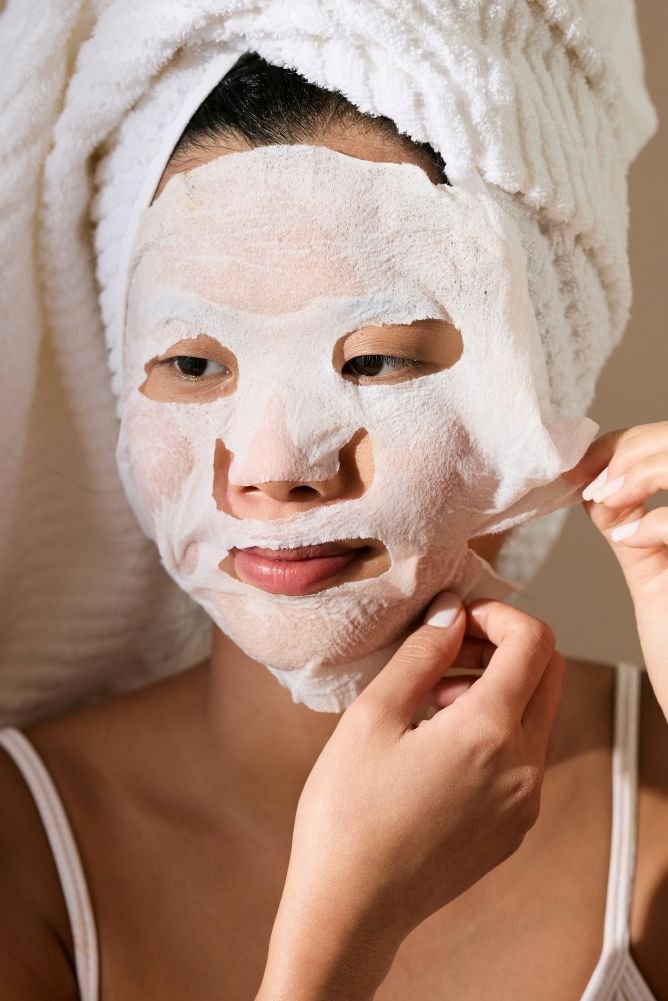
Photo: Unsplash.com
Where Science Meets Strategy
Neurocosmetics leverage research on neuropeptides, sensory receptors, and neurotransmitters that can influence skin behavior. Formulators are designing ingredients to modulate these biological pathways, creating a new generation of products that blend dermatology, neuroscience, and emotion regulation.
Neurocos has become one of the central marketplaces for this category, offering a curated selection of neurocosmetic products developed by pioneering brands around the world. The company’s business model unites education, curation, and digital retail to build trust in a science-heavy category still unfamiliar to many consumers.
Investors Eye the Neurocosmetic Boom
Venture activity in the beauty-tech space has increasingly shifted toward wellness and skin–brain science. The potential for differentiation — and the emotional connection to the consumer — has made neurocosmetics one of the most attractive emerging segments for long-term growth.
Analysts note that while K-beauty and clean beauty have matured, neurocosmetics represent a white-space opportunity: a field where scientific credibility meets psychological benefit. Early entrants are already defining the language, education, and aesthetics that will shape how this category is marketed globally.
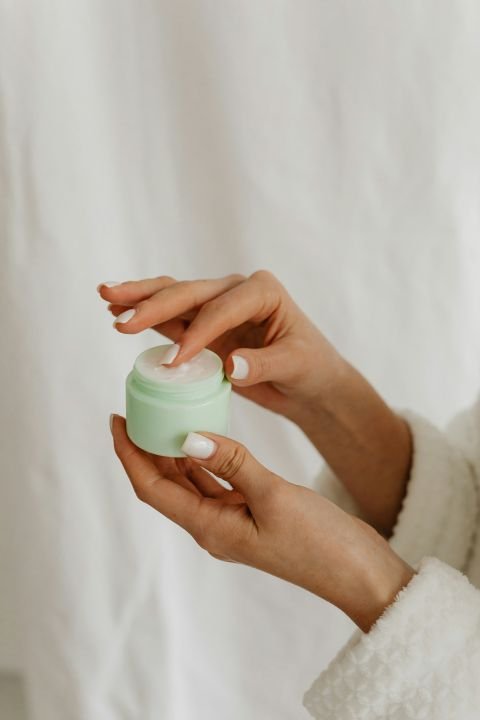
Photo: Unsplash.com
The Business of Calm
As beauty continues to merge with wellness, neurocosmetics embody the next evolution of self-care — one that translates the science of calm into tangible results. With consumer interest rising and data to support it, this market is not simply a passing trend — it could be a structural shift in how we define luxury, efficacy, and emotional well-being.
Explore the full range of neurocosmetic innovations driving growth in the category.
Disclaimer: The information provided in this article is for informational purposes only. While neurocosmetics are grounded in emerging scientific research, the claims made about their effects on skin and emotional well-being are based on current studies and market trends. These products are not intended to diagnose, treat, cure, or prevent any medical condition. Results may vary from person to person, and it is important to consult with a healthcare professional before using any products, especially if you have underlying health conditions. The content of this article is not meant to substitute professional advice or treatment.