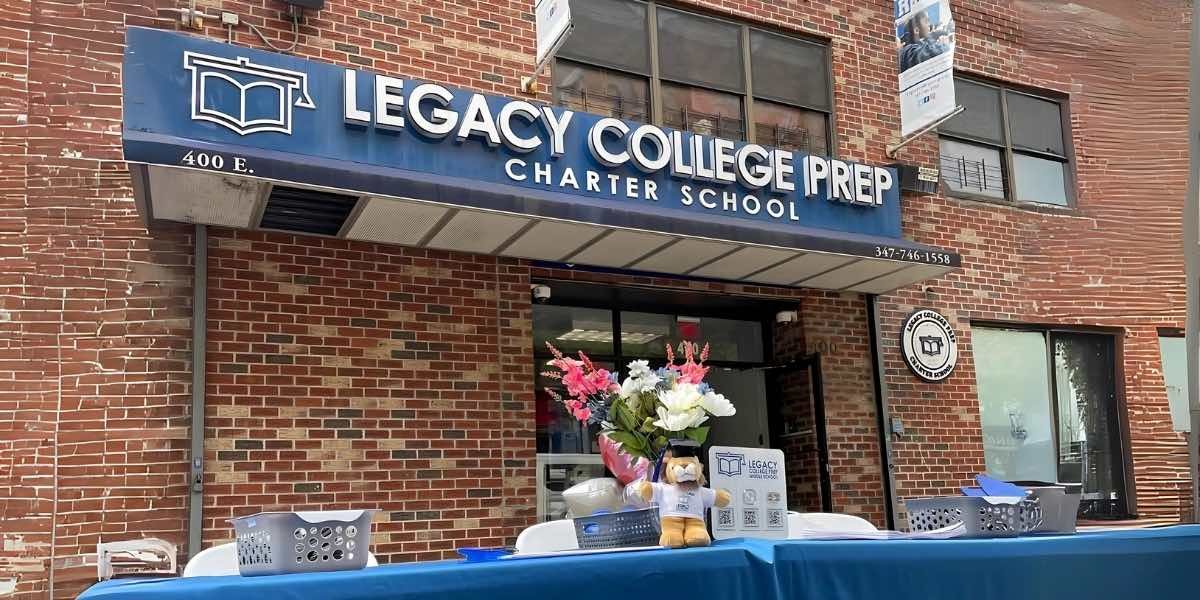
By: Legacy College Prep
In the heart of underserved communities, where the barriers to opportunity often feel insurmountable, education emerges as the single powerful lever for change. It is the force that transforms futures, builds generational wealth, and shatters the cycles of poverty. Yet, for millions of students in America, systemic inequities stand in the way of achieving their full potential. This is where Legacy College Prep steps in, an example of what can be achieved when education focuses on equity, access, and opportunity.
The Depth of the Problem: Understanding Economic Inequality
Economic inequality remains a significant challenge in the United States, particularly in underserved communities. Beyond income disparities, research highlights the critical role of wealth in shaping educational opportunities. For instance, studies indicate notable differences in median wealth between White households and those of Black and Latinx communities. This gap, rooted in historical and systemic inequities, impacts various aspects of life, including access to quality education (IHEP, 2024).
Wealth plays a role in shaping educational outcomes, including college savings, enrollment rates, and graduation. Research suggests that even a modest financial boost can increase the likelihood of families saving for their children’s education. Meanwhile, students from lower-wealth households often rely more heavily on loans and face more significant challenges in completing their degrees. This dynamic can contribute to ongoing disparities, as these students may enter adulthood with limited financial resources and higher debt levels.

Photo Courtesy: Legacy College Prep
This inequity isn’t just an economic issue; it’s a moral one. Without intervention, countless bright, ambitious students will see their potential capped, their dreams deferred by circumstances beyond their control.
The Role of Education in Promoting Opportunity and Financial Stability
Education has long been heralded as the great equalizer, and for good reason. The benefits of educational access extend far beyond individual success; they ripple outward to families, communities, and even society.
Studies suggest that individuals with higher levels of education tend to earn significantly more over their lifetimes compared to those with only a high school diploma. This difference extends beyond income, offering opportunities to secure better jobs and build financial stability. On a broader scale, investments in equitable education systems have been linked to long-term economic growth, highlighting the potential benefits for individuals and societies.
But the value of education goes beyond financial outcomes. Educated individuals are more likely to engage in civic activities, reduce crime rates in their communities, and lead environmentally responsible lives. They become the doctors, engineers, teachers, and entrepreneurs who solve problems and lead during crises. In underserved communities, education is not just an opportunity but a lifeline.
Legacy College Prep: A Catalyst for Change
Amid these challenges, Legacy College Prep strives to make a meaningful impact. As a charter school, it focuses on offering quality education to students from underserved communities. The school aims to help students navigate obstacles and achieve their goals through academics, personalized support, and a sense of community. Legacy College Prep emphasizes academic success and the development of well-rounded individuals prepared to contribute to their communities.
- Building Pathways to College – More than just preparing students academically, it nurtures the whole person. The school aims to give every student the support they need to succeed through personalised learning plans, mentorship, and intensive college-preparatory curricula. This approach acknowledges that students may encounter challenges beyond the classroom, such as financial hardship or societal barriers, and seeks to foster an environment that supports their success.
- Breaking Cycles of Poverty – The school addresses the root causes of generational poverty by focusing on college readiness. For example, its programs guide families through the complex financial aid process, helping students avoid burdensome debt while accessing higher education. Research shows that students who graduate from college are far more likely to achieve upward mobility, and the program is committed to making this a reality for every student it serves.
- Redefining Success for Underserved Communities – Legacy College Prep aims to have a broader impact beyond individual success. Its graduates can inspire those around them, including siblings, peers, and their communities, highlighting the potential that education can unlock. This reflects the idea that education benefits both individuals and the communities they are part of.

Photo Courtesy: Legacy College Prep
A Vision for the Future
The work of schools like Legacy College Prep is far from done. Across the nation, millions of students still face inequities that limit their potential. But these schools are proving that change is possible. They remind us that education is not just about test scores or graduation rates; it’s about hope, opportunity, and the belief that every child deserves a chance to succeed.
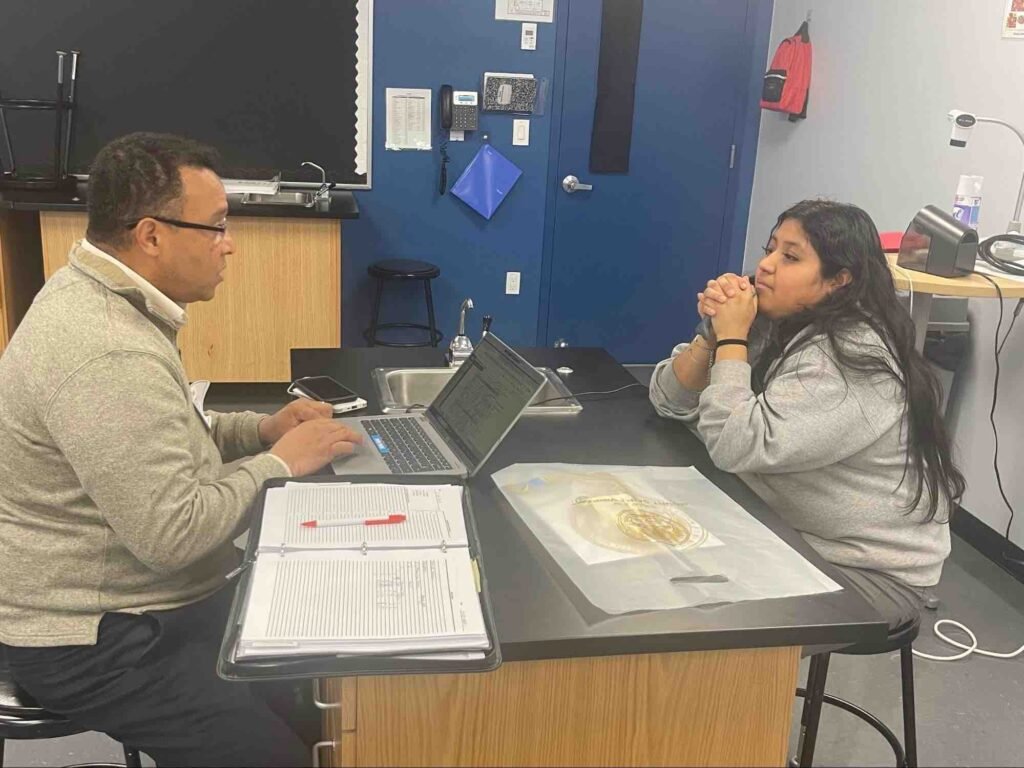
Photo Courtesy: Legacy College Prep
As parents, educators, and community members, we all have a role to play in supporting this mission. Whether by advocating for equitable funding, mentoring a student, or simply sharing the stories of these schools, we can all contribute to a future where education truly is the great equalizer.
The vision of these schools is a future where every student, regardless of their background, can achieve their dreams. To learn more about their missions and how you can support their work, visit their websites or connect with their communities. Together, we can invest in futures and create a world where education transforms lives for generations.
Disclaimer: This article is provided by Legacy College Prep and reflects their perspective on the role of education in addressing systemic inequities and promoting opportunity. The content is intended for informational purposes only and should not be considered as definitive or exhaustive analysis. Readers are encouraged to seek additional sources and perspectives to gain a comprehensive understanding of the topics discussed.
Published by Anne C.