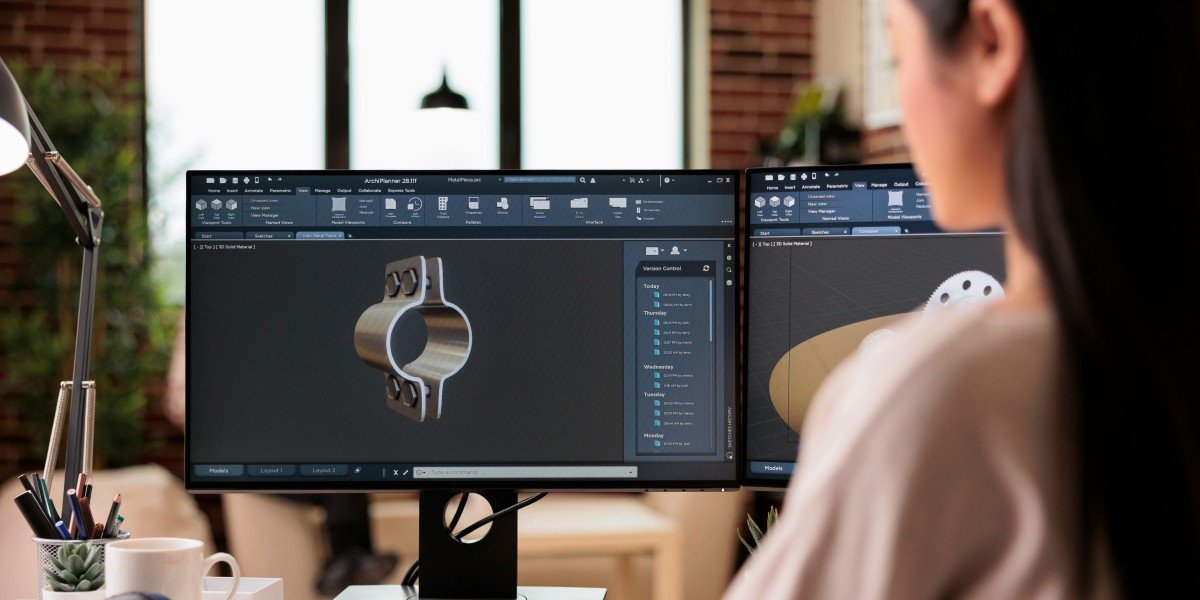
Product development often begins with uncertainty. Ideas may feel promising, but their success depends on how they are shaped, tested, and refined. This process can feel overwhelming, especially for those unfamiliar with technical terms or design methods. A calm, step-by-step approach can help clarify how prototyping, testing, and iteration work together to improve product ideas.
Understanding these strategies can ease concerns about failure or wasted effort. Each stage offers a chance to learn, adjust, and move forward with greater confidence.
What Is Prototyping and Why Is It Useful?
Prototyping means creating a basic version of a product idea. This version may be physical, digital, or even drawn on paper. It doesn’t need to be perfect. Its purpose is to show how the product might work and to identify early problems.
For example, someone designing a new kitchen tool might build a simple model using cardboard and tape. This model helps them see how the tool fits in the hand and whether it performs basic tasks. Even if the prototype breaks or feels awkward, it provides useful feedback.
Prototypes allow people to test ideas without committing to full production. They reduce the risk of spending time and money on something that doesn’t meet expectations. They also help teams communicate clearly, since a physical model often explains more than words alone.
How Does Testing Improve Product Ideas?
Testing means trying out a product idea to see how well it works. This can happen in many ways. Some tests involve users interacting with the prototype. Others focus on measuring performance, safety, or durability.
Testing doesn’t need to be complicated. A person designing a phone stand might ask friends to use it for a day and share their thoughts. If the stand tips over easily or blocks the screen, those issues can be fixed before moving forward.
Feedback from testing helps identify what works and what doesn’t. It also reveals how people feel about the product. Their reactions may highlight problems that weren’t obvious during design. Testing encourages small changes that lead to better results.
What Does Iteration Mean in Product Development?
Iteration means repeating the process of improving a product. After testing a prototype, changes are made. A new version is created, tested again, and adjusted. This cycle continues until the product meets its goals.
Iteration doesn’t require starting from scratch each time. Small changes often make a big difference. For example, a designer working on a backpack might adjust the strap length, add a pocket, or change the zipper. Each version builds on the last.
This process helps reduce mistakes and improve quality. It also allows ideas to grow gradually. Instead of aiming for perfection right away, iteration supports steady progress.
Why Do Some Ideas Change During Development?
Ideas often change because new information becomes available. Testing may reveal that users prefer a different shape, color, or feature. Market research might show that a similar product already exists. Technical limits may require adjustments.
These changes are normal. They don’t mean the original idea was wrong. Instead, they show that the development process is working. Each change brings the product closer to something useful and reliable.
For example, a team designing a water bottle might learn that users want a wider mouth for easier cleaning. Adding this feature improves the product without changing its main purpose.
How Can Teams Stay Focused During Development?
Clear goals help teams stay focused. These goals might include solving a specific problem, meeting a budget, or reaching a deadline. Writing them down and reviewing them regularly can guide decisions.
Communication also matters. Sharing updates, asking questions, and listening to feedback keeps everyone aligned. Tools like sketches, models, and checklists help explain ideas and track progress.
It’s common for teams to feel uncertain during development. Prototyping, testing, and iteration offer structure. They break the process into manageable steps and reduce the pressure to get everything right at once.
What If a Product Doesn’t Work as Expected?
Not every idea leads to a successful product. Sometimes, testing shows that the concept isn’t practical or desirable. This can feel disappointing, but it’s part of learning.
Even unsuccessful prototypes provide value. They reveal what doesn’t work and why. That knowledge can guide future projects and prevent repeated mistakes.
For example, a designer might learn that a foldable chair is too unstable. Instead of abandoning the idea, they might explore different materials or support structures. Each attempt builds experience.
How Do These Strategies Support Long-Term Success?
Prototyping, testing, and iteration help reduce risk and improve quality. They support thoughtful decision-making and encourage learning. Over time, these strategies lead to better products and more confident teams.
They also build trust with users. Products that feel reliable and well-designed often reflect careful development. Users notice when their needs are considered and their feedback is valued.
These strategies don’t guarantee success, but they make it more likely. They offer a calm, structured way to explore ideas and respond to challenges.
What Should Beginners Keep in Mind?
Beginners may worry about making mistakes or lacking experience. It’s helpful to remember that product development is a process, not a single event. Each step offers a chance to learn and improve.
Starting small is often best. A simple prototype, a few tests, and one round of changes can reveal a lot. Over time, confidence grows, and ideas become clearer.
Support is available. Many communities, workshops, and online resources offer guidance. Asking questions and sharing progress helps build skills and reduce stress.
Product development doesn’t require perfection. It rewards curiosity, patience, and a willingness to adjust. With steady effort, even uncertain ideas can become useful products.
Internal Links Used
How Prototyping Helps Shape Product Ideas
https://economicinsider.com/how-prototyping-helps-shape-product-ideas/